The top 5 countries with the cleanest air on earth

As per the World Health Organisation and IQAir data, these are the top countries that have the cleanest air in the world. Let's have a look and find which country has topped the list.
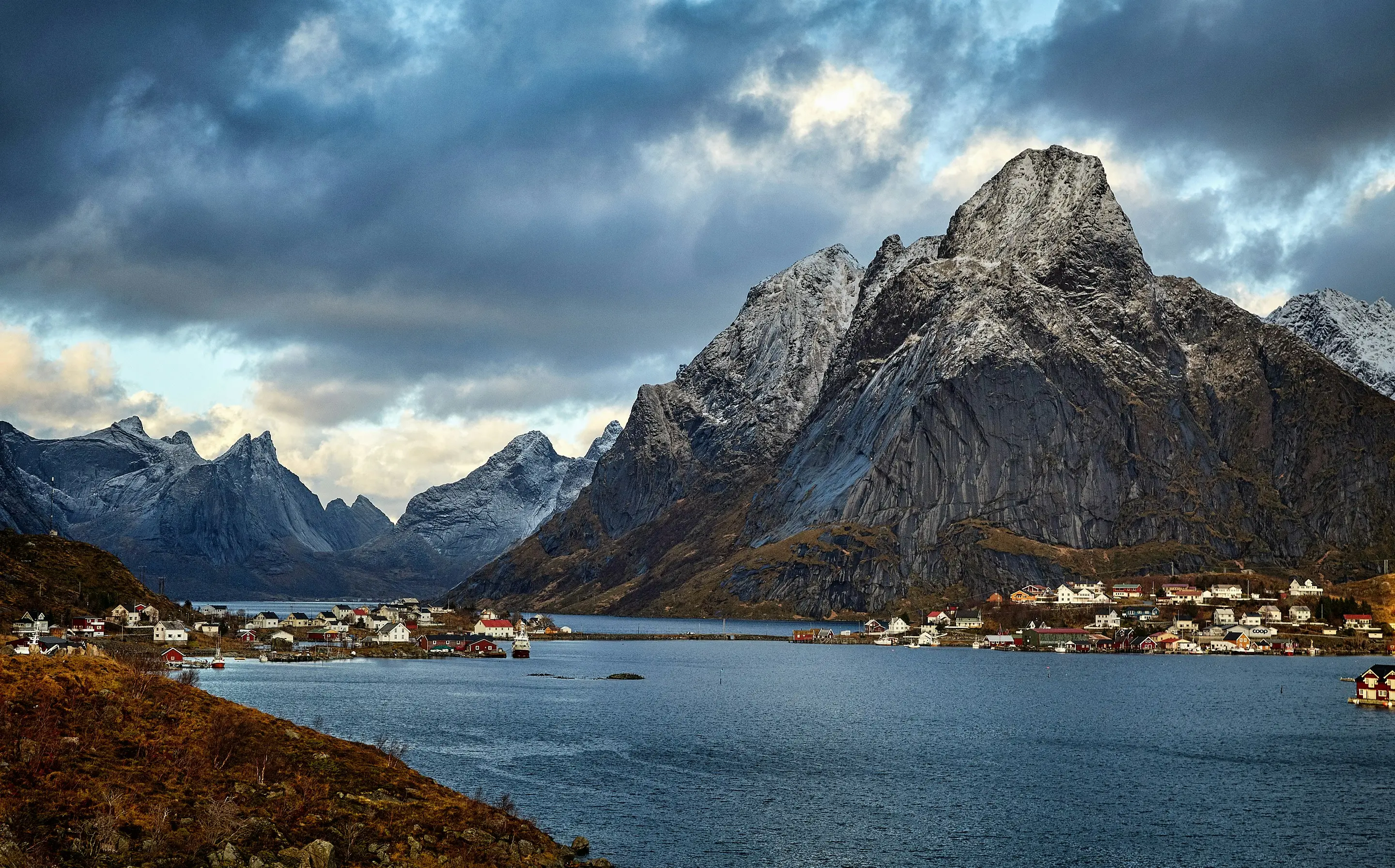
5. Norway
With an AQI average of 6.1 µg/m³ for PM2.5, Norway ranks 5th in terms of best air quality in the world. It is aided by rapid transition to electric cars, heavy use of hydropower, and a focus on sustainability.
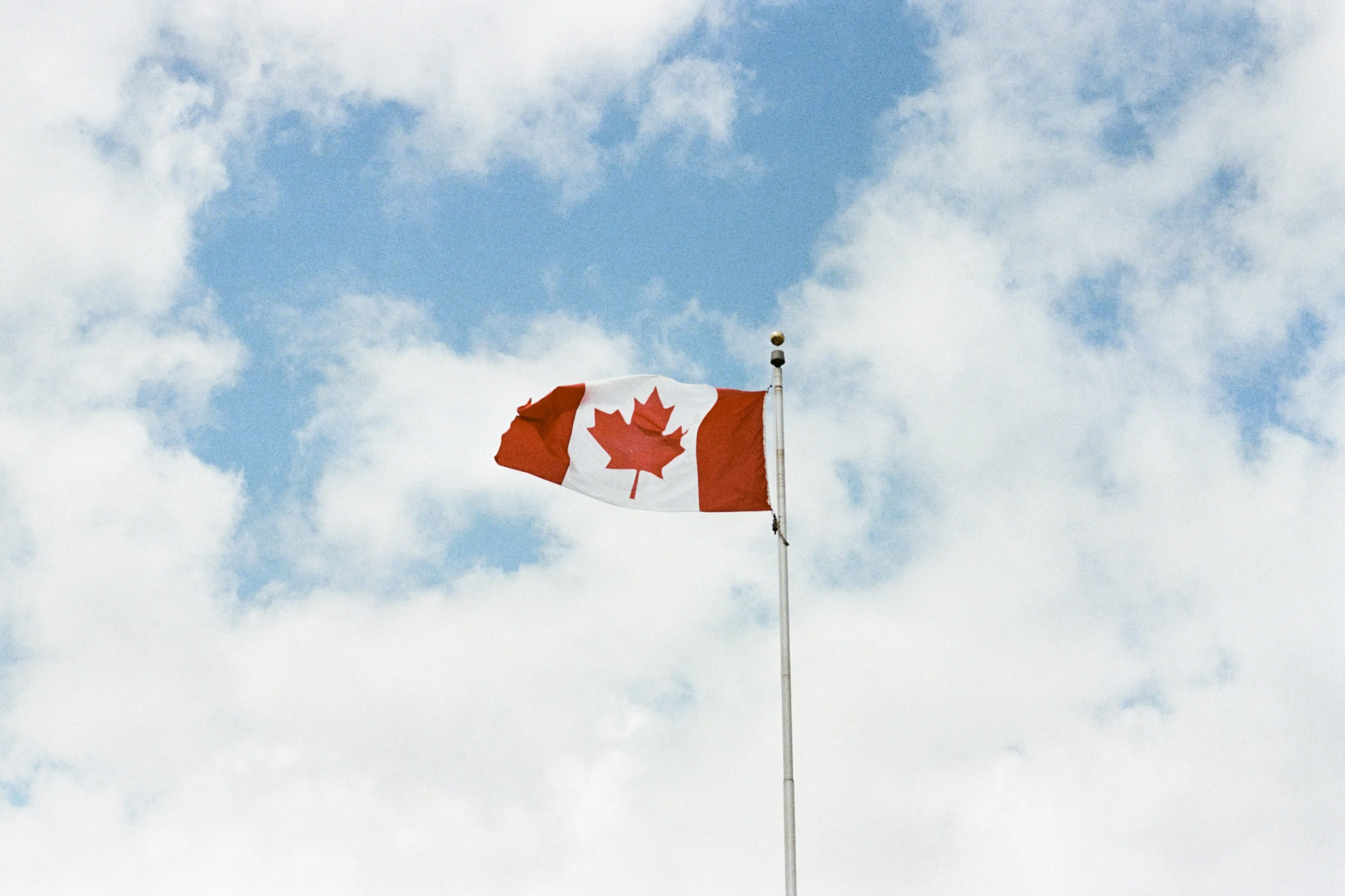
4. Canada
The vast size and sparse population of Canada contribute to its national PM2.5 average (5.8 µg/m³), holding 4th spot in the best air quality index. The forest preservation laws in Canada have helped adopt clean energy policies. It also suffers from traffic congestion only in a select few urban areas.

3. New Zealand
New Zealand is quite popular for its beautiful natural environment and good air quality. It has an average PM2.5 of 5.4 µg/m³, good environmental protection, and 80% clean power. The ocean winds and low city pollution of New Zealand help in boosting its air quality.
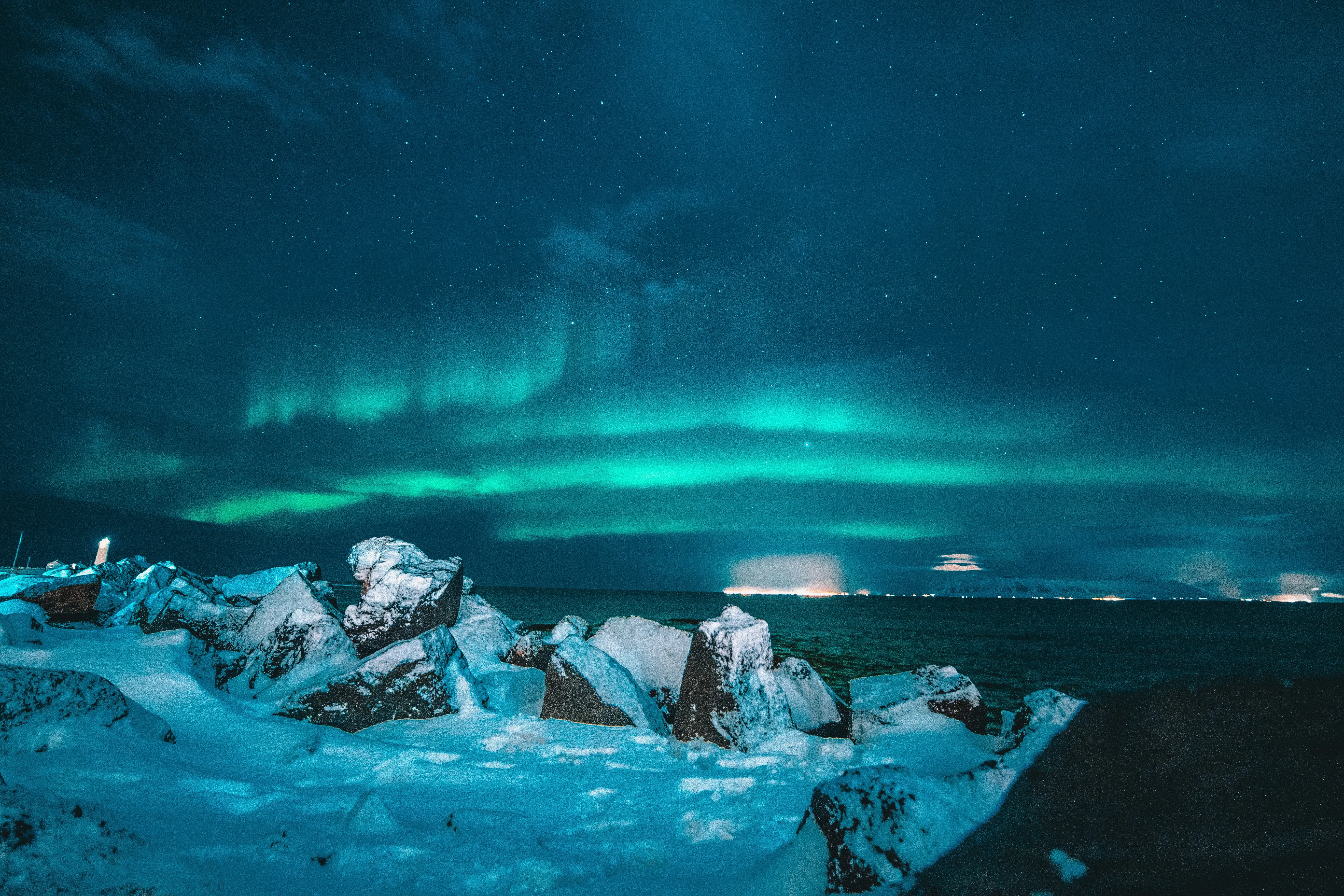
2. Iceland
With minimal industrial pollution and an abundance of renewable energy, primarily geothermal and hydro, Iceland enjoys the best air quality on Earth. It has PM2.5 hovering around 5.1 µg/m³ of AQI.
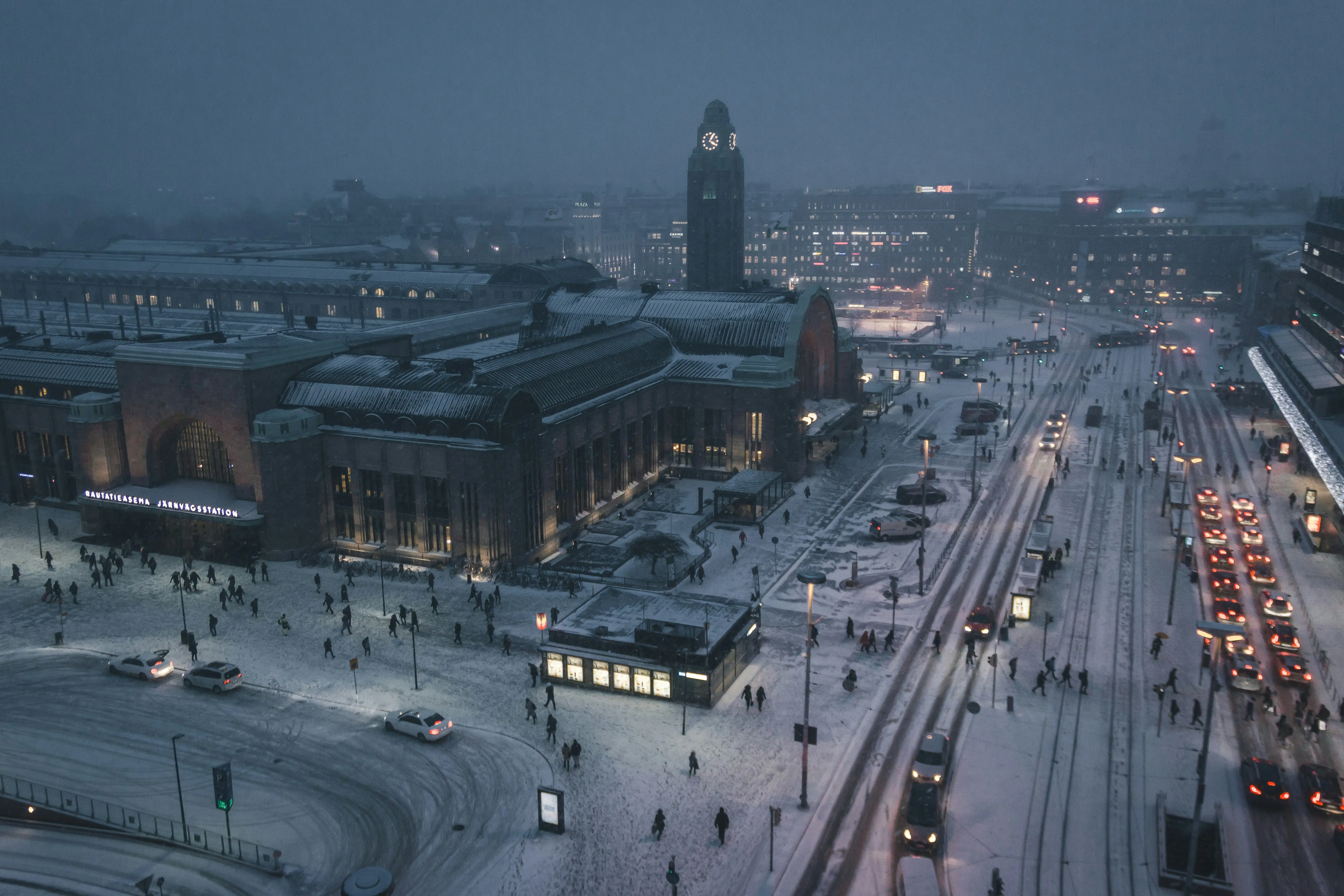
1. Finland
In the 2025 list, Finland ranks as the best country in the world for air quality. It has an average PM2.5 hovering around 4.9 µg/m³ AQI, as it benefits from a rich forest, minimal pollution from industry, and high efficacy in renewable energy up to 75%.
)
)
)
)
)