The technology behind F-15E ejection systems and pilot survival

The F-15E Strike Eagle uses the ACES II ejection seat to save pilots during catastrophic failures. Experiencing up to 20 Gs, crews are blasted clear of the jet in an automated sequence that deploys parachutes and GPS beacons in mere seconds.
The Zero-Zero Advantage
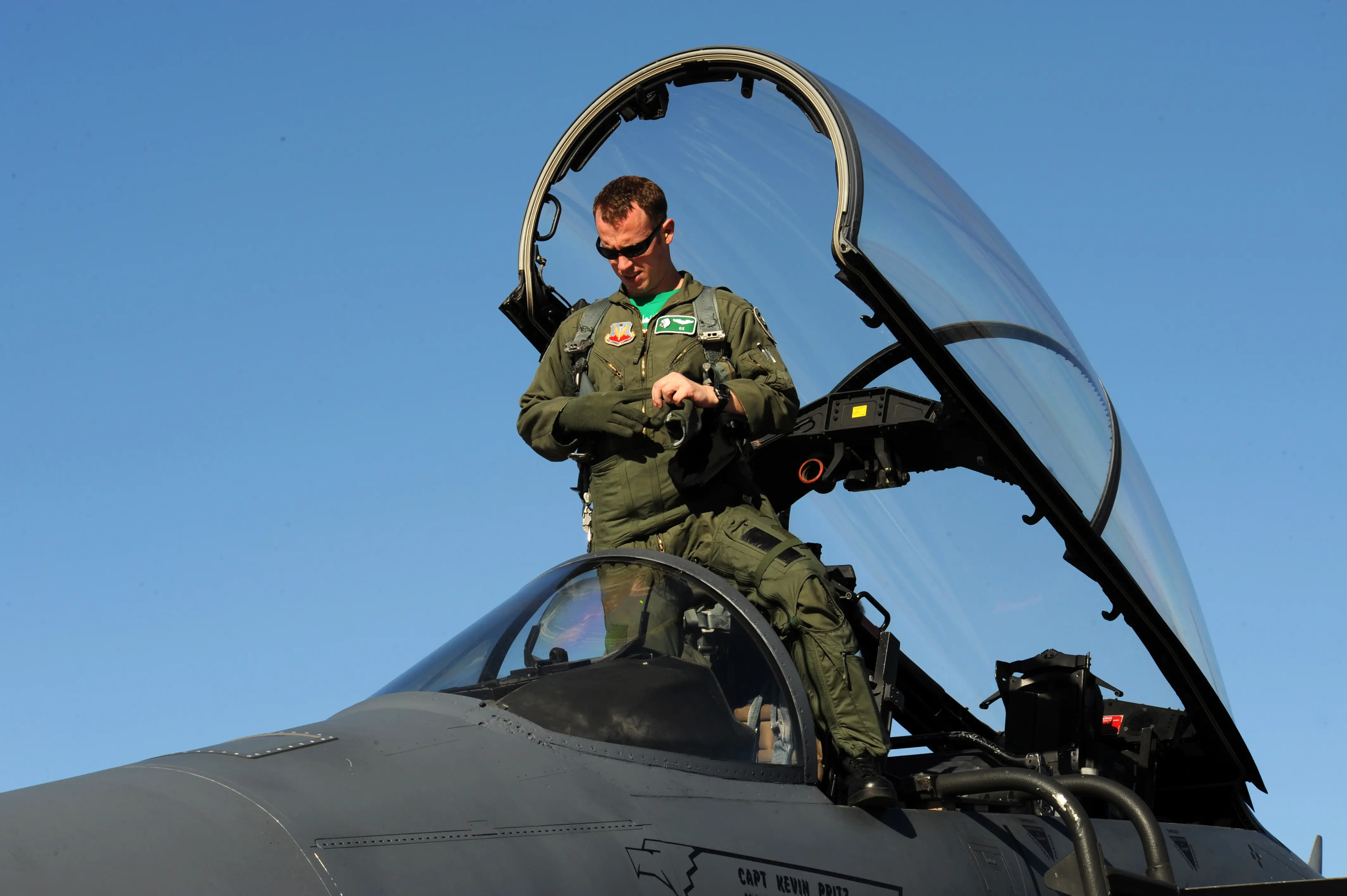
The F-15E Strike Eagle uses the legendary ACES II system to evacuate aviators from failing aircraft in a matter of seconds. This third-generation hardware features a 'zero-zero' capability, meaning it can safely launch a pilot even if the $31 million jet is completely stationary on the runway.
Shattering the Canopy
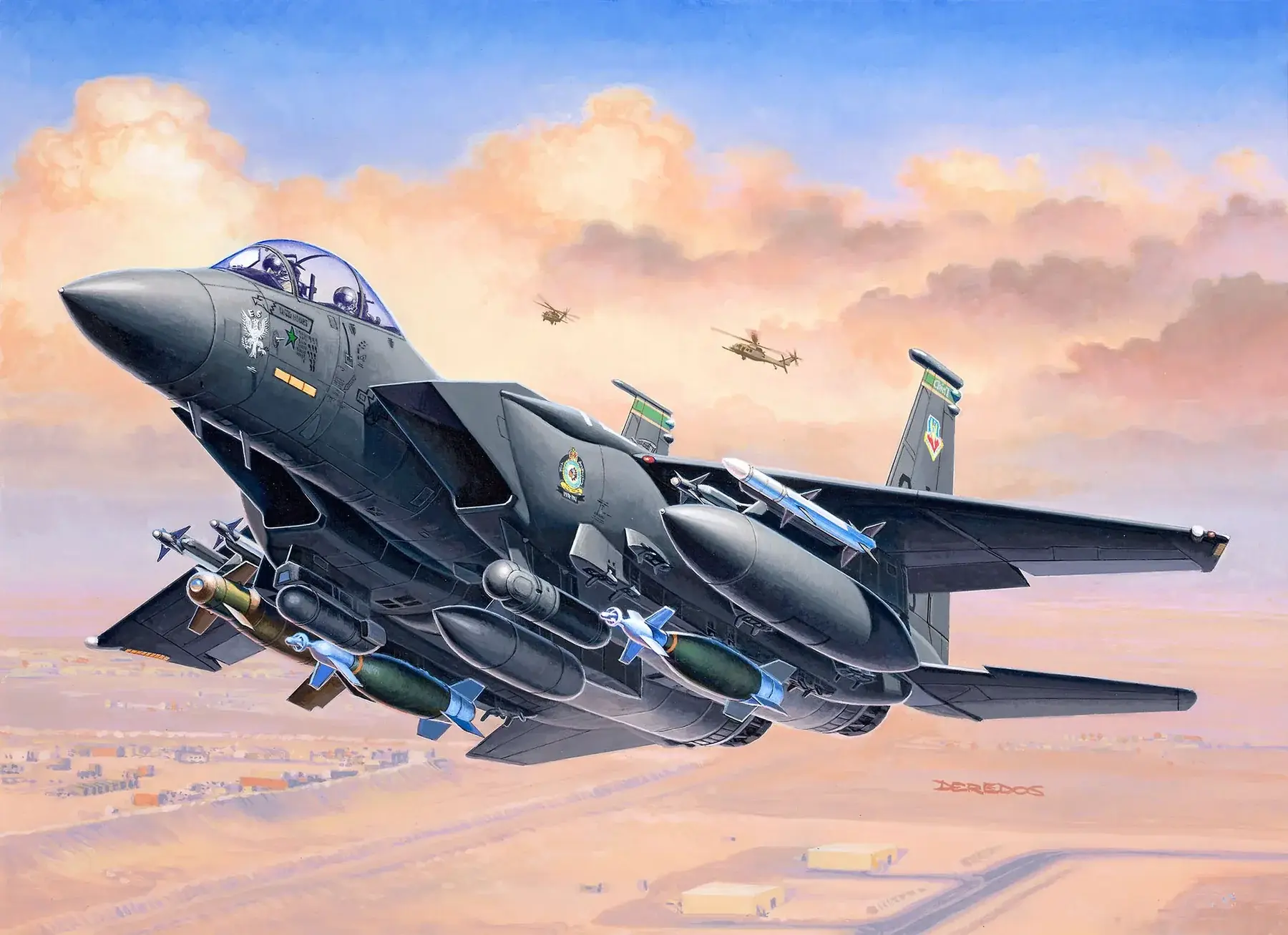
Before the heavy metal seat can move, explosive charges must instantly jettison the massive F-15E canopy to clear a safe escape path. Because the Strike Eagle carries a two-person crew, an automated sequencer fires the Weapons System Officer's seat first to prevent a deadly mid-air collision.
A Violent Rocket Launch
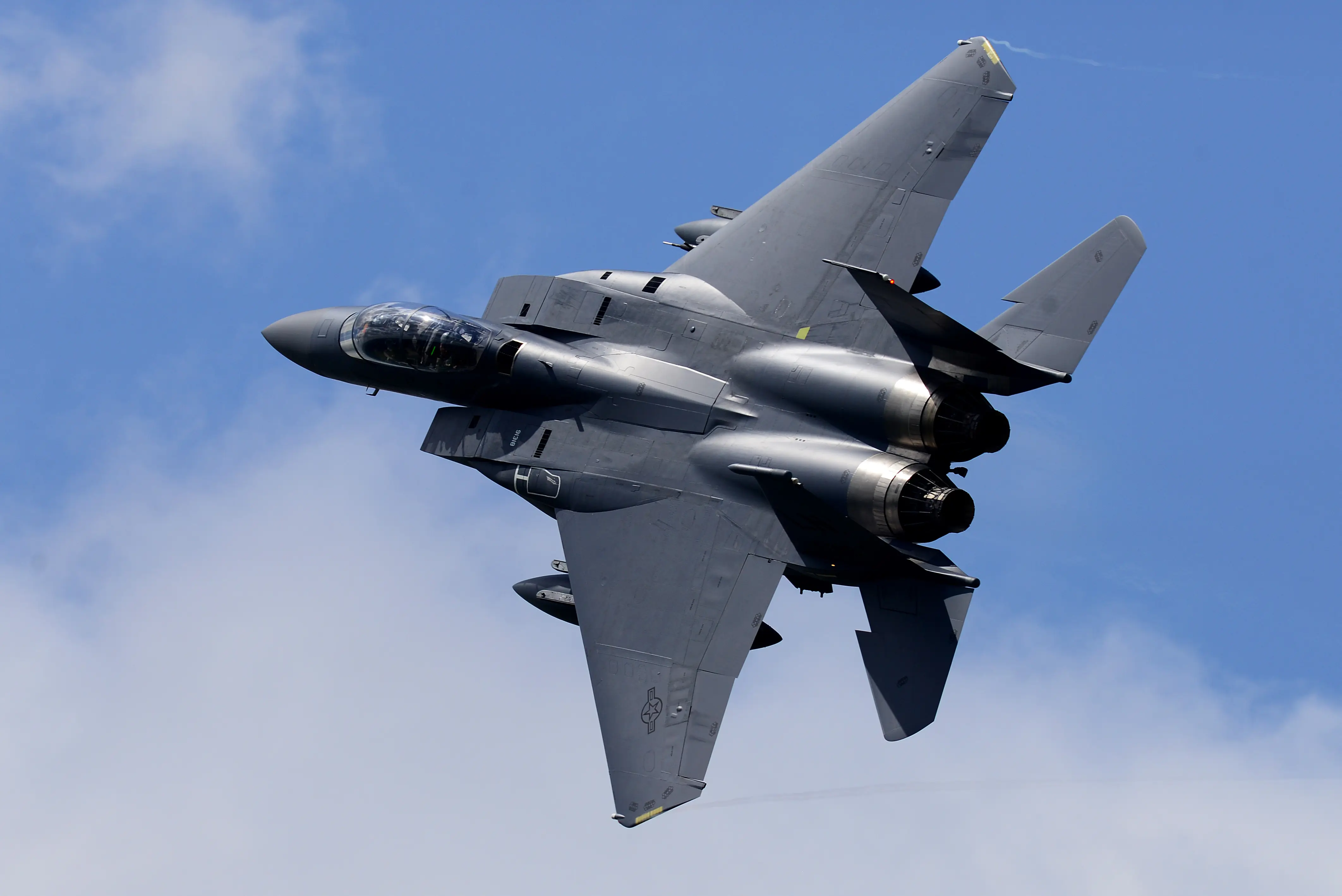
Pulling the ejection handle triggers a solid-propellant CKU-5 rocket catapult that propels the 127-pound seat directly upward. This violent acceleration subjects the pilot to nearly 20 Gs of force, turning a upto 90-kilogramme pilot into a 1,800-kilogramme projectile for a fraction of a second.
Smart Altitude Sensing
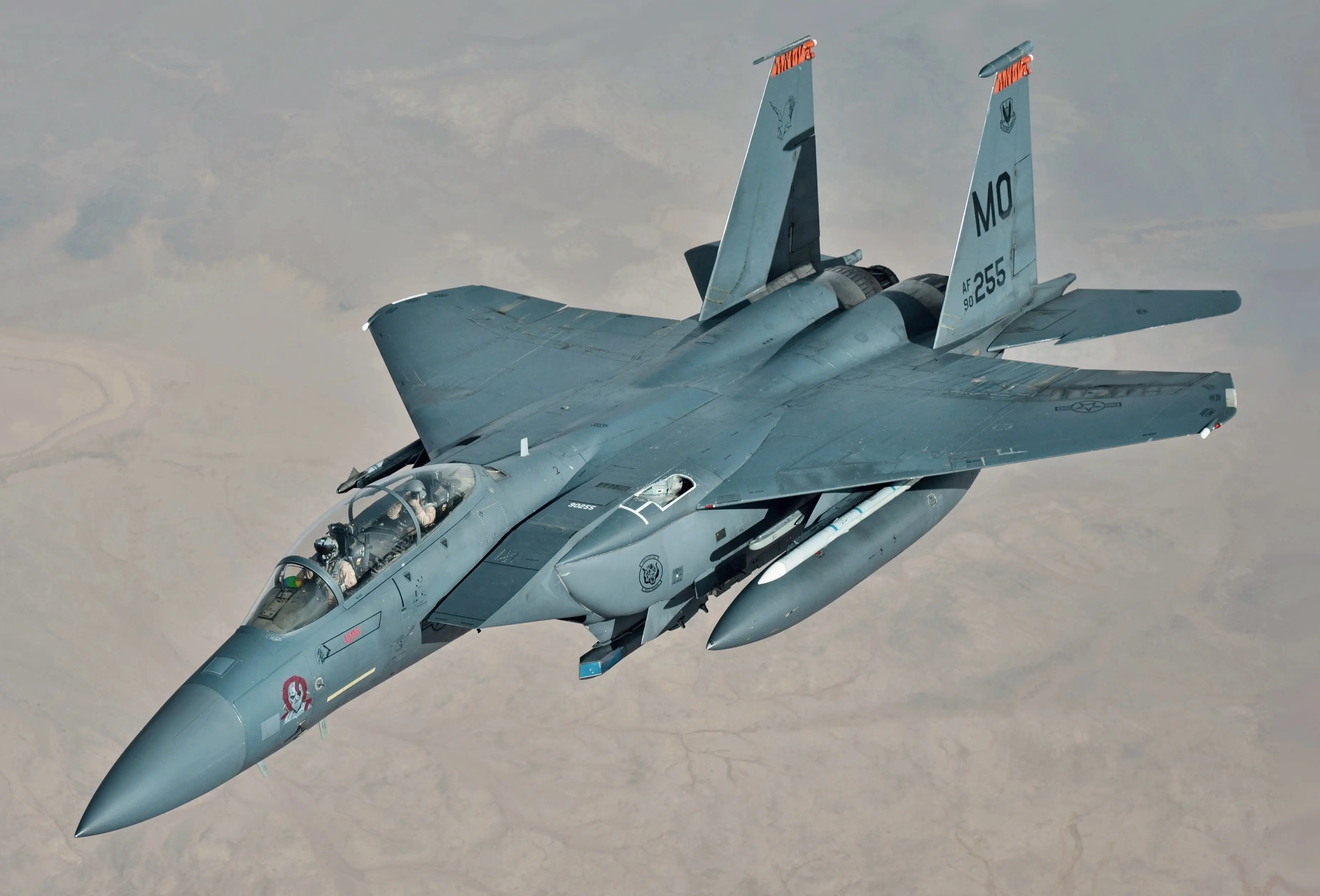
The ACES II does not rely on a single, fixed parachute deployment sequence. Built-in environmental sensors continuously calculate dynamic airspeed and altitude, actively selecting one of three operating modes. This smart technology ensures a near 100 per cent success rate by opening the parachute at the exact right millisecond.
Defeating the Windblast
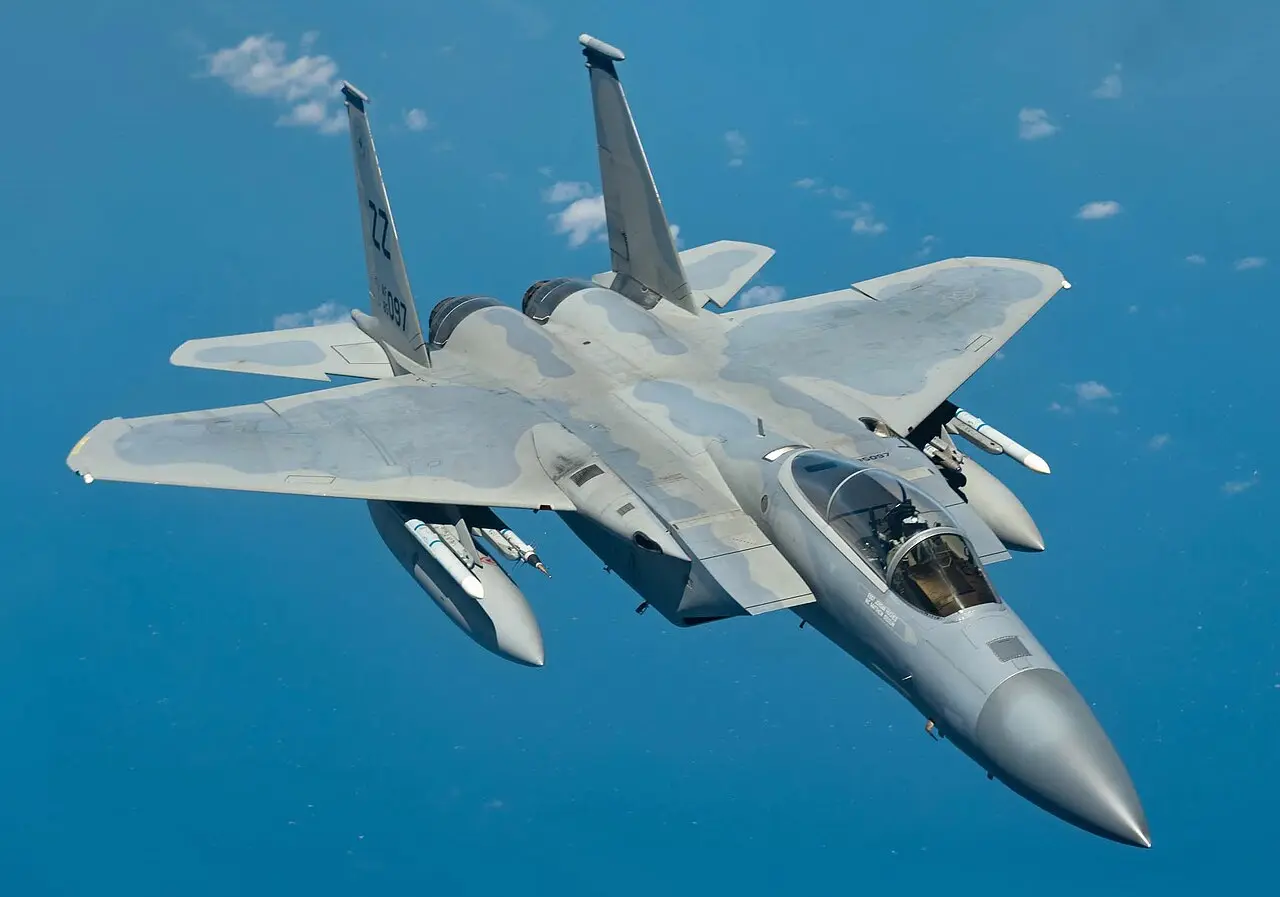
Ejecting at speeds approaching 600 knots hits the pilot with a devastating, concrete-like wall of kinetic air pressure. To prevent severe limb trauma, automated restraints instantly pull the pilot's legs flush against the seat while the helmet shields their face.
Stabilisation and Separation
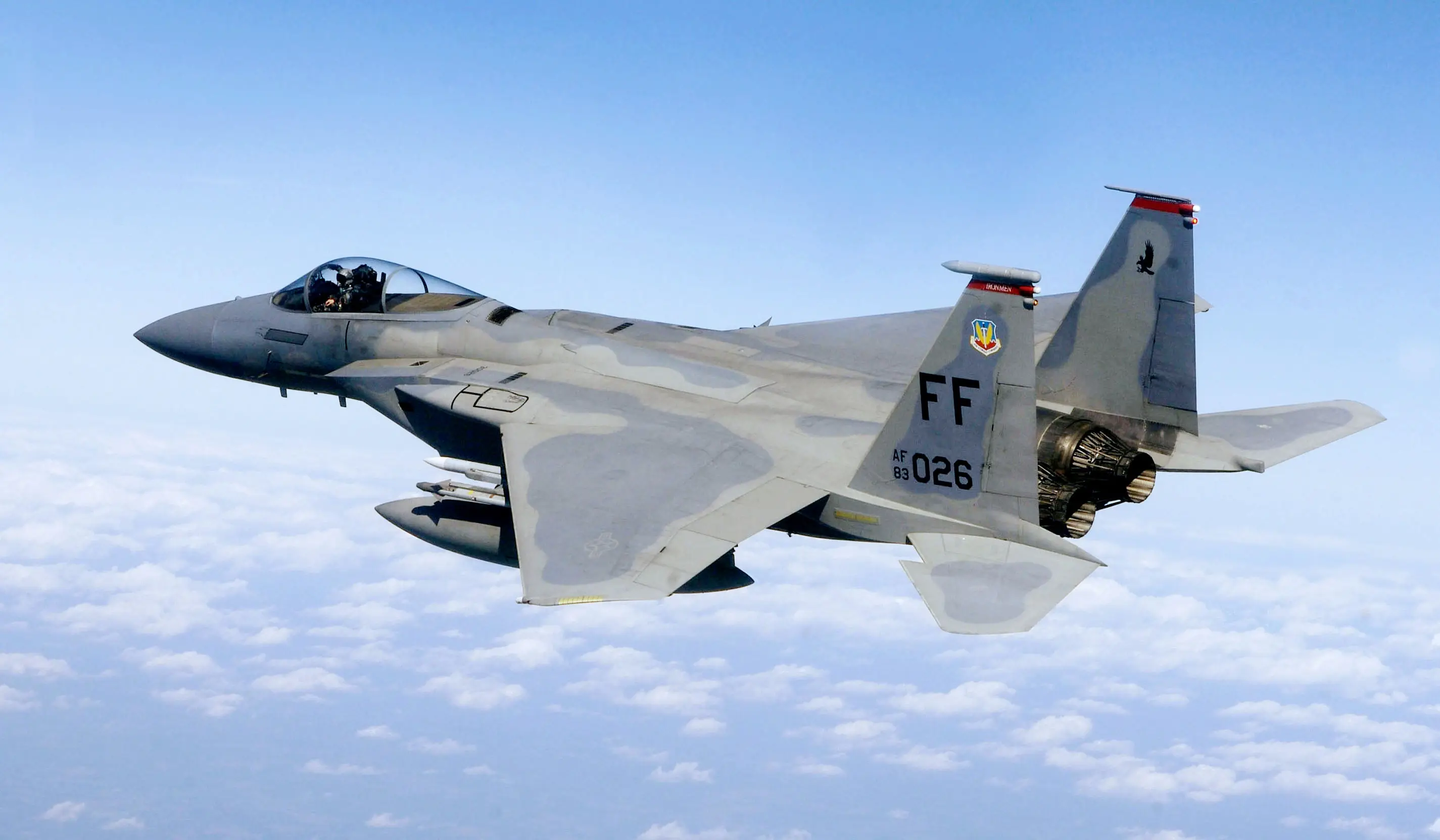
A small drogue parachute deploys immediately, working alongside a gyroscopic STAPAC rocket motor to stop the heavy seat from violently spinning out of control. Once the hardware descends below 10,000 feet, explosive bolts physically push the seat away so the main recovery canopy can safely inflate without entanglement.
The Automated Rescue Beacon
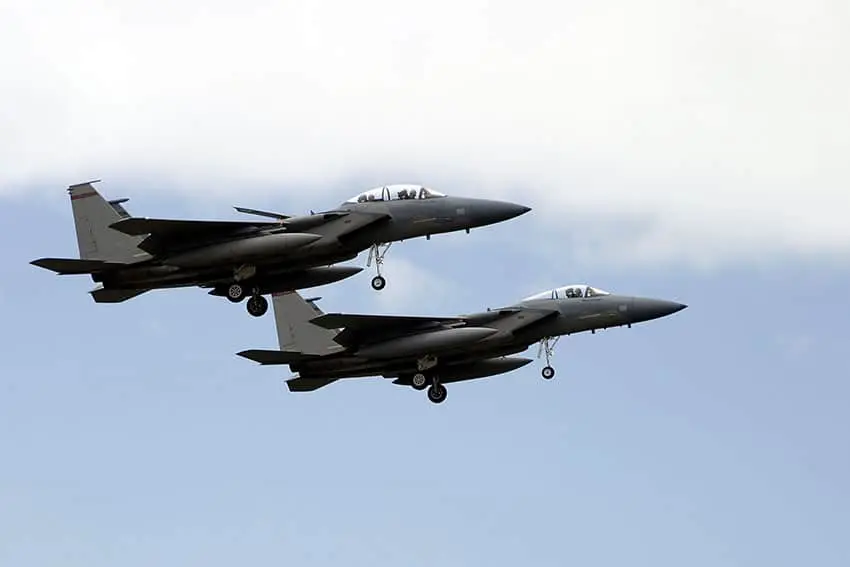
As the pilot slowly descends, a compact survival kit automatically drops below them on a lanyard to absorb the heavy ground impact force. An integrated locator beacon simultaneously broadcasts secure distress signals, instantly initiating a high-stakes combat search and rescue mission.
)
)
)
)
)