The ‘switch-off’ button? Is the US capable of stopping Iran’s radar remotely?

US dominance relies on advanced tech, not just explosives. Through microwave bursts, S-300 hacks, and heavy jamming, the US can remotely destroy or confuse Iranian radar, achieving a 'switch-off' effect before the fight begins.

The ‘Magic Button’ Theory
The idea of a single button that powers down enemy defences is largely a myth, but the reality is close. Through advanced electronic warfare (EW) and cyber tools, the US can effectively render radars useless without firing a single explosive shot. It is not a simple switch, but a complex layer of jamming and deception.
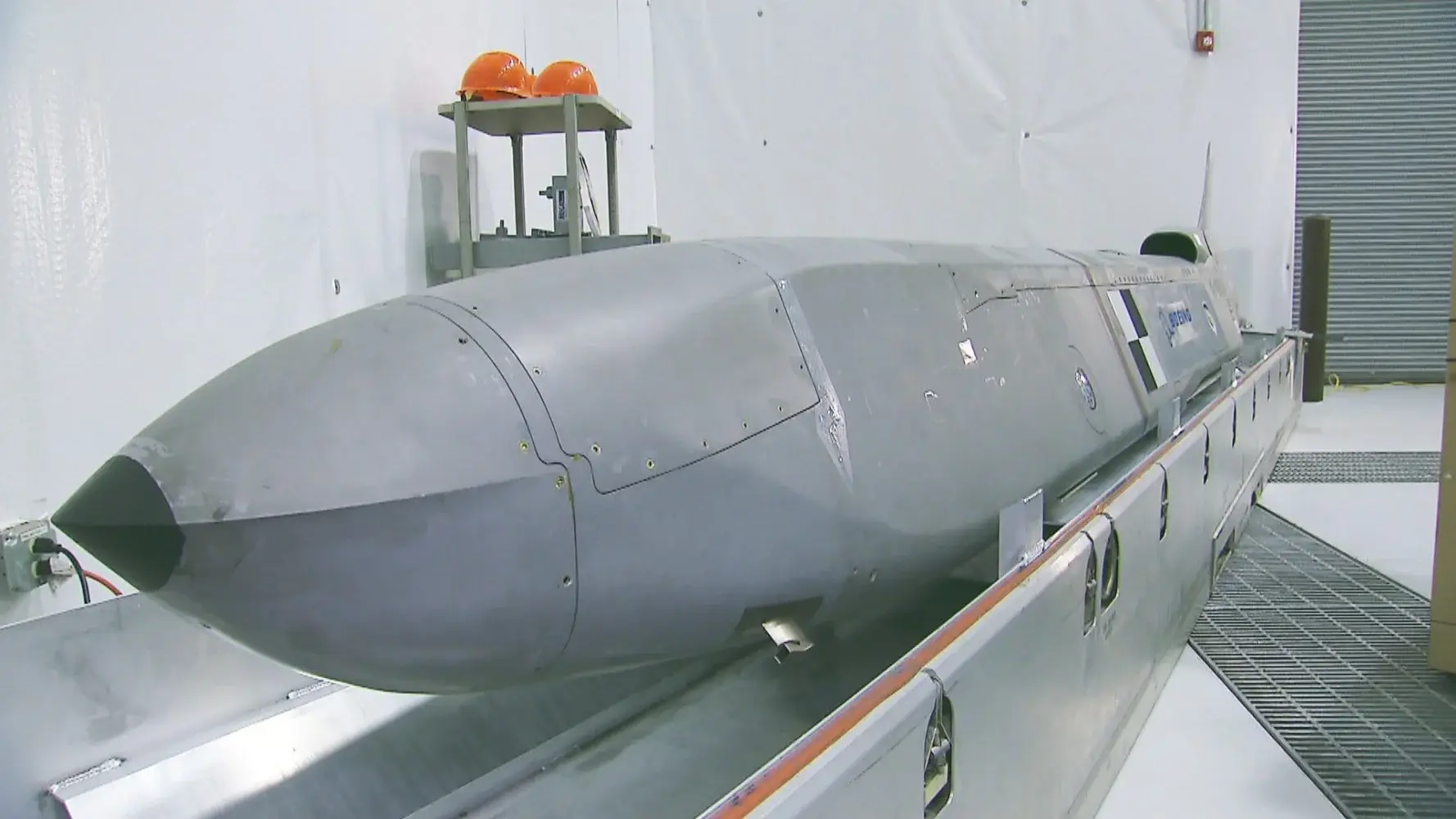
CHAMP: The Microwave Missile
The US Air Force has developed the Counter-Electronics High Power Microwave Advanced Missile Project (CHAMP). This cruise missile flies over a target and emits high-power microwave bursts. These bursts fry the electronic circuits inside radar stations and command centres, effectively switching them off permanently while leaving the building standing.
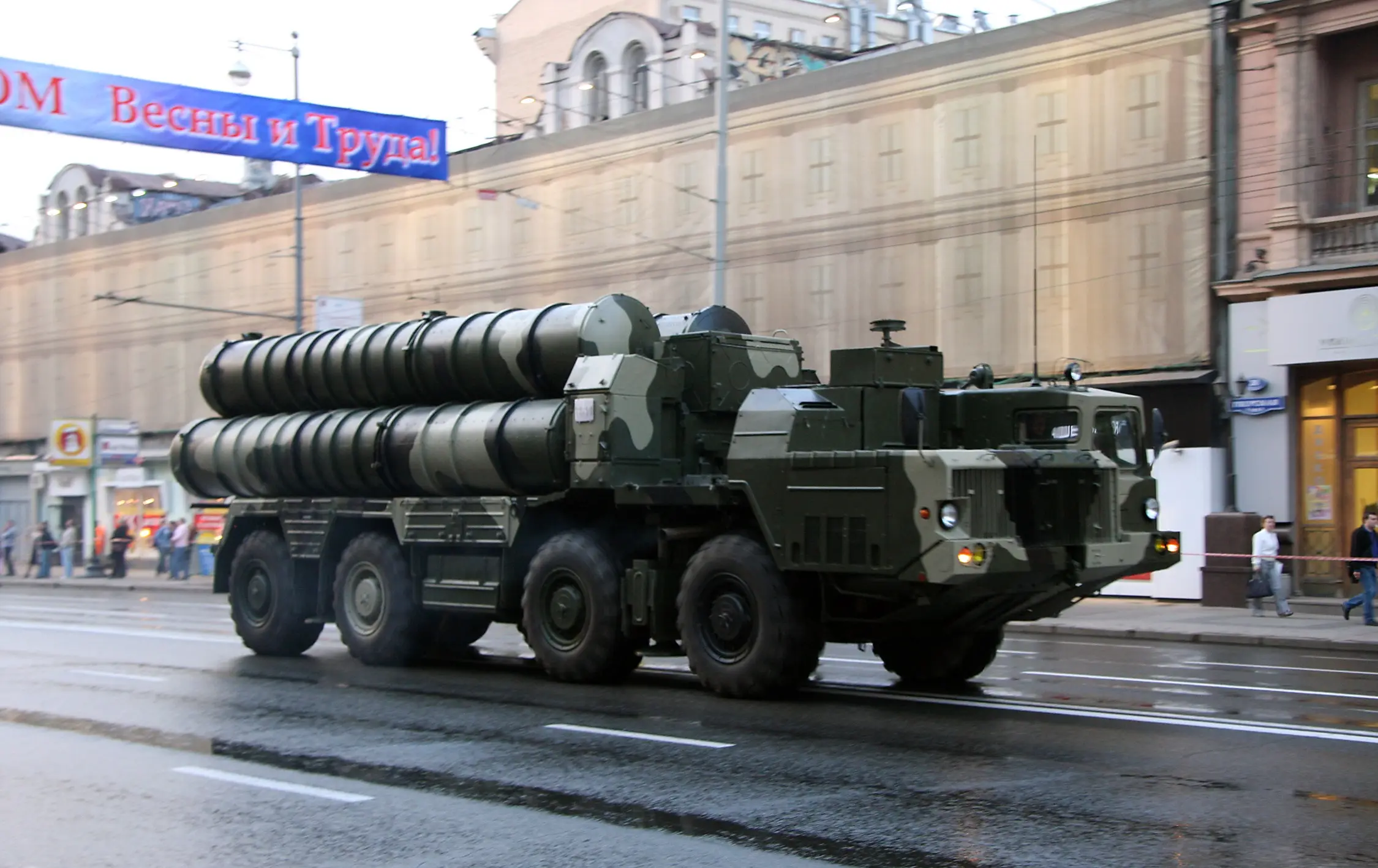
The Russian ‘Backdoor’
Iran relies heavily on Russian-made S-300 air defence systems. Defence analysts often speculate that export versions of these systems might contain ‘backdoors’ or specific vulnerabilities known to Moscow. If shared with Washington or Tel Aviv, these codes could theoretically allow Western forces to bypass or disable the tracking loops remotely.
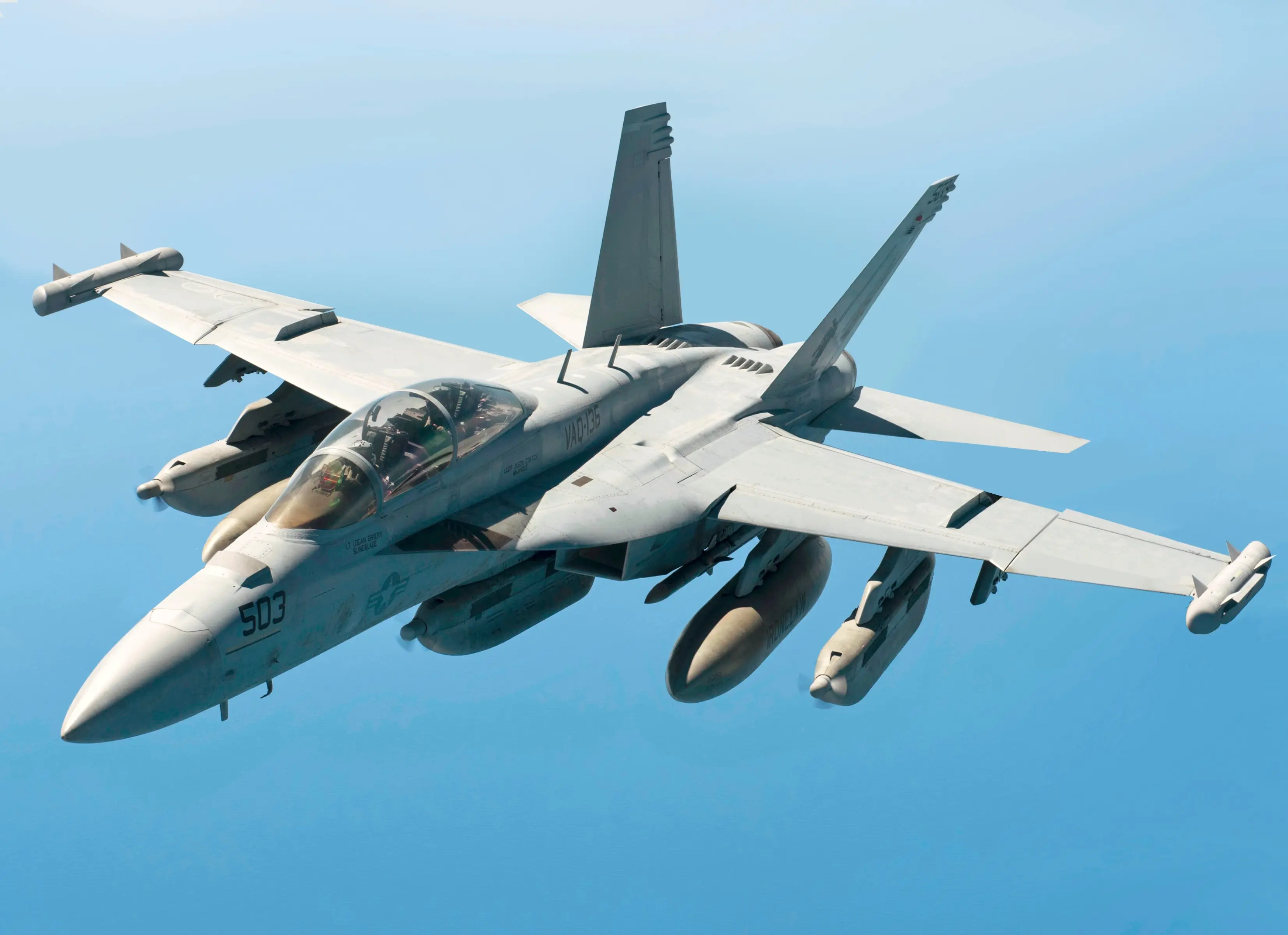
EA-18G Growler Power
The US Navy deploys the EA-18G Growler, a specialised electronic attack aircraft. These jets carry the Next Generation Jammer (NGJ) pods, which can blast noise on the specific frequencies Iranian radars use. This does not turn the radar off physically, but it fills their screens with ‘snow’, making it impossible for them to lock onto targets.

Cyber Warfare Tactics
Following the famous Stuxnet attack on nuclear centrifuges, US cyber capabilities have only grown. Elite cyber units target the command-and-control networks that link radar batteries. By injecting malware into these isolated networks, they can feed false data to operators or shut down the operating systems entirely during a critical window.

The Isfahan Precedent
In April 2024, an alleged Israeli strike targeted a sophisticated S-300 radar in Isfahan. The radar failed to detect the incoming threat, suggesting a combination of advanced stealth and electronic suppression. This incident proved that even Iran’s most advanced foreign systems can be blinded and destroyed before they can react.

Spoofing and Decoys
American forces use Miniature Air-Launched Decoys (MALD) to confuse enemy operators. These small drones mimic the radar signature of fighter jets. Iranian operators might see hundreds of planes on their screens and shut down their radars voluntarily to avoid anti-radiation missiles, effectively achieving a ‘switch off’ outcome through psychology.

Anti-Radiation Missiles
When electronic soft kills fail, the US uses Anti-Radiation Missiles (ARMs) like the AARGM-ER. These weapons home in on the specific radio emissions from a radar dish. To survive, Iranian operators must turn their radars off immediately. In this game of cat and mouse, the threat of destruction forces the ‘off’ switch.
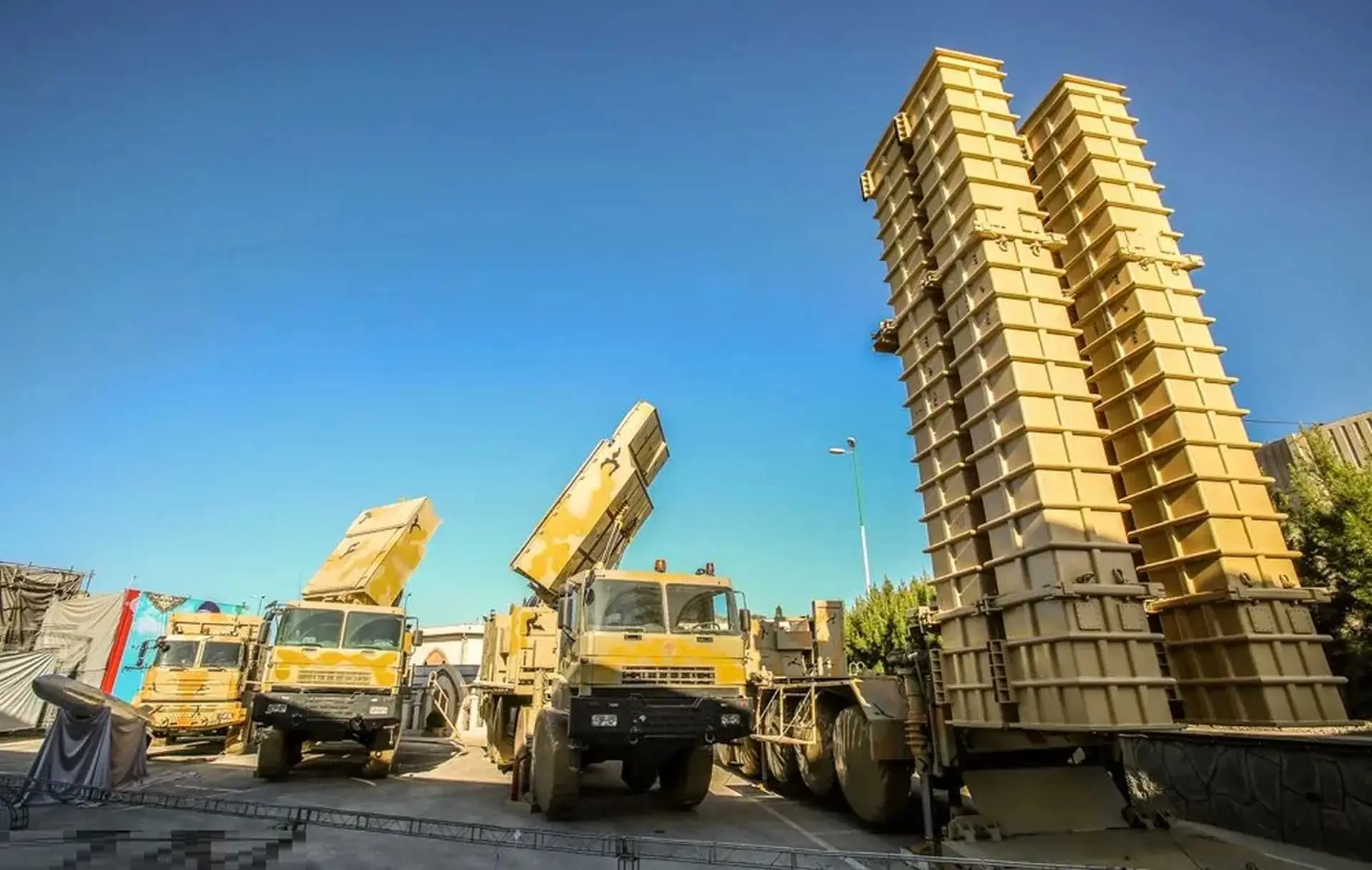
Iran’s Domestic Shield
Tehran has built its own air defence system, the Bavar-373, claiming it rivals the Russian S-400. Because this system is domestically engineered, it is less likely to have known foreign backdoors. This makes remote disabling harder, forcing the US to rely more on brute-force jamming and kinetic strikes rather than subtle code exploits.

Strategic Ambiguity
The Pentagon keeps its highest-level EW capabilities classified to ensure they work when truly needed. While a literal ‘off’ switch may not exist, the combined weight of microwave weapons, cyber hacks, and jamming pods gives the US the power to turn Iran’s skies dark whenever the strategic need arises.
)

)
)
)