'Under USS Abraham Lincoln': A high-tech game of cat and mouse happening just beneath the carrier

The deadliest threat to a supercarrier isn't in the sky. Discover how the USS Abraham Lincoln's MH-60R Seahawks and escort destroyers hunt silent attack submarines in the ultimate deep-water chess match.
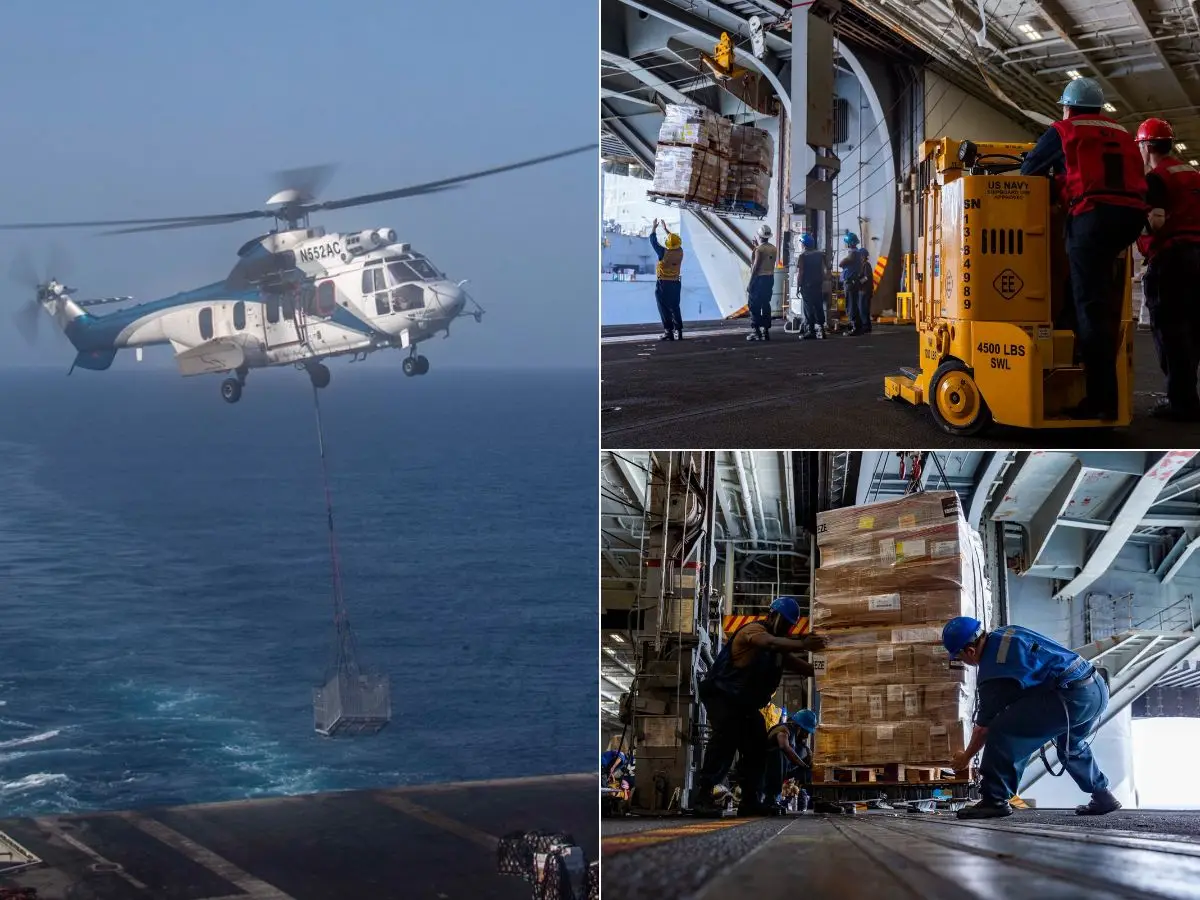
The One-Torpedo Nightmare
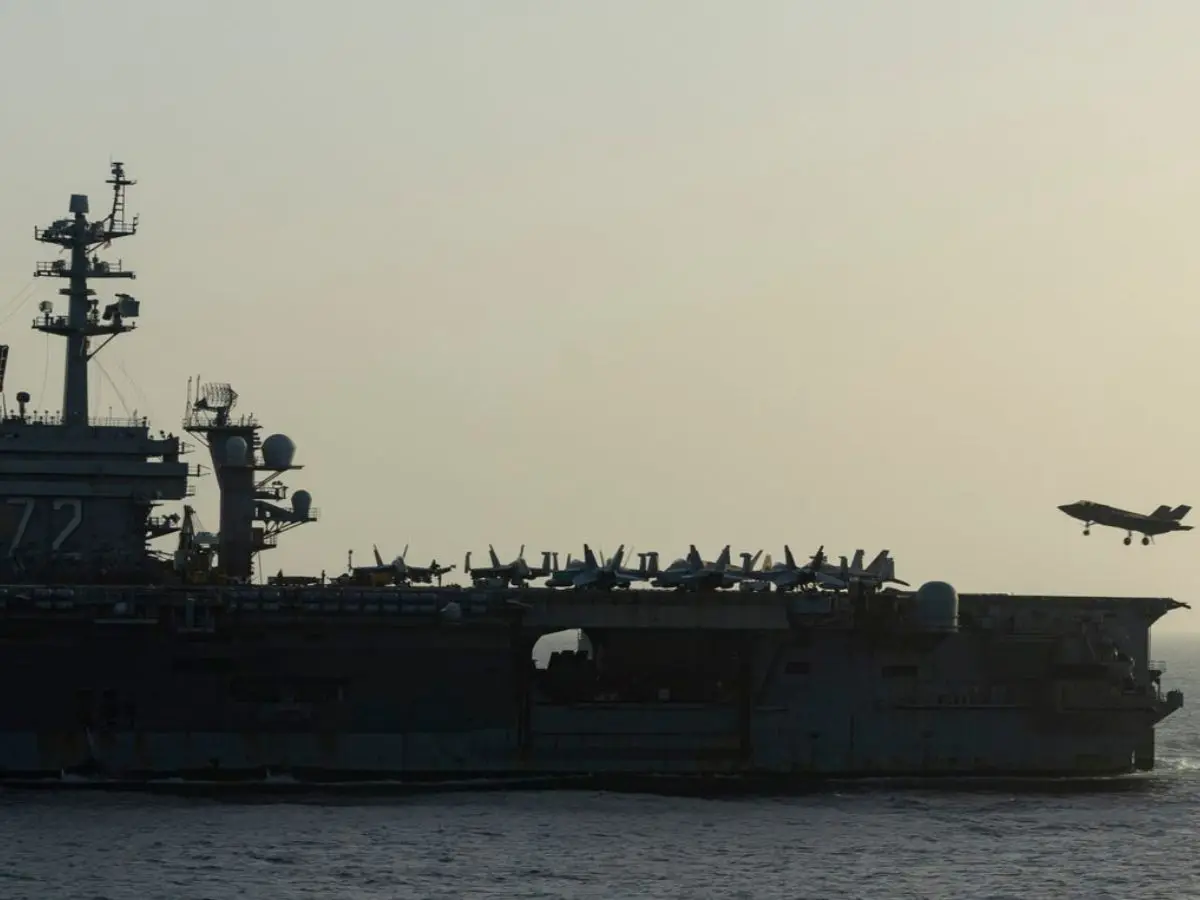
A $4 billion Nimitz-class carrier like the USS Abraham Lincoln is heavily armored against air attacks, but its soft underbelly is a massive vulnerability. Modern adversarial attack submarines—especially ultra-quiet diesel-electric and nuclear variants—are designed to slip past radar screens and deliver a catastrophic, keel-breaking torpedo strike. Defeating them is the strike group's most stressful, high-stakes mission.
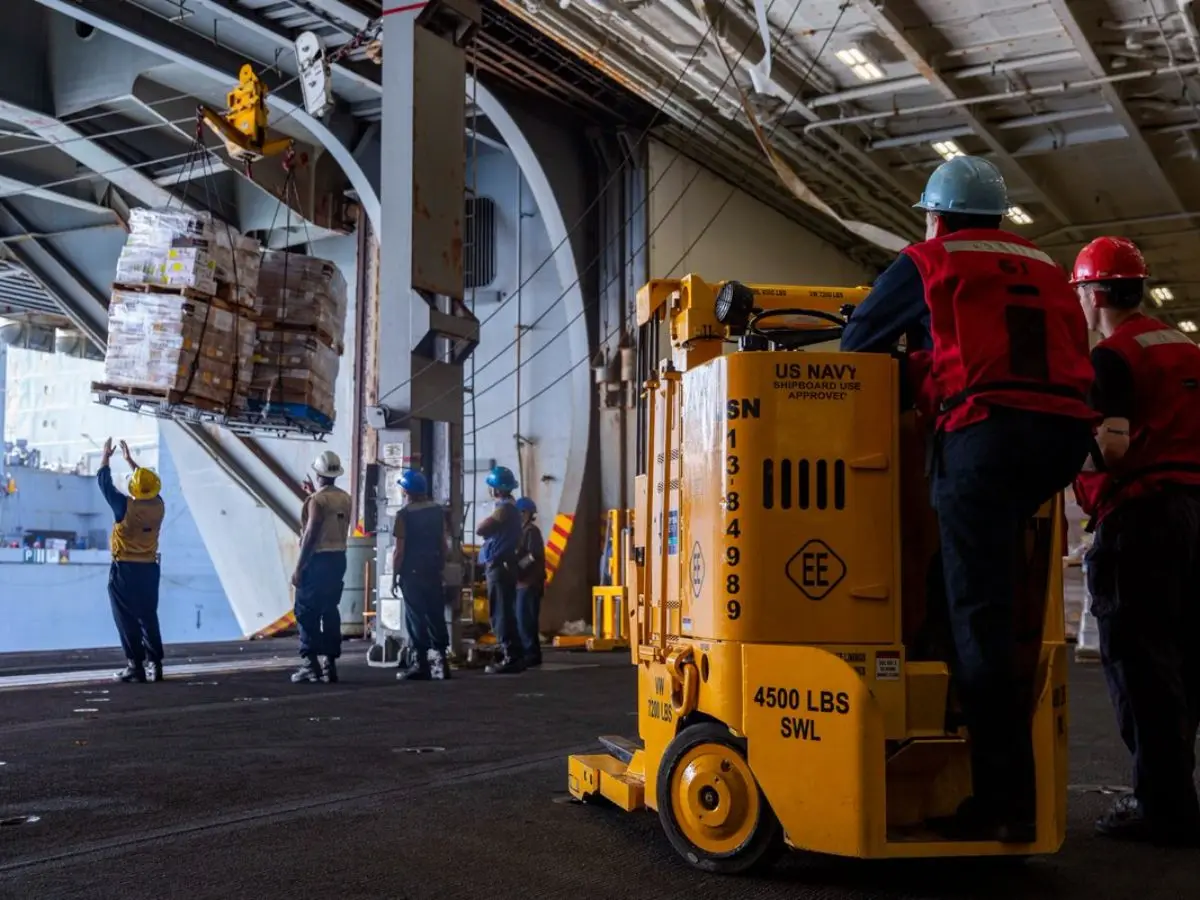
The 'Romeo' Airborne Hunters
You can't fight a submarine from a noisy flight deck. The carrier relies on its Helicopter Maritime Strike squadrons flying the MH-60R ‘Romeo’ Seahawk. These multi-mission helicopters act as the Lincoln's forward-deployed eyes and ears. By flying miles away from the carrier's massive bronze propellers, the Romeo can scan the ocean depths without its own acoustic interference blinding the sensors.
Sowing the Acoustic Net
To find a silent enemy, the Seahawks drop a massive grid of sonobuoys into the ocean. These are disposable, highly sensitive hydrophones that parachute into the water and unfold antenna arrays. They create a vast, interconnected digital web of passive listening posts, instantly beaming any faint acoustic anomaly back to the helicopter and the carrier's command center.
The 'Dipping' Interrogation
When a sonobuoy detects a faint whisper—perhaps the scrape of a hull or the cavitation of a propeller—the Seahawk swoops in for the kill. The helicopter hovers just 50 feet above the crashing waves and lowers an Airborne Low Frequency Sonar (ALFS) directly into the water. This ‘dipping sonar’ blasts high-powered acoustic pings deep into the thermal layers, actively forcing the hidden submarine to reveal its exact depth and heading.
The Steel Ring of Destroyers
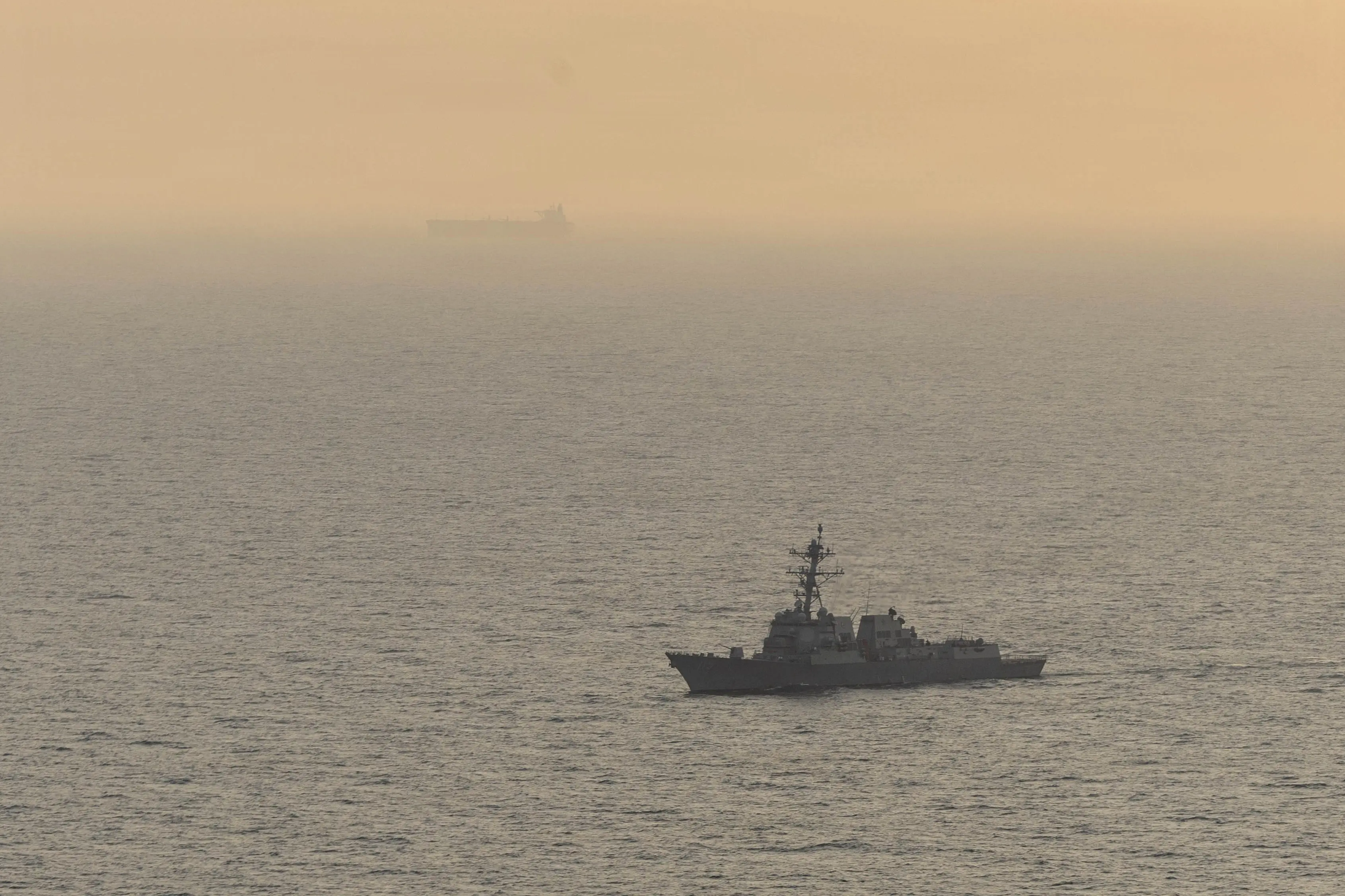
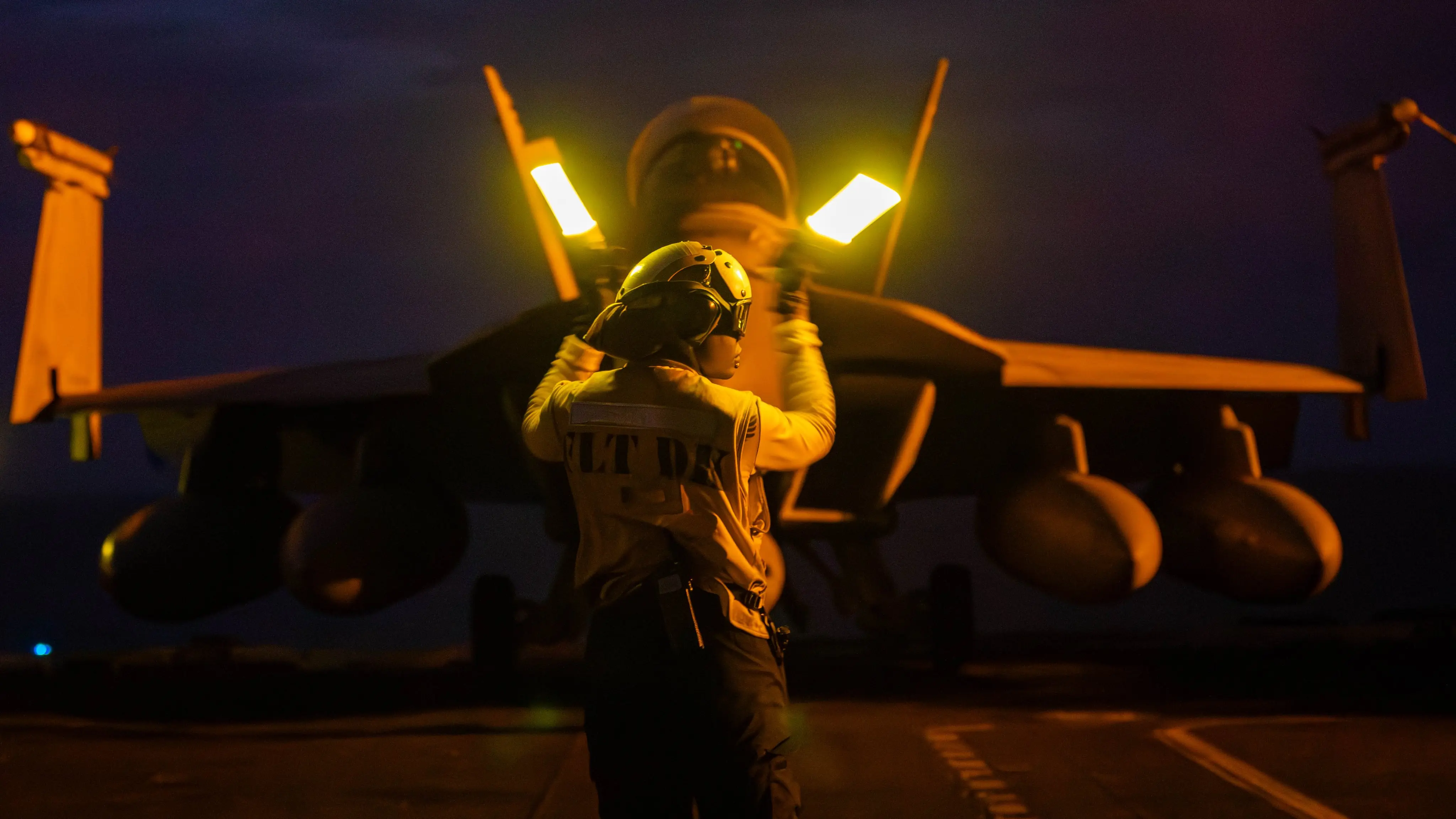
The helicopters don't hunt alone. Surrounding the Lincoln is a protective screen of Arleigh Burke-class guided-missile destroyers. Trailing thousands of feet behind these ships are massive ‘towed arrays’—miles of cables packed with acoustic sensors dragging in the quiet depths. These destroyers act as the massive guard dogs of the strike group, constantly sweeping the ocean for hostile wakes.
The Mark 54 Kinetic Kill
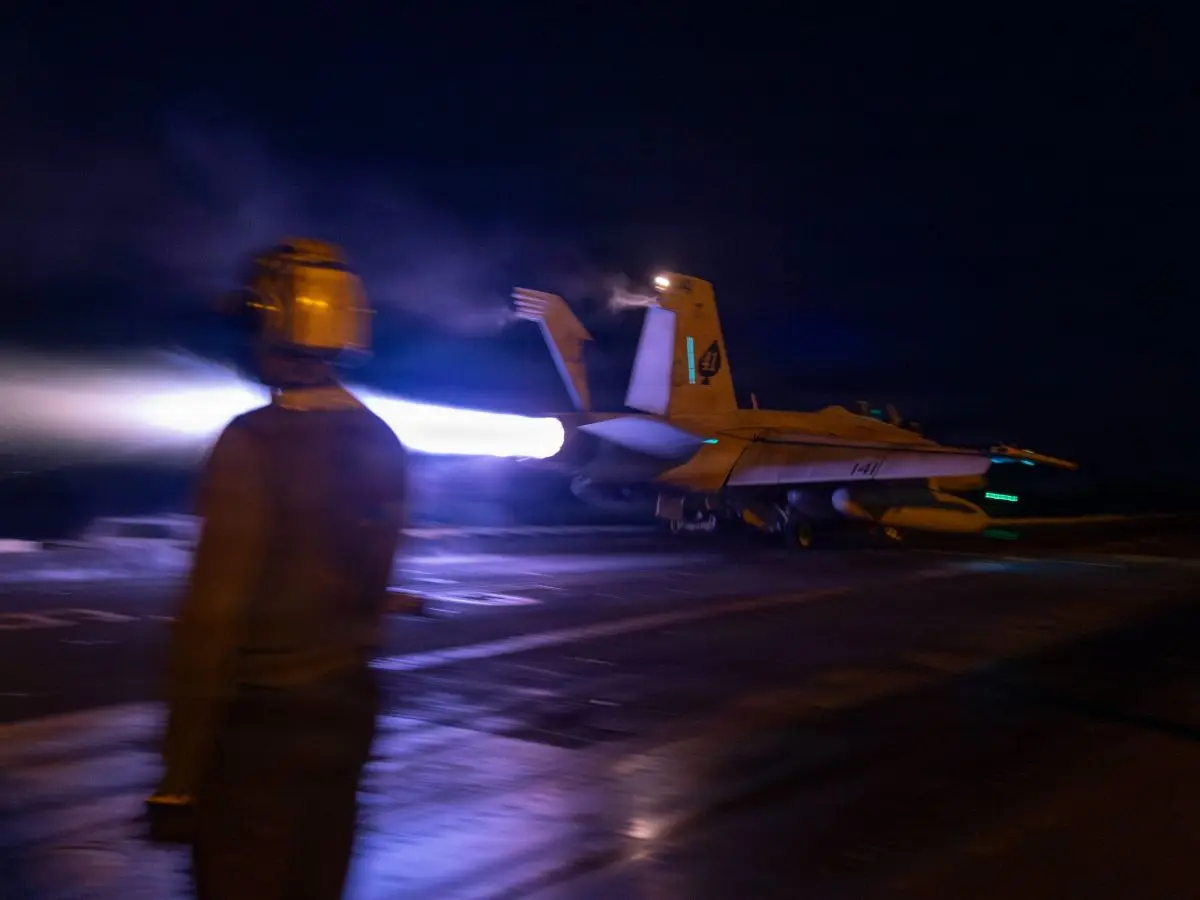
Finding the submarine is only half the battle; neutralizing it is the other. If an enemy attack sub is confirmed to have breached the defensive perimeter with hostile intent, the MH-60R Seahawk transitions from a scout to an executioner. It drops the Mark 54 Lightweight Torpedo, an autonomous, AI-driven kinetic weapon that dives into the darkness, actively tracking and obliterating the target before it can launch its own weapons.
The Ultimate Deep-Water Chess Match
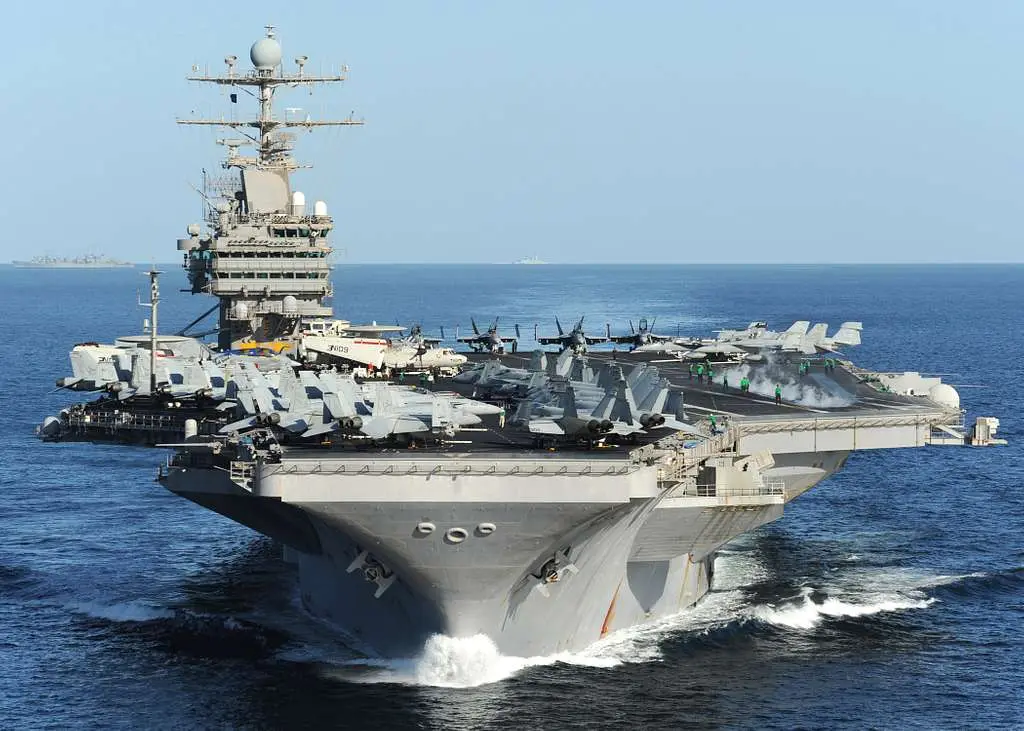
Anti-Submarine Warfare (ASW) is completely invisible to the naked eye. Right now, in the Arabian Sea or the Pacific, the Lincoln's strike group is likely being shadowed by adversarial submarines. It is a terrifying, silent game of cat and mouse where the victor is determined by algorithms, thermal layers, and who blinks first in the crushing darkness of the deep.
)
)

)
)