The strangest places on Earth where gold can be found — Including THIS part of your body

Gold is always imagined as a metal which can only be found or hidden in deep mines or river sediments, but surprisingly, it can appear in the most unexpected places where you couldn't have imagined. Let's have a look at those surprising places where gold can be found.

Human body
Gold is found in the human body, containing approximately 0.2 milligrams, which is dispersed in the blood and plays a significant role in transmitting electrical signals. The metal is specifically found in those cells that regulate joint health and nerve connections. Besides being a symbol of wealth, gold is also an essential element in nature and life.

Seawater
Oceans hold around 20 million tons of dissolved gold, but it’s too diluted for profitable extraction. Despite centuries of attempts to develop recovery methods, costs remain too high. Still, the idea of “liquid gold” in the seas continues to captivate explorers and scientists.

Meteorites
Meteorites deliver gold to Earth, and scientists believe much of our planet’s gold arrived this way billions of years ago. Some asteroids contain vast amounts of precious metals, prompting growing interest in space mining as a potential future resource.
Volcanoes
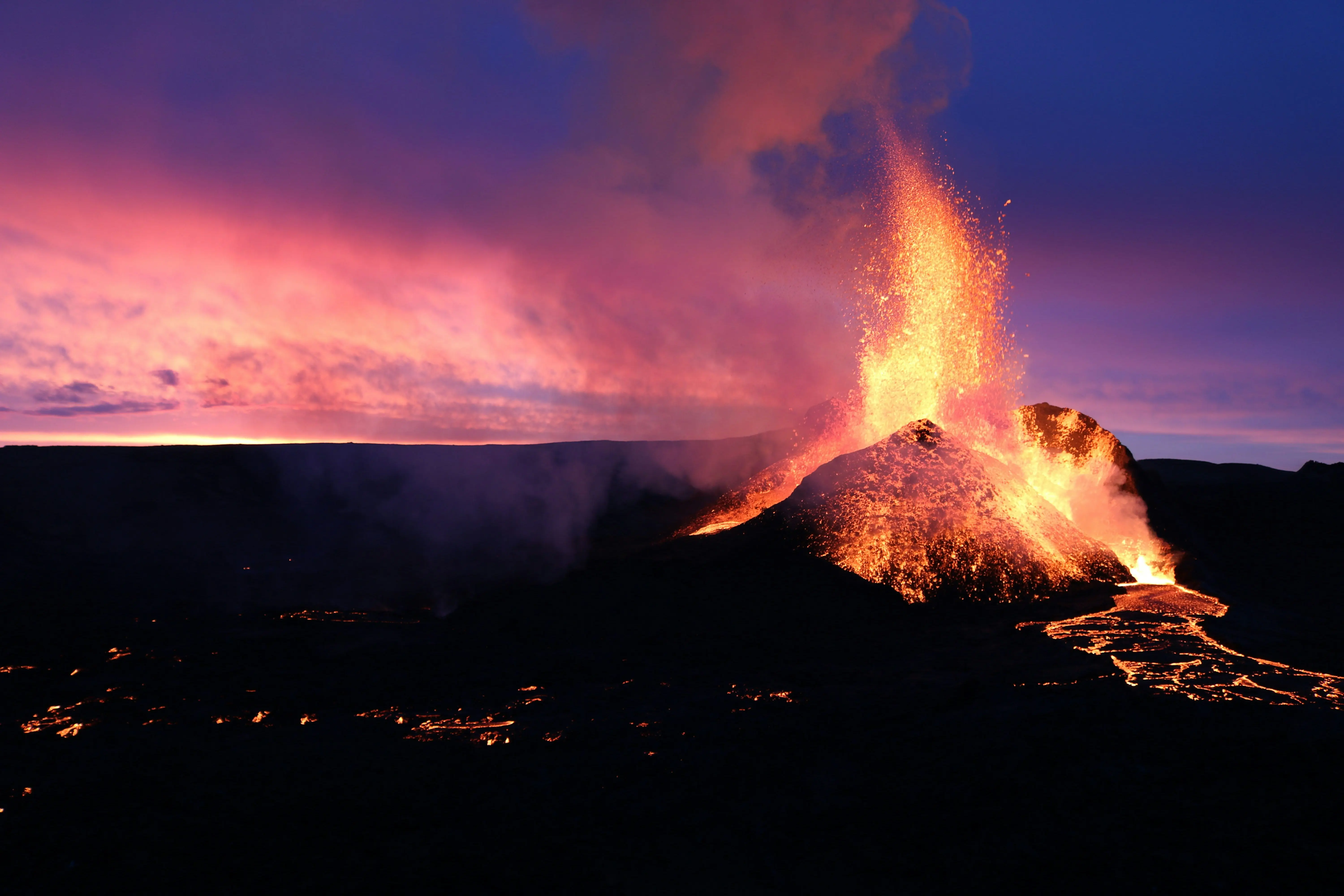
Volcanoes can produce gold in large quantities through geothermal processes. In this process, hot water dissolves metals underground and then precipitates them near the surface, creating gold-rich veins. Countries like New Zealand have long benefited from these volcanic gold sources.
Plants
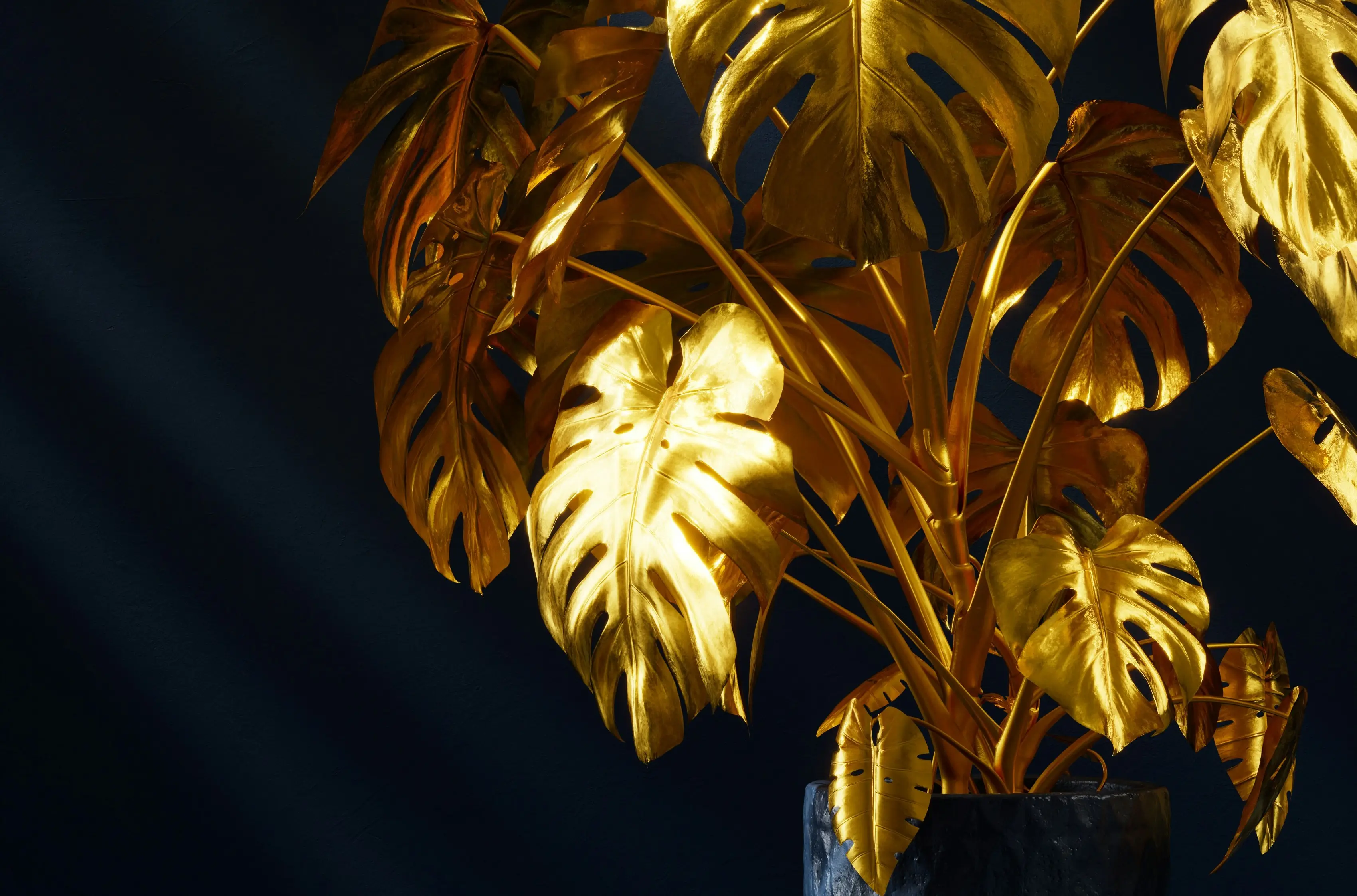
The microscopic particles of gold can be found in plants like eucalyptus and Norway spruce, which absorb it from the soil through their roots. This process, which is not economically significant for large-scale mining, occurs when roots encounter gold-bearing rock and the plant transports tiny gold particles through its vascular system, storing them in the leaves. Recent research even suggests microbes may help transform and lock the gold into nanoparticles within the plant tissue.
)
)
)
)
)