The steepest train climbs ever built and the engineering behind them

The Stoosbahn funicular in Switzerland climbs at a record 110% gradient using tilted cabins. Pilatus Railway uses cogwheels to handle 48% slopes, while the Scenic Railway in Australia climbs almost vertical. Here are some of the world’s steepest railways, from funiculars to rack rail systems.
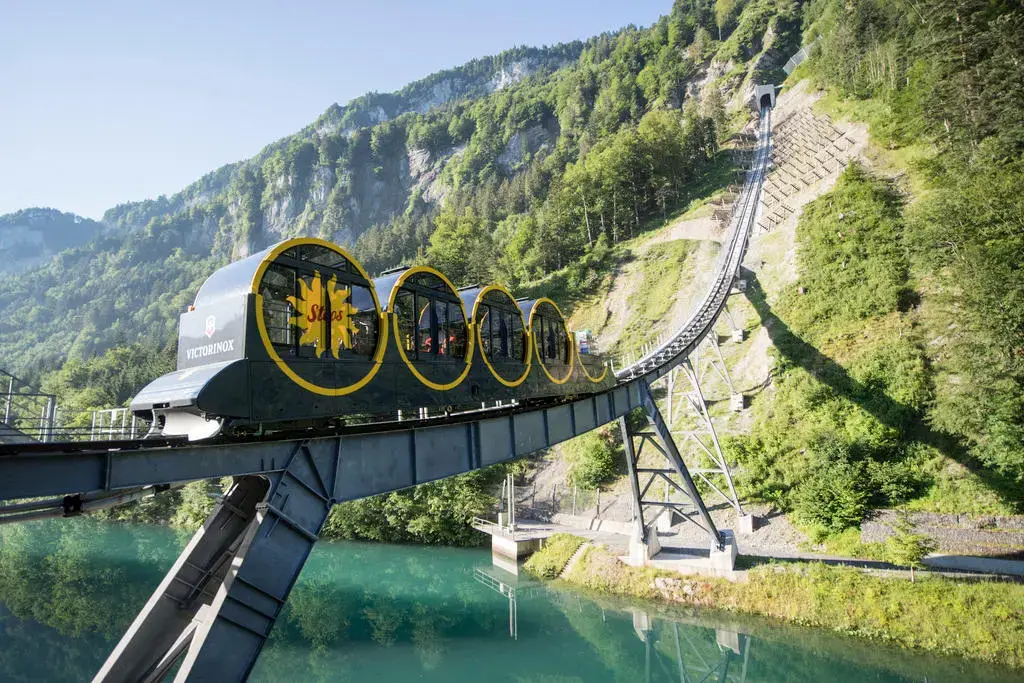
Stoosbahn, Switzerland - The Steepest Funicular
The Stoosbahn is the world’s steepest funicular, climbing at a gradient of 110 per cent (about 48° slope). Special tilted cabins keep passengers level while climbing this extreme incline safely.
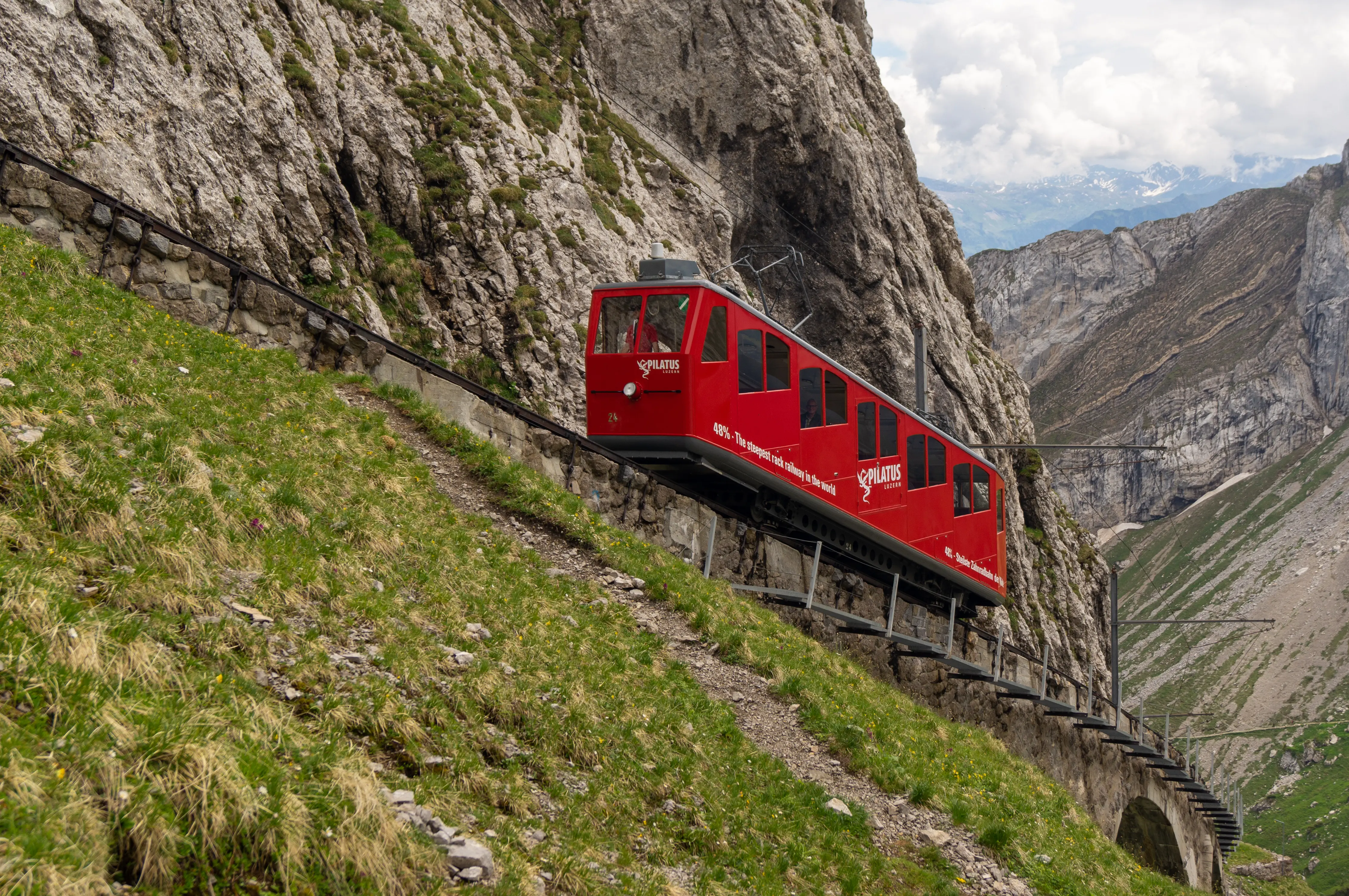
Pilatus Railway, Switzerland - The Steepest Rack Railway
The Pilatus Railway climbs up to 48 per cent gradient using a special cogwheel system. Built in 1889, this railway uses a rack and pinion to grip the track securely and safely handle the steep ascent.
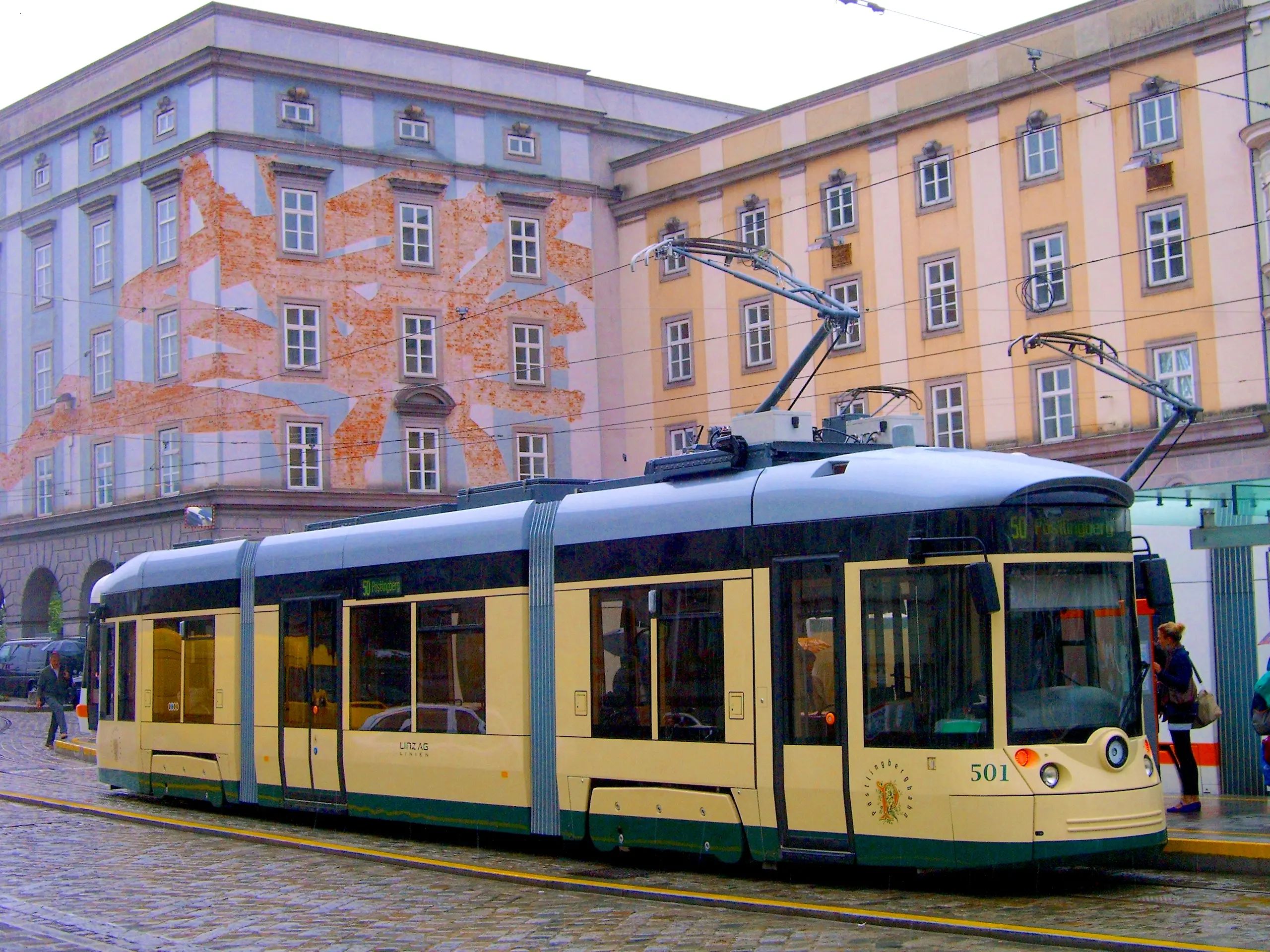
Pöstlingbergbahn, Austria - The Steepest Adhesion Railway
With a maximum grade of 11.6 per cent, this is one of the steepest adhesion (friction-based) railways worldwide. It runs over 4.14 km climbing 255 m and navigates sharp urban curves with electric tram technology.
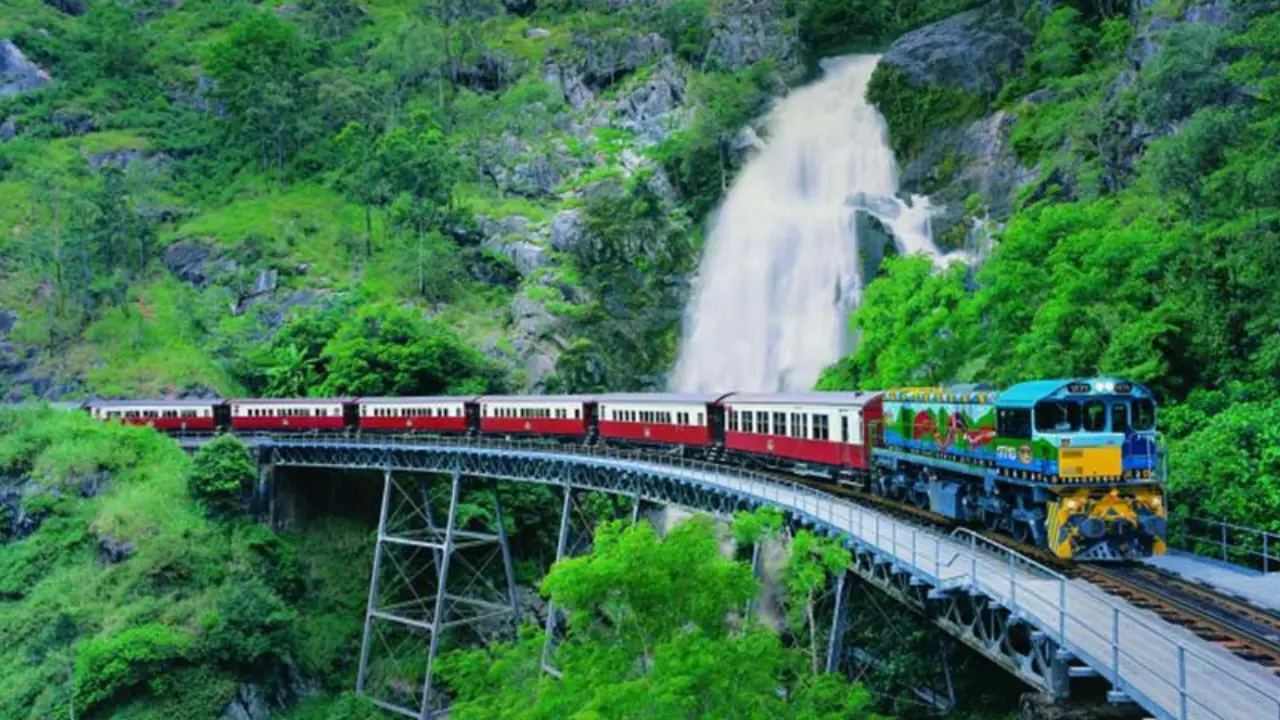
Scenic Railway, Australia - Steepest Passenger Railway
Holding a Guinness World Record, the Scenic Railway climbs at a steep 52° angle (128 per cent gradient) over sandstone cliffs. Originally built for mining, it’s now a thrilling tourist attraction.
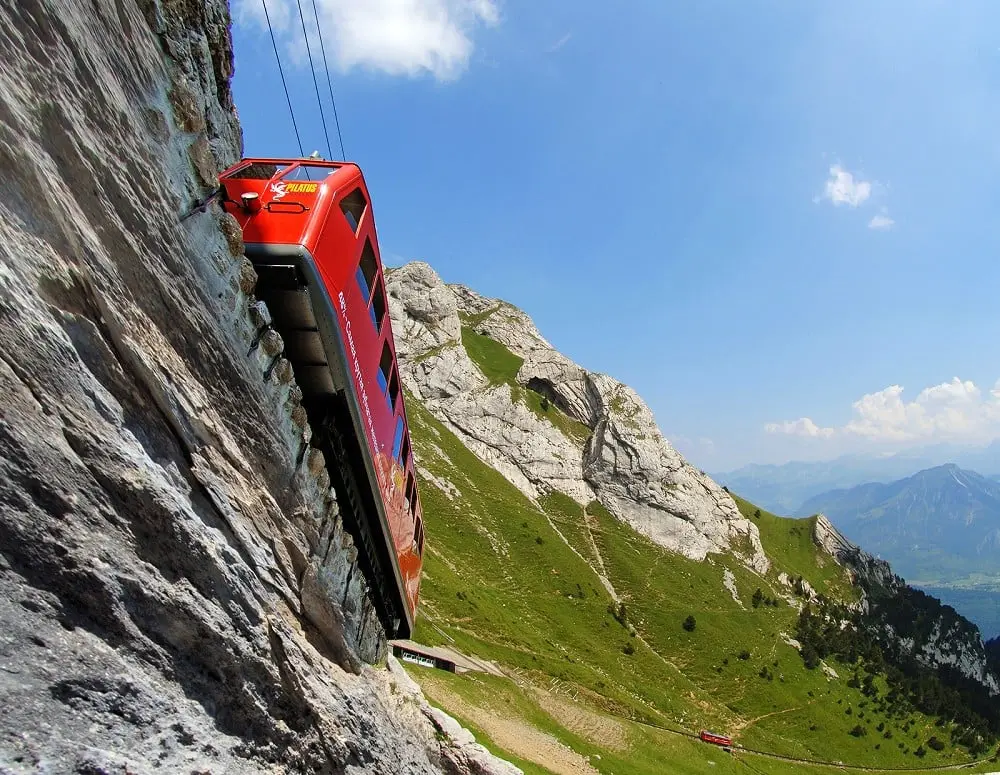
Engineering Challenges on Steep Railways
Steep railways require special track designs like rack rails or cogwheels, reinforced brakes, and tilted passenger cars to maintain safety and comfort on sharp inclines.
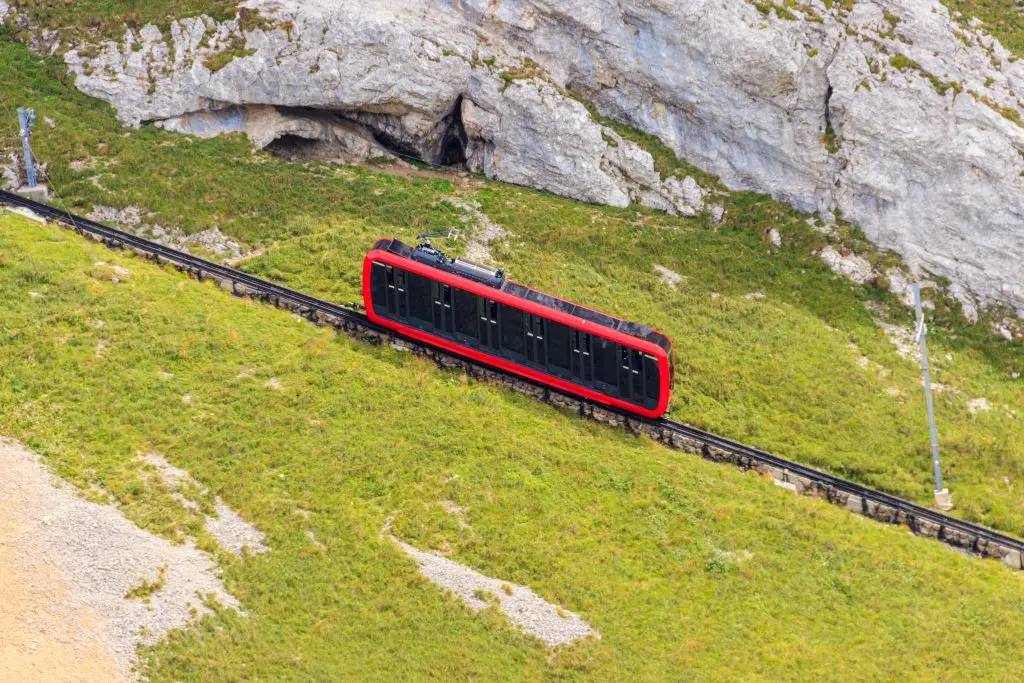
Funicular Systems for Steep Inclines
Funicular railways like Stoosbahn use counterbalanced cars linked by cables. As one car ascends, the other descends, reducing energy needed for steep climbs efficiently.
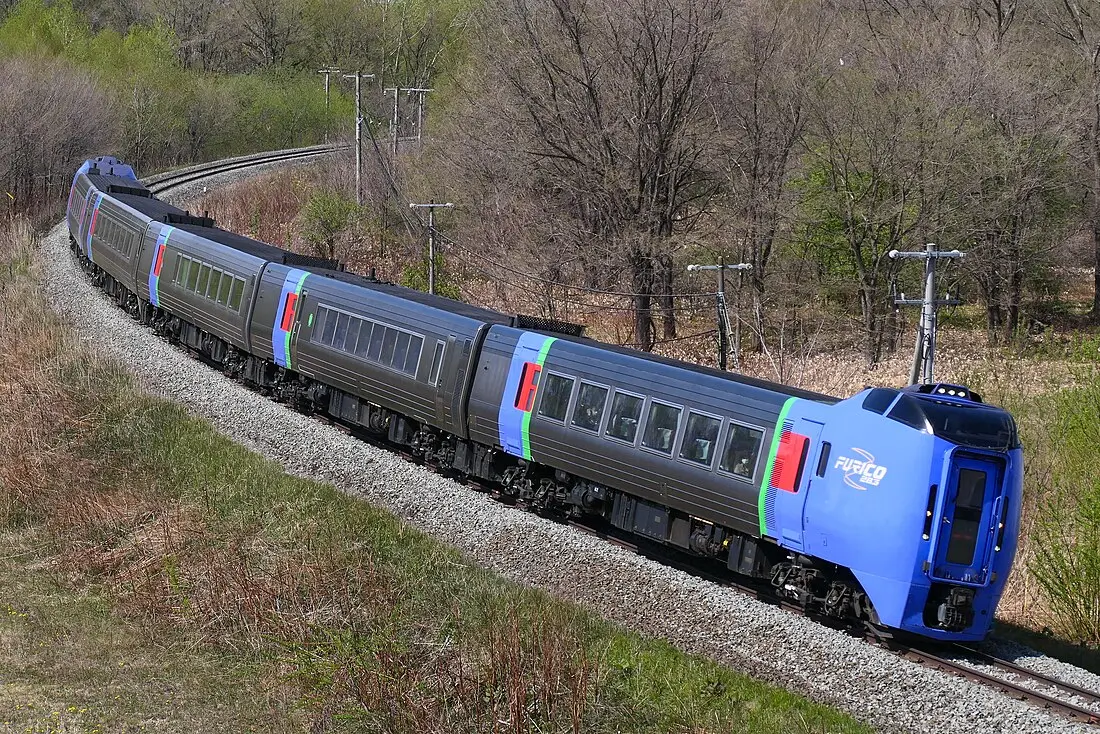
The Role of Tilted Cars
Cabins in steep funiculars tilt mechanically, keeping passengers level even on sharp slopes. This invention allows safe and comfortable rides on inclines far beyond normal railway limits.
)
)
)
)
)