The Solar system’s 6 weirdest moons: Facts that will blow your mind

From moons with chaotic orbits to those with extreme geological features, these celestial bodies offer a glimpse into the diverse and often bizarre nature of our cosmic neighbourhood.
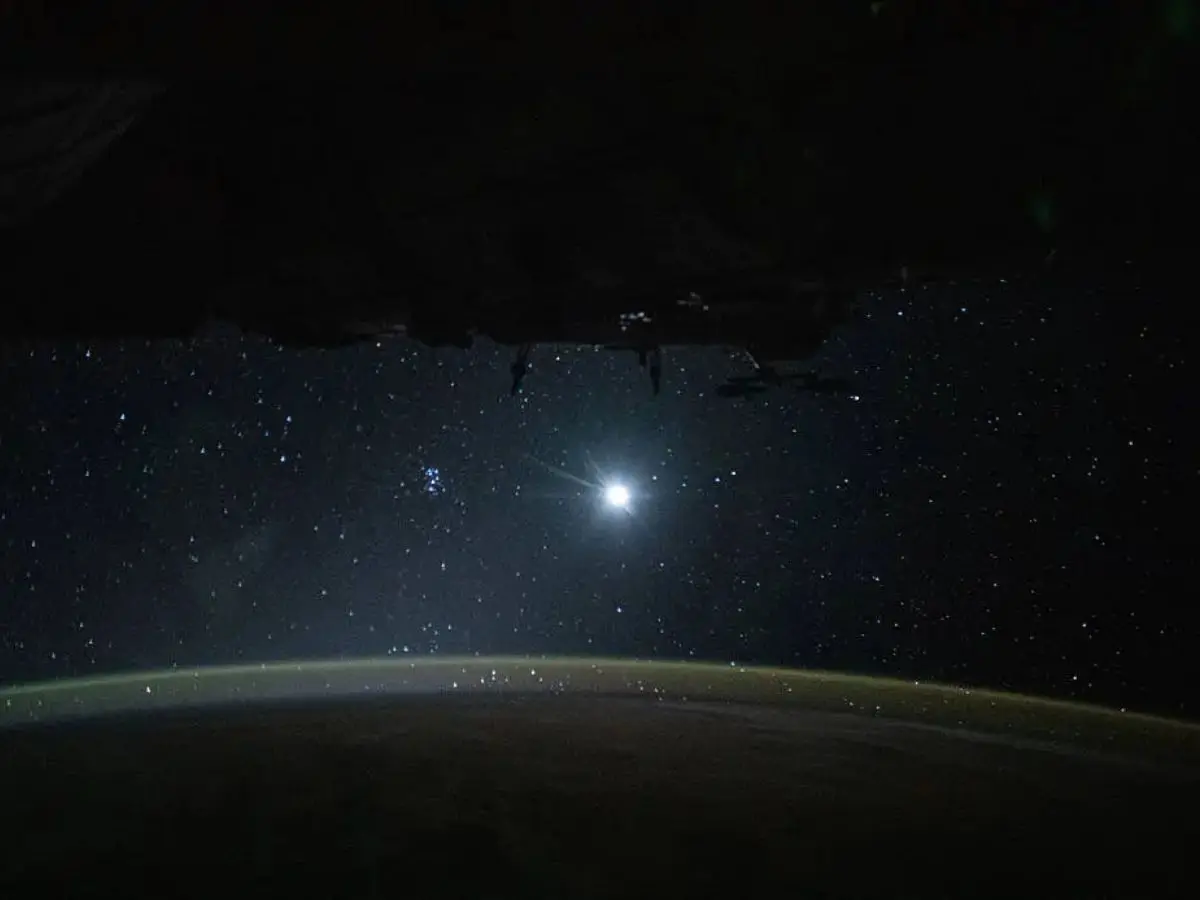
Introduction
Our solar system is home to an array of moons that defy imagination. From moons with chaotic orbits to those with extreme geological features, these celestial bodies offer a glimpse into the diverse and often bizarre nature of our cosmic neighbourhood. Here are six of the most peculiar moons that continue to intrigue scientists and stargazers alike.
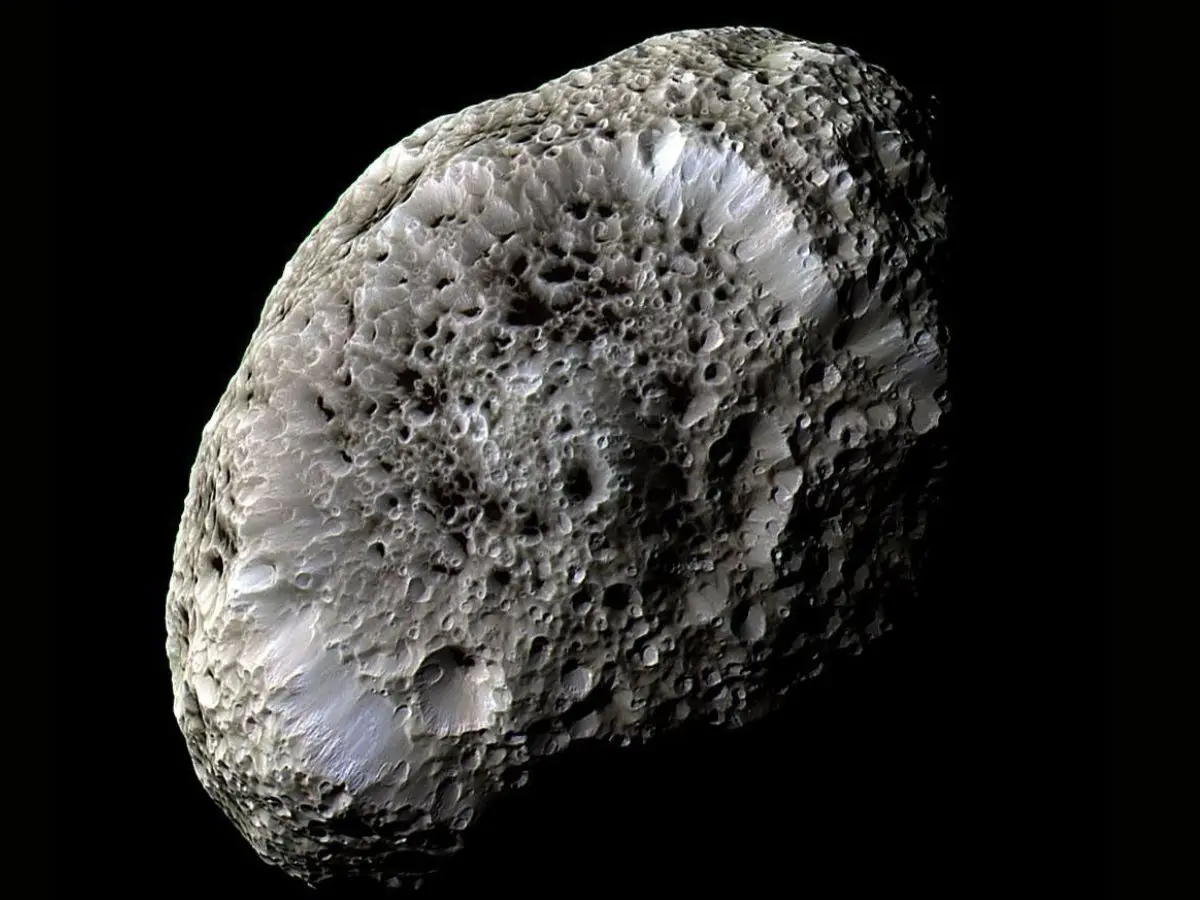
1. Hyperion: The Sponge Moon
Hyperion, one of Saturn's moons, is renowned for its spongy appearance and chaotic rotation. Unlike most moons, Hyperion doesn't rotate in a consistent manner. Its irregular shape and low density suggest that it is composed largely of water ice and porous material. This unique structure leads to its erratic spinning, making it one of the most unusual moons in the solar system.
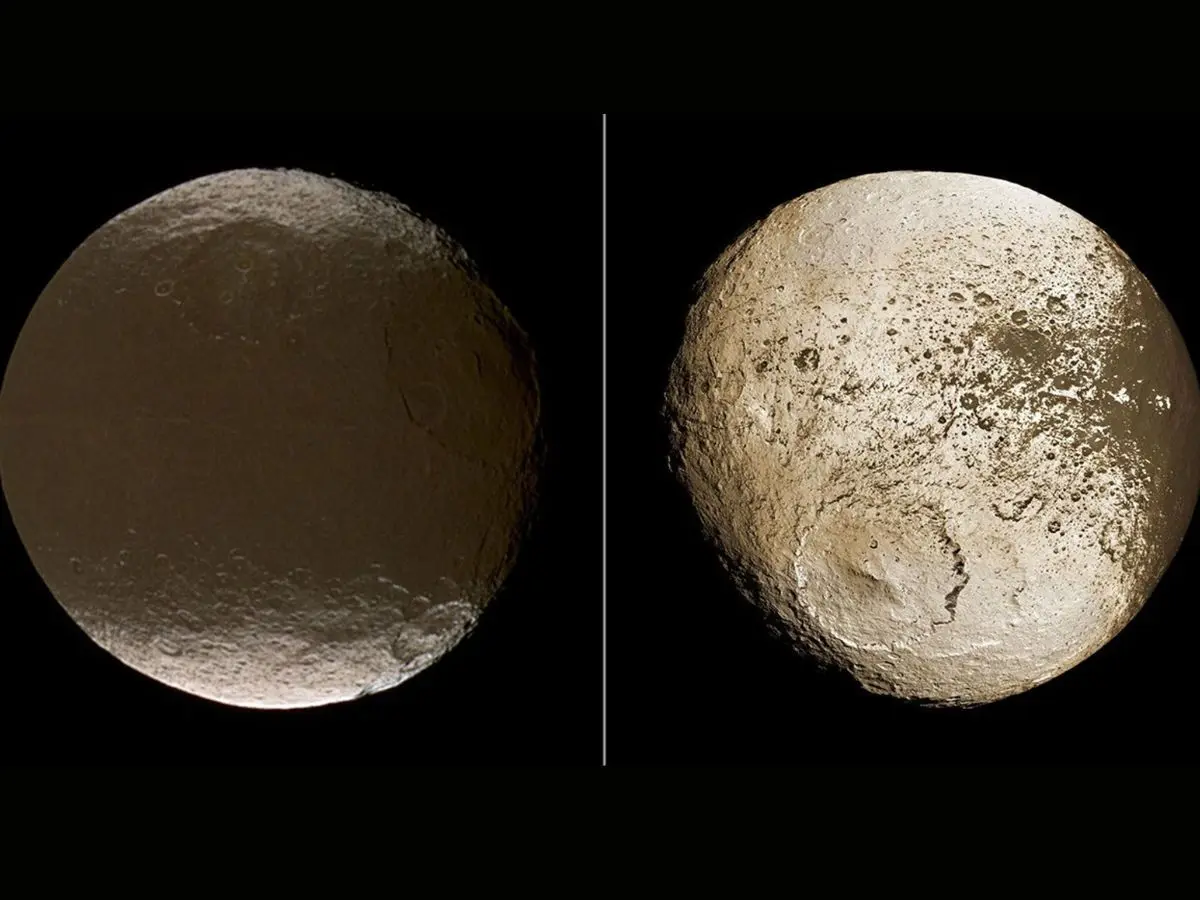
2. Iapetus: The Two-Toned Moon
Another of Saturn's moons, Iapetus, is distinguished by its stark two-tone coloration. One hemisphere is dark as coal, while the other is bright white. This dramatic contrast has puzzled scientists, with theories ranging from the accumulation of dark material on one side to the reflective ice on the other. Additionally, Iapetus features a massive equatorial ridge, giving it a walnut-like appearance.
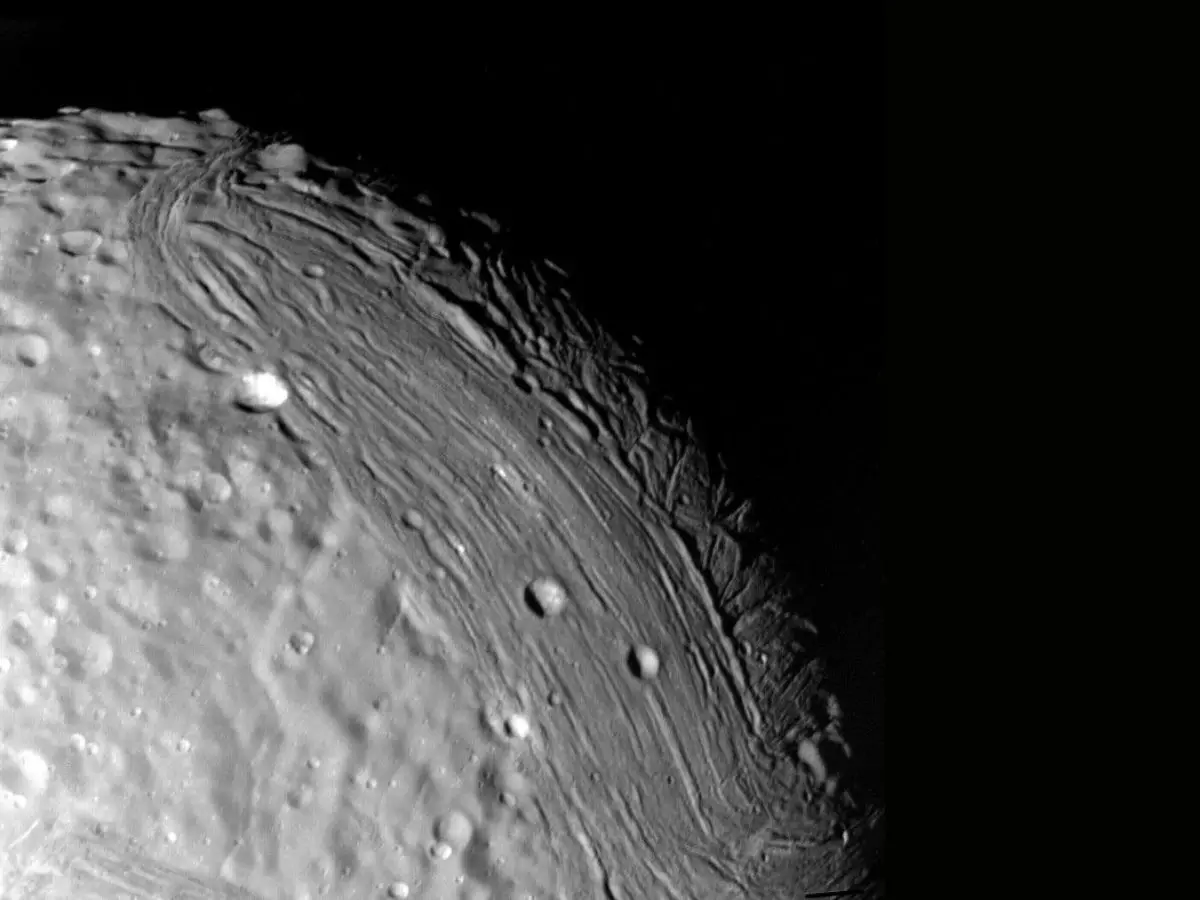
3. Miranda: The Patchwork Moon
Uranus's moon Miranda presents a bizarre landscape that appears to be a patchwork of different terrains. Images from the Voyager 2 spacecraft revealed cliffs as high as 20 kilometres, large canyons, and regions with varying ages and surface features. This mosaic of geological formations suggests that Miranda has experienced significant internal upheaval.
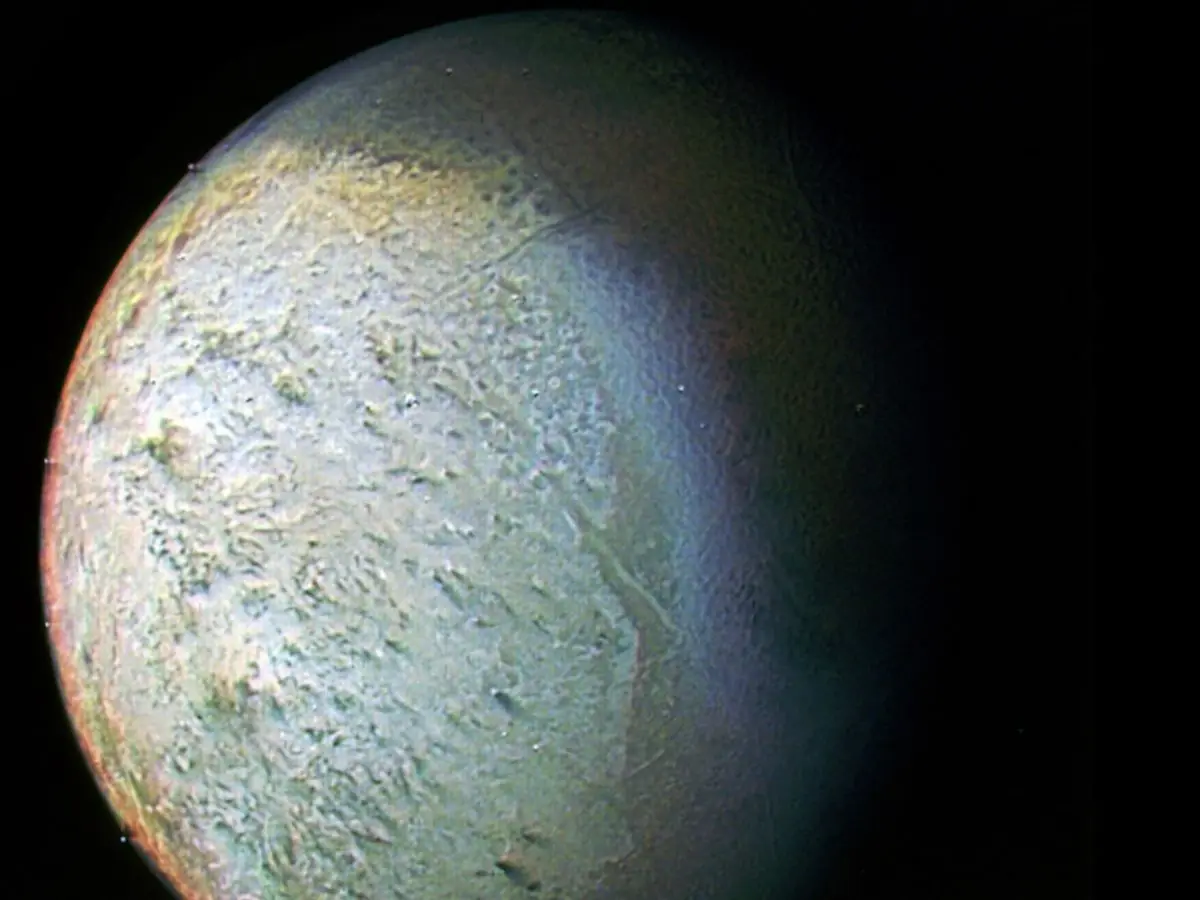
4. Triton: The Retrograde Satellite
Triton, Neptune's largest moon, is unique due to its retrograde orbit, meaning it orbits Neptune in the opposite direction to the planet's rotation. This unusual motion suggests that Triton was likely captured by Neptune's gravity rather than forming in place. Its surface is geologically active, with geysers erupting nitrogen gas into space, adding to its mystique.
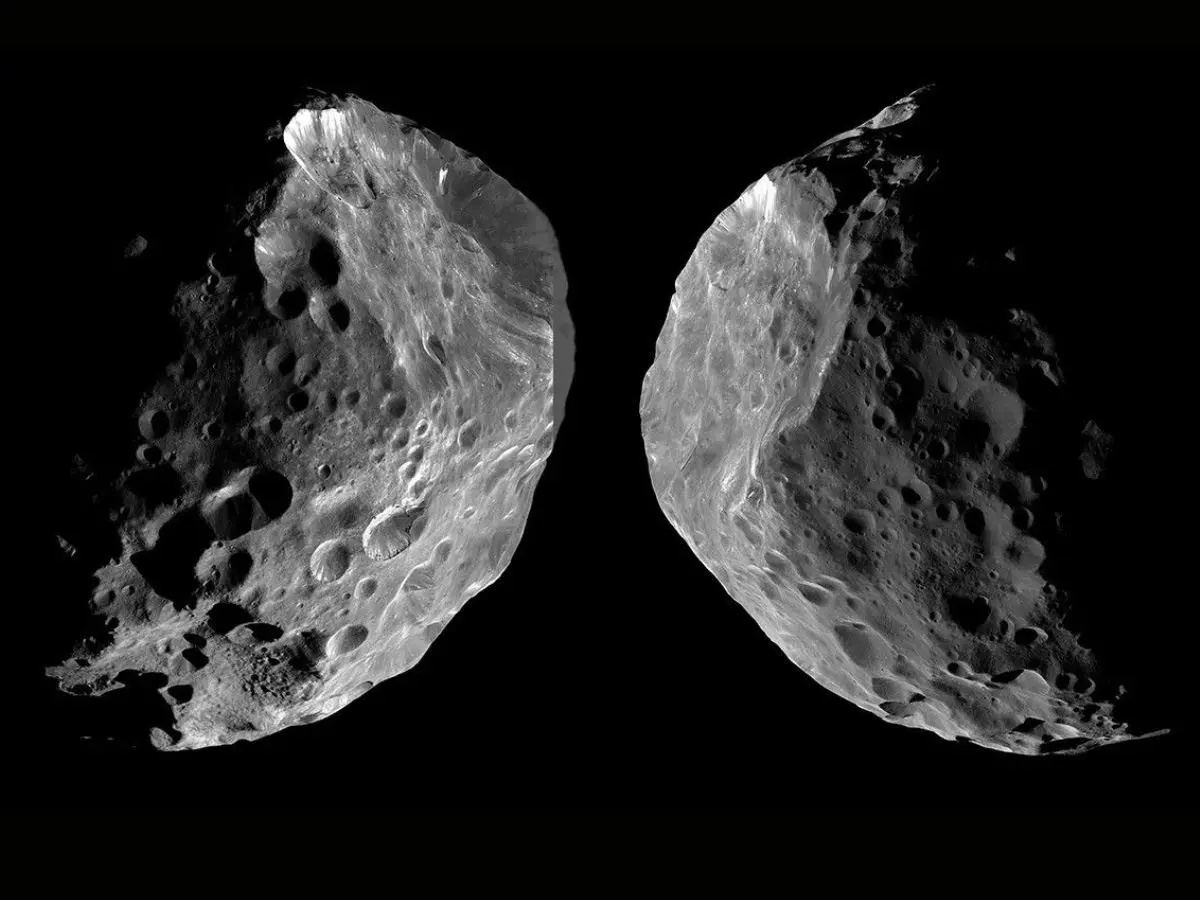
5. Phoebe: The Captured Moon
Saturn's moon Phoebe is thought to be a captured object from the Kuiper Belt, a region beyond Neptune filled with icy bodies. Its irregular orbit and composition, rich in carbonaceous material, support this theory. Phoebe's dark surface and retrograde orbit further distinguish it from Saturn's other moons, making it a subject of ongoing study.
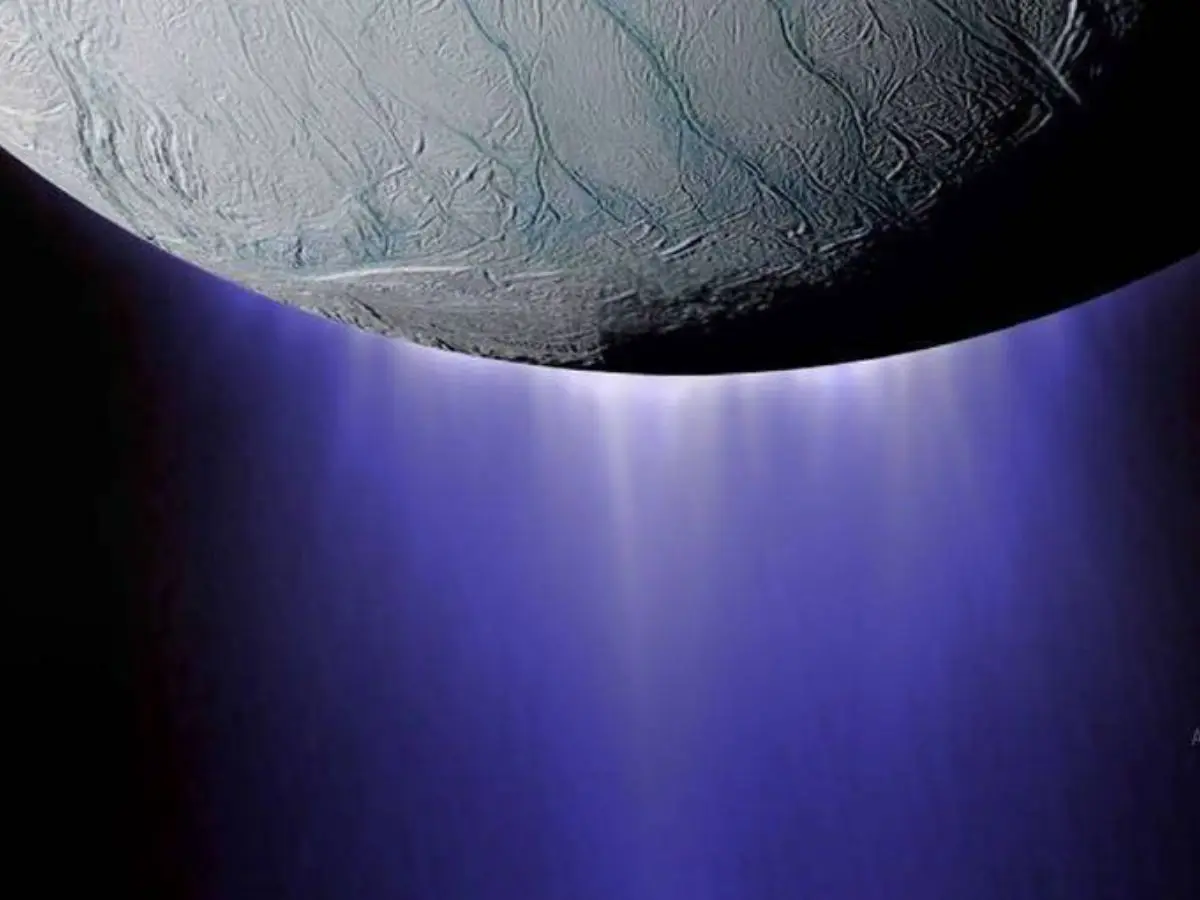
6. Enceladus: The Water World
Enceladus, another of Saturn's moons, has garnered attention due to its subsurface ocean beneath an icy crust. Plumes of water vapour and organic compounds erupt from its south pole, indicating hydrothermal activity beneath the surface. These findings make Enceladus one of the most promising places to search for signs of extraterrestrial life.
)
)
)
)
)