The ‘soft kill’ option?: Why the US might not need missiles to stop Iran’s Bavar-373

The US may use ‘soft kill’ tactics like electronic jamming and cyberattacks to neutralise Iran’s Bavar-373 air defence system. This approach avoids physical destruction while effectively blinding radars and disabling missiles using advanced tech like the EA-18G Growler.
Iran’s formidable shield
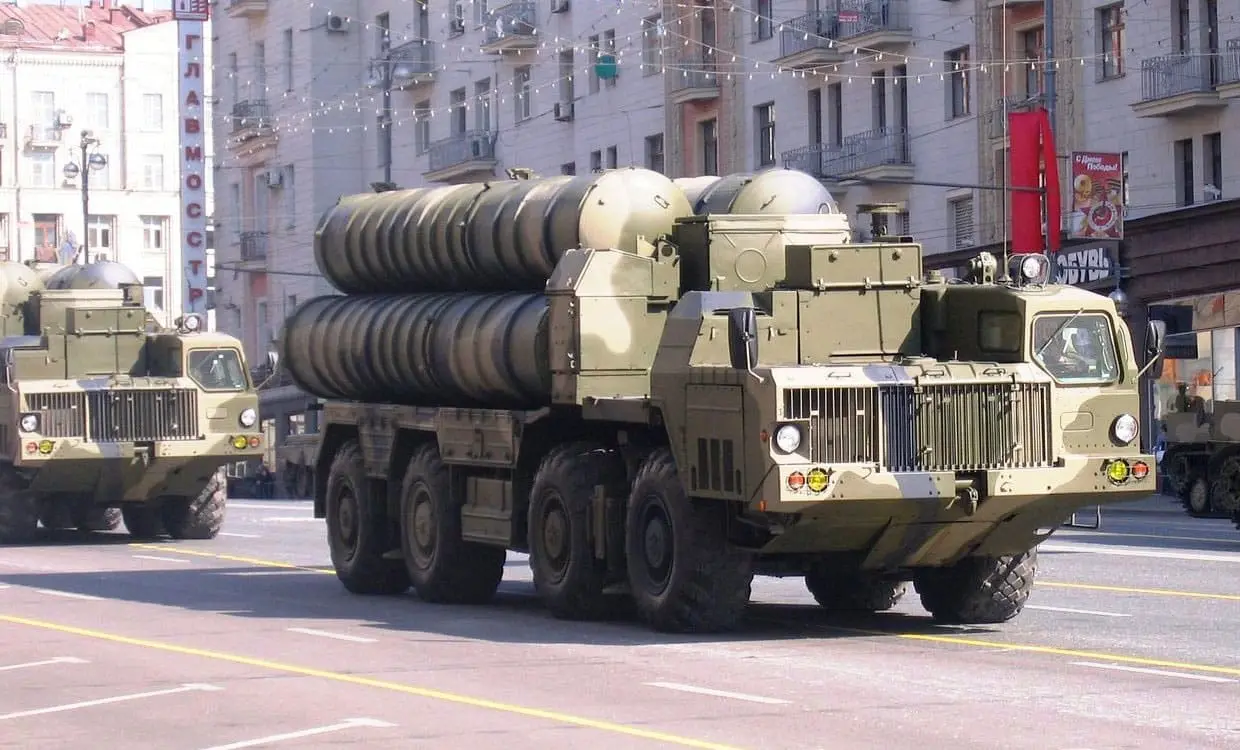
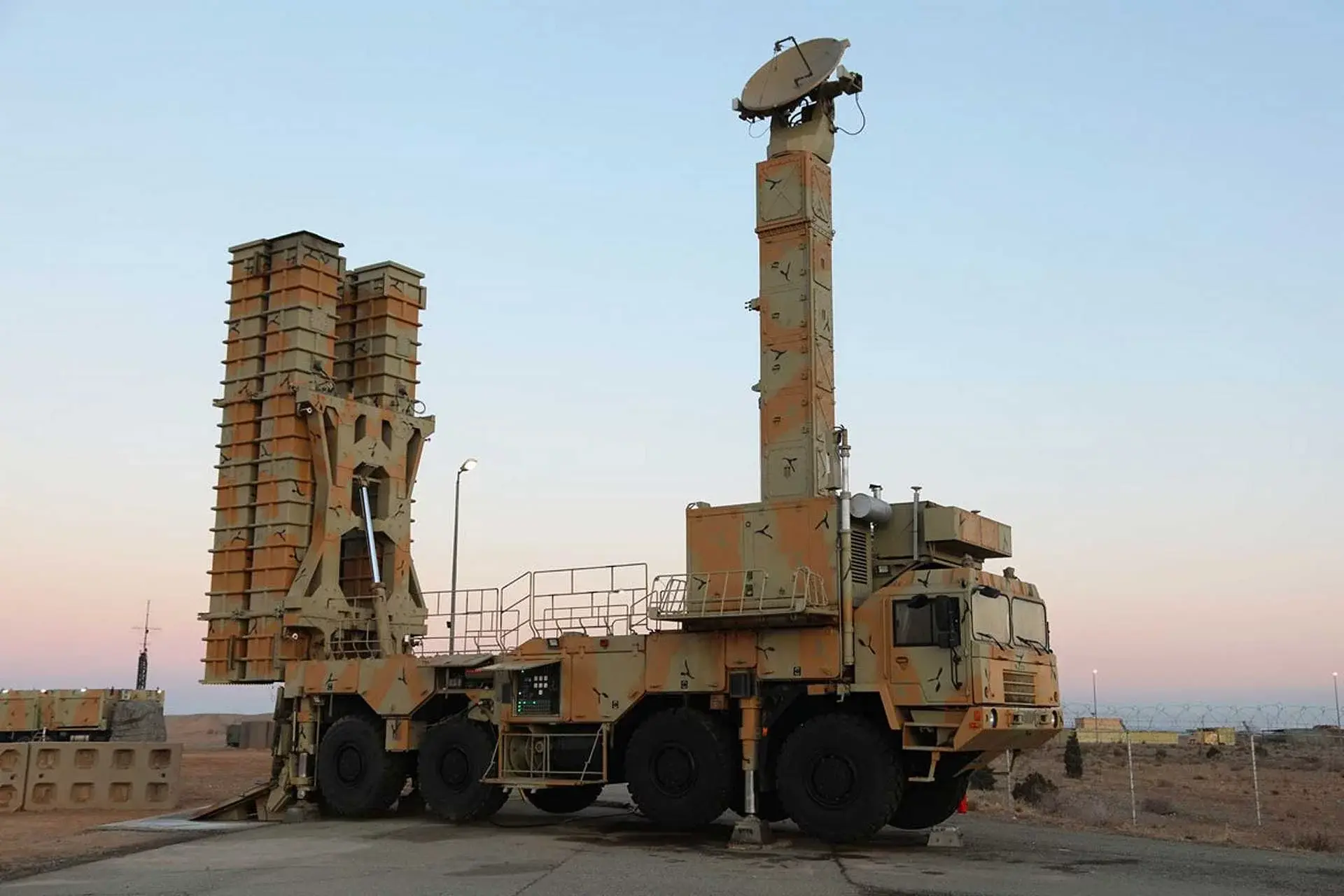
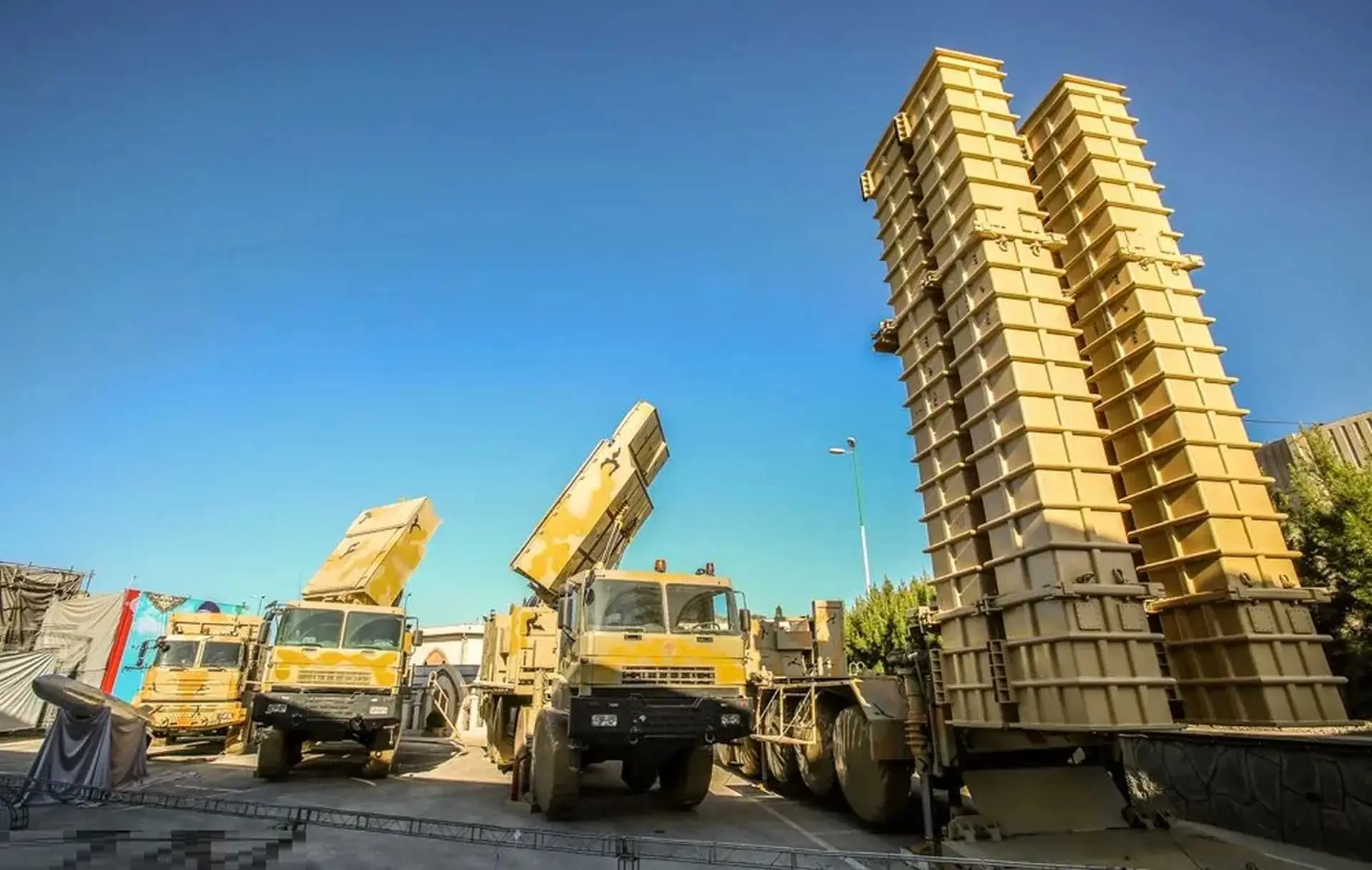
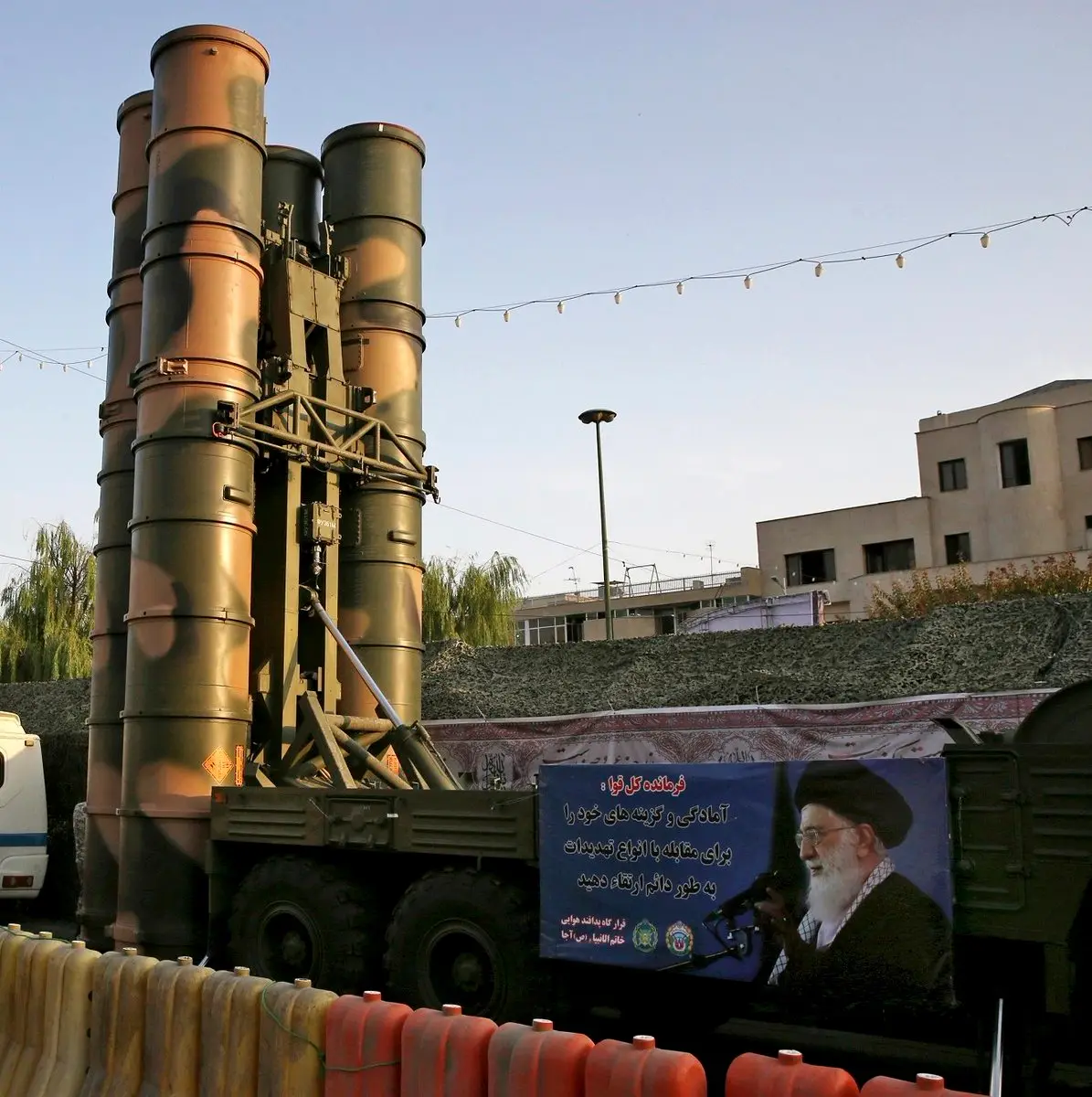
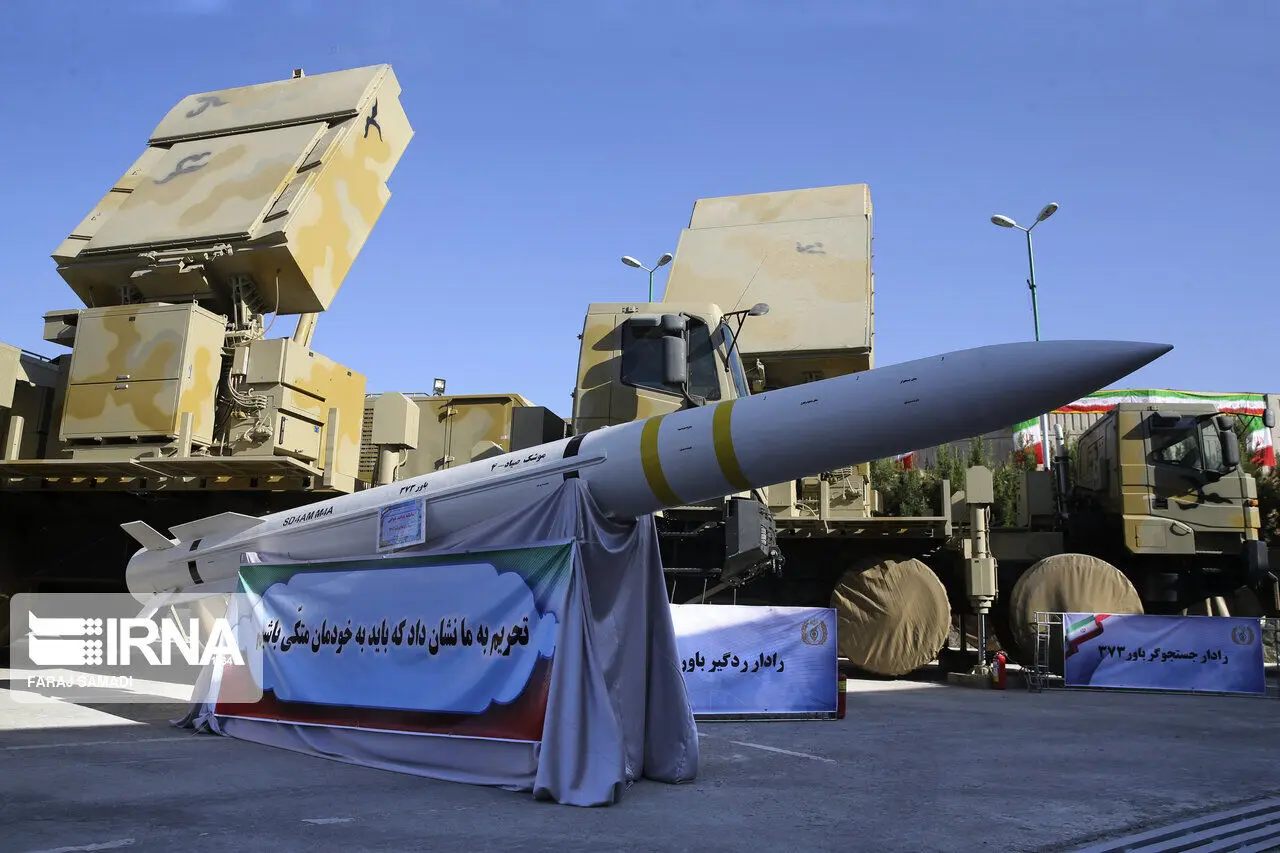
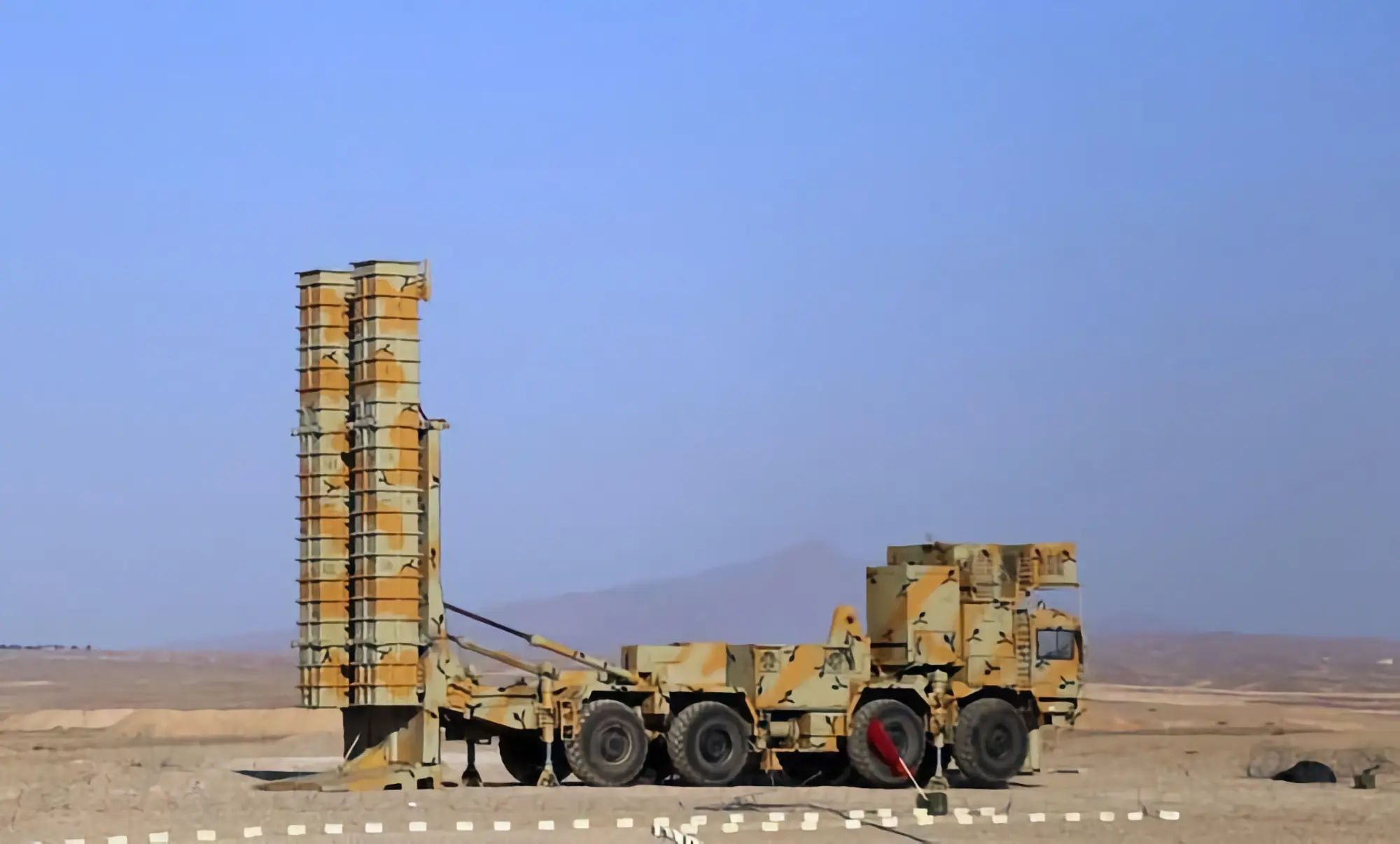
Tehran touts the Bavar-373 as a domestic rival to Russia’s S-300 and S-400 systems. It reportedly uses the Sayyad-4 missile and advanced phased-array radars to track targets up to 320 kilometres away. This long range makes it a serious threat to any aircraft attempting to enter Iranian airspace.
What is a ‘soft kill’?
A ‘soft kill’ neutralises a target without physically destroying it with explosives. Instead of hitting a radar truck with a bomb, forces use electromagnetic energy to disrupt its electronics. This approach aims to leave the hardware intact but functionally useless during a conflict.
The US Navy’s ace
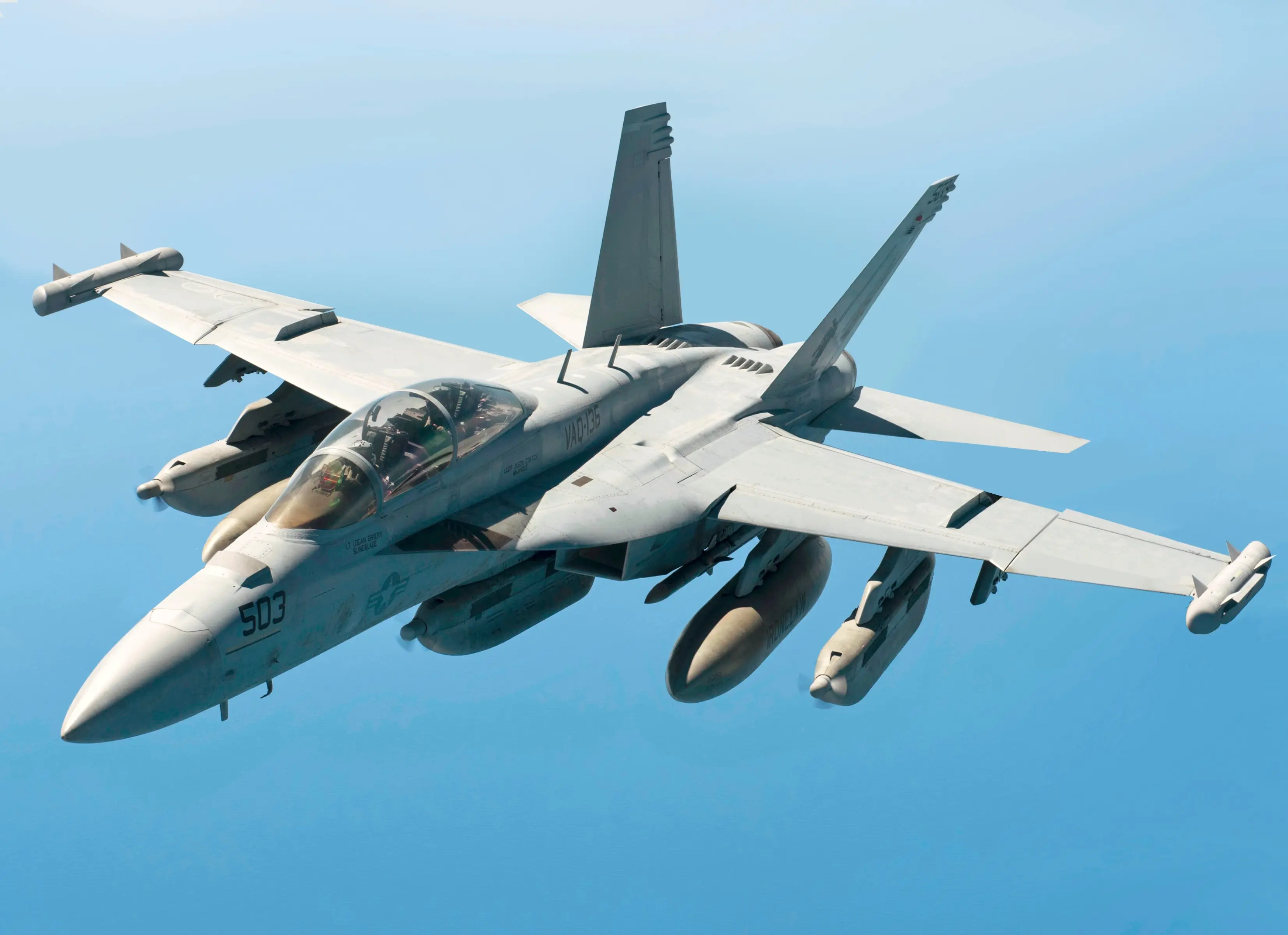
The primary tool for this job is the EA-18G Growler, a specialised electronic attack aircraft. Unlike fighter jets designed to drop bombs, the Growler carries high-tech jamming pods. These pods can blast enemy receivers with noise, effectively blinding them to incoming threats.
Blinding the radar
The Bavar-373 relies entirely on its radar to guide missiles. US forces can direct concentrated beams of energy at these sensors, creating a ‘whiteout’ effect on operator screens. If the fire-control radar cannot lock onto a target, the powerful missiles sitting on the launch rails become useless.
Phantom fleets
The US can deploy the Miniature Air-Launched Decoy (MALD). These small, drone-like missiles mimic the radar signature of fighter jets. By flooding the sky with dozens of these ‘ghosts’, the US can trick Iranian operators into firing their limited supply of missiles at empty air.
The cyber dimension
Modern air defences are digital networks linking radars, command centres, and launchers. ‘Soft kill’ options include cyber-attacks that inject malicious code into these systems. This could freeze command screens or feed false data to commanders, causing total paralysis of the defence grid.
Intelligence value
Using ‘soft kill’ tactics allows the US to listen to and analyse the Bavar-373’s signals rather than just silencing them. Destroying a radar provides safety, but jamming it provides data. This intelligence helps update American threat libraries for future engagements.

Avoiding escalation
Kinetic strikes that kill personnel and destroy infrastructure often lead to full-scale war. Electronic attacks are less provocative and can be reversible. This gives US decision-makers a way to suppress defences for a specific mission without necessarily starting a wider, bloodier conflict.

Is Bavar jam-proof?
Iranian officials claim the Bavar-373 has advanced anti-jamming protocols and can hop frequencies to evade electronic attacks. However, similar claims were made about Russian systems that have struggled against Western electronic warfare in recent conflicts.

The future of combat
The potential standoff over the Bavar-373 highlights a shift in modern warfare. Victory may no longer depend on who has the biggest explosions, but on who controls the electromagnetic spectrum. In this silent battle, a computer code or a jamming signal might be deadlier than a missile.
)

)
)
)