'The silent crisis': How Indian oil companies are bleeding to keep your petrol cheap

While global oil prices skyrocket due to the US-Iran war, Indian consumers haven't seen a massive price hike at the pump. But behind the scenes, state-run Oil Marketing Companies (OMCs) are bleeding money to insulate the public from the crisis.
The Illusion of Cheap Petrol
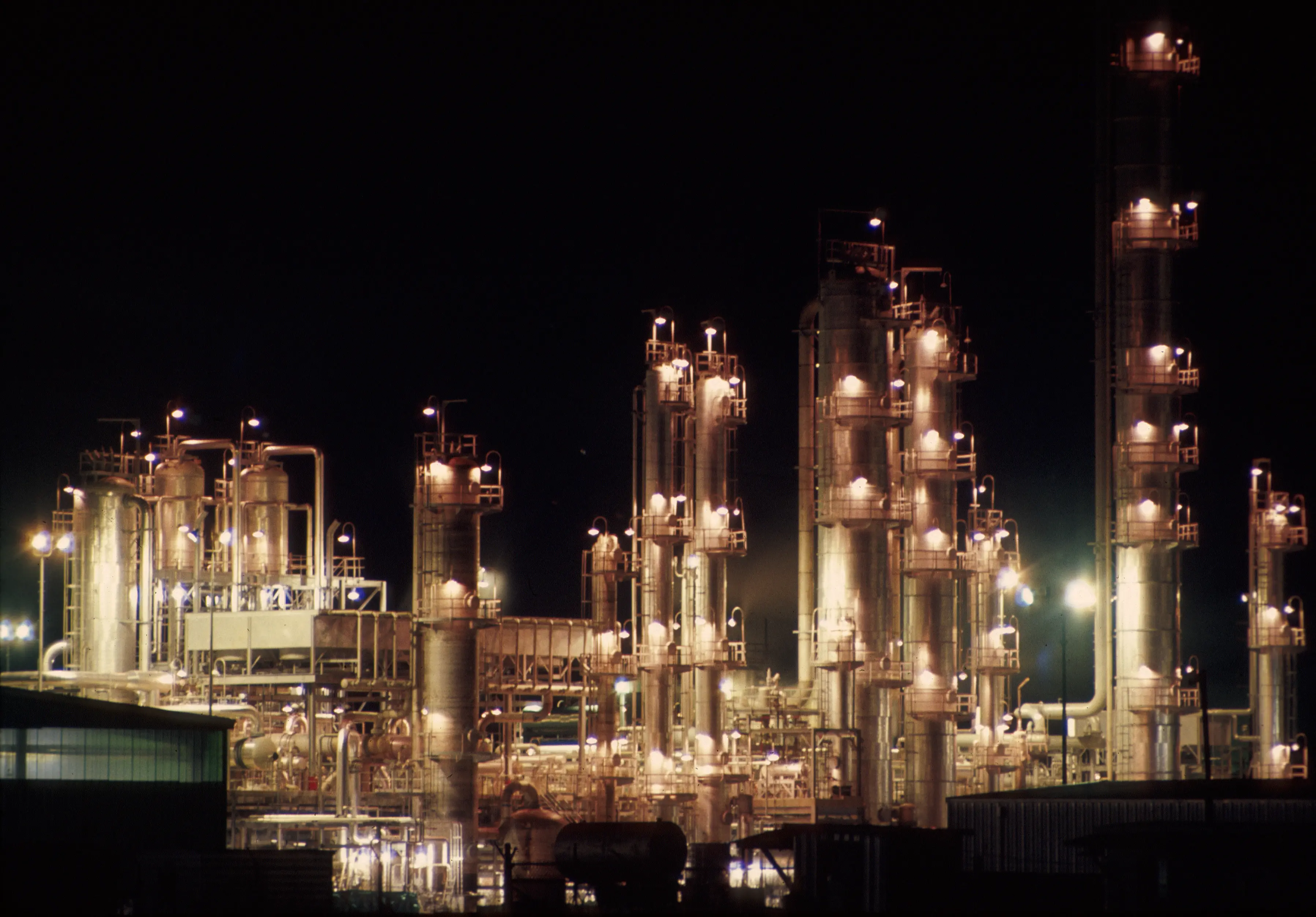
If you look at the price of petrol in India right now, you might assume the global energy market is stable. It isn't. The ongoing US-Iran war has caused a massive spike in international crude oil prices, yet domestic pump prices remain artificially frozen.
Who is Paying the Difference?
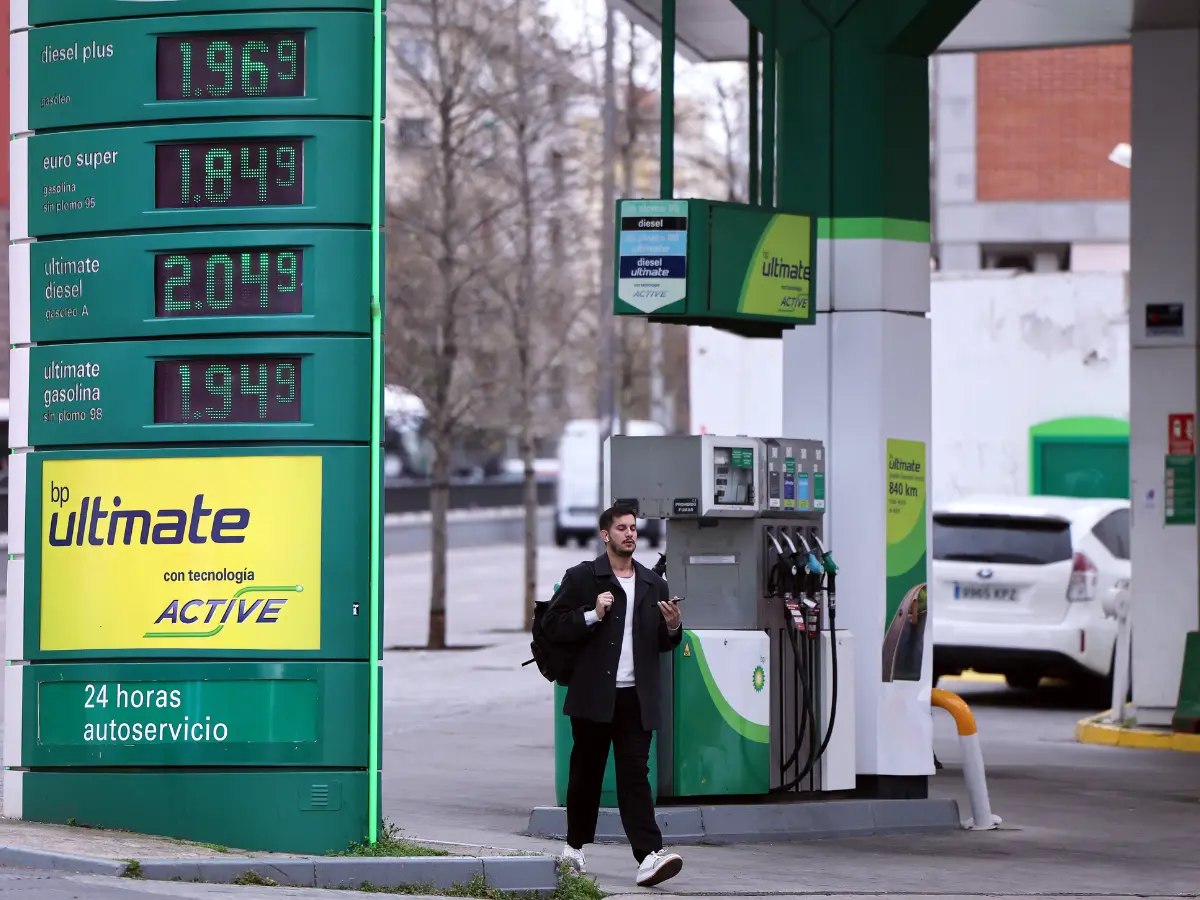
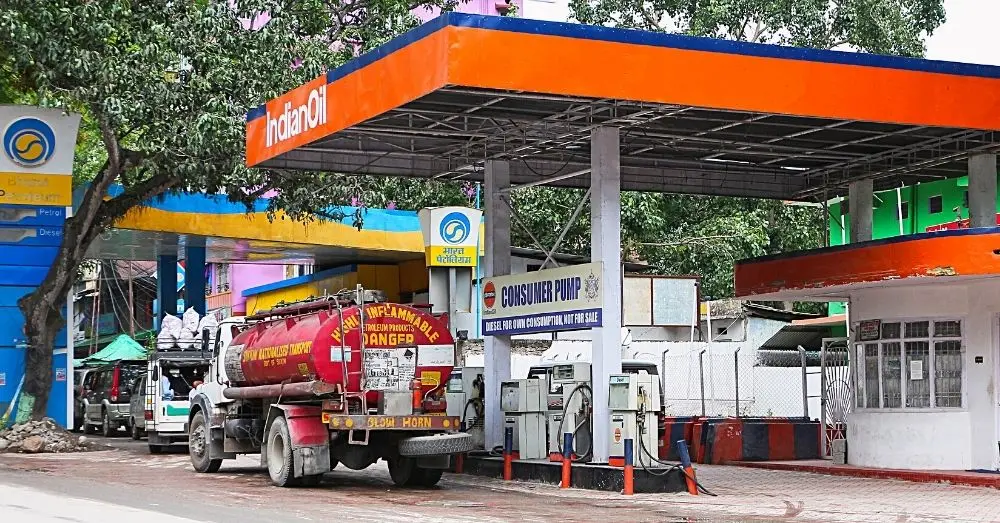
The difference between the soaring international cost and the frozen domestic price doesn't just vanish. It is being entirely absorbed by India's state-run Oil Marketing Companies (OMCs) and the central government, creating a massive, silent financial crisis.
The Daily Bleed
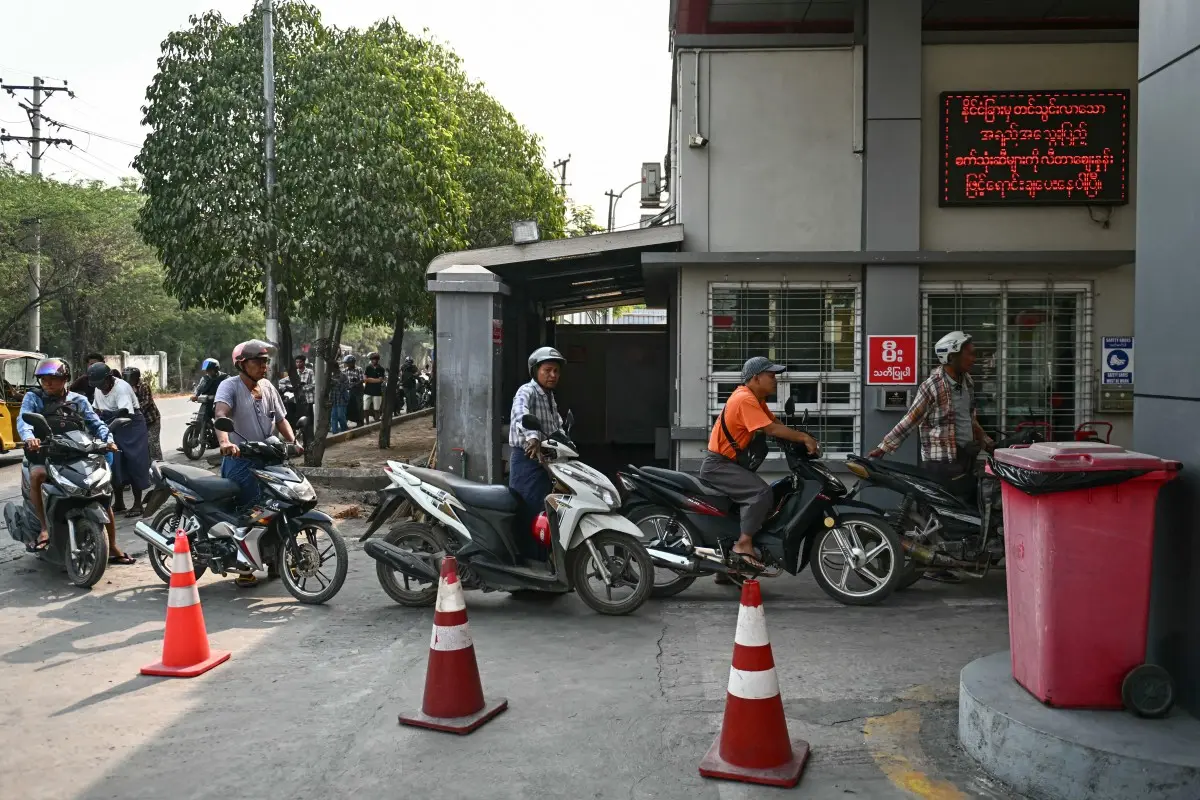
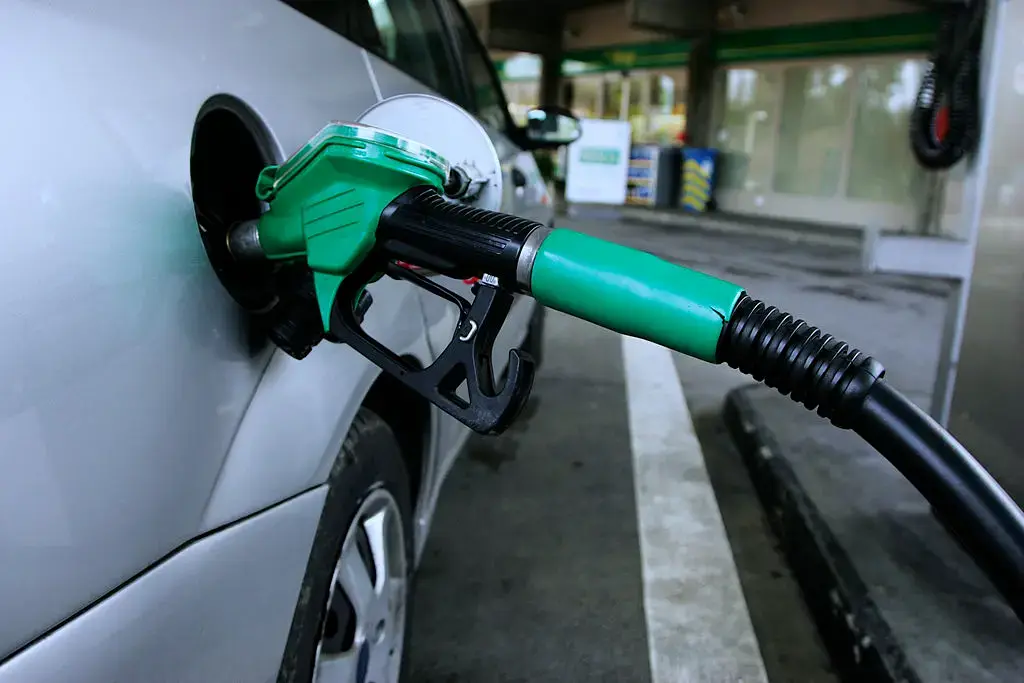
To insulate the common man from the reality of the West Asian war, these OMCs are bleeding heavily. They are selling petrol and diesel at significant daily losses, rapidly eroding their profit margins and creating unsustainable under-recoveries.
The Drain on Foreign Exchange
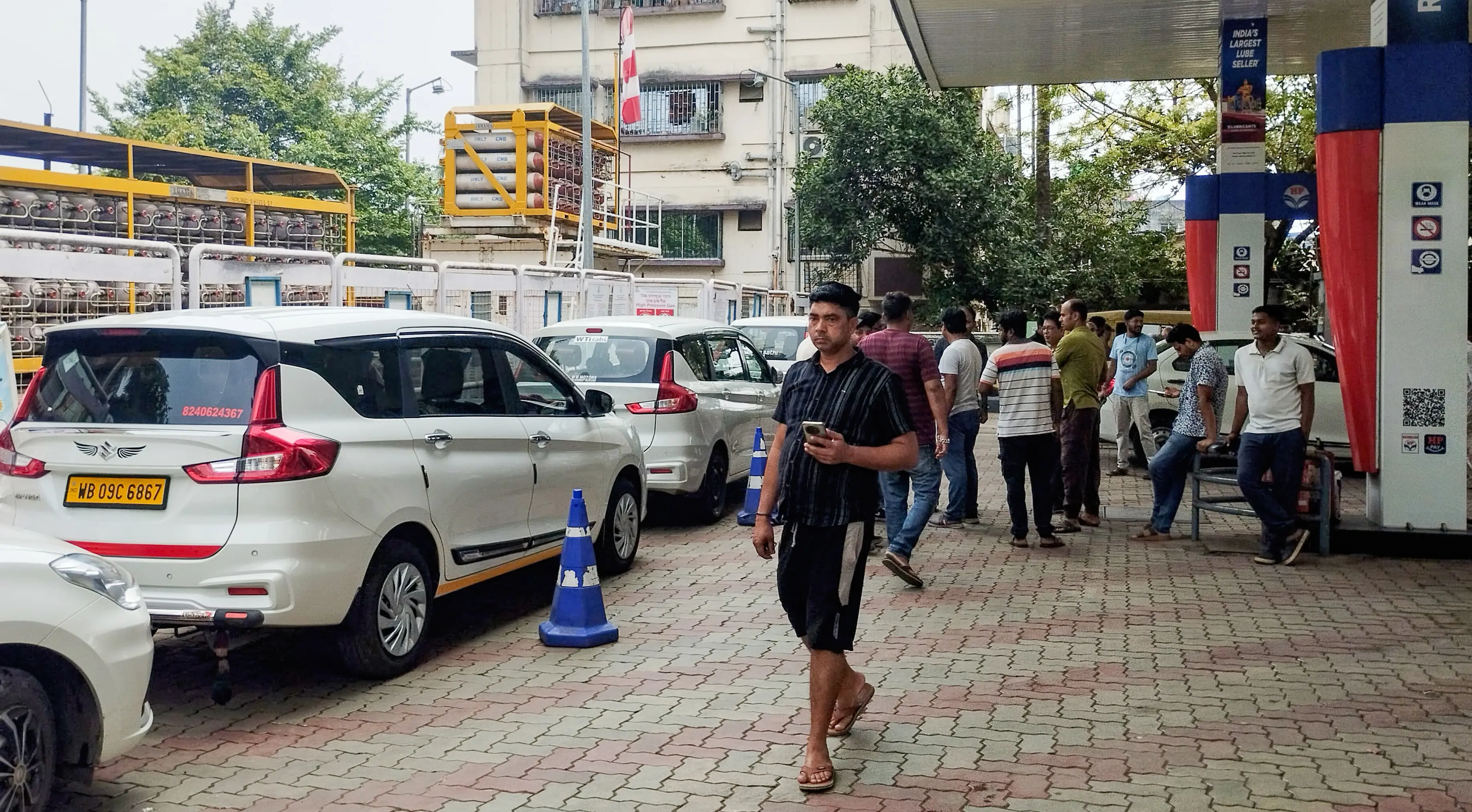
This is exactly why PM Narendra Modi recently addressed the nation. Because India imports over 80% of its crude oil, paying inflated global prices while selling cheap locally is causing a massive drain on the country's precious foreign exchange reserves.

PM Modi's Urgent Plea
The Prime Minister's appeal for citizens to work from home, carpool, and use metro rail wasn't just about traffic—it was a desperate financial plea. Reducing consumption is the only way to stop the OMCs from hemorrhaging cash while global prices peak.
How Long Can They Hold Out?
Financial analysts warn that this artificial price freeze cannot last forever. If the US-Iran blockade of the Strait of Hormuz drags on for months, the government will inevitably have to pass the burden onto the consumer, leading to severe inflation.
The Inevitable Price Shock
If citizens ignore the call to reduce consumption, the OMCs will eventually hit a breaking point. When that happens, Indian commuters could face a sudden, massive surge in petrol and diesel prices, sending shockwaves through the entire domestic economy.
)
)
)
)
)