The ‘Shell Game’ at sea: Is the USS Abraham Lincoln actually where Iran thinks it is?

The USS Abraham Lincoln has deployed to the Middle East using ‘going dark’ tactics to evade Iranian tracking. By switching off AIS and operating in deep waters, the US Navy creates a strategic blind spot for Tehran.
Arrival in the shadows
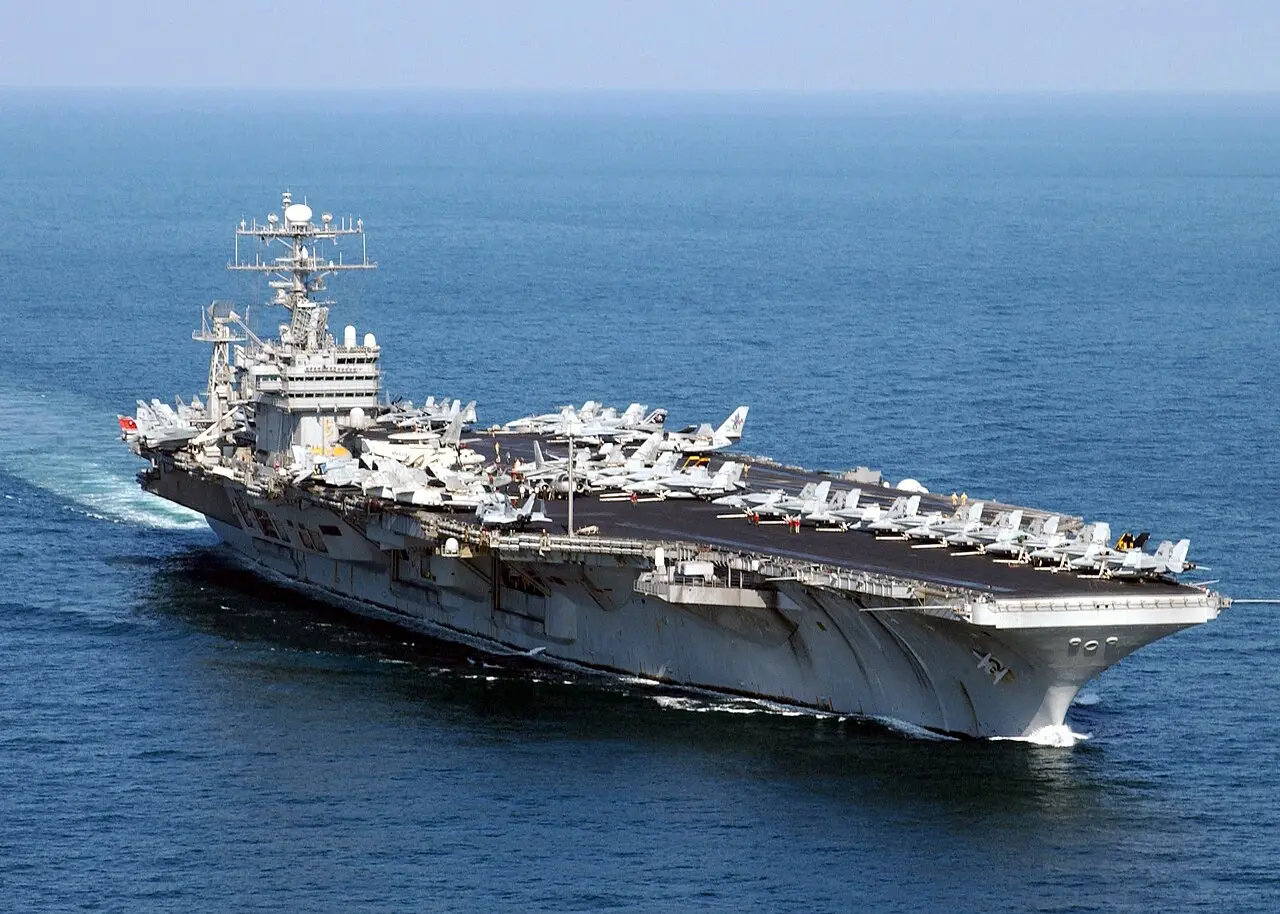
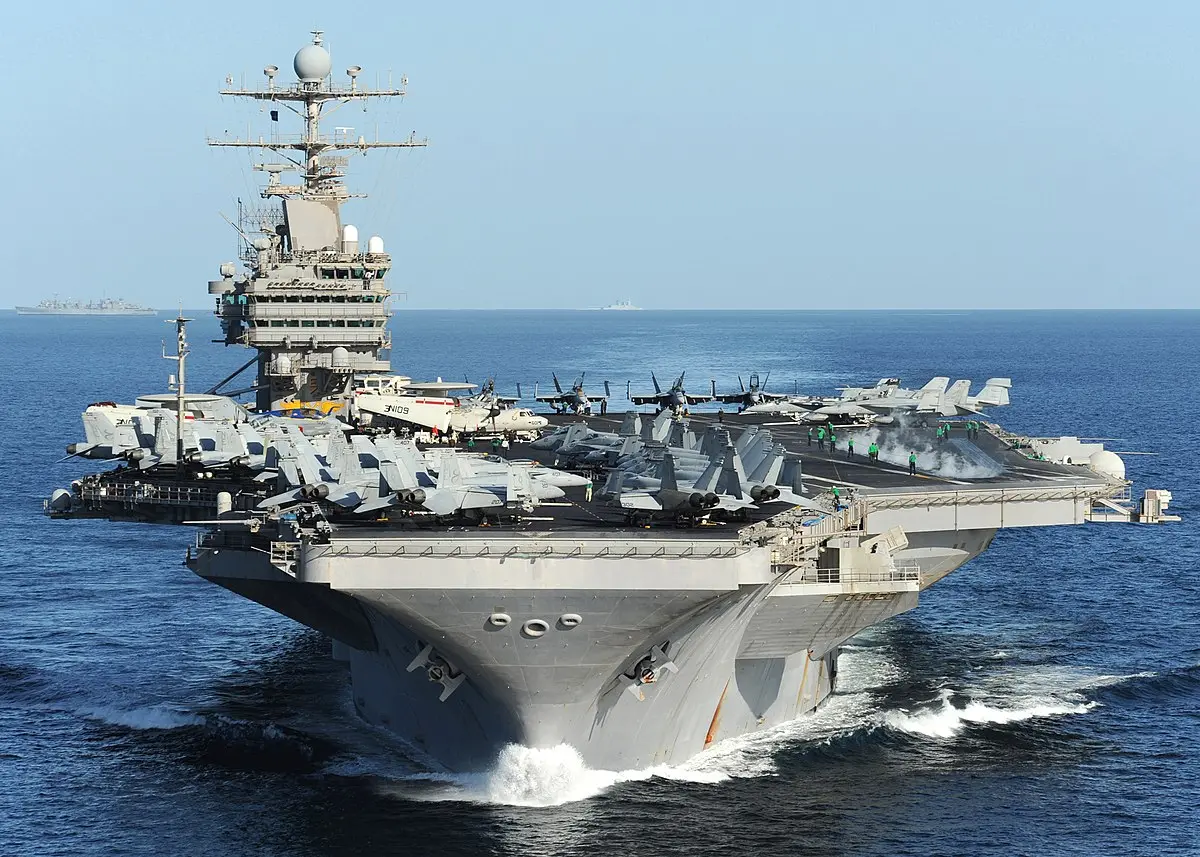
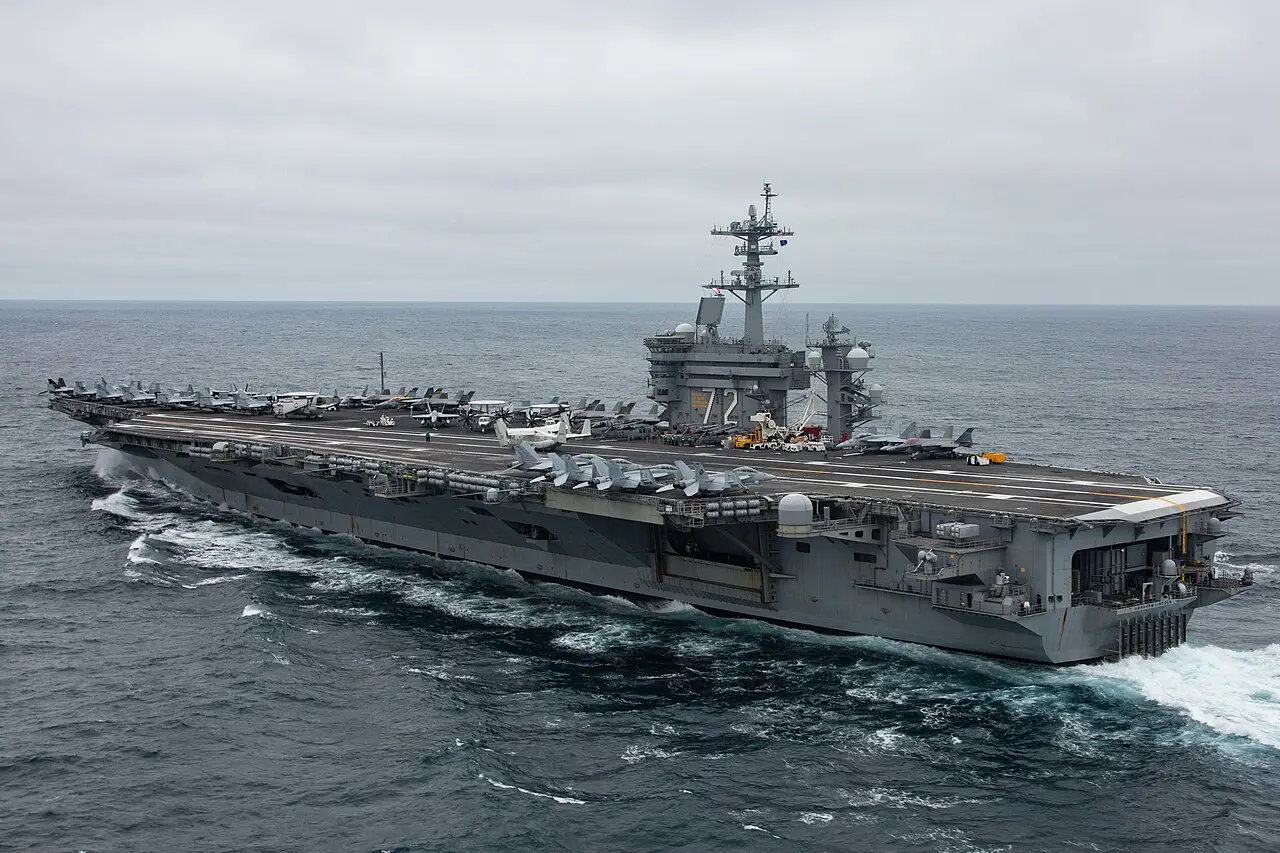
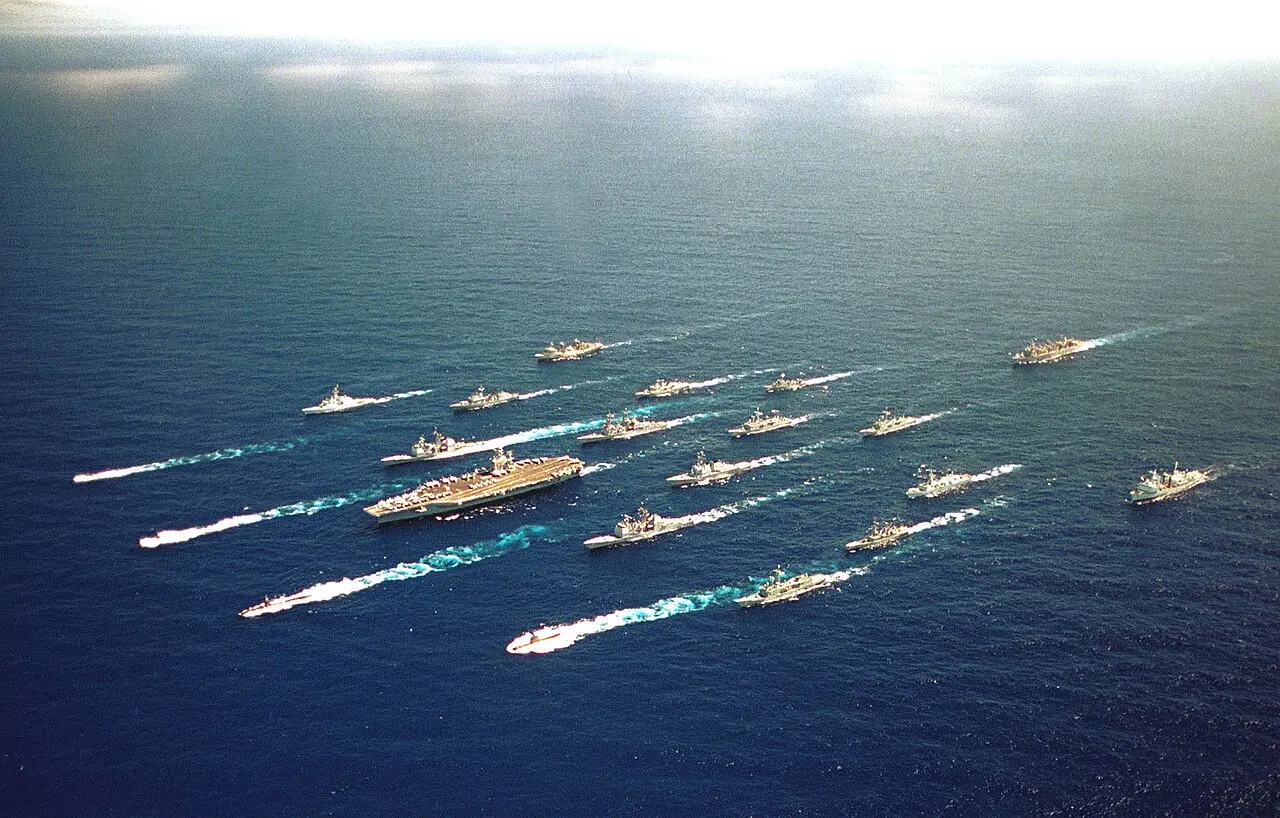
The USS Abraham Lincoln (CVN-72) has officially entered the US Central Command area, covering the Middle East. However, unlike commercial vessels, the nuclear-powered giant went ‘dark’ shortly after transiting the Strait of Malacca. This deliberate silence denies adversaries real-time data on its final deployment zone.
The ‘going dark’ tactic
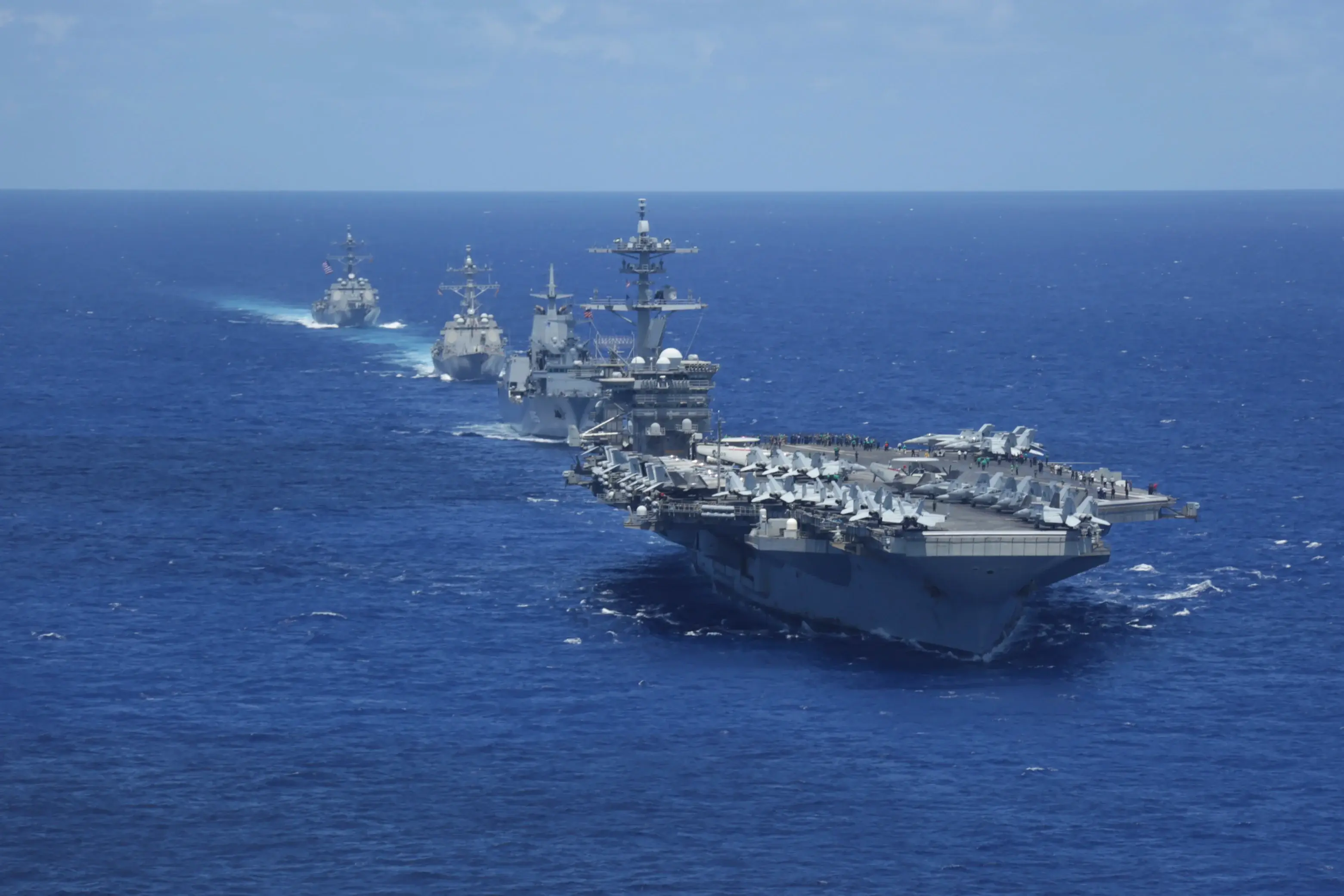
Modern warships use an Automatic Identification System (AIS) to broadcast their position for safety. In high-threat zones, US carriers routinely switch this off to prevent open-source tracking. This forces Iranian intelligence to rely on fallible radar and satellite imagery rather than easy digital signals.
Electronic sleight of hand
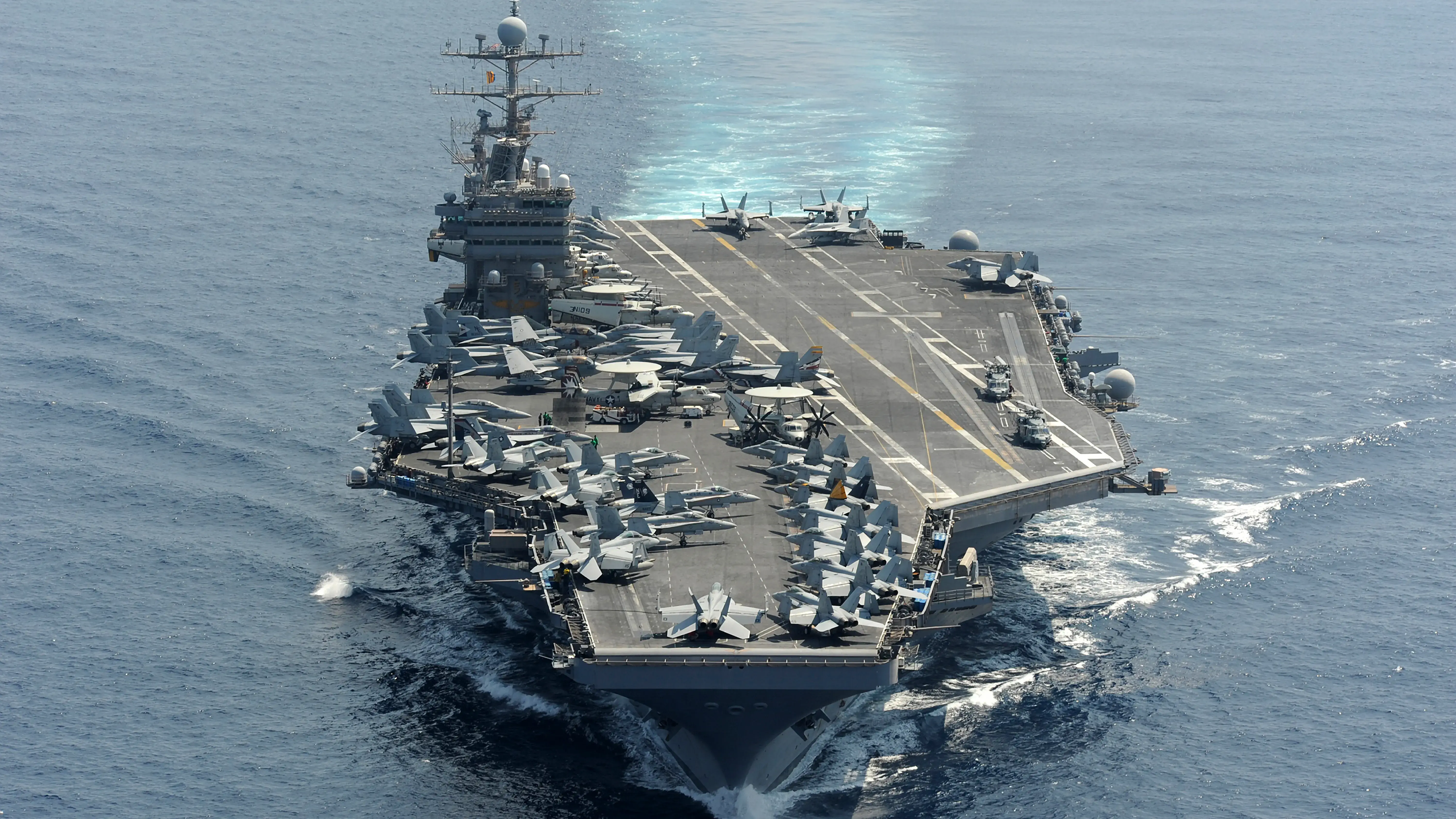
The ‘shell game’ involves more than just silence; it involves deception. The US Navy can manipulate electronic signatures to make a warship appear as a merchant vessel on radar or create ‘ghost’ targets. This electronic warfare capability creates a confusing fog of war for anyone trying to lock onto the carrier.
Iran’s surveillance struggle
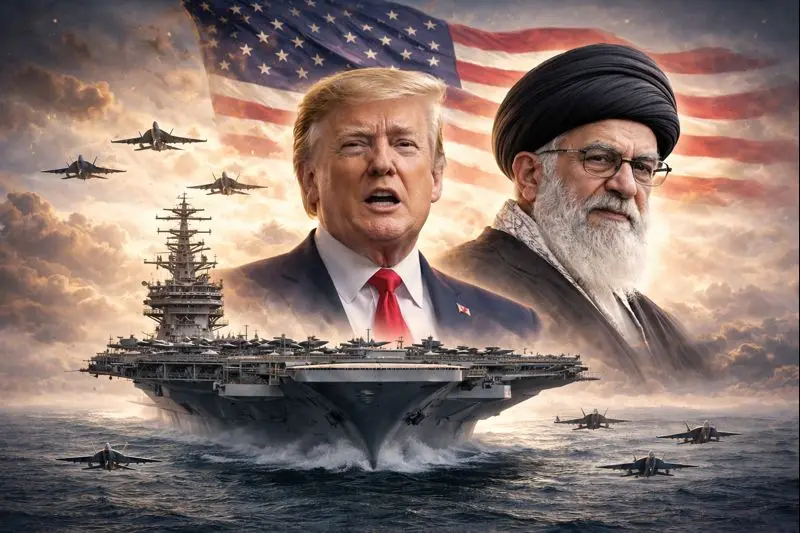
Tehran relies heavily on drones, speedboats, and coastal radar to monitor the Persian Gulf and Strait of Hormuz. However, the USS Abraham Lincoln is likely operating in the wider Arabian Sea or Gulf of Oman. In these deep waters, Iran’s short-range tactical surveillance struggles to maintain a constant fix on the moving airbase.
Operating over the horizon
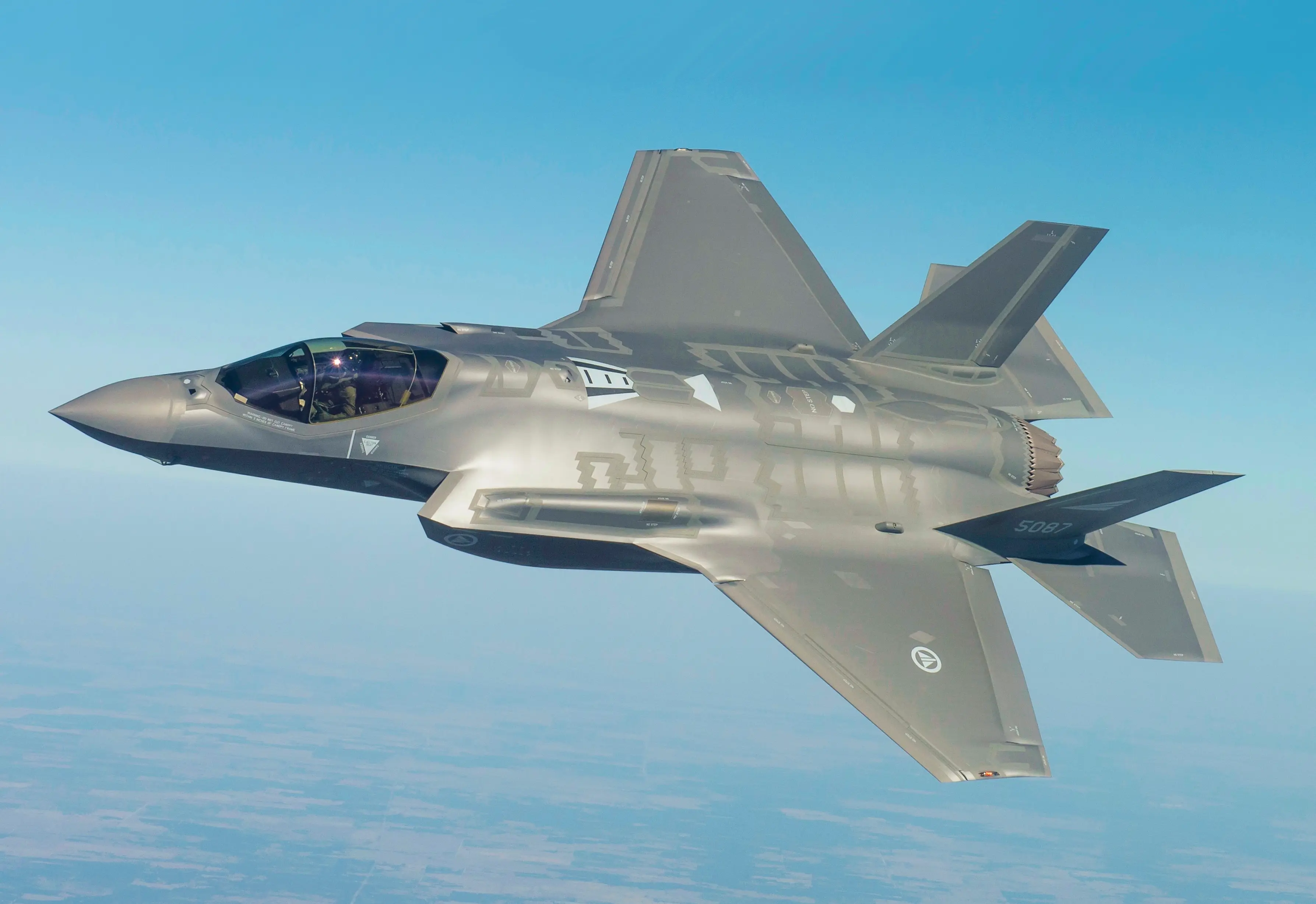
By staying hundreds of kilometres offshore, the carrier group utilises ‘over-the-horizon’ tactics. Its F-35C Lightning II and F/A-18 jets can strike deep into land without the ship ever entering the range of shore-based anti-ship missiles. This distance makes the carrier a lethal but invisible threat.
The Houthi threat factor
The decision to hide the carrier’s location is also driven by threats from Yemen. Houthi rebels have targeted commercial and military ships in the Red Sea with ballistic missiles. By keeping the Lincoln’s location ambiguous, the US Navy complicates the firing solutions needed for these missiles to hit a moving target.
Avoiding the Persian Gulf trap
Historically, US carriers frequently entered the narrow Persian Gulf to 'show the flag,' but those confined waters are now seen as a tactical liability. By operating primarily from the wider Gulf of Oman, the Lincoln avoids the 'choke point' risks of the Strait of Hormuz. This open-ocean stance allows for unrestricted high-speed manoeuvres, making the ‘shell game’ of position shifting significantly more effective against Iranian tracking.
Firepower remains unhidden
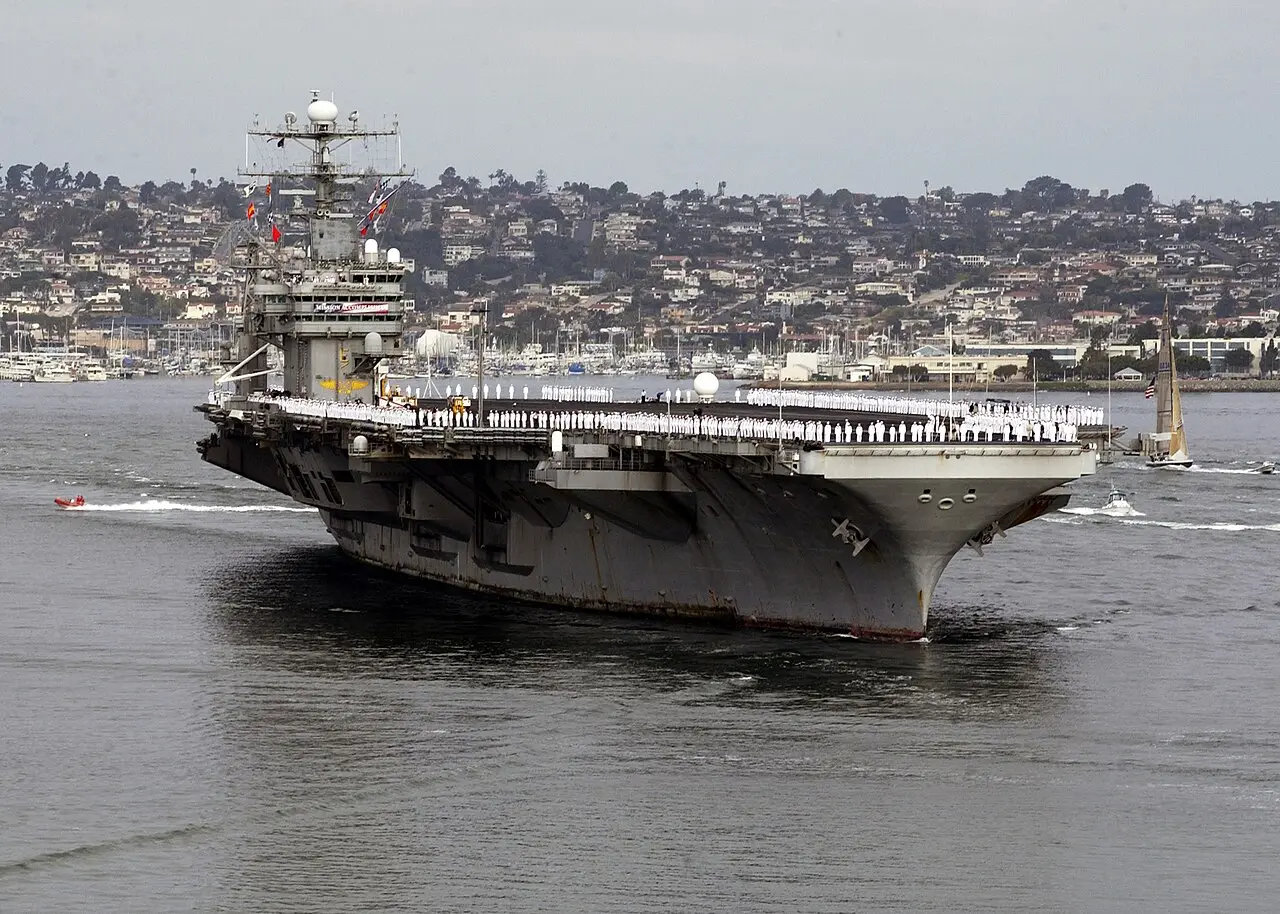
While the hull is hidden, the capability is clear. The strike group brings a massive air wing, guided-missile destroyers, and likely a nuclear submarine. Whether visible to Iranian radar or not, the fleet can project power across the entire region, maintaining deterrence through sheer capability rather than visibility.
Psychological warfare
Uncertainty is a weapon. If Iranian commanders cannot be 100 per cent sure of the carrier’s location, they must disperse their defences to cover all approaches. This ambiguity strains Tehran’s resources and decision-making, forcing them to guess where the blow might come from in the event of conflict.
The reality of modern conflict
The cat-and-mouse game between the USS Abraham Lincoln and Iranian trackers highlights the new face of naval warfare. It is no longer just about who has the biggest guns, but who can hide them best. In this digital ocean, being invisible is just as important as being invincible.
)
)
)
)
)