The secrets of Voyager 2: Instruments, thrusters and power that defy time and space

Its longevity and precision are the result of carefully engineered instruments, thrusters, and power systems that were decades ahead of their time.
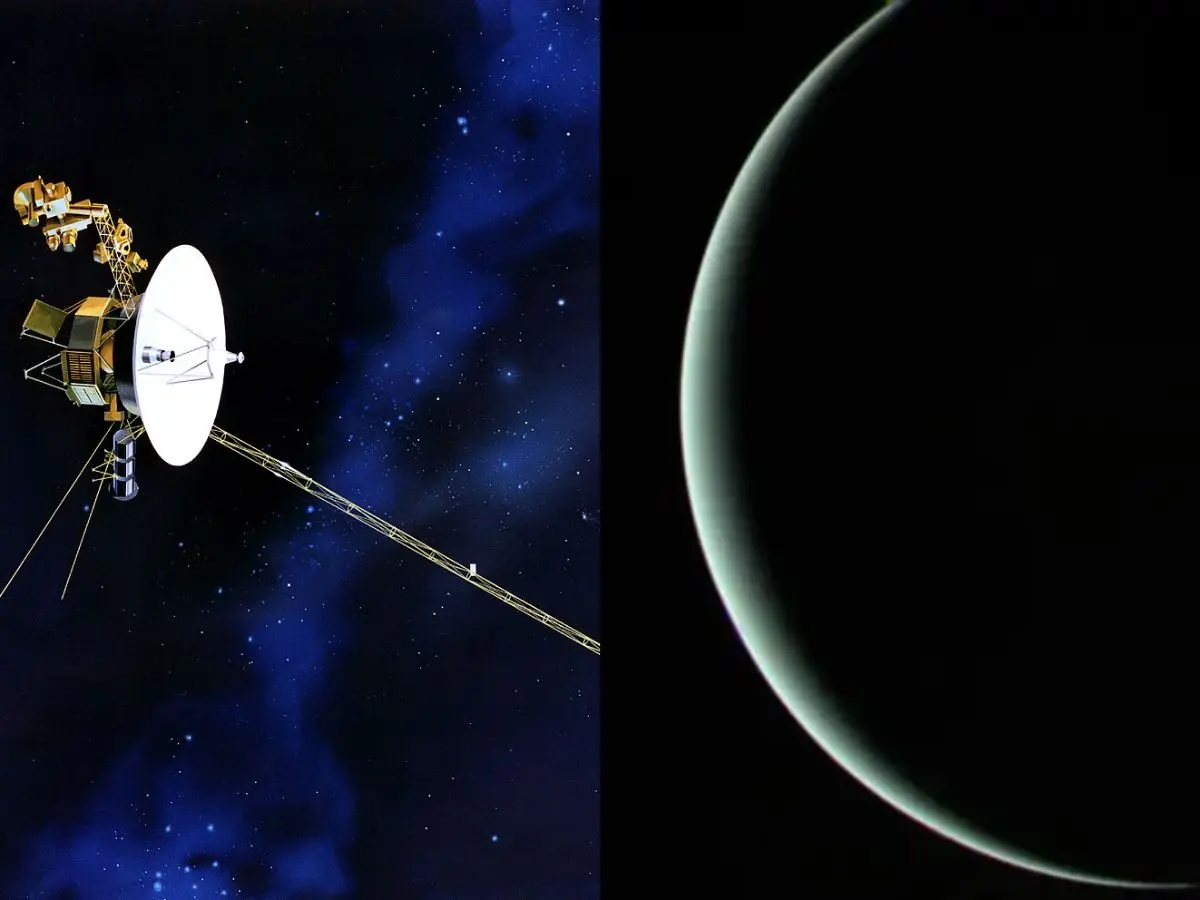
The launch
When Voyager 2 launched on August 20, 1977, it carried more than just cameras and sensors; it carried humanity’s ambition to explore the outer planets and interstellar space. Designed for a mission of five years, the spacecraft has now travelled over 19 billion kilometres from Earth, still sending data decades later. Its longevity and precision are the result of carefully engineered instruments, thrusters, and power systems that were decades ahead of their time.
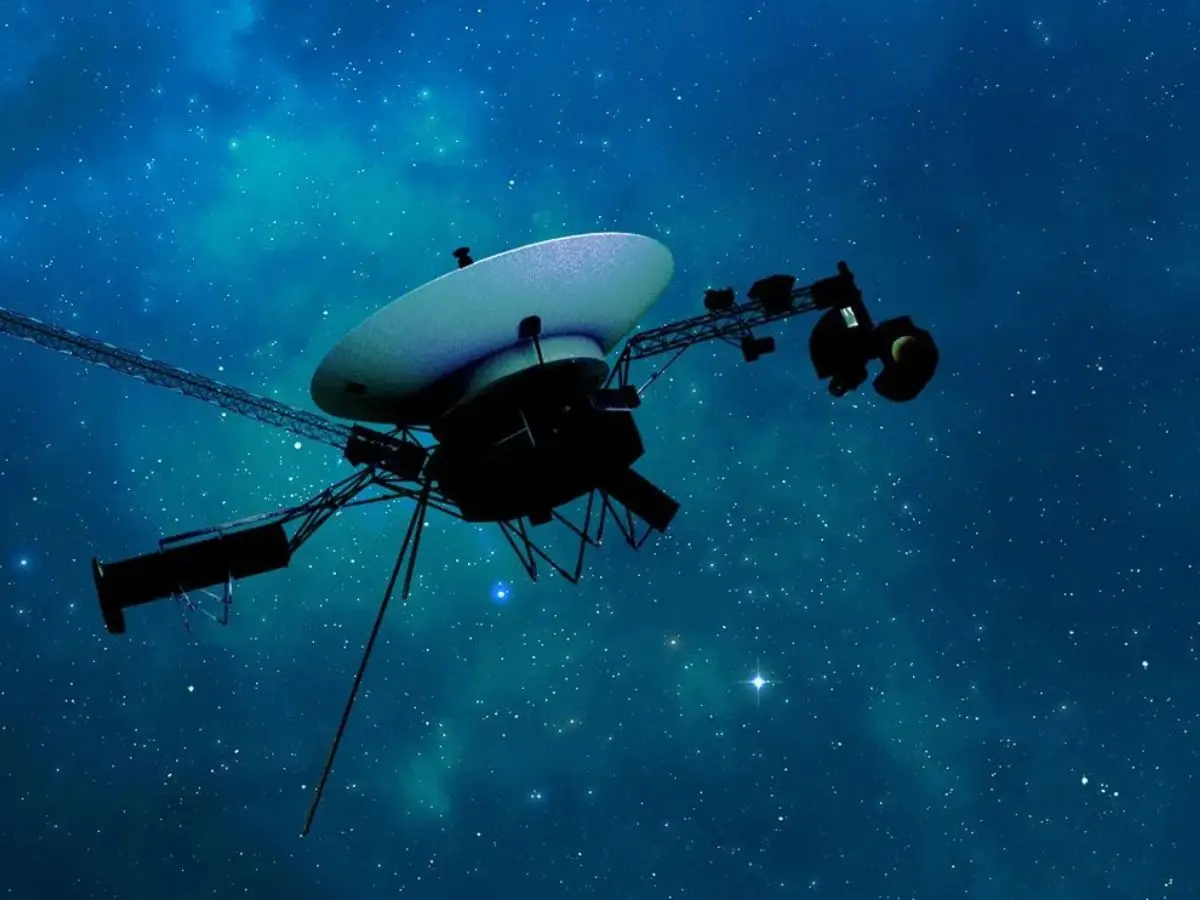
Scientific Instruments: Eyes on the Solar System
Voyager 2 is equipped with 11 scientific instruments to study planets, moons, and the interstellar environment. Its imaging system captured detailed photographs of Jupiter, Saturn, Uranus, and Neptune, while the infrared and ultraviolet spectrometers analysed atmospheric compositions. Particle detectors and cosmic ray sensors measured charged particles and radiation, and magnetometers traced magnetic fields. Each instrument was meticulously designed to operate in extreme conditions, providing data that continues to inform our understanding of the outer planets and the space beyond.
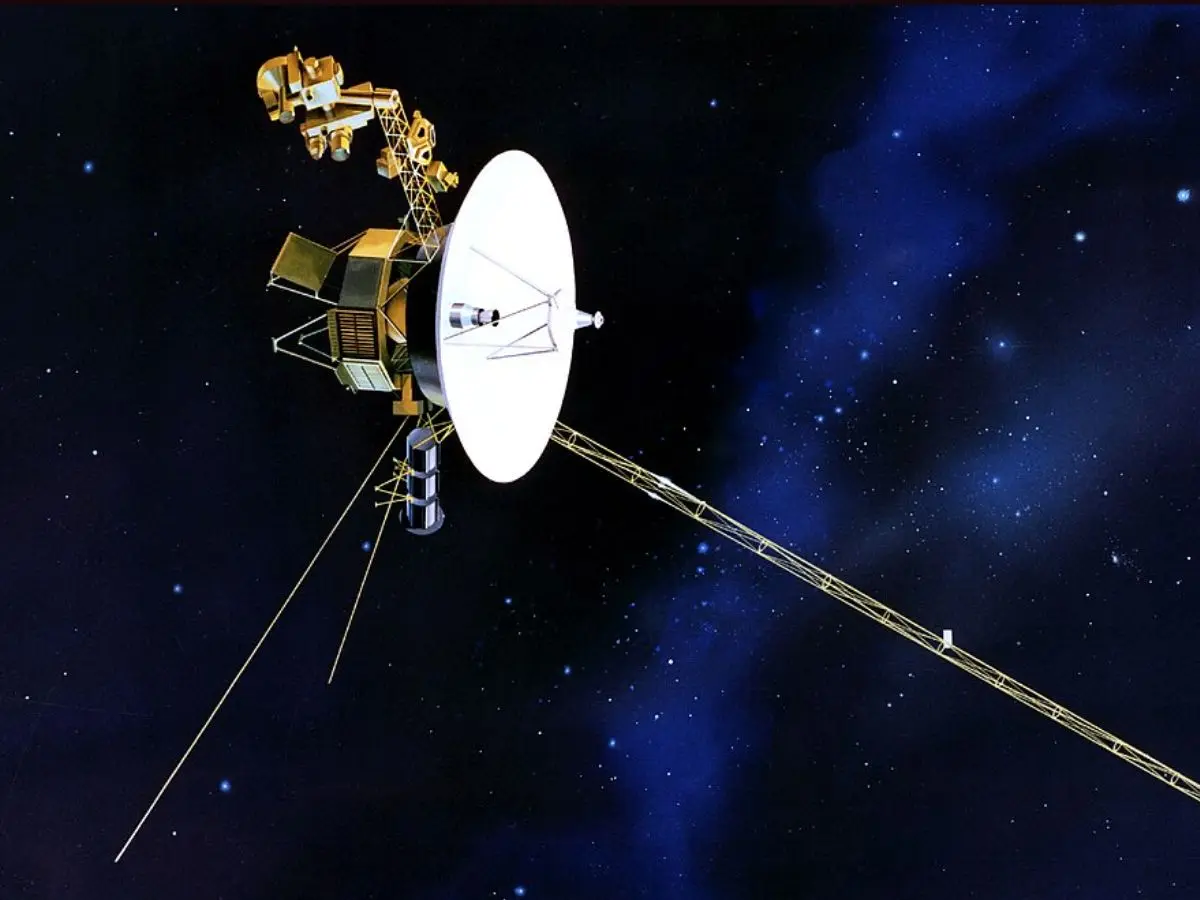
Communication Systems: Bridging Billions of Kilometres
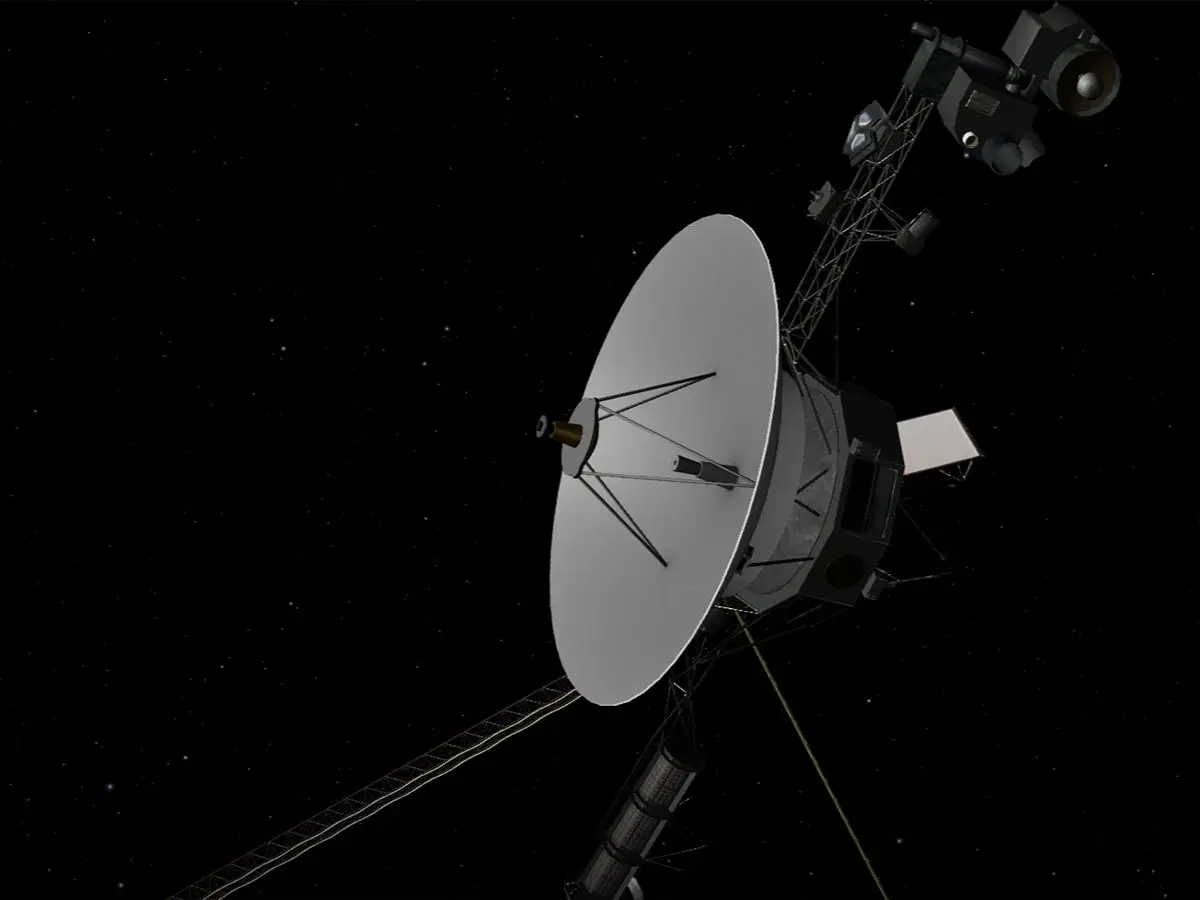
Transmitting data across the vast distance of space required Voyager 2 to carry a high-gain antenna nearly four metres in diameter. Complemented by low-gain antennas as backup, the spacecraft maintains contact with NASA’s Deep Space Network. Despite being billions of kilometres away, Voyager 2 can still send faint signals, taking over 18 hours to reach Earth. Its communication system is a testament to the foresight of engineers who knew the spacecraft would operate far beyond the reach of solar power and conventional electronics.
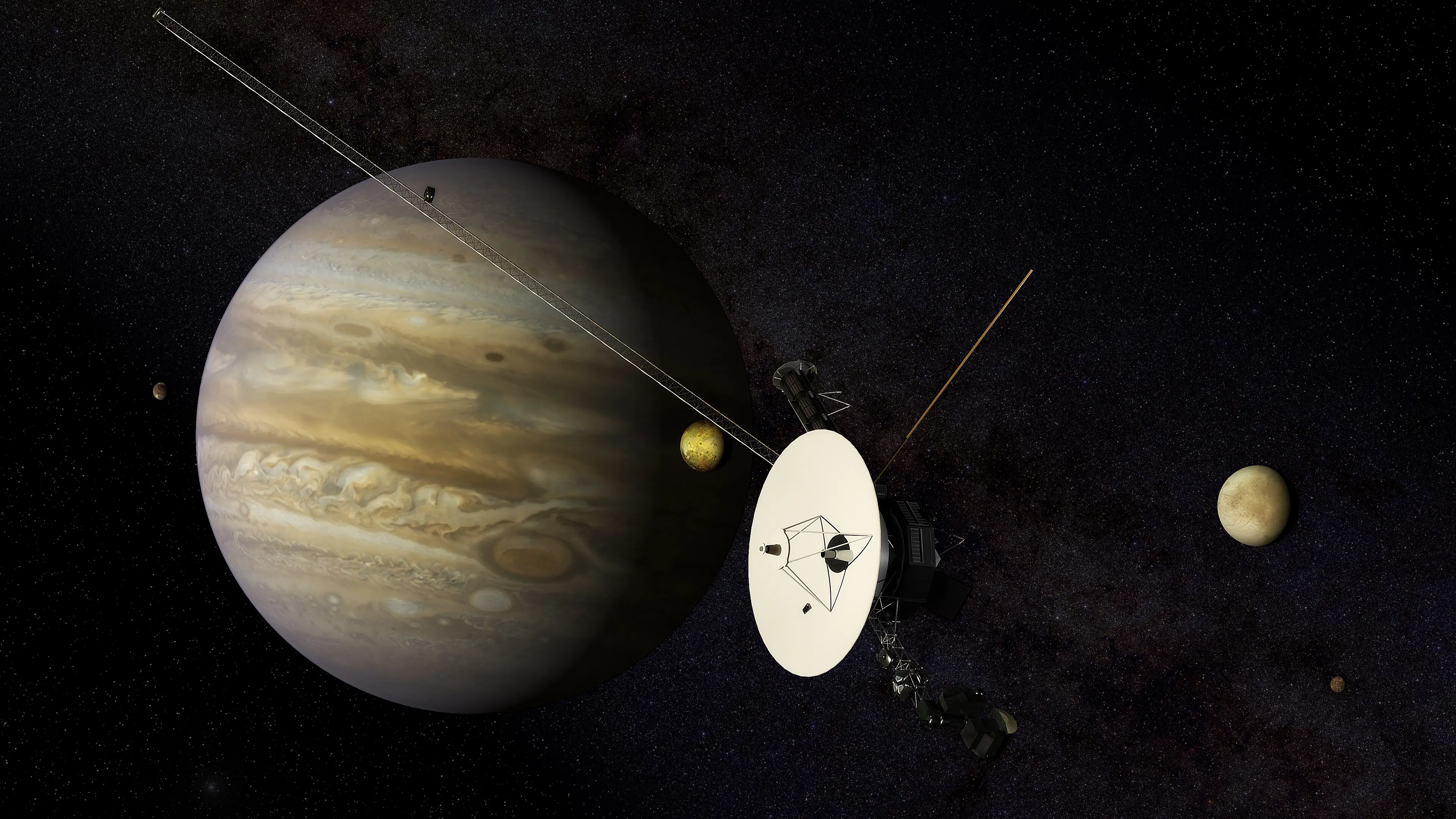
Power System: Nuclear Energy in Deep Space
Voyager 2 relies on three radioisotope thermoelectric generators (RTGs), which convert the heat from plutonium-238 decay into electricity. These generators initially produced about 470 watts, powering instruments, heaters, and communication systems. Even after more than four decades, the RTGs continue to supply sufficient power to keep essential systems operational, allowing Voyager 2 to continue exploring interstellar space where sunlight is far too weak for solar panels.
Thrusters and Attitude Control: Precision Across the Void
Maintaining orientation for accurate data collection and antenna alignment requires hydrazine-fuelled thrusters. Voyager 2’s reaction control system enables precise adjustments to its orientation, while its trajectory adjustment system allows course corrections during planetary flybys. This combination of propulsion and attitude control has kept the spacecraft on its intended path for decades, ensuring it could perform the historic Grand Tour of the outer planets.
Structural Design: Enduring Extreme Conditions
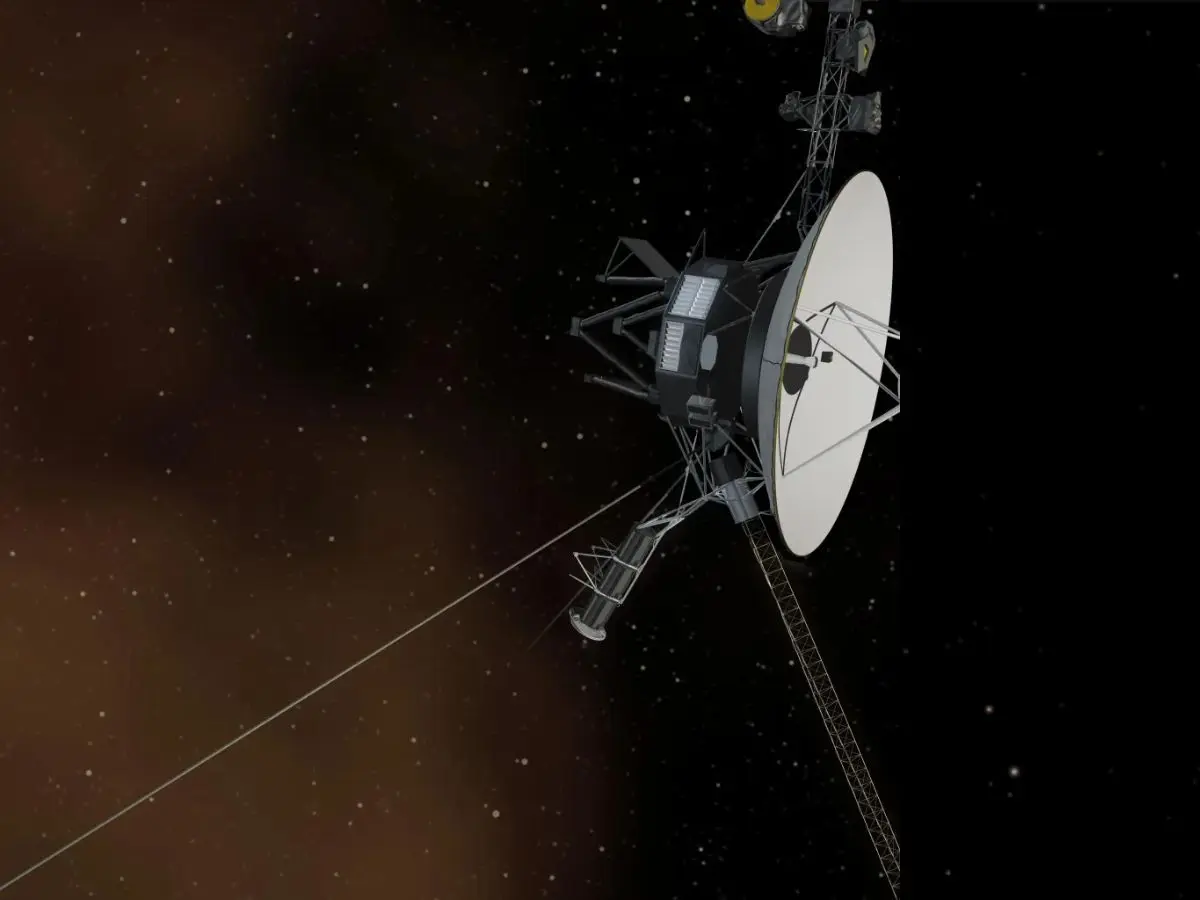
Voyager 2’s spacecraft bus houses instruments, fuel, and electronics, supported by booms to separate sensitive sensors from interference. Thermal blankets and louvers maintain operating temperatures despite the cold of deep space. This robust structural design has allowed the spacecraft to survive intense radiation near Jupiter and Saturn, as well as the freezing void beyond Neptune.
Legacy and Ongoing Mission
Voyager 2’s combination of advanced instruments, reliable power, and precise thrusters has made it one of the most successful and enduring spacecraft in history. Its data reshaped planetary science, revealing the details of Jupiter’s Great Red Spot, Saturn’s rings, and the atmospheres of Uranus and Neptune. Today, Voyager 2 continues its journey through interstellar space, a testament to engineering that truly defies time and distance.
)
)
)
)
)