The secrets of Jezero crater: The Martian lake NASA thinks could have hosted life

Formed more than 3.5 billion years ago, Jezero offered the possibility of capturing in stone the conditions in which life might once have existed.
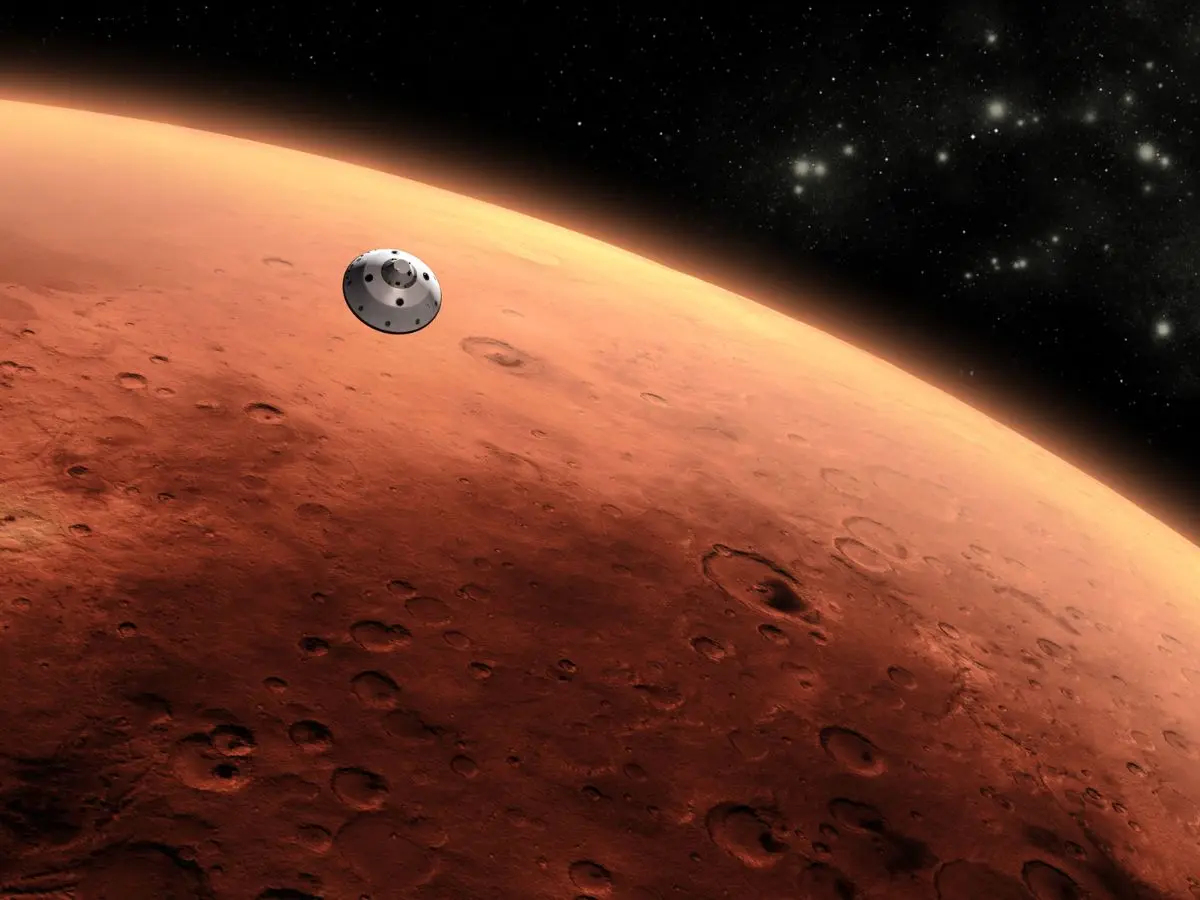
A Martian lake frozen in time
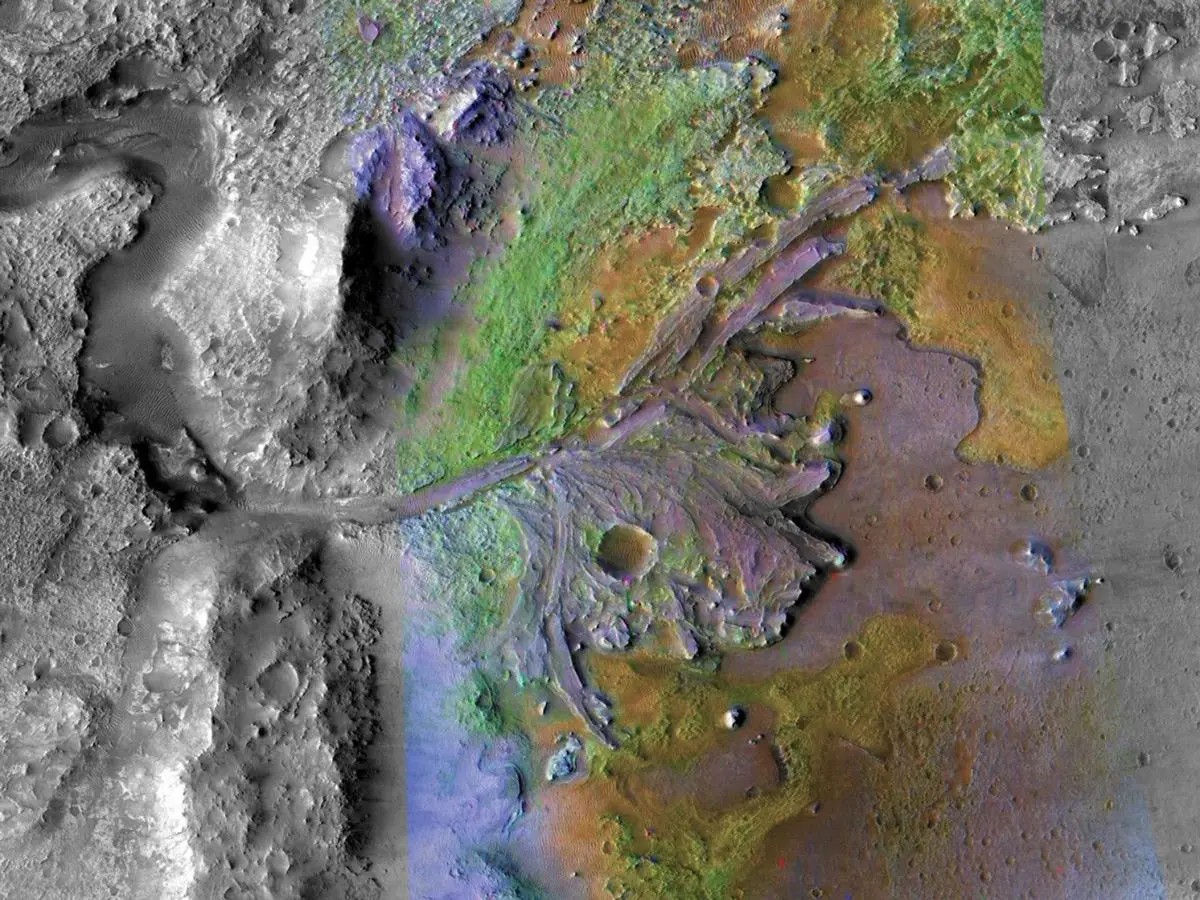
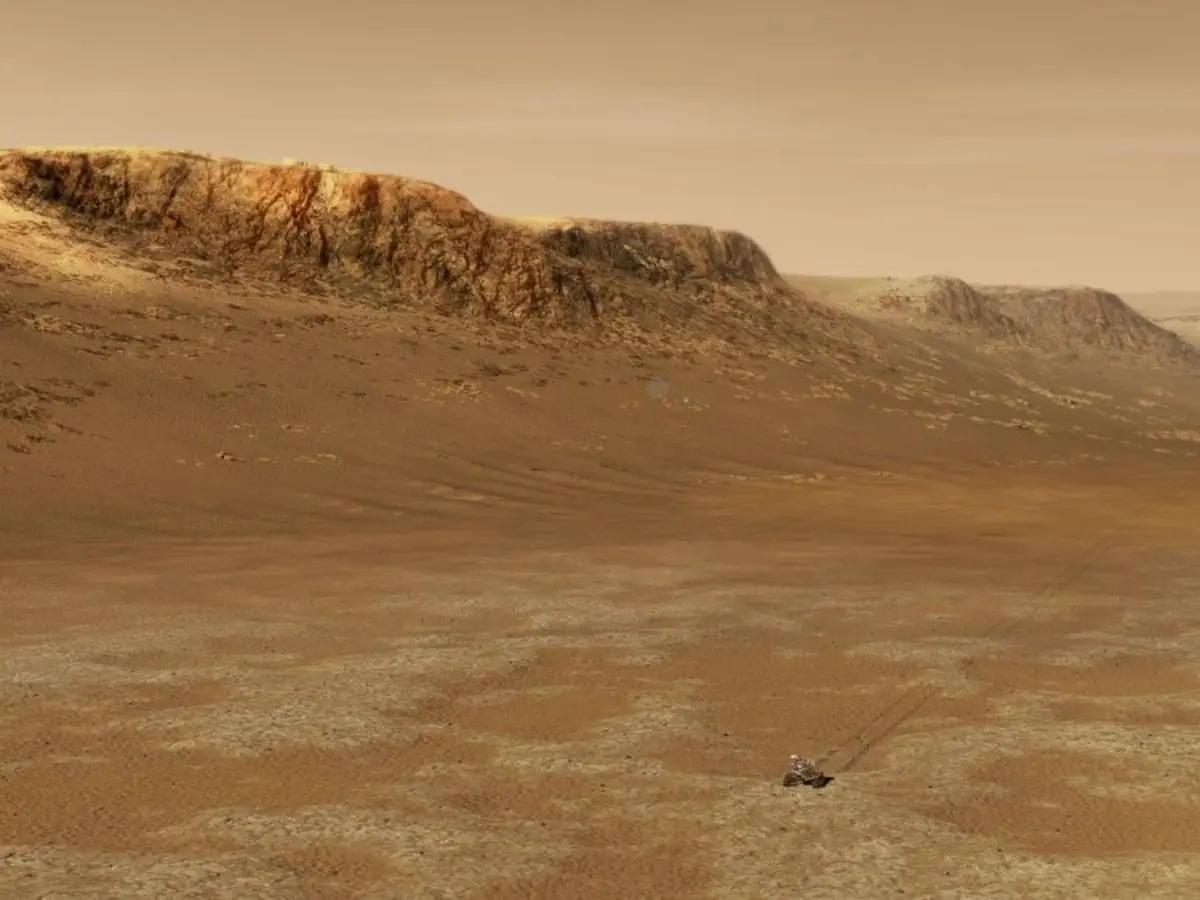
Jezero Crater, a 45-kilometre-wide depression near the Martian equator, is one of the most studied sites beyond Earth. Chosen by NASA as the landing site for its Perseverance rover in 2021, it was not picked at random. From orbit, scientists had spotted the tell-tale outline of a fan-shaped river delta and deposits rich in clays and carbonates, the unmistakable signatures of an ancient lake. Formed more than 3.5 billion years ago, Jezero offered the possibility of capturing in stone the conditions in which life might once have existed.
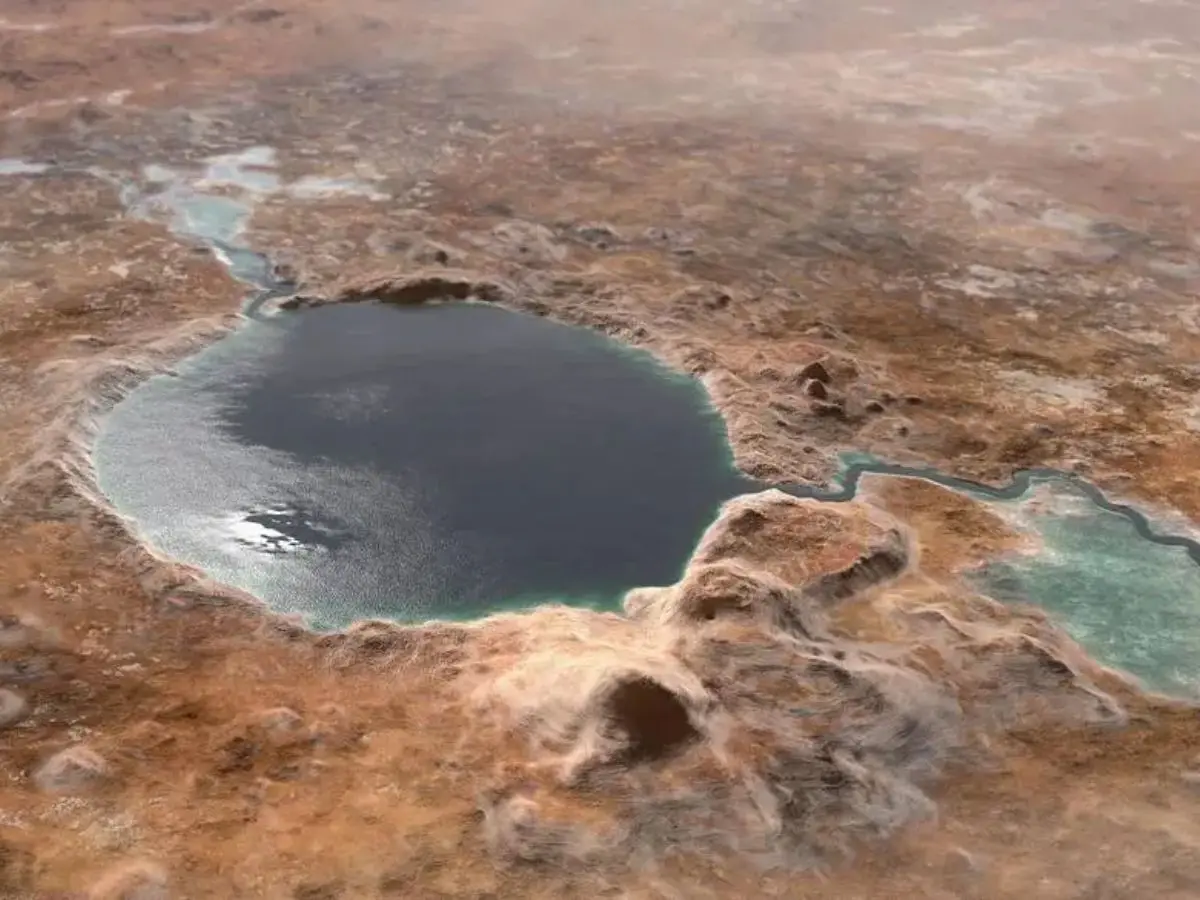
The vanished waterway
Images from orbit in 2005–2007, captured by the European Space Agency’s Mars Express and NASA’s Mars Reconnaissance Orbiter, suggested that a river once breached Jezero’s western rim, pouring into a broad lake. These surveys detected clays and carbonates, minerals formed in water, making Jezero one of the most promising sites for astrobiology. The evidence implied the lake may have persisted long enough, possibly for thousands or even millions of years, to allow complex chemical reactions and perhaps life itself.

First discoveries on the crater floor
In 2021, during its first year on Mars, Perseverance began drilling and analysing samples from the crater floor. NASA scientists were surprised to find igneous rocks rather than purely sedimentary deposits. These rocks, rich in olivine and pyroxene, pointed to ancient volcanic activity that interacted with the lake. Their discovery, confirmed in late 2021, gave researchers a tool to date Jezero’s history precisely, since igneous rocks can be used for radiometric dating. It also revealed that Jezero had once been shaped not only by water but by fire.
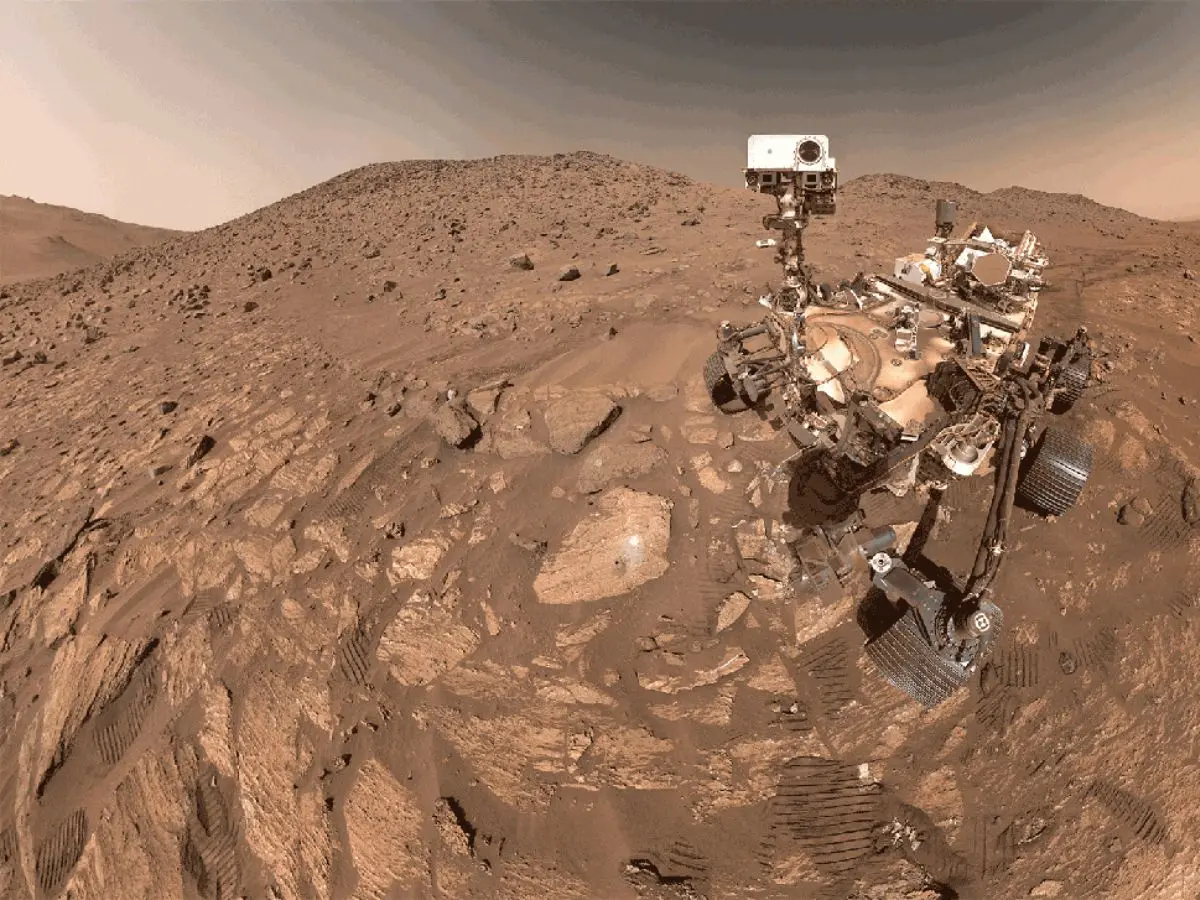
The layered delta
By mid-2022, Perseverance had reached the ancient delta. There it drilled mudstones and sandstones, fine-grained sediments ideal for preserving organic matter. These rocks were found to contain structures laid down by steady water flows, evidence that Jezero’s lake endured for long spans rather than a single flood. Each sample, carefully sealed in titanium tubes, became part of NASA’s plan for the Mars Sample Return mission, first outlined in the late 2020s.
Organic matter and unusual minerals
In 2023 and 2024, Perseverance made one of its most intriguing discoveries. A rock formation nicknamed Cheyava Falls showed 'leopard-spot' textures alongside organic compounds and unusual minerals: vivianite, an iron phosphate, and greigite, an iron sulphide. These minerals, on Earth, often form in oxygen-poor, microbially influenced waters. NASA scientists stressed that this does not confirm life, but the pairing of organics with such minerals is exactly the kind of evidence they had hoped to find.
The case for sample return
Throughout 2021–2025, Perseverance has drilled and cached dozens of rock cores. But its onboard instruments, while powerful, cannot match Earth’s laboratories. The Mars Sample Return mission, planned by NASA and the European Space Agency, aims to collect these cores and bring them home in the 2030s. Only then will scientists be able to test whether the organic matter and minerals in Jezero Crater were formed by simple chemistry or by microbial life.
A crater of questions
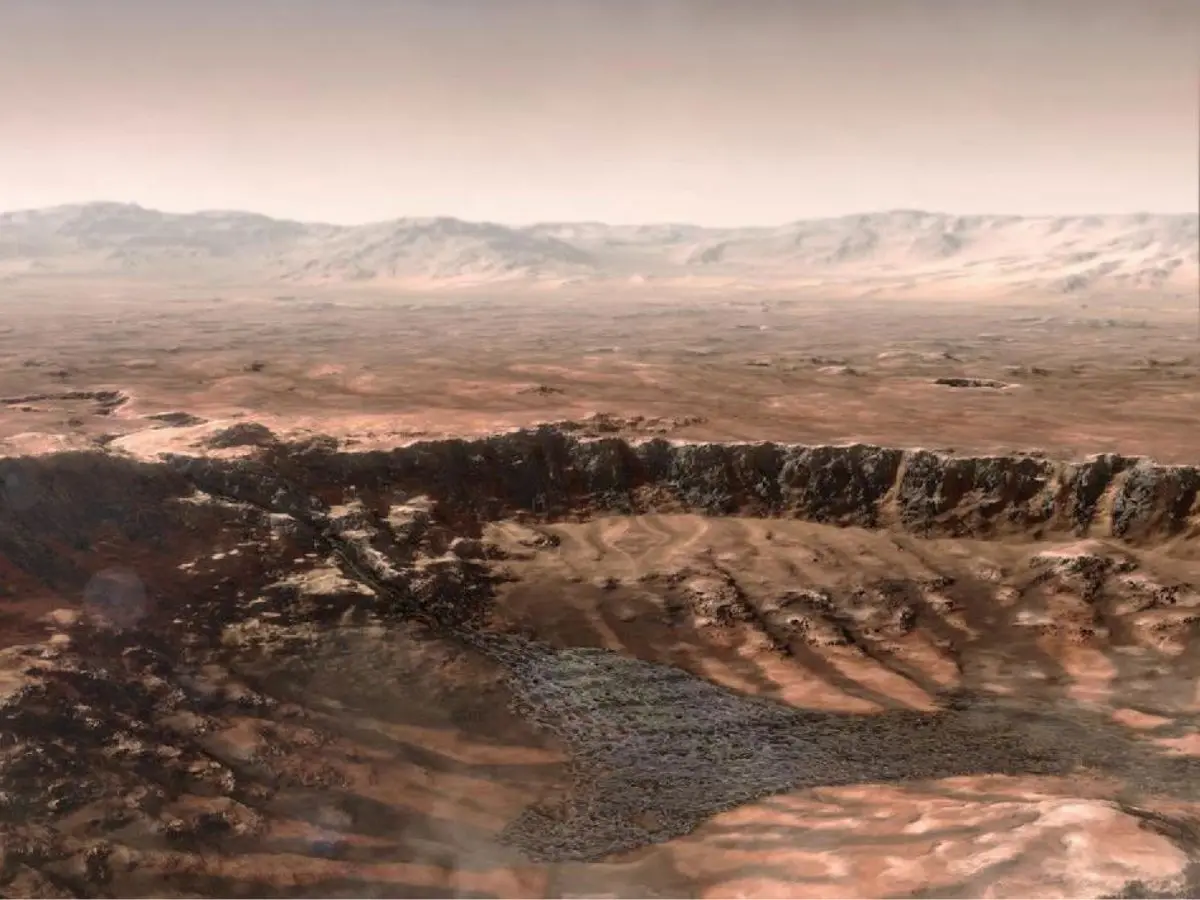
From its first orbital identification in 2008 to Perseverance’s most recent discoveries in 2024, Jezero Crater has rewritten Mars’ story. It holds proof of ancient volcanism, evidence of a stable lake, and minerals intimately tied to life-friendly environments. Yet the central question, whether Mars once supported life, remains unanswered. The rocks are ready, sealed in tubes on the Martian surface, awaiting their passage back to Earth. The answer to one of humanity’s greatest questions may be locked inside them.
)
)
)
)
)