The secret science behind radar-absorbent paint on fighter jets

Stealth jets use radar-absorbent paint to stay hidden from enemy radars. This special coating absorbs radar waves, reducing detection. But maintaining stealth isn't easy and the tech is evolving fast to beat smarter radar systems.
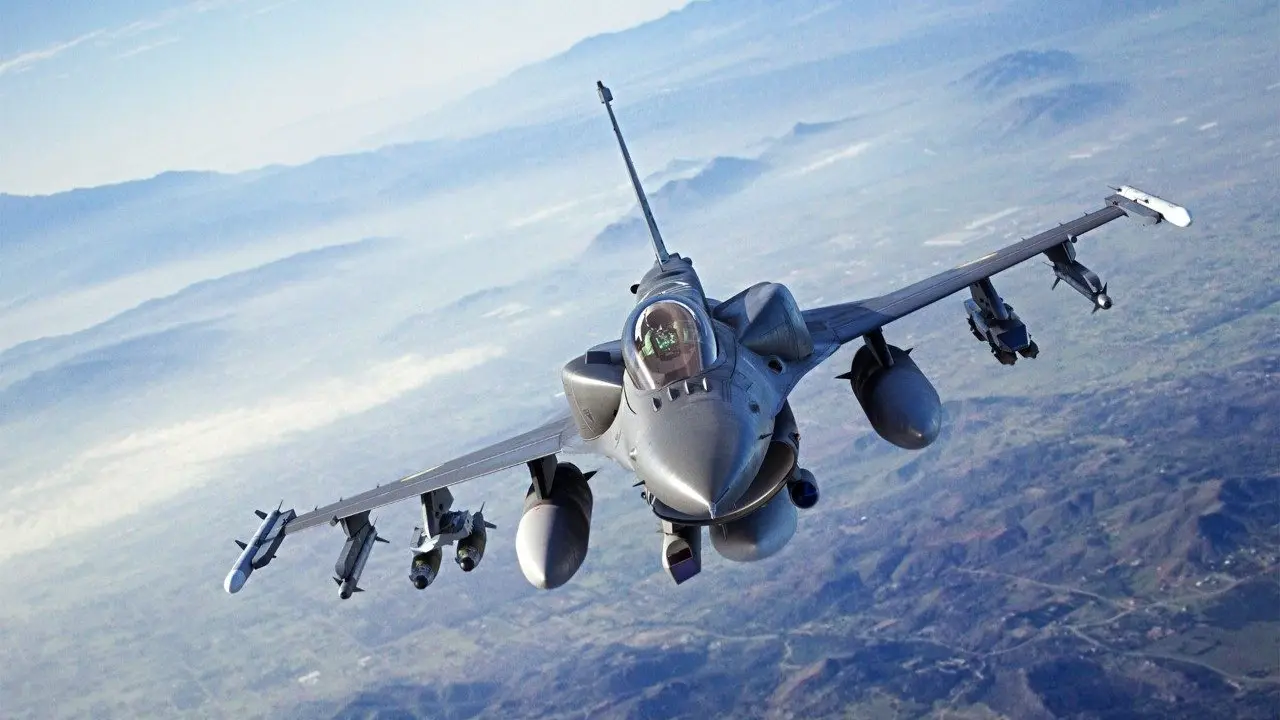
How radar sees jets
Radar sends out waves and looks for echoes. Ordinary metal jets bounce most radar waves back, making them easy to see on screens. Stealth jets want to avoid this.
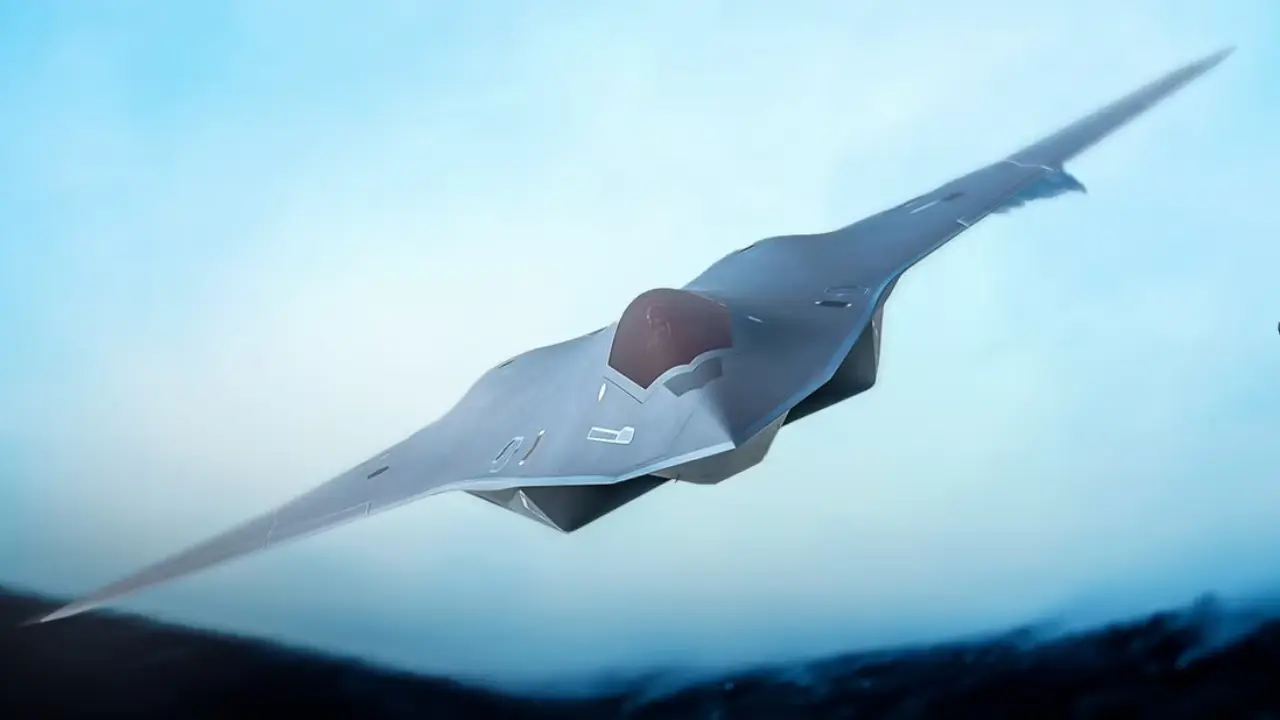
What is radar-absorbent paint?
Radar-absorbent paint, often called RAM, is a special coating made to absorb or scatter radar energy. This helps the jet blend into the sky, so enemy radar cannot spot it quickly.
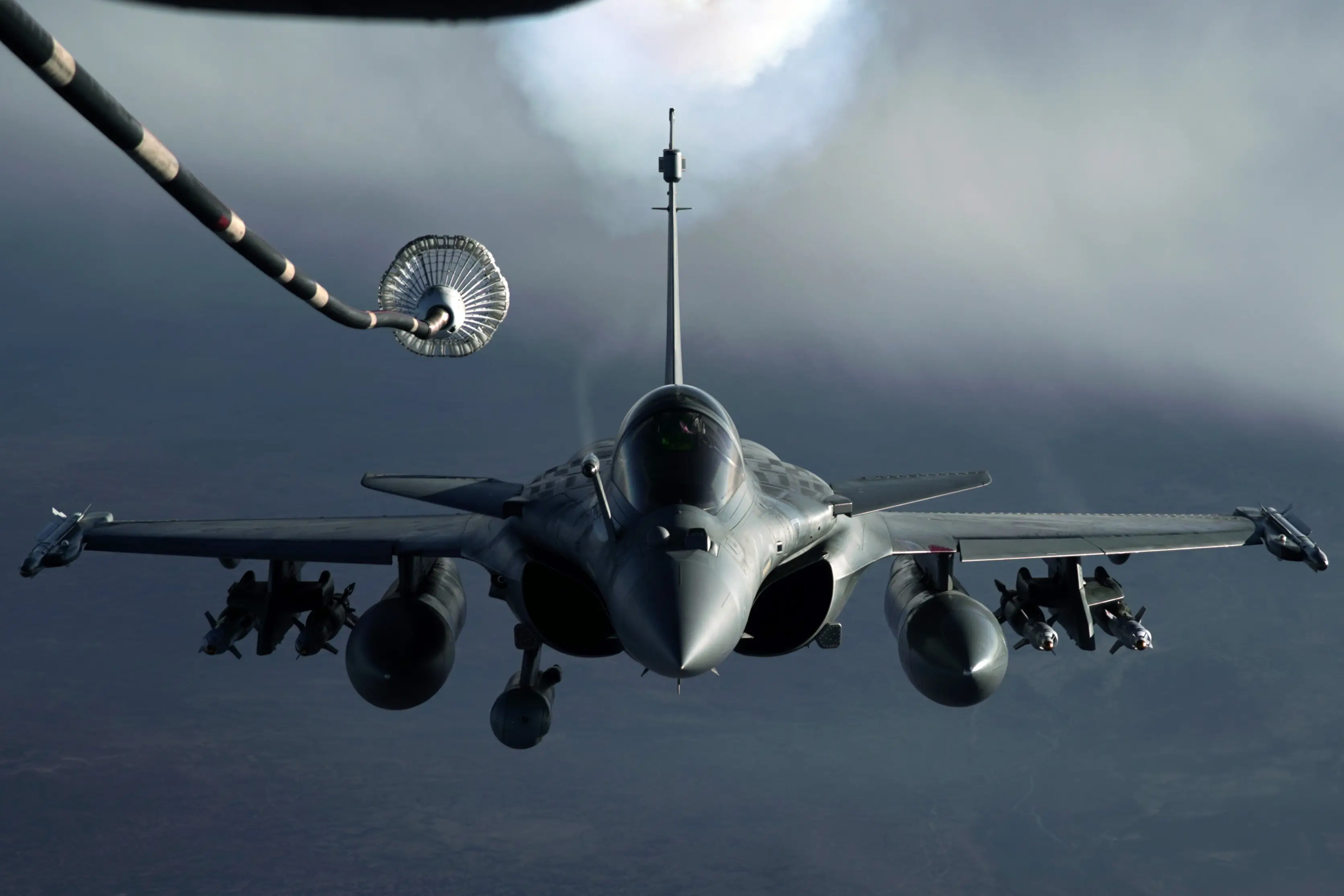
How does the coating work?
The secret is in the materials. Metals, ferrites, or high-tech polymers inside the paint soak up radar waves and change that energy into heat. Sometimes, layers are designed to make waves cancel each other out.
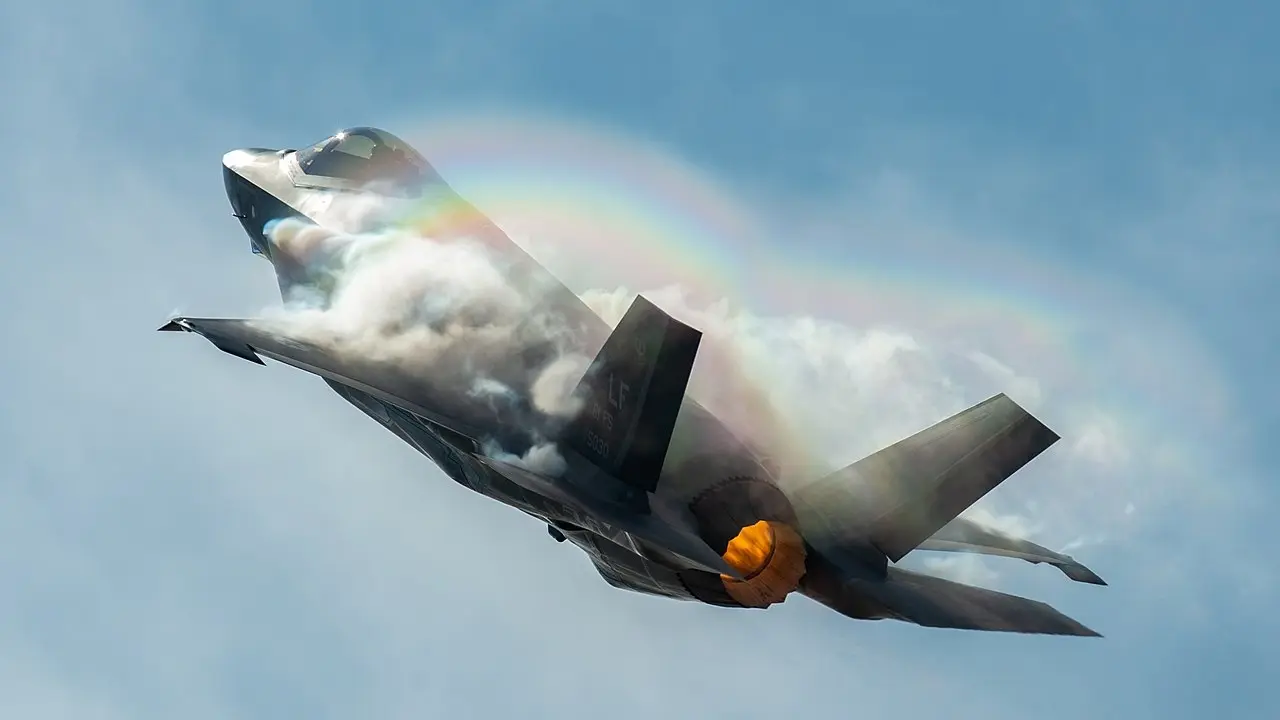
Different types for different needs
There is not just one paint. Some coatings are thick and flexible for body panels while others are hard tiles for air intakes. Modern scientists even use nanomaterials or adaptive coatings for better results on next-generation jets.
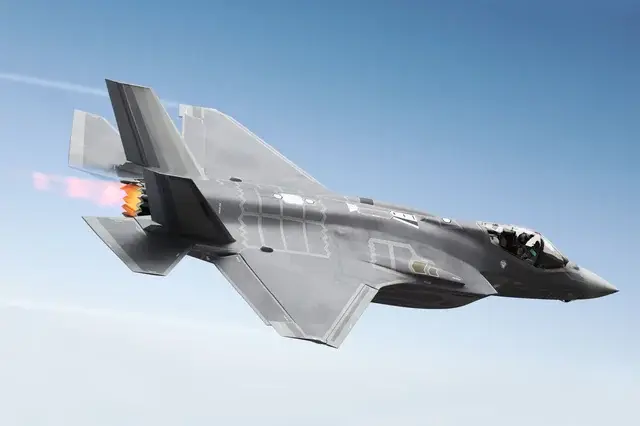
Why it is hard to keep stealth
RAM is a challenge to apply and repair. It is delicate, does not like heat or rain, and must fit the jet’s shape. Keeping a plane like the F-22 stealthy means hundreds of hours of maintenance every year, says industry experts.
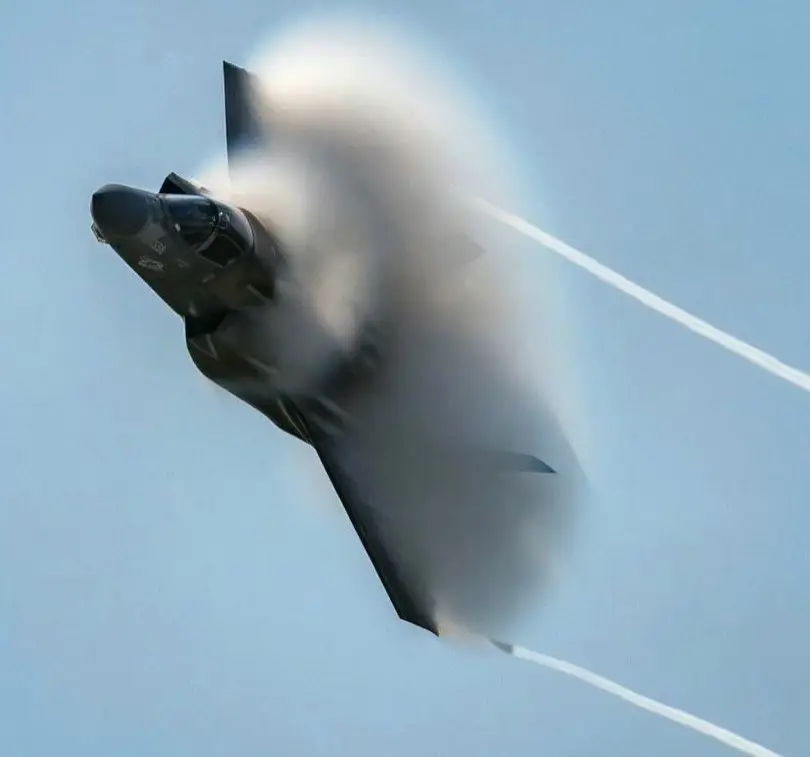
New advances in stealth paints
New research is going into thin, tough, and multi-purpose materials. Some labs are making coatings that also block heat, not just radar. These will help future stealth jets beat smarter radars and sensors.
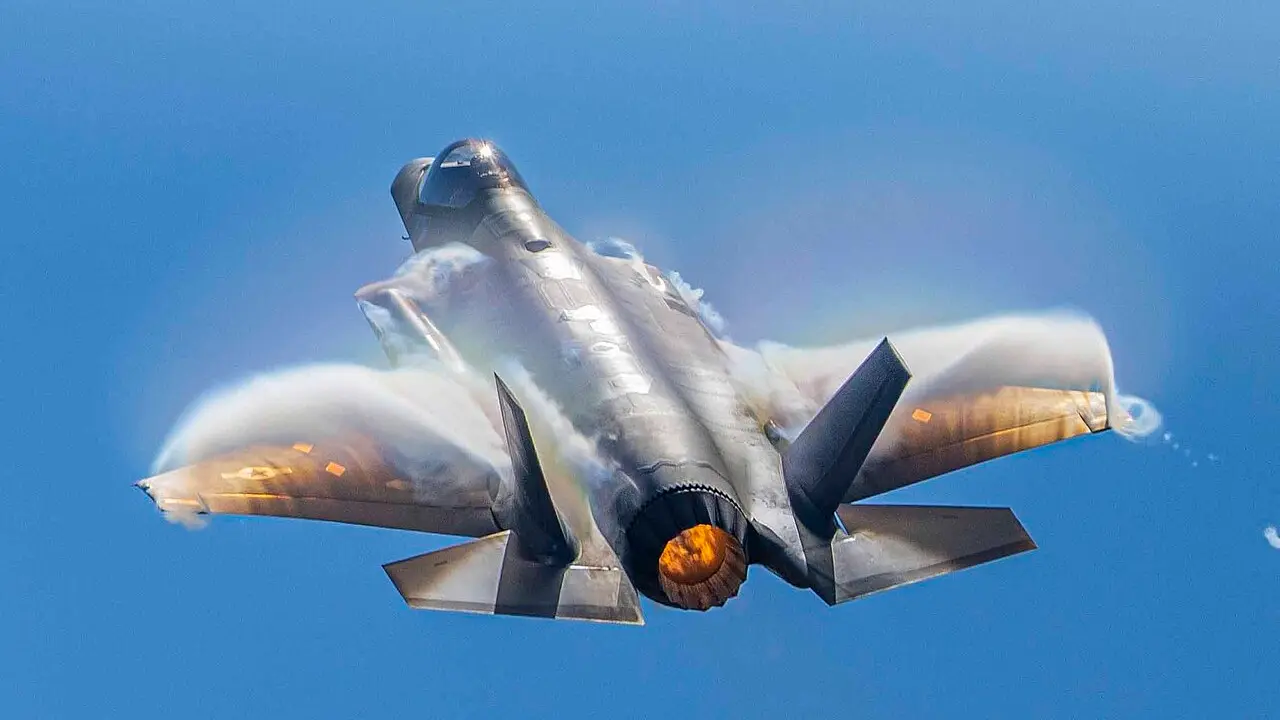
The technology race
Every year, defences get better and jets need improved RAM. Countries like the US, Russia and China spend big on new radar-absorbent paint and hidden features. The science is always changing to keep jets safe and unseen.
)
)
)
)
)