The role of Cuba in Venezuelan politics and the regional drug trade

Cuba plays a central role in Venezuela’s survival, embedding intelligence and military advisors, trading oil for security, exporting surveillance systems, and allegedly enabling drug routes. The alliance links regime protection with regional cocaine trafficking.
Architects of Intelligence
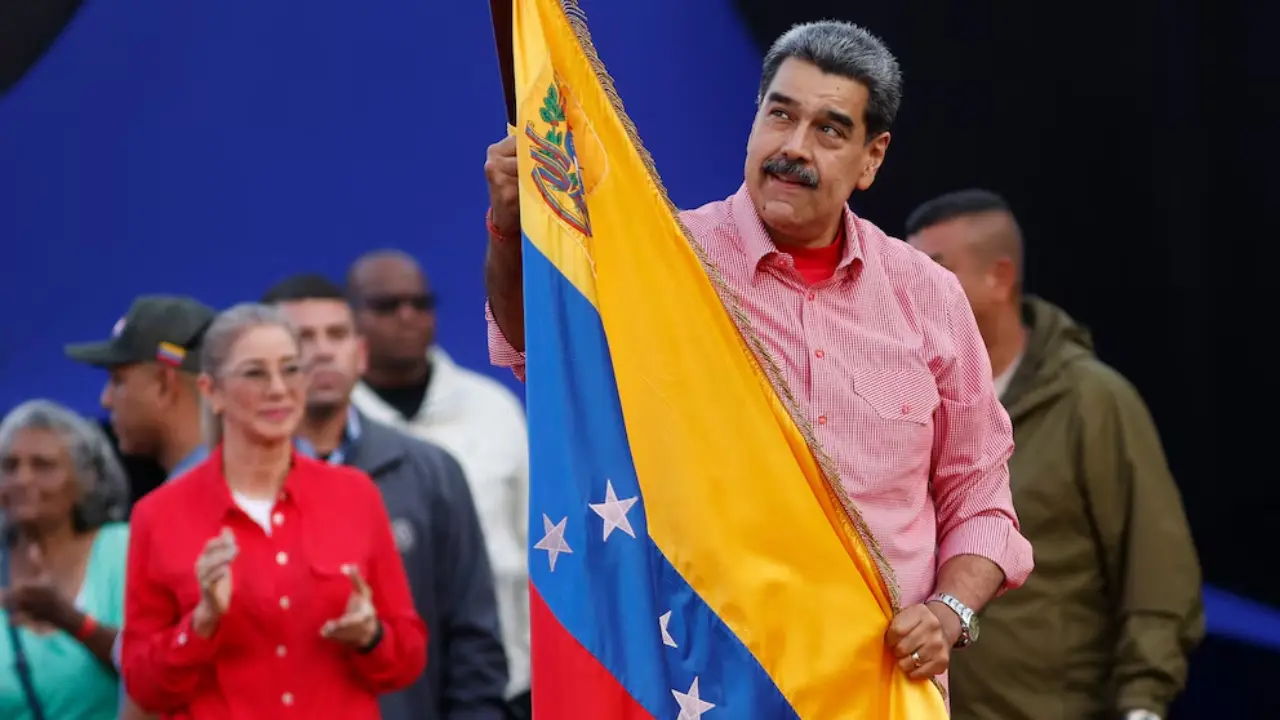
Controlling the spy network. Reports from the CASLA Institute indicate that Cuban officials have deeply infiltrated Venezuela's intelligence agencies, SEBIN and DGCIM. They reportedly restructure these bodies to monitor military loyalty, ensuring that any dissent against Maduro is crushed before it can turn into a coup.
The 'Oil-for-Security' Swap
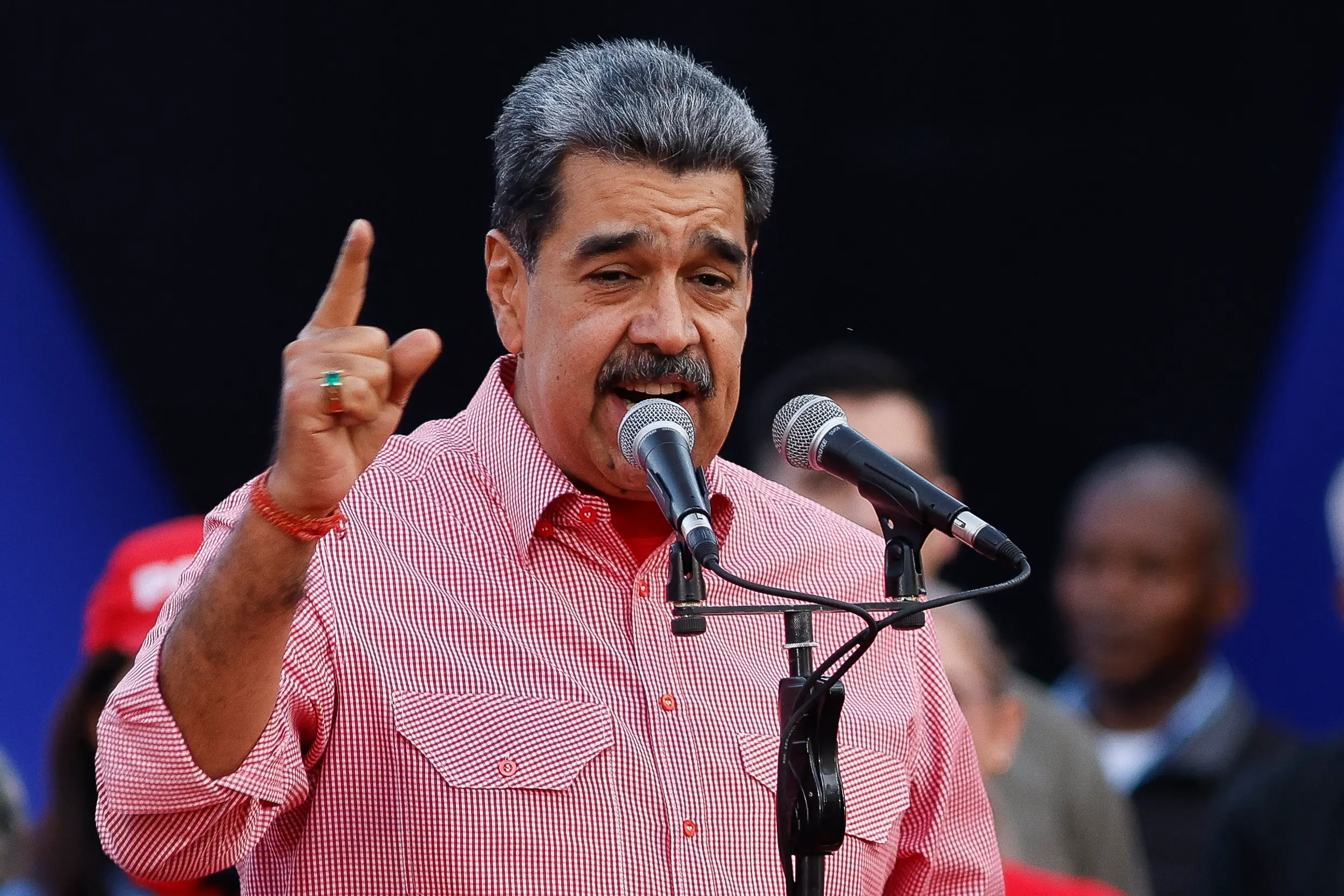
90,000 barrels a day Historically, Venezuela sent up to 90,000 barrels of subsidised oil daily to Havana in exchange for intelligence and medical services. El País reports that while volumes have dropped due to Venezuela's collapse, this barter remains the economic lifeline connecting the survival of both regimes.
Cubans in the Barracks
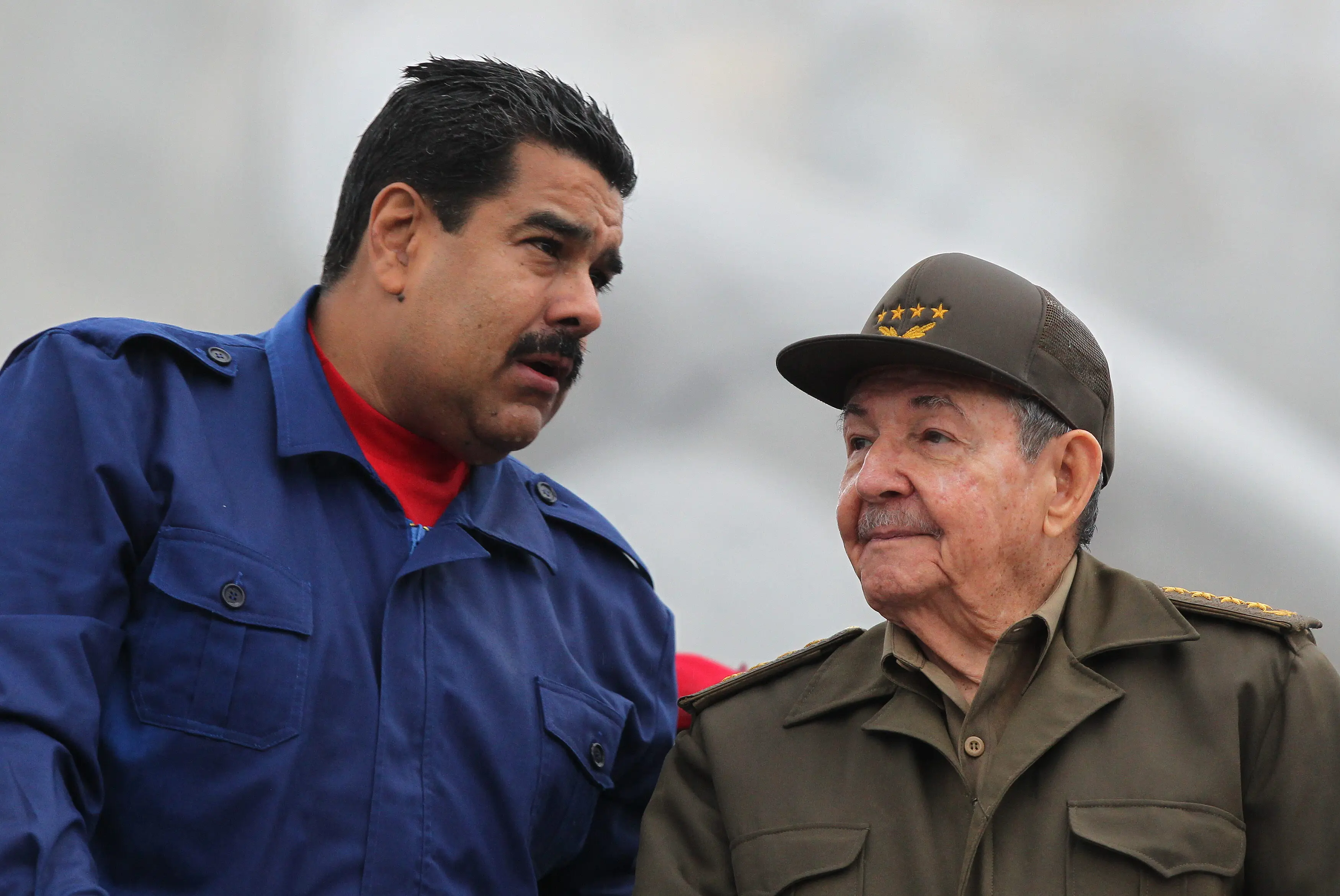
A barrier against mutiny According to Reuters and defecting officers, Cuban military advisors are embedded within Venezuelan armed forces units to oversee decision-making. Their presence acts as a 'firewall', preventing Venezuelan generals from coordinating any effective opposition to the ruling socialist party.
Facilitating the Drug Routes
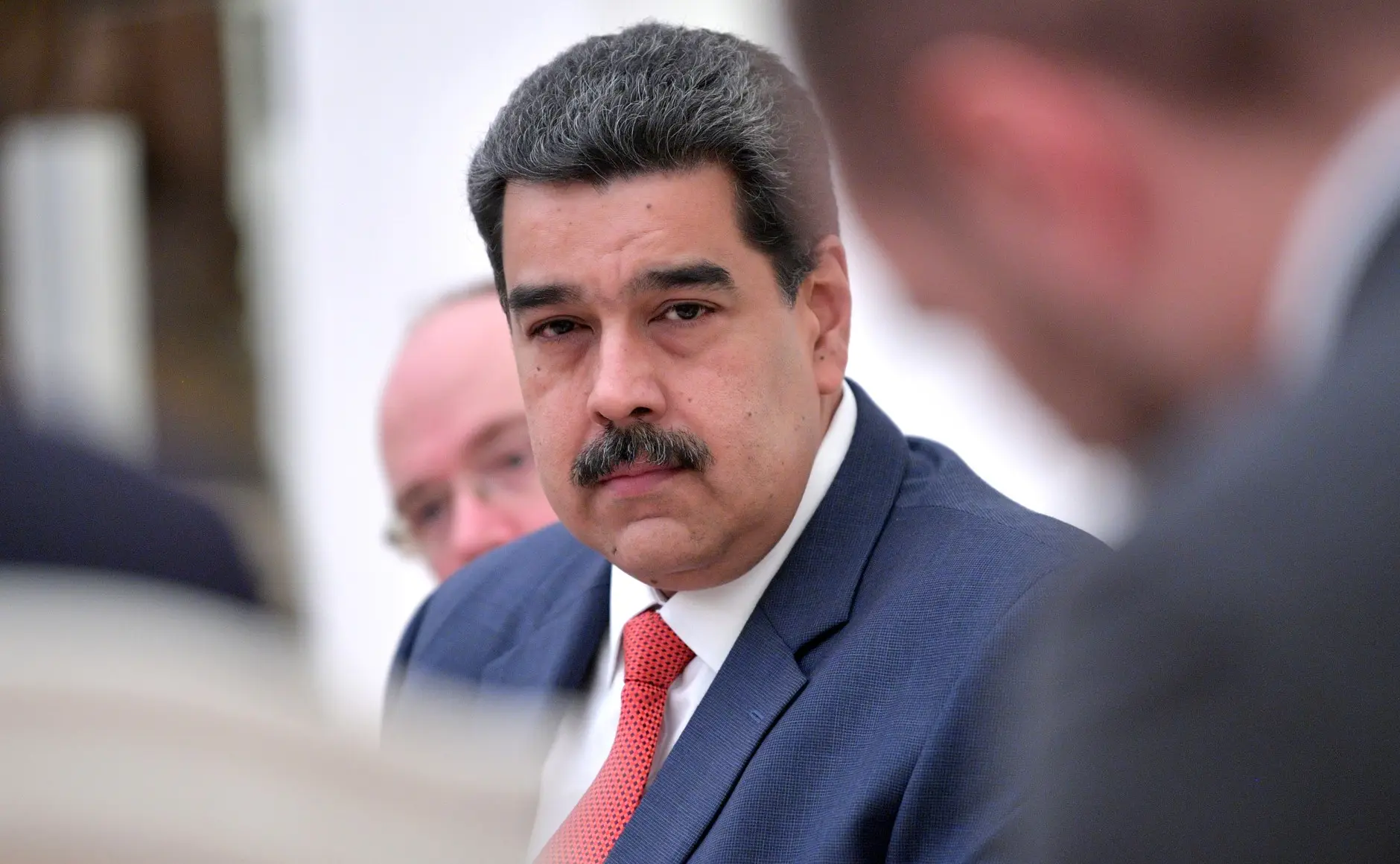
A safe harbour for cartels A report by Cuba Siglo 21 alleges that Havana played a key role in brokering alliances between the Venezuelan state and Colombian guerrilla groups like the FARC. These alliances reportedly turned Venezuela into a primary transit hub for cocaine moving towards the US and Europe.
The 'Cartel of the Suns' Link
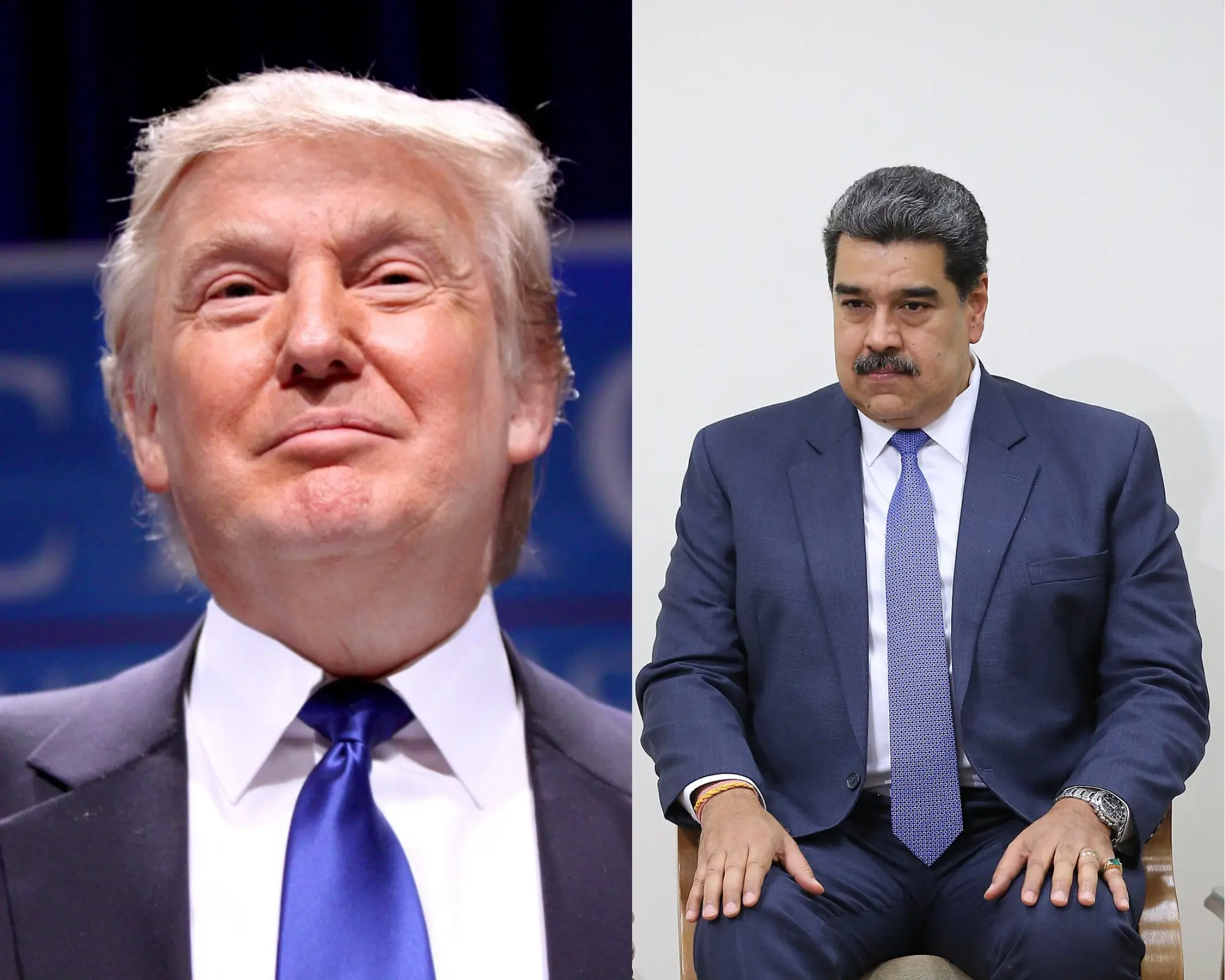
State-sponsored trafficking The US Department of Justice has indicted high-ranking Venezuelan officials for leading the 'Cartel of the Suns'. Investigations suggest that Cuban intelligence condones these operations, using the illicit revenue to bypass international sanctions and fund state operations in both countries.
Digital Authoritarianism
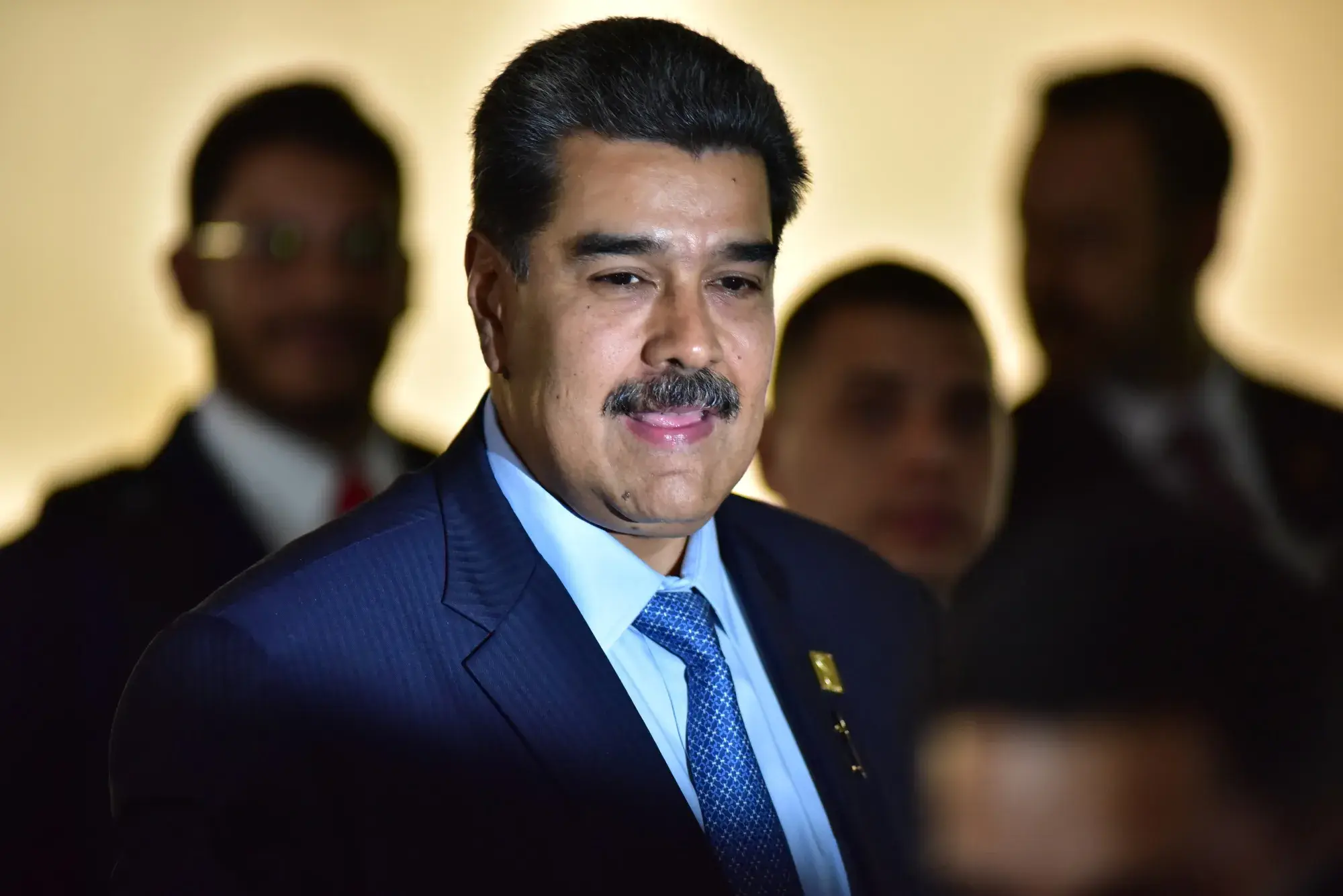
Monitoring millions of citizens, Cuba has exported its surveillance technology and expertise to Caracas. Freedom House notes that Venezuelan identity cards and social control systems, modelled on Cuban databases, allow the state to track citizen behaviour and restrict access to food and services based on political obedience.

Symbiotic Survival
Two regimes, one fate Analysts at InSight Crime describe the relationship as parasitic but mutually essential; if Maduro falls, Cuba loses its energy supply. Consequently, Havana’s agents operate as the regime's 'praetorian guard', prioritising the stability of the Venezuelan government over the welfare of its population.
)
)
)
)