'Ring of Steel': How a single metal detector saved White House Correspondents' Dinner from Cole Tomas Allen

Tomas Allen never made it into the ballroom; he was stopped at the magnetometer checkpoint. Break down the tactical importance of ‘fatal funnels’ and how the Secret Service forces attackers to reveal themselves.
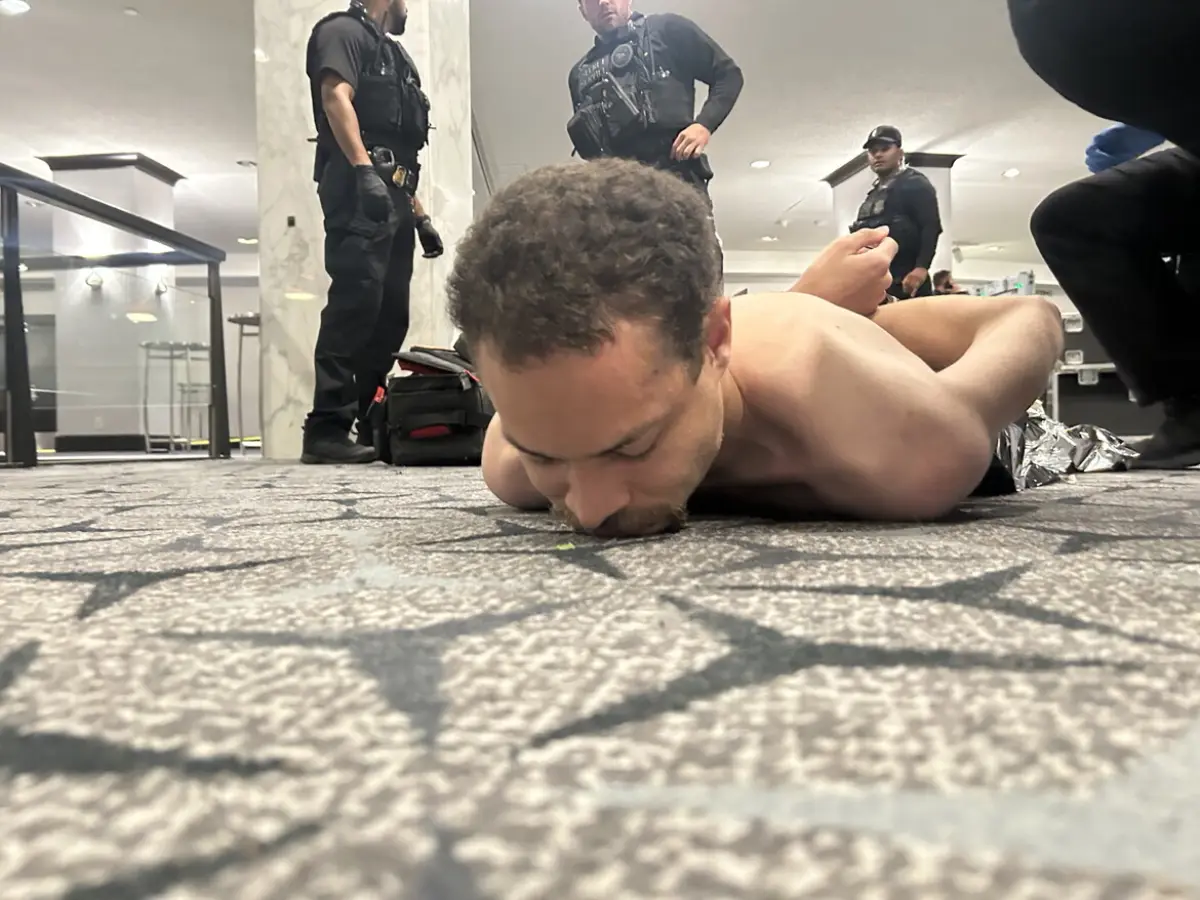
The Invisible Perimeter
When President Trump attends an event like the White House Correspondents' Dinner, the Secret Service establishes concentric rings of security. The most critical of these is the inner ‘Ring of Steel’ a heavily fortified boundary that separates the unvetted public from the sterile zone where the President and VIPs are located.
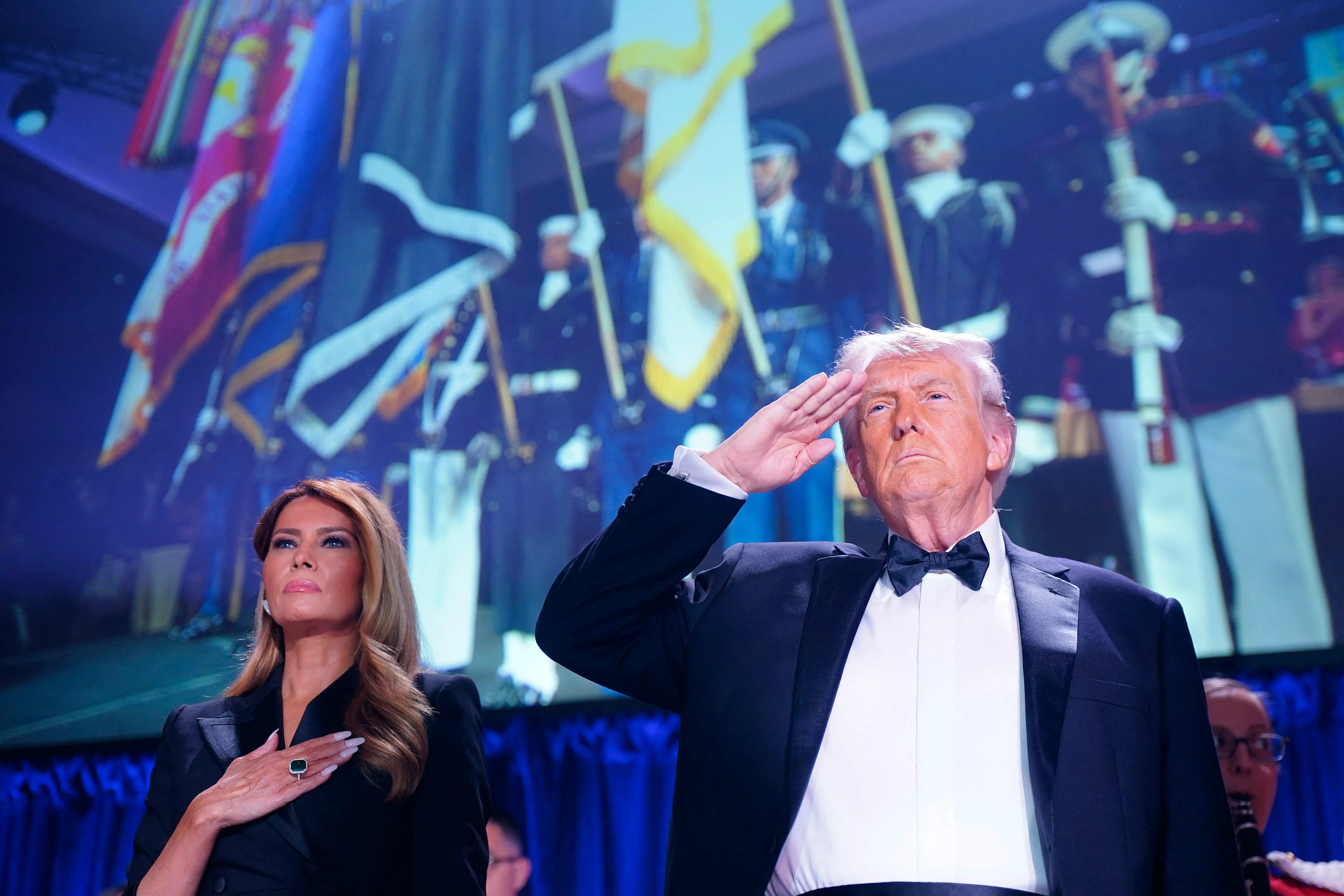
The Magnetometer Checkpoint
The cornerstone of this inner ring is the magnetometer, or metal detector. While the public views them as an annoyance, the Secret Service views them as tactical filters. At the Washington Hilton, every single guest, regardless of status, was forced to pass through this electronic checkpoint before gaining access to the ballroom.
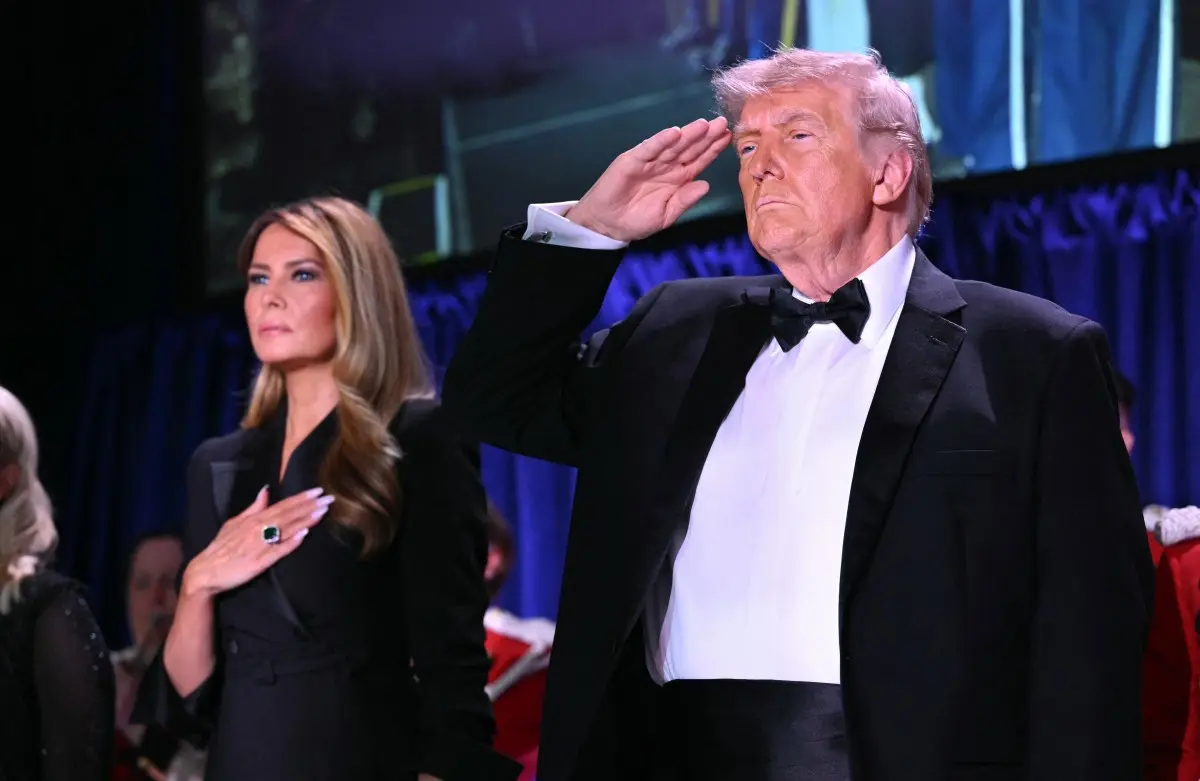
Creating a 'Fatal Funnel'
Checkpoints are intentionally designed to act as physical chokepoints, or ‘fatal funnels.’ By funneling thousands of guests through a narrow, highly controlled area, security forces dictate the exact location where an attacker must engage. If an assassin wants to reach the President, they have no choice but to walk directly into the Secret Service's defensive line.
Forcing the Attacker's Hand
The primary goal of a magnetometer isn't just to find weapons; it is to force an attacker to reveal their intent prematurely. When 31-year-old Cole Tomas Allen approached the checkpoint armed with a shotgun and knives, he realized he could not pass undetected. The checkpoint forced him to launch his attack in the hallway, rather than inside the crowded ballroom.
The First Line of Defense
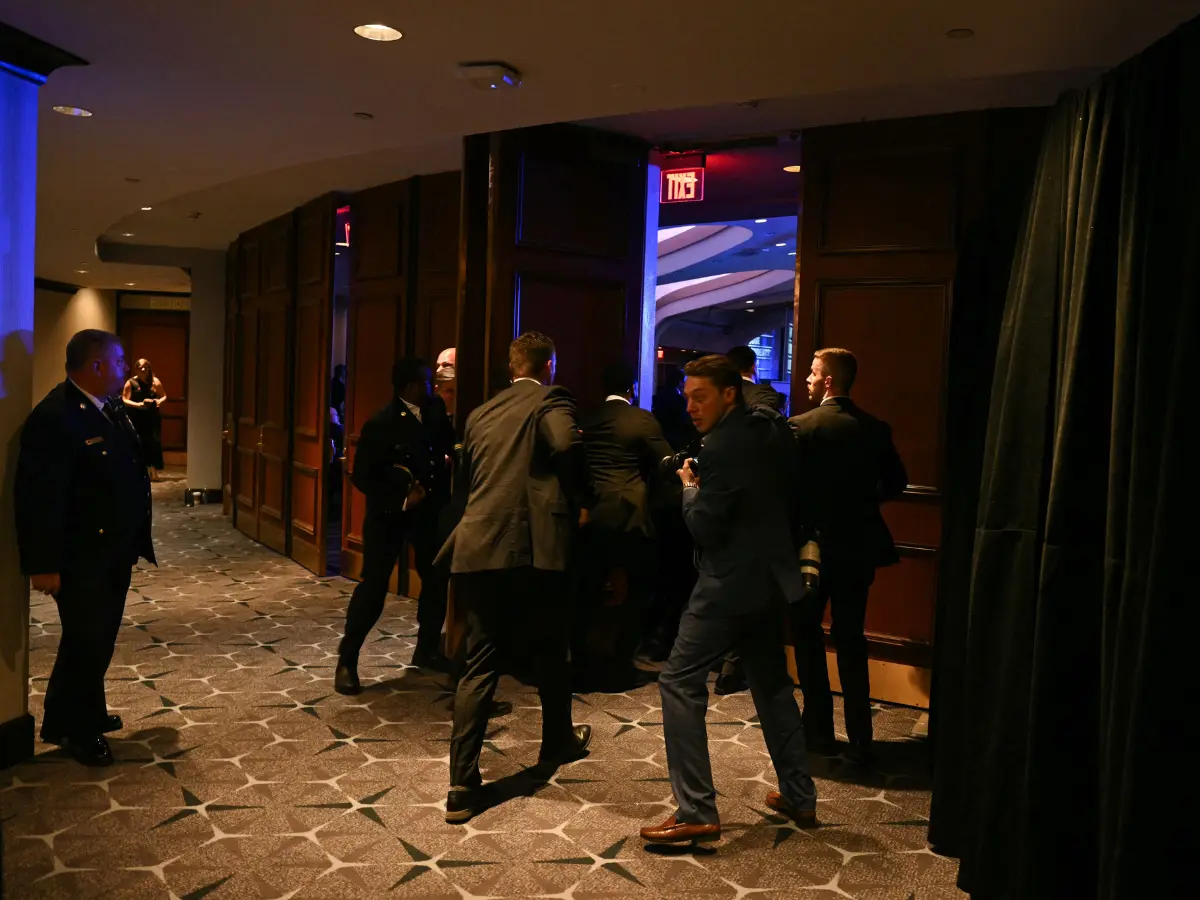
Because the checkpoint forced Allen to act early, the initial violence was contained to the outer perimeter. A brave law enforcement officer stationed at the magnetometer absorbed the first impact of the attack. Although the officer was shot, their bullet-resistant vest and immediate engagement prevented Allen from advancing any further into the venue.
Protecting the Soft Targets
Had Allen bypassed the magnetometer, the results would have been catastrophic. Inside the ballroom were hundreds of ‘soft targets’—unarmed journalists, politicians, and civilians. By stopping the heavily armed lone wolf at the checkpoint, the Secret Service ensured that the chaotic gun battle occurred in a hardened security zone rather than a crowded dining room.
The Ultimate Success
While a shooting at a presidential event is always terrifying, tactically, the Secret Service executed their protocol perfectly. The magnetometer did exactly what it was designed to do: it detected the threat, forced the confrontation outside the sterile zone, and gave the inner detail the precious seconds they needed to safely evacuate President Trump.
)
)
)
)
)