'The real goal of Artemis II': Inside NASA's tech that will keep astronauts alive on Mars

By pushing the Orion spacecraft far beyond low Earth orbit, NASA is rigorously stress-testing vital life-support systems, deep-space radiation shielding, and autonomous navigation protocols.
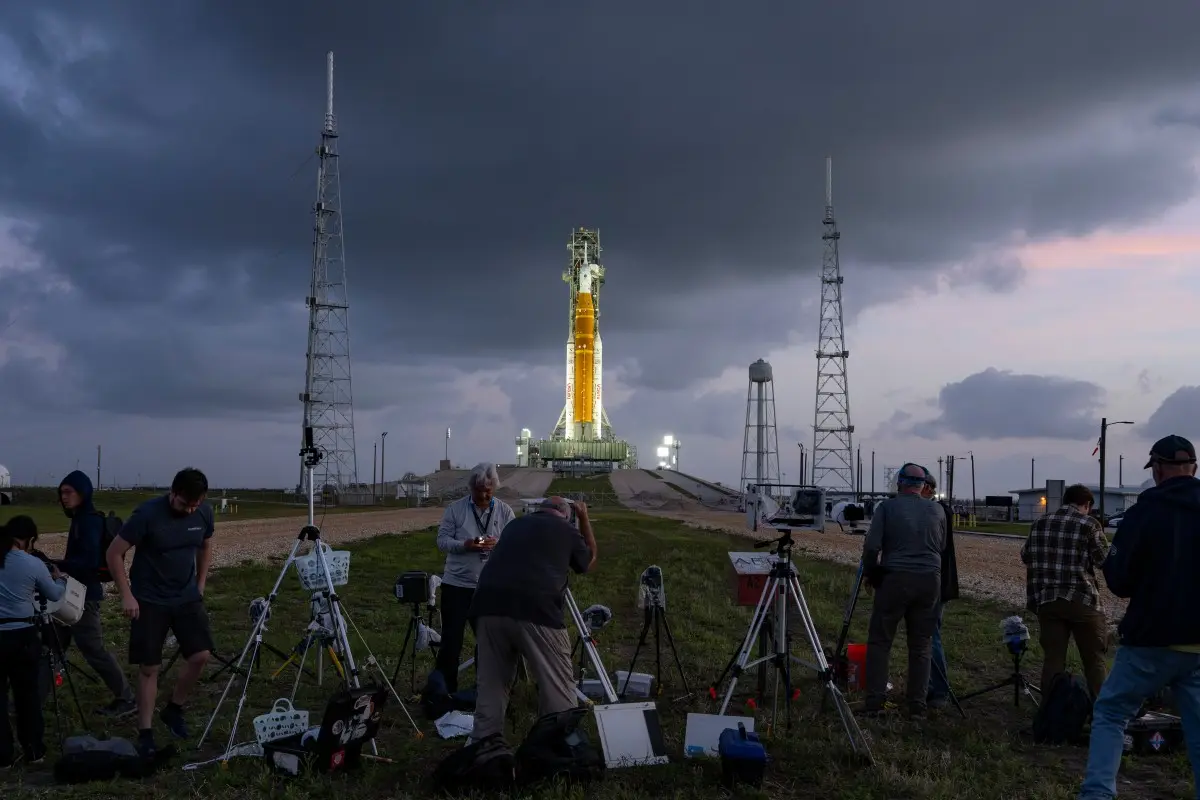
The "Moon to Mars" Masterplan
While the Artemis program is famous for returning humans to the lunar surface, NASA's ultimate objective lies 140 million miles further away. The Artemis II mission is the first crewed deep-space “shakedown cruise” designed to validate the exact technologies, hardware, and operational protocols required for a grueling, multi-year round trip to the Red Planet.
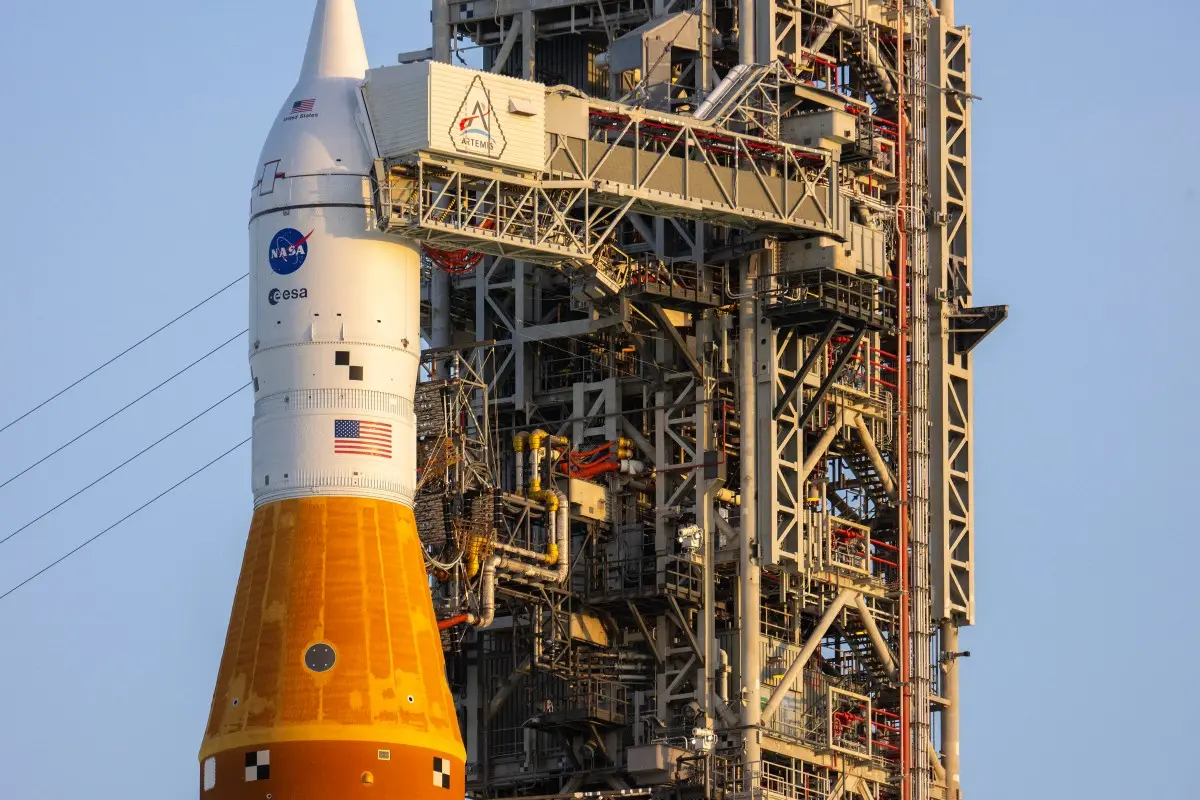
Stress-Testing Life Support (ECLSS)
The 10-day flight is a merciless test of the Orion spacecraft's Environmental Control and Life Support System (ECLSS). During their first 24 hours in orbit, the crew will rigorously test the system's ability to scrub carbon dioxide, regulate cabin temperature, and process water. Proving that these closed-loop systems can sustain human life flawlessly is non-negotiable before sending astronauts on a three-year Mars transit.
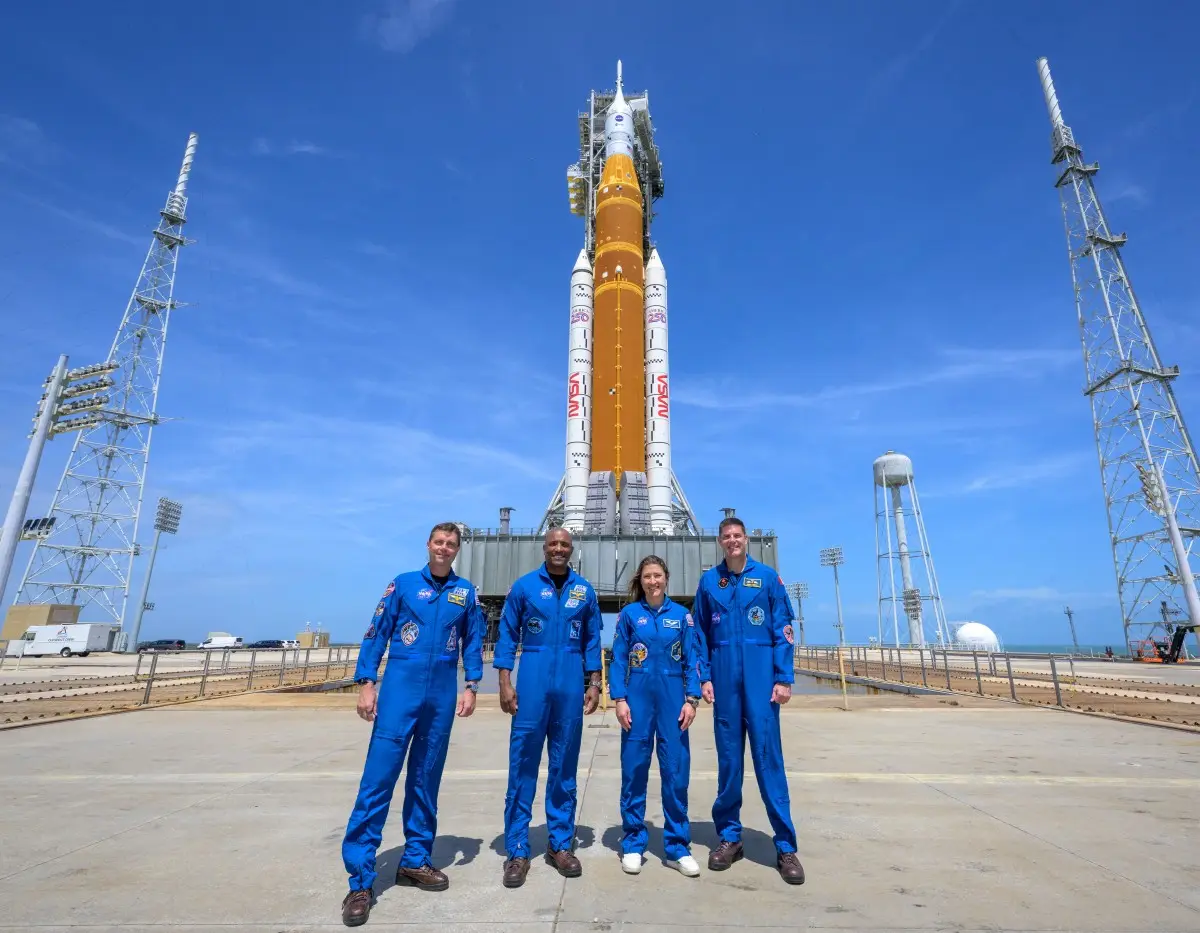
Operating with True Autonomy
Unlike the International Space Station, which sits just a few hours from Earth, a Mars crew will face massive communication delays of up to 20 minutes each way. Artemis II requires its astronauts to operate with unprecedented autonomy. The crew is highly trained to diagnose spacecraft failures, manage competing priorities, and make critical, split-second survival decisions without relying on immediate help from Mission Control in Houston.
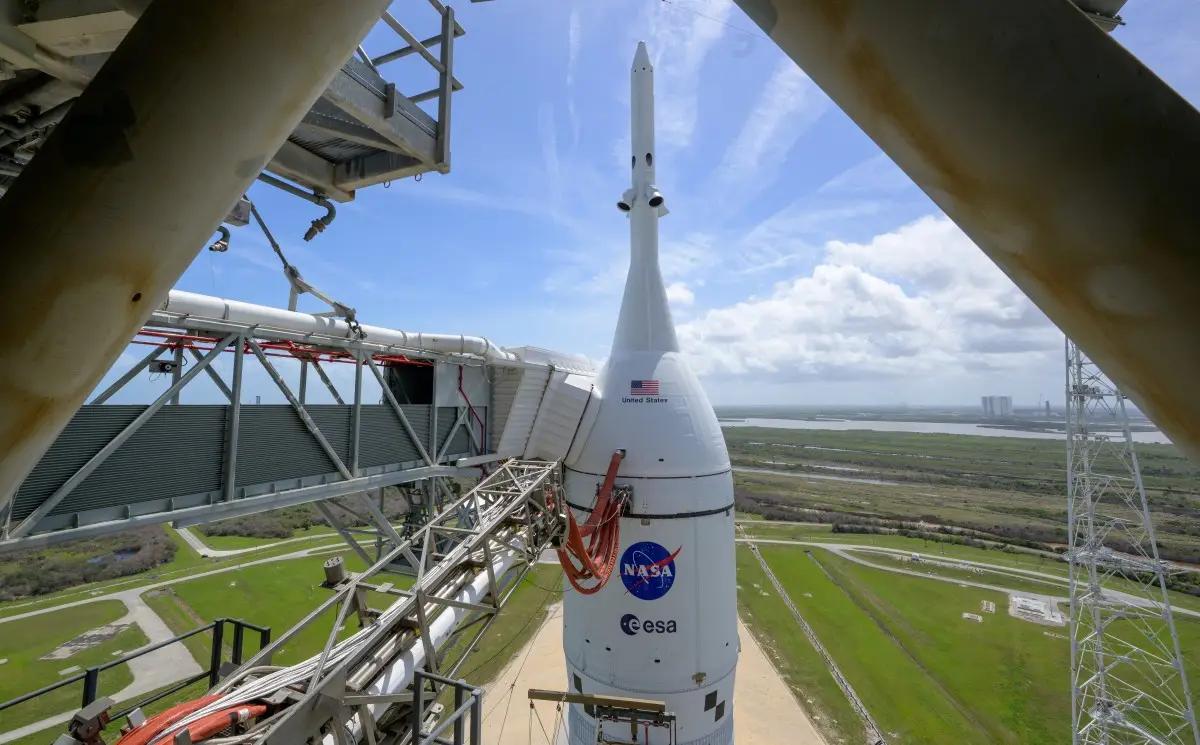
Surviving the Radiation Wilderness
Earth's magnetic field (the Van Allen belts) protects ISS astronauts from the harshest cosmic elements. By traveling nearly 4,000 miles beyond the far side of the Moon, the Artemis II crew will be exposed to intense solar and cosmic radiation. The mission will gather vital data on this radiation environment and test the shielding capabilities of the Orion capsule and the crew's survival suits—essential research for preventing severe radiation sickness on a Mars voyage.

Next-Gen Deep Space Navigation
Hitting a precise trajectory across millions of miles of empty space leaves zero room for error. Following launch, Pilot Victor Glover will take manual control of Orion to perform proximity operations and maneuvering tests. This will validate the spacecraft's handling qualities and deep-space navigation systems, ensuring future crews can successfully execute the complex injection burns required to reach Martian orbit.
The Psychological Baseline
On a mission to Mars, Earth will eventually fade into just another star in the black sky. The Artemis II flyby serves as an initial psychological and behavioral baseline for deep-space isolation. Traveling nearly 400,000 kilometers from home, NASA will monitor how the crew handles the immense psychological pressure of having no rapid abort options and no quick way home.
Medical Data for Martian Gravity
The mission will closely monitor the crew's biometric data, tracking how their bodies adapt to microgravity outside low-Earth orbit. Astronauts will conduct physical stress tests using onboard exercise equipment. This space biology research is the foundational step in understanding bone density loss and cardiovascular changes in deep space, ensuring humans arrive on Mars healthy enough to operate in its gravity well.
)
)
)
)
)