The physics behind 3I/ATLAS’s unusual speed explained

3I/ATLAS moves at 58 km/s on a hyperbolic path, boosted by the Sun’s gravity. This speed shows it is a billion-year-old visitor from outside our solar system. Know more below.
3I/ATLAS’s Speed?
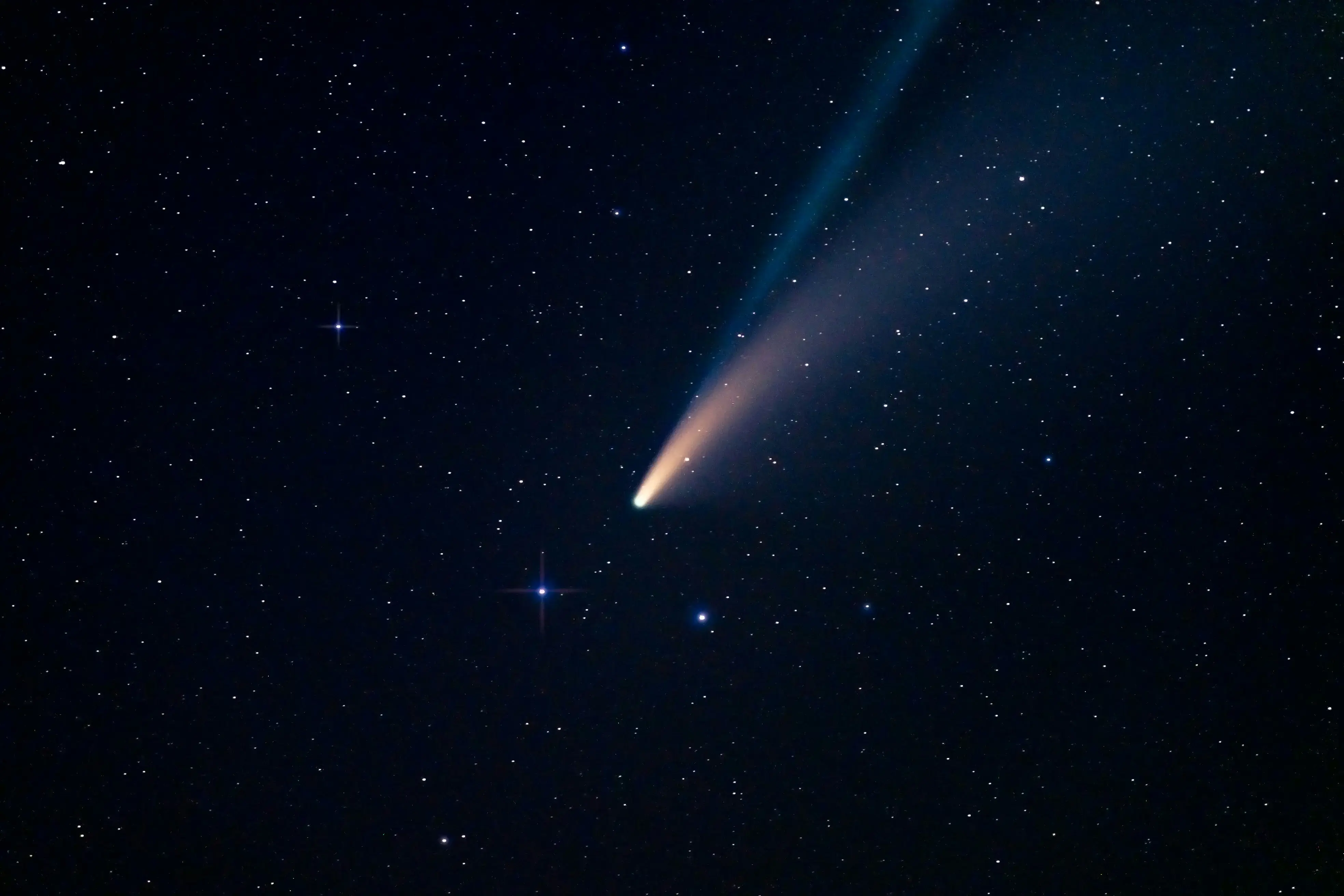
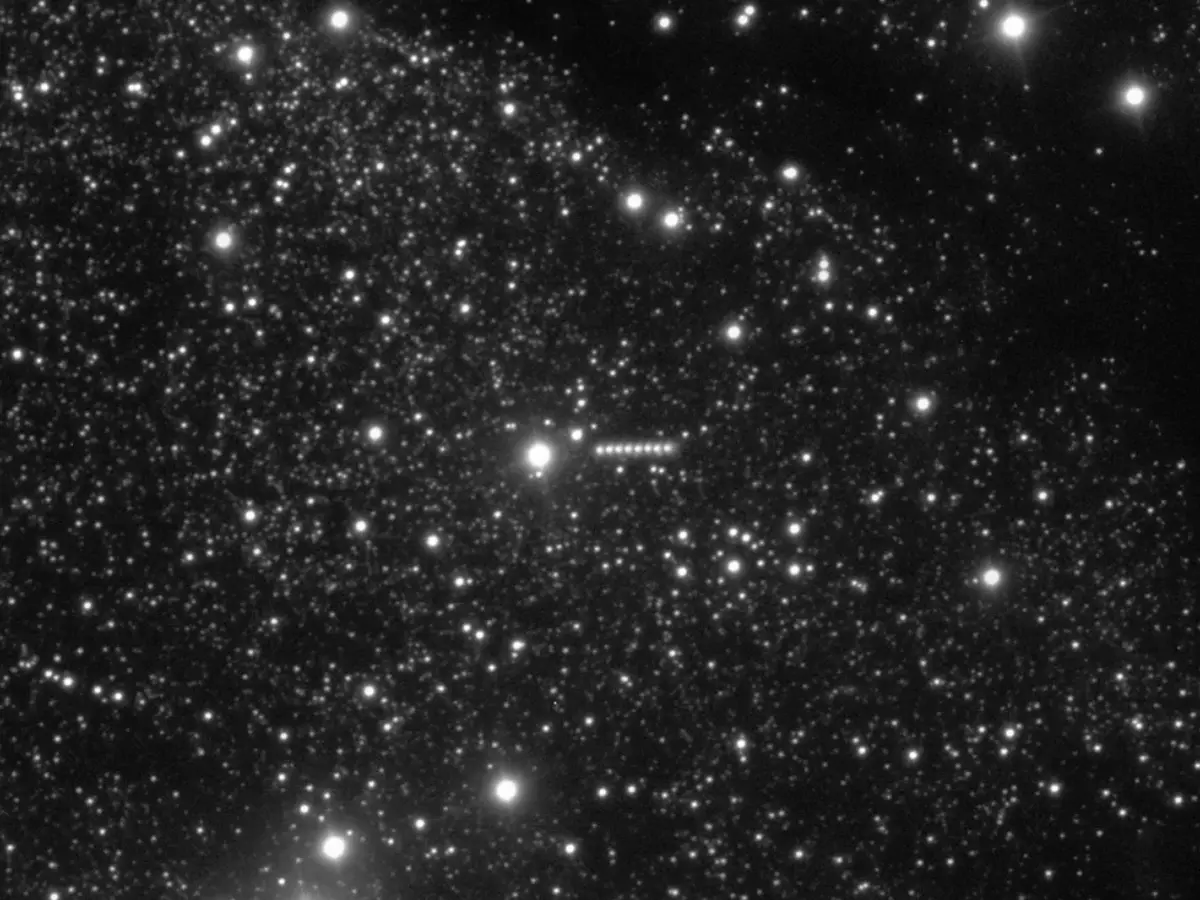
3I/ATLAS travels at around 58 kilometres per second (about 130,000 miles per hour). This is faster than earlier interstellar visitors like ʻOumuamua (26 km/s) and Borisov (32 km/s). Its speed is so high because it is not held by the Sun’s gravity it’s just passing through.
Hyperbolic Orbit - The Shape of Speed
3I/ATLAS follows a hyperbolic orbit with an eccentricity of about 6.1. Unlike planets or comets with elliptical orbits, a hyperbolic path means the comet is traveling too fast to be captured by the Sun and will leave the solar system forever.
Gravity’s Power Boost
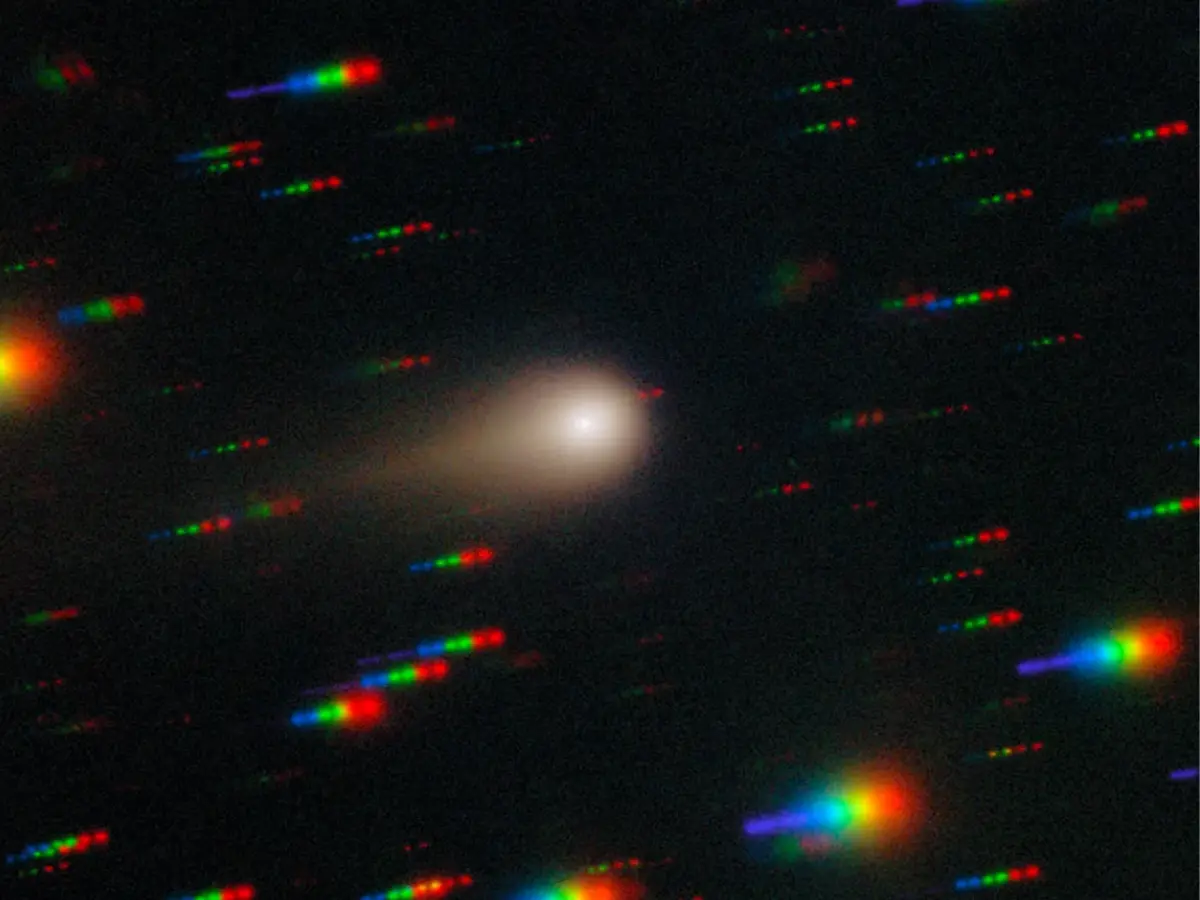
As 3I/ATLAS nears the Sun, its speed increases due to the Sun’s gravity pulling it in a process called gravitational slingshot. This effect happens when an object uses a planet or star’s gravity like a "boost" to gain speed. This is why 3I/ATLAS’s speed rises as it moves just before the Sun.
A Long Cosmic Journey
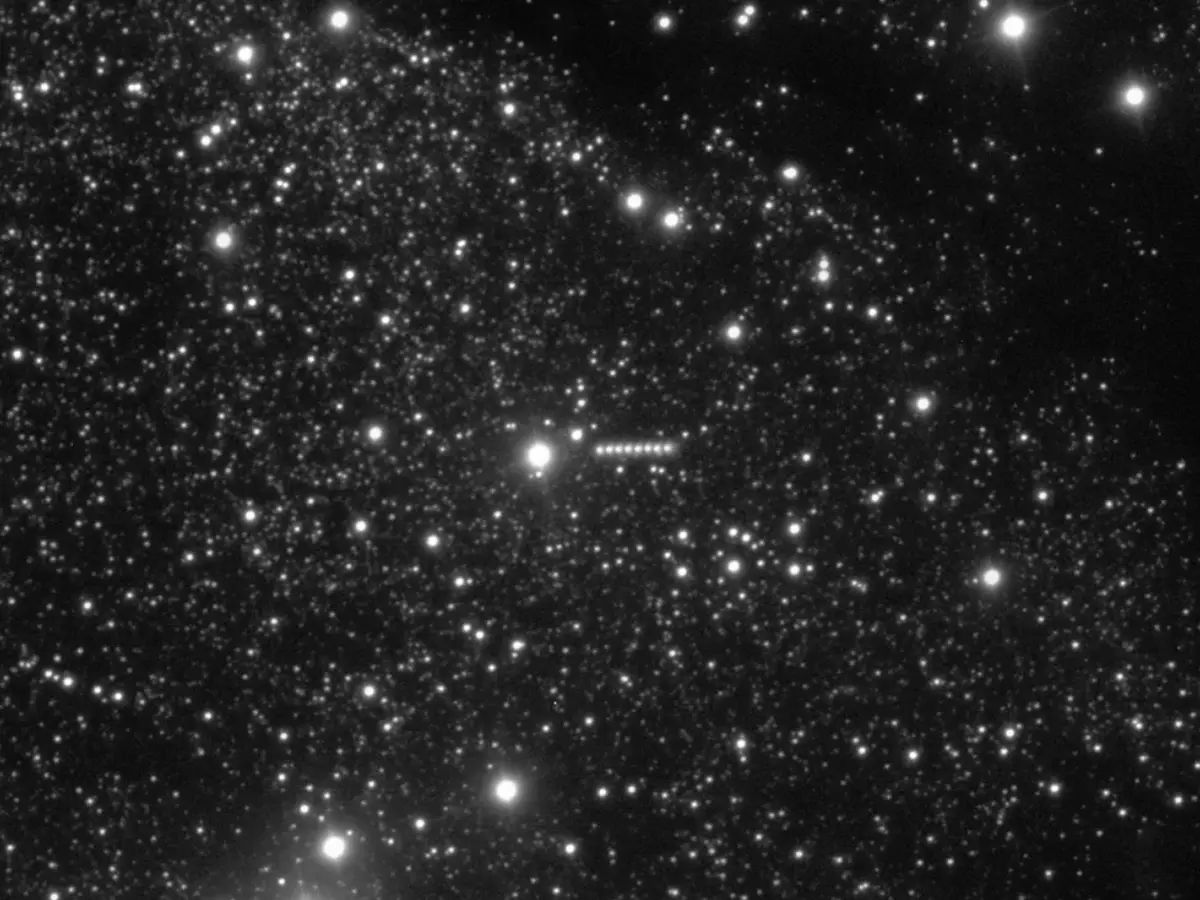
Its speed shows 3I/ATLAS has traveled through interstellar space for billions of years. The comet likely came from the thick disc of the Milky Way, a region of older stars with different compositions than our Sun. This suggests the comet is very old, possibly over 10 billion years.

The Scientifically Surprising Lack of Acceleration
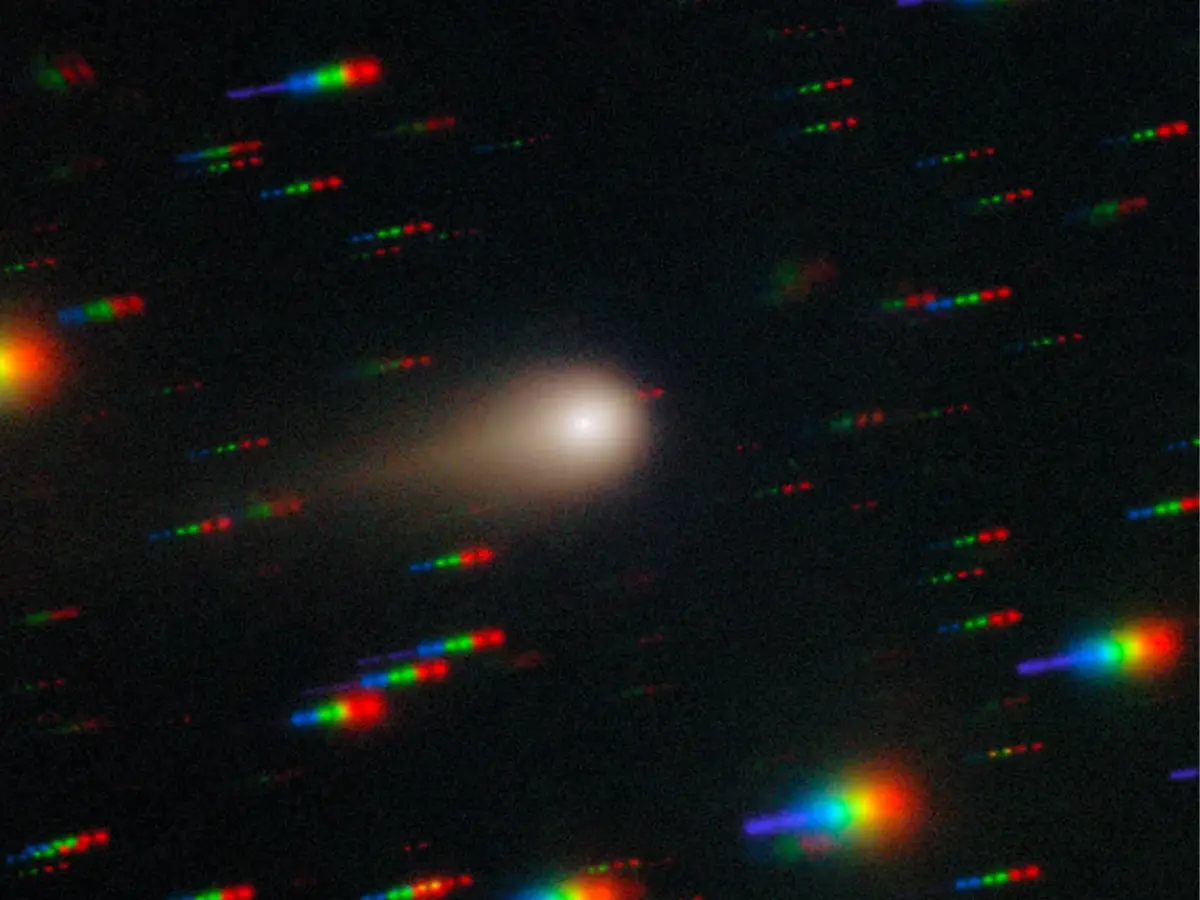
Despite releasing gas and dust jets (outgassing), which usually slows or speeds comets, 3I/ATLAS shows very little change in speed. This suggests it is unusually massive about 5 kilometres wide and denser than expected, making it less affected by the forces of outgassing.
What Does All This Tell Us?
The speed and motion of 3I/ATLAS tell us about its origin and physical makeup, distinguishing it from other space visitors. These factors help scientists model the formation and evolution of matter beyond our solar system, revealing secrets of the galaxy’s history.
Why Its Speed Matters
The incredible speed of 3I/ATLAS allows astronomers to track and study it, using telescopes around the globe and in space. Understanding this will prepare us for future interstellar objects and improve planetary defence and cosmic knowledge.