PM Modi warns against ‘dimagi Naxals’ in Diwali speech, celebrates festival with jawans | IN PICS

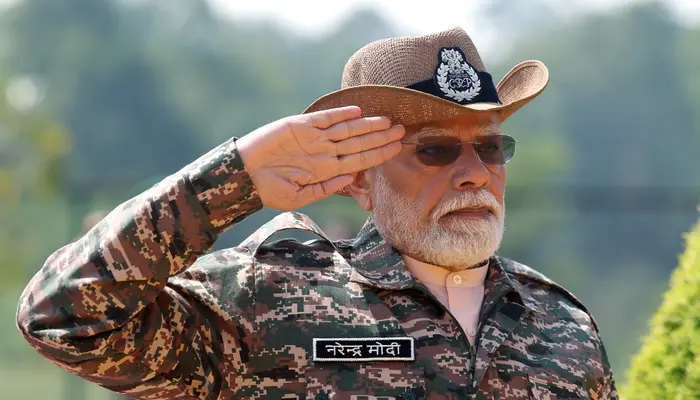
PM Narendra Modi has celebrated Diwali with the armed forces for 13 consecutive years since taking office in 2014. The tradition, which dates back to his personal association with security personnel over three decades ago, continued in 2026 with celebrations in Chhattisgarh's Bastar.
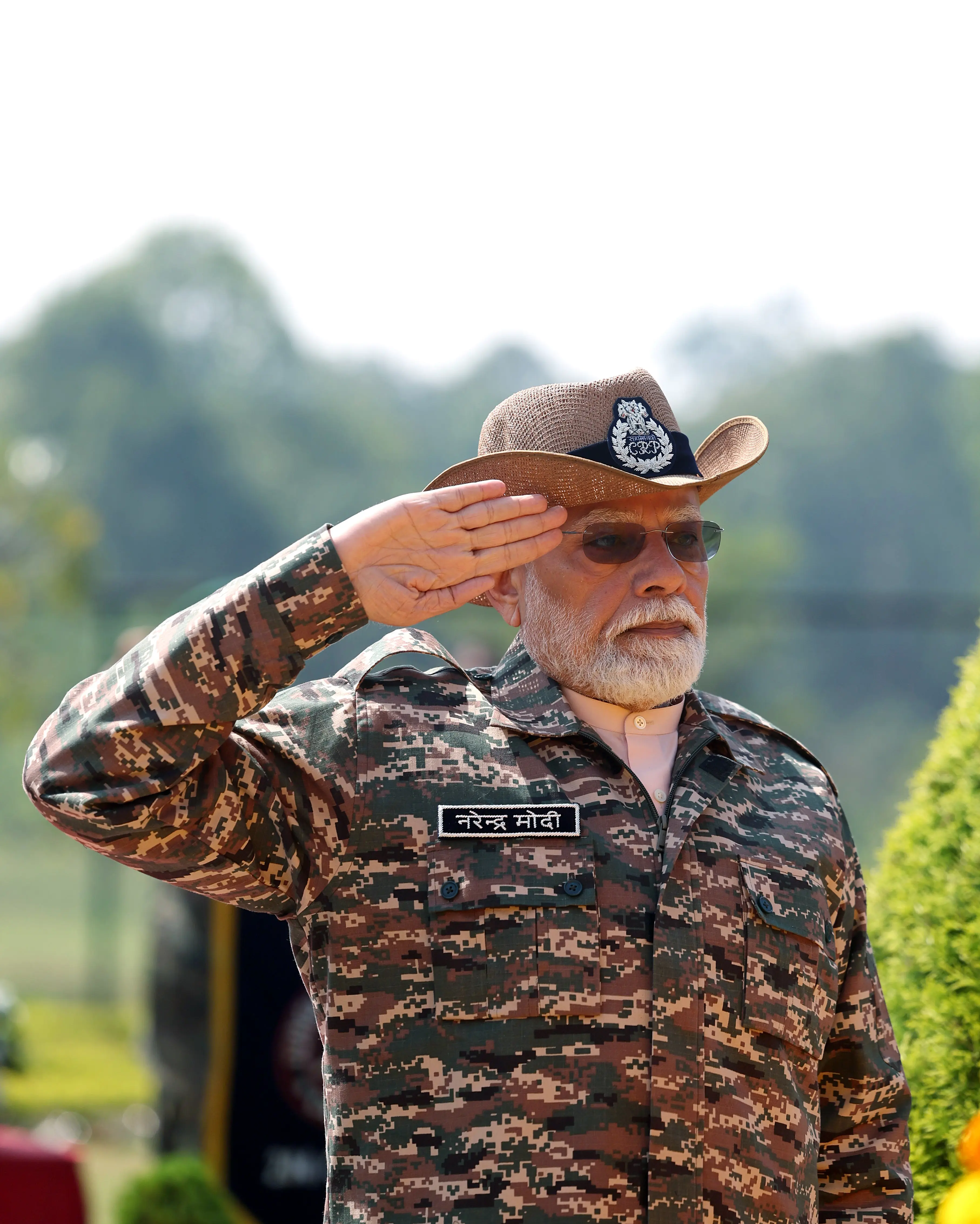
PM Modi celebrates Diwali with security forces in Bastar, warns against 'dimagi Naxals'
Prime Minister Narendra Modi celebrated Diwali 2026 with security personnel deployed in anti-Naxal operations in Chhattisgarh's Bastar on Sunday, describing the occasion as special as it marked the first festival of lights since the country's success in its decades-long battle against Maoism. However, while declaring that armed Naxalism had ended, the Prime Minister warned that the threat from "dimagi Naxals" remained, alleging that they had infiltrated political parties and various organisations.
"This Diwali in 2026 is truly special. This is the first Diwali since the nation won its decades-long battle against Naxalism and Maoist terror. This is the first Diwali where every single district in the country is free from Naxalism," Modi said while addressing security personnel.
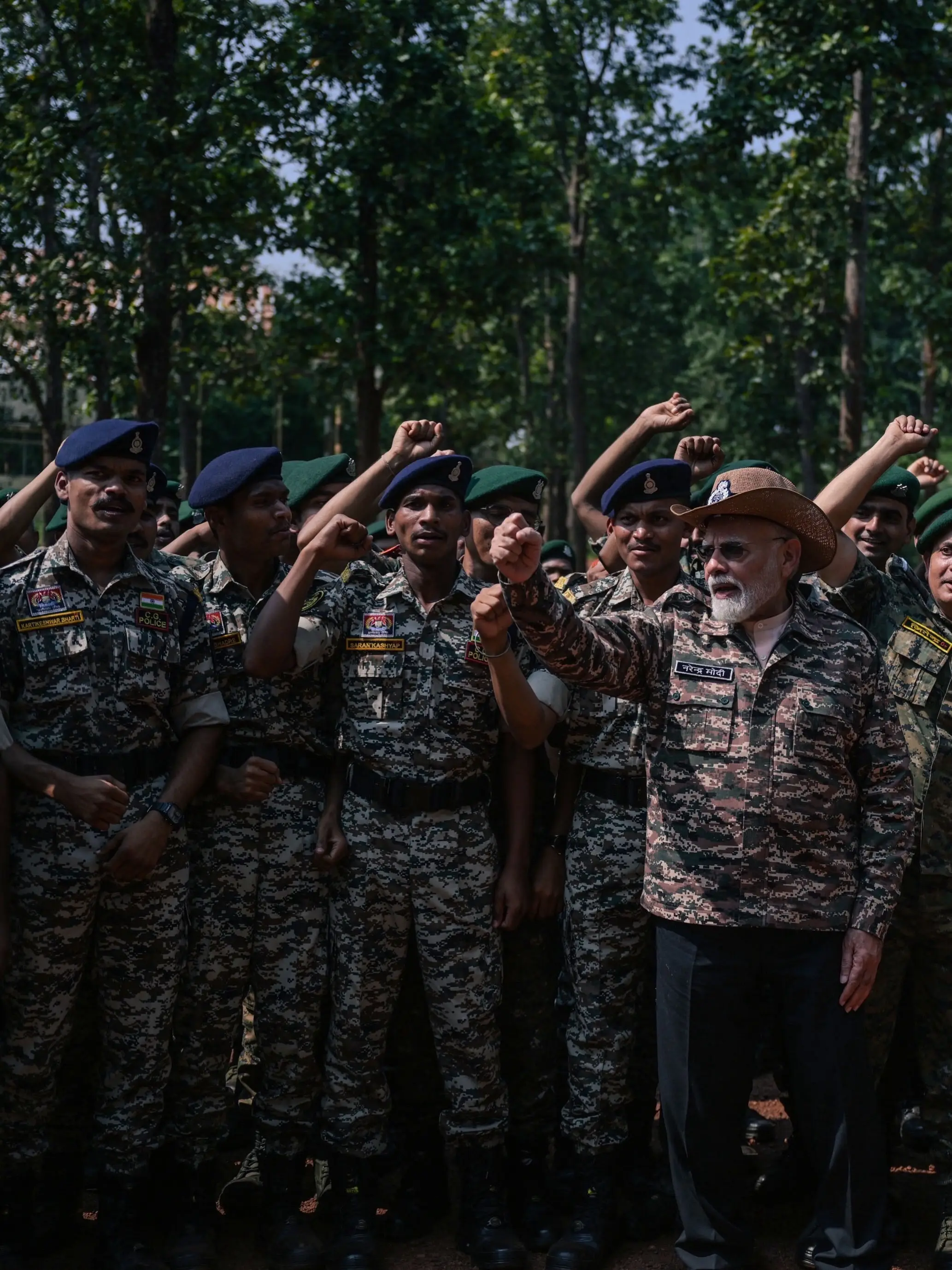
PM Modi celebrates Diwali with CoBRA personnel in Bastar
Continuing his tradition of celebrating Diwali with the country's security forces, Modi visited the CoBRA Operations Base in Karanpur, which has historically served as a key launchpad for operations in Abujhmad and the Bastar region.
The Prime Minister paid tribute to fallen Central Reserve Police Force (CRPF) personnel at the camp memorial before joining security forces in the festivities. In scenes of celebration, troops danced to traditional tribal songs around Modi, while chants of "Bharat Mata Ki Jai" filled the atmosphere.
Explaining why he chose to spend the festival with security personnel, Modi described them as members of his family.
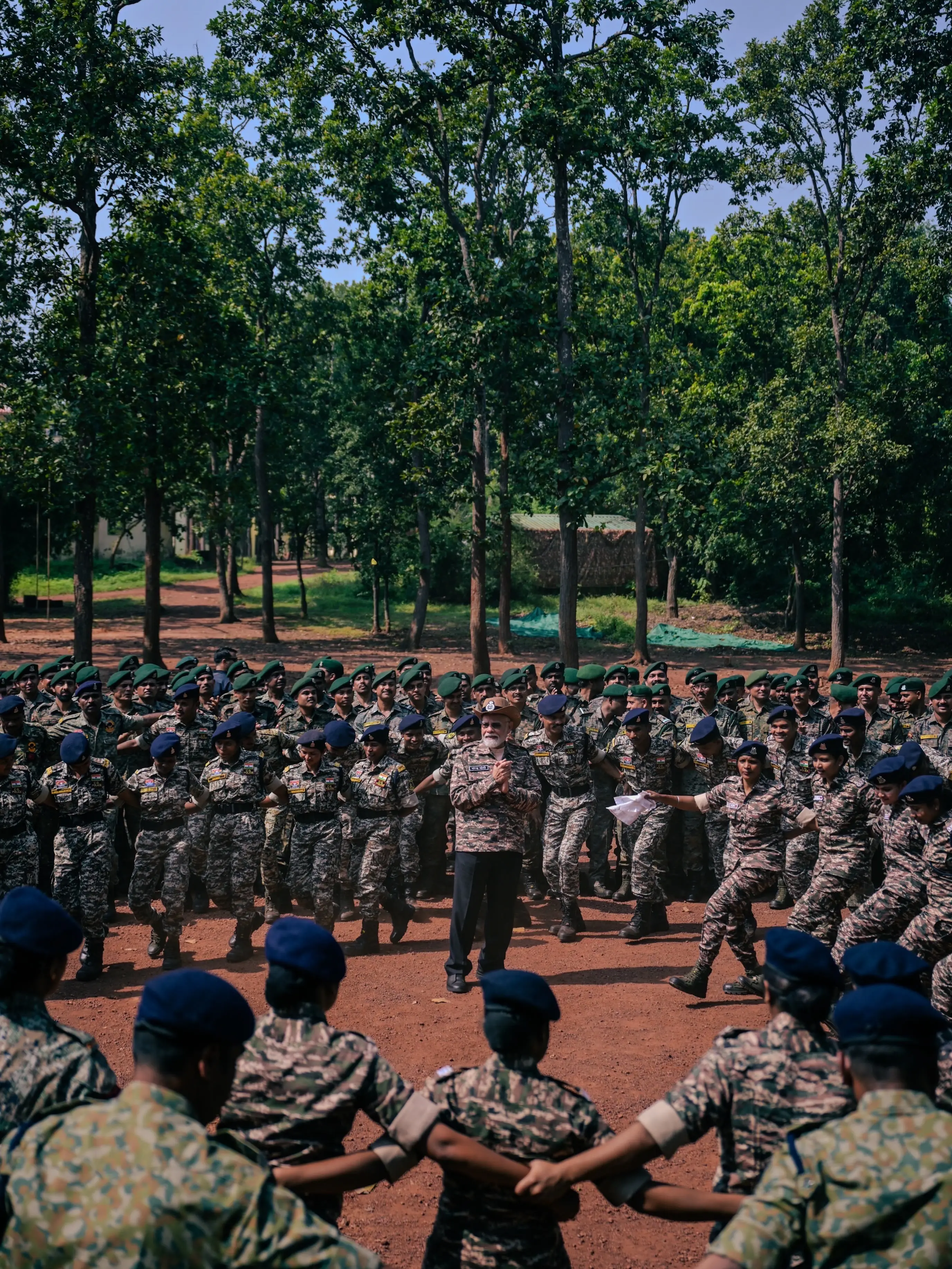
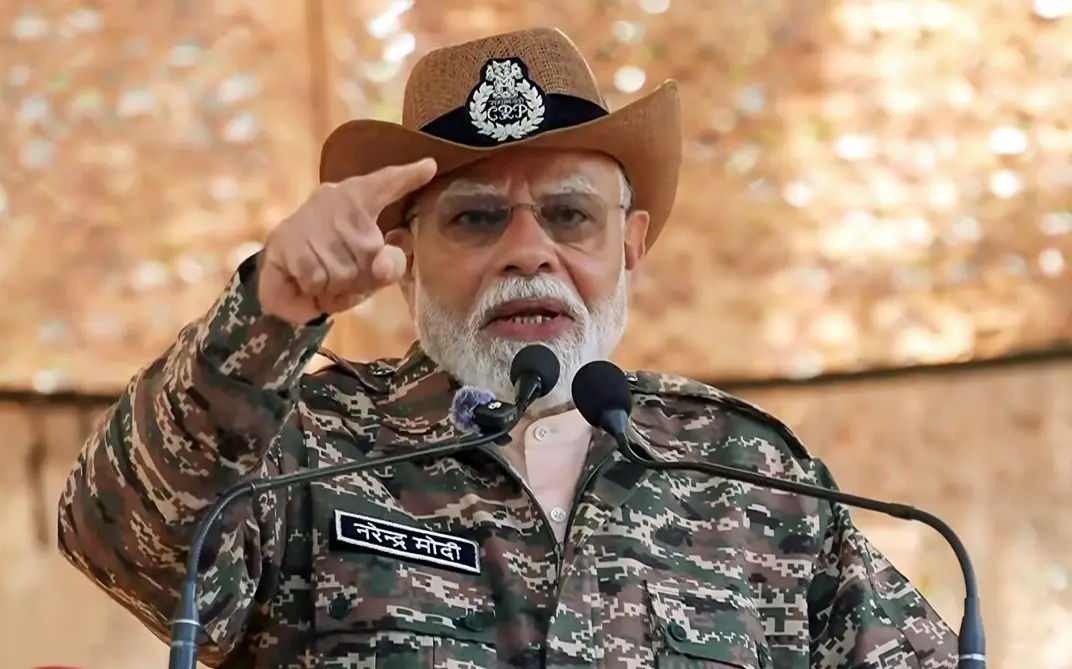
Dimagi Naxals' have infiltrated political parties, says PM Modi
While celebrating the government's success against armed Maoist groups, Modi cautioned that the ideological threat associated with Naxalism had not disappeared.
"While the armed Naxalites have been eliminated, 'dimagi Naxals' have taken control of various organisations. Even today, they continue to incite people against the Constitution and democracy," the Prime Minister said.
In a clear reference to alleged attempts to create unrest, Modi claimed that ideological Naxalites had infiltrated several political parties and other organisations.
"These ideological Naxalites have infiltrated several political parties and diverse organisations. We must identify them, defeat them and ensure the nation's security," he added.
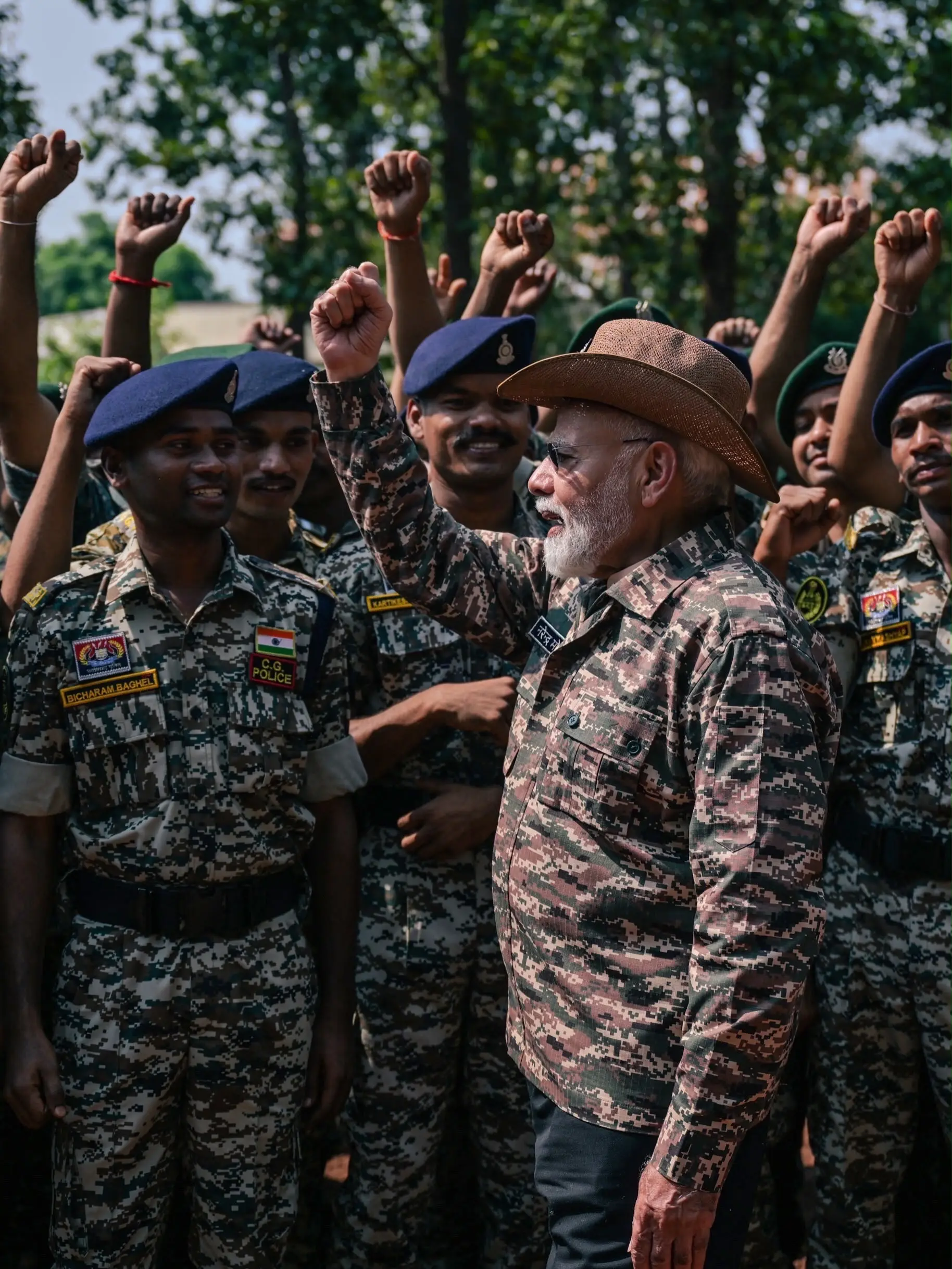
Bastar moves from Naxal stronghold to development focus
Highlighting the transformation of Bastar, Modi said the region was witnessing a new phase of development following the decline of the Maoist insurgency.
"Owing to your sacrifice and dedication, the menace of Naxalism has now ended in this very region, and a new wave of development has begun," he said.
Naxalism had long been a major obstacle to development in Bastar, affecting access to education, healthcare, roads, electricity, communication, tourism and employment. With security conditions improving, these sectors are expected to receive fresh momentum.
The CRPF has played a key role in anti-Naxal operations across the region, with security personnel at the forefront of efforts to dismantle the Maoist network.
Amit Shah's policy on Naxalism: Surrender or face action
Union Home Minister Amit Shah has been at the forefront of the government's campaign to eliminate Naxalism. The Centre's approach has focused on encouraging Maoists to abandon violence and return to mainstream society while taking action against those who continue to threaten civilians and security forces.
According to Shah, the government's policy is clear: those who surrender and give up violence are given an opportunity to rebuild their lives, while security forces act against those who break the law and endanger innocent citizens.
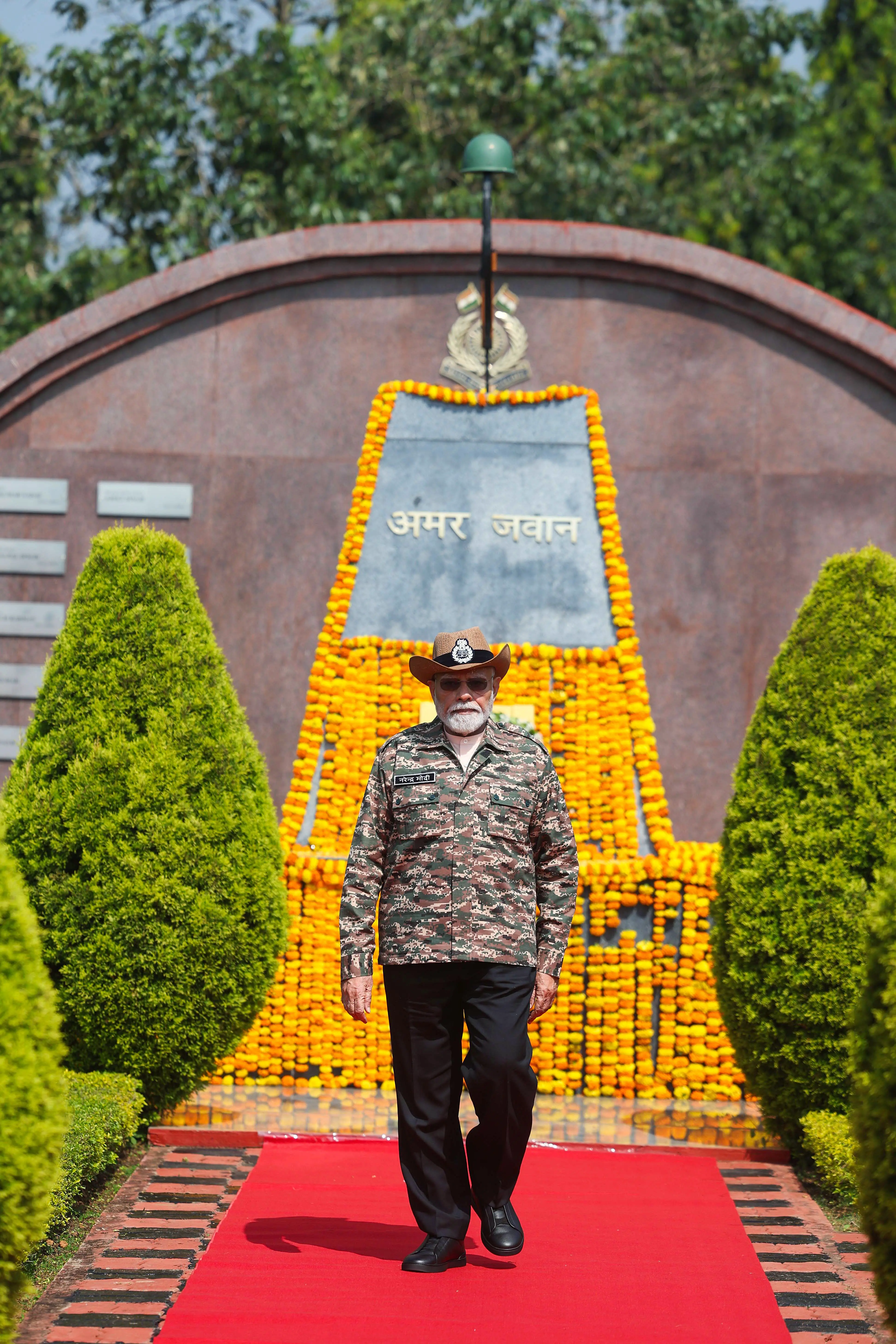
PM Modi's 13-year Diwali tradition with armed forces
Several people have surrendered during the campaign and chosen to return to the mainstream. PM Modi's Diwali visit to Bastar comes against this backdrop, with the government highlighting the region's transition from a Maoist-affected area to one focused on peace and development.