The own goal that ended in murder: The tragic story of Andres Escobar and 1994 FIFA World Cup

A World Cup own goal, a nation's heartbreak, and a murder that shocked football forever. Relive the tragic story of Colombian defender Andres Escobar through this powerful photo gallery
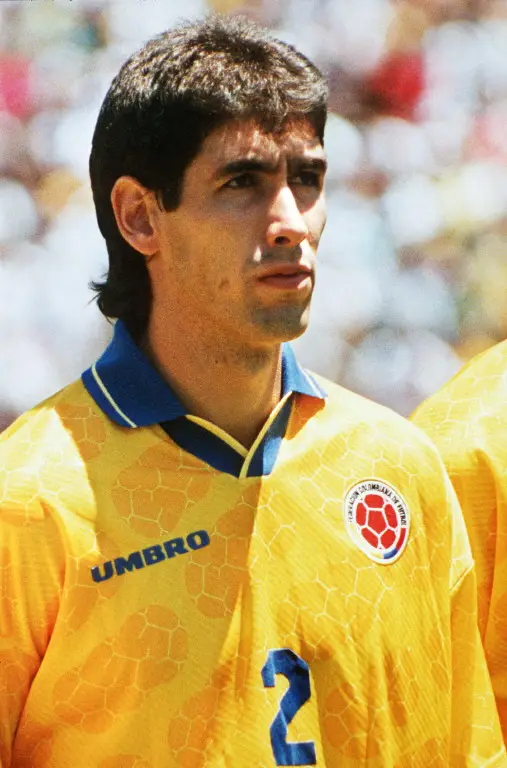
Andres Escobar: Colombia's gentleman defender
Before tragedy struck, Andres Escobar was one of Colombia's most respected footballers. Nicknamed ‘The Gentleman’ for his calm personality and clean style of play, Escobar had become a cornerstone of Colombia's golden generation. Playing for Atletico Nacional and the national team, he was admired for his leadership and professionalism. At just 27 years old, he appeared destined for an even bigger future in European football. Few could have imagined that a single moment at the 1994 FIFA World Cup would transform his name into one of football's most tragic stories.
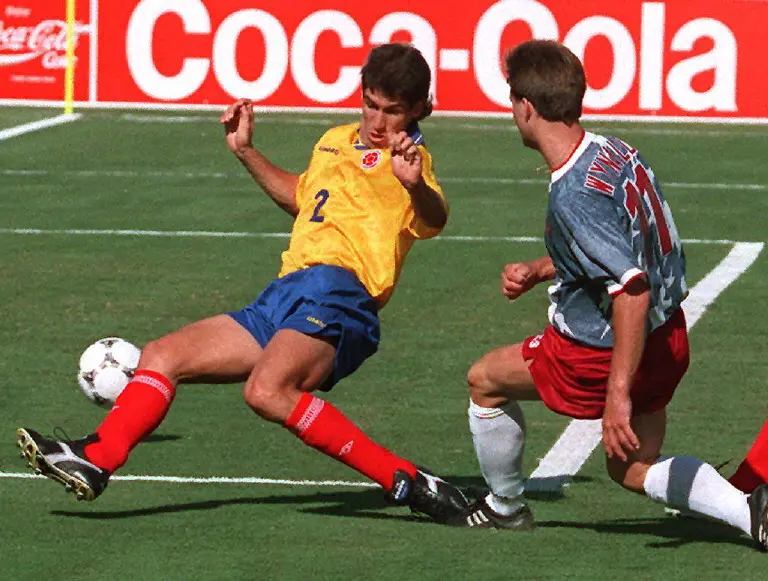
Colombia arrives at the 1994 World Cup as a favorite
Heading into the tournament in the United States, Colombia was widely viewed as a dark-horse contender for the title. The team had stunned the football world by defeating Argentina 5-0 in Buenos Aires during qualification and featured stars such as Carlos Valderrama, Faustino Asprilla and Escobar. Expectations were enormous, both inside Colombia and abroad. However, an opening defeat to Romania placed the team under intense pressure. What was supposed to be a triumphant World Cup campaign quickly began turning into a nightmare that nobody saw coming.
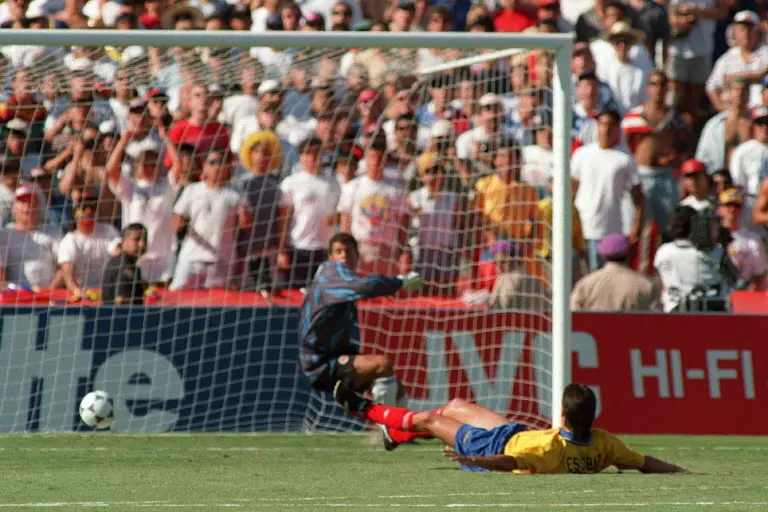
The own goal that shocked a nation
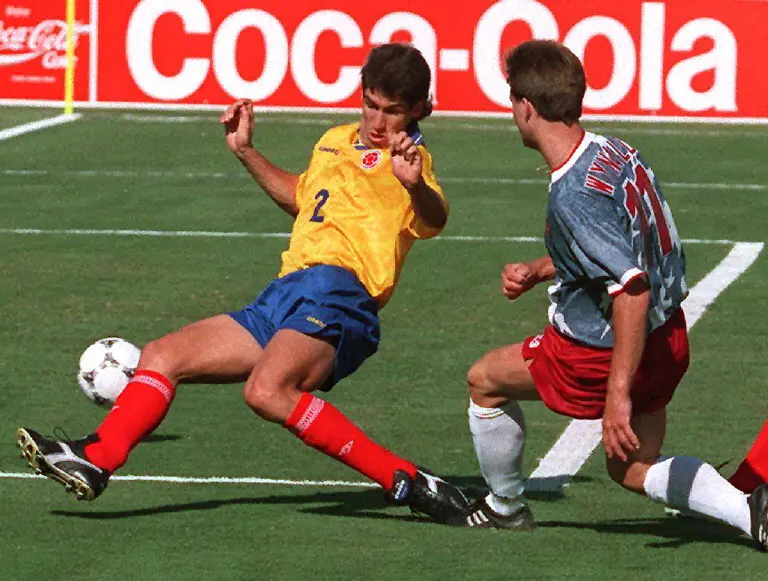
On June 22, 1994, Colombia faced the United States in a must-win group-stage match. During the first half, Escobar attempted to intercept a dangerous cross but accidentally redirected the ball into his own net. The own goal gave the United States a crucial lead and ultimately contributed to Colombia's 2-1 defeat. The result left the heavily favored Colombians on the brink of elimination. While football is filled with mistakes and own goals, this particular moment became one of the most infamous in World Cup history because of the devastating events that followed.
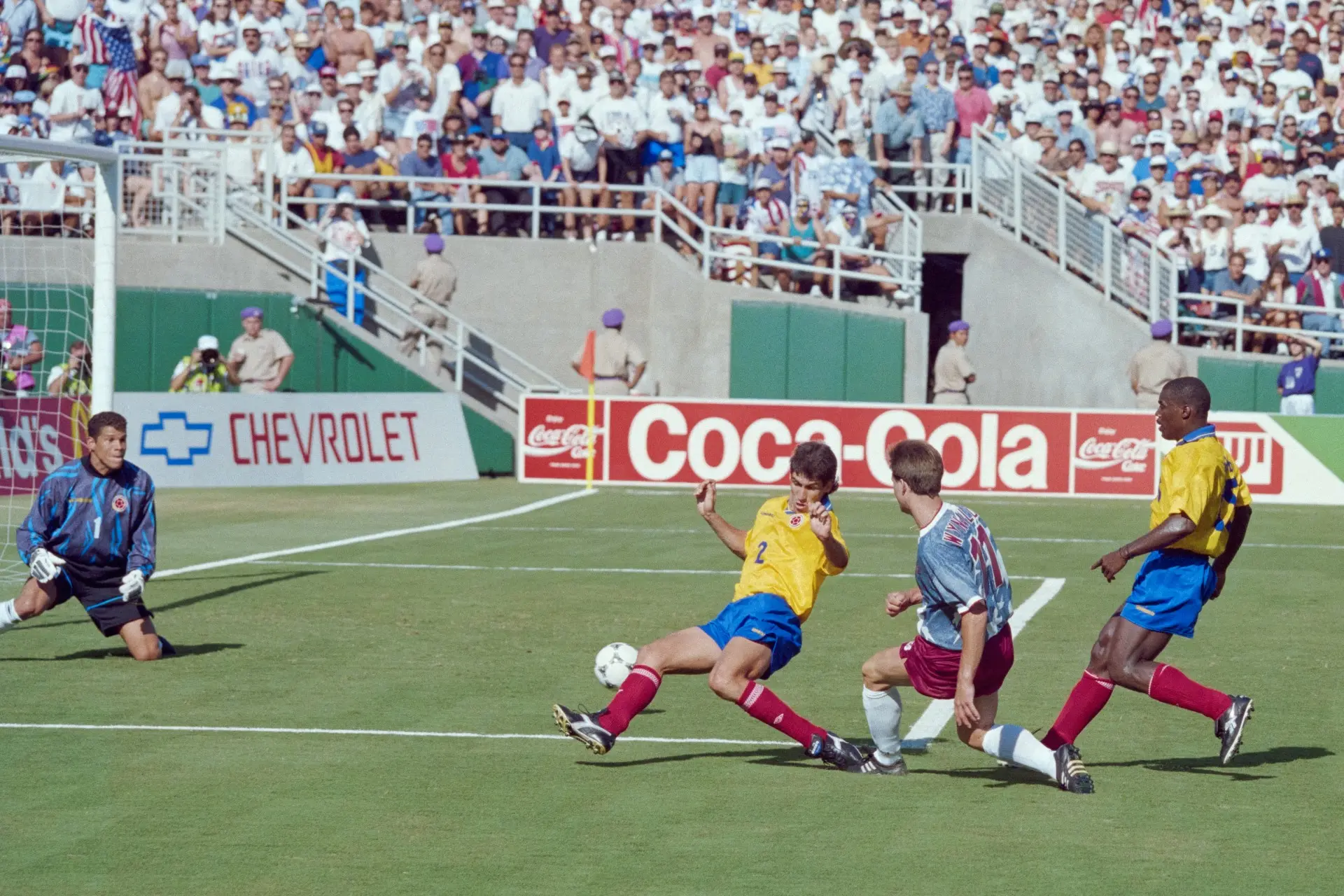
'Life doesn't end here'
Despite criticism and disappointment following Colombia's early exit, Escobar remained optimistic. Shortly after the tournament, he wrote a newspaper column encouraging Colombians to move forward and remain united. The article carried a hopeful message and reflected the defender's character. Rather than hiding from public scrutiny, Escobar accepted responsibility and looked ahead to the future. Friends and teammates believed he still had many great years ahead of him. Tragically, the positive outlook expressed in his final public words would become one of the most heartbreaking aspects of his story.
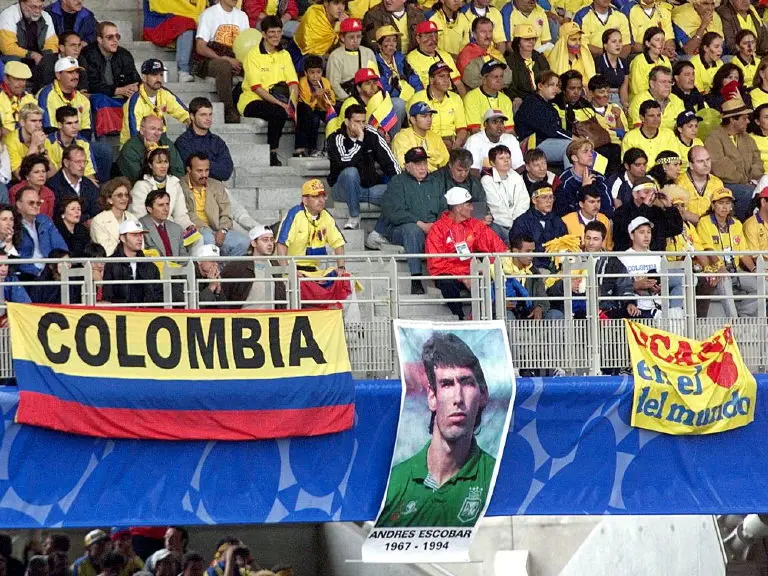
A night that changed football forever
On July 2, 1994, just days after returning home, Escobar was confronted outside a nightclub in Medellin. According to multiple reports, an argument broke out during which he was mocked about the own goal. The confrontation escalated and Escobar was shot multiple times. While many people long believed he was murdered solely because of the own goal, historians and investigators note that the circumstances were far more complex, involving Colombia's violent criminal environment and powerful figures linked to illegal gambling and organized crime. Even today, questions remain about the full motive behind the killing.
More than a victim: Escobar's enduring legacy
More than three decades later, Andres Escobar is remembered not for an own goal but for his dignity, sportsmanship and humanity. His death became a symbol of the dangerous intersection of football, crime and social unrest in 1990s Colombia. Fans continue to honor him as a player who carried himself with grace under pressure. Memorials, documentaries and tributes have ensured that his legacy endures. Today, Escobar stands as a reminder that football is ultimately a game, and that no sporting mistake should ever cost a person their life.
)
)
)
)
)