'The night Hanoi shook': What 3,000 B-52 sorties In 11 days did to Vietnam and to the war

In December 1972, the United States launched Operation Linebacker II — the most intensive bombing campaign in history since World War Two. For 11 consecutive days and nights, waves of B-52s struck Hanoi and Haiphong. Thirty-one aircraft were shot down. The bombing ended the war. Here is what those 11 days actually looked like.
Why Nixon Ordered The Christmas Bombing
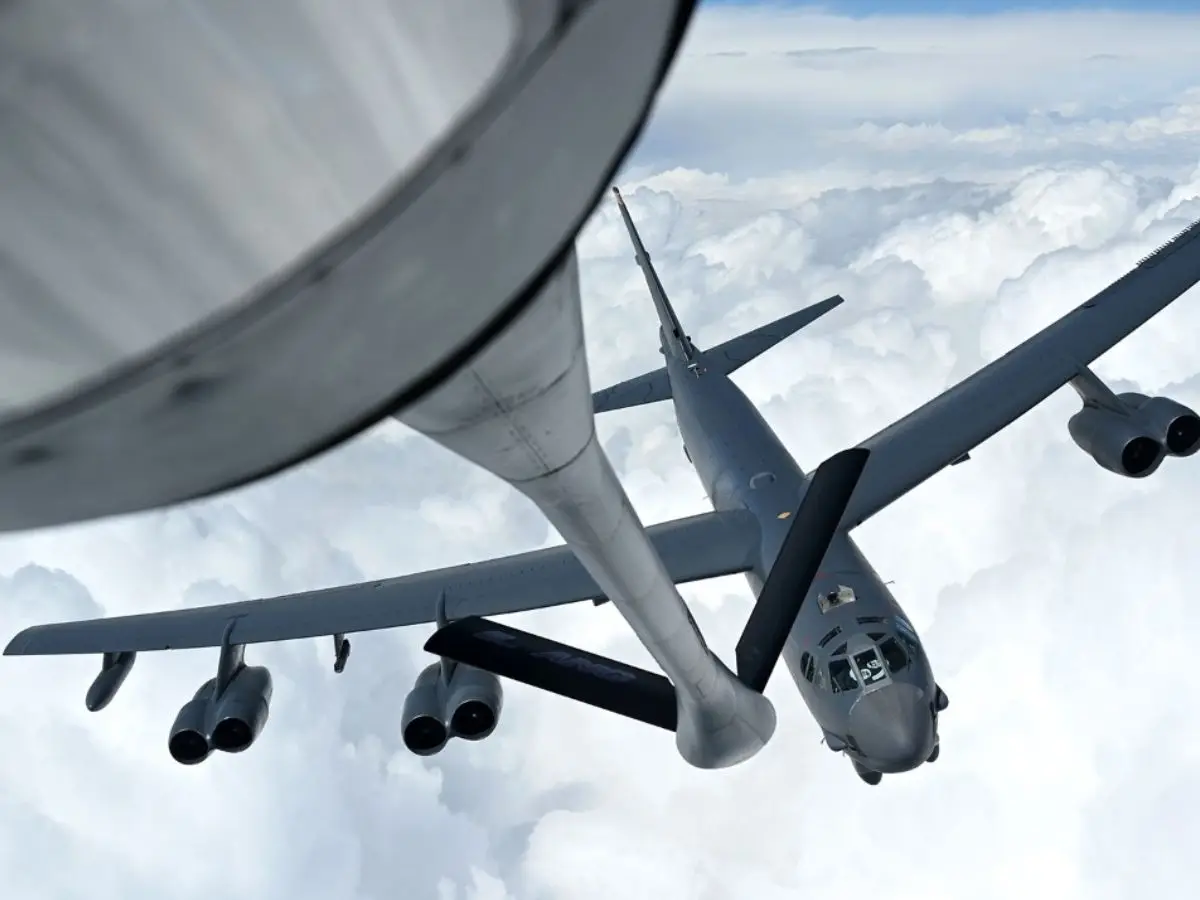
By December 1972, peace negotiations in Paris had stalled. North Vietnam had walked away from the table. President Nixon, facing domestic pressure to end the war and needing to force Hanoi back to negotiations, ordered a maximum-pressure bombing campaign targeting the North Vietnamese capital and its major port. The objective was to make the cost of continued resistance unbearable — in 11 days.
Waves Of Bombers Around The Clock
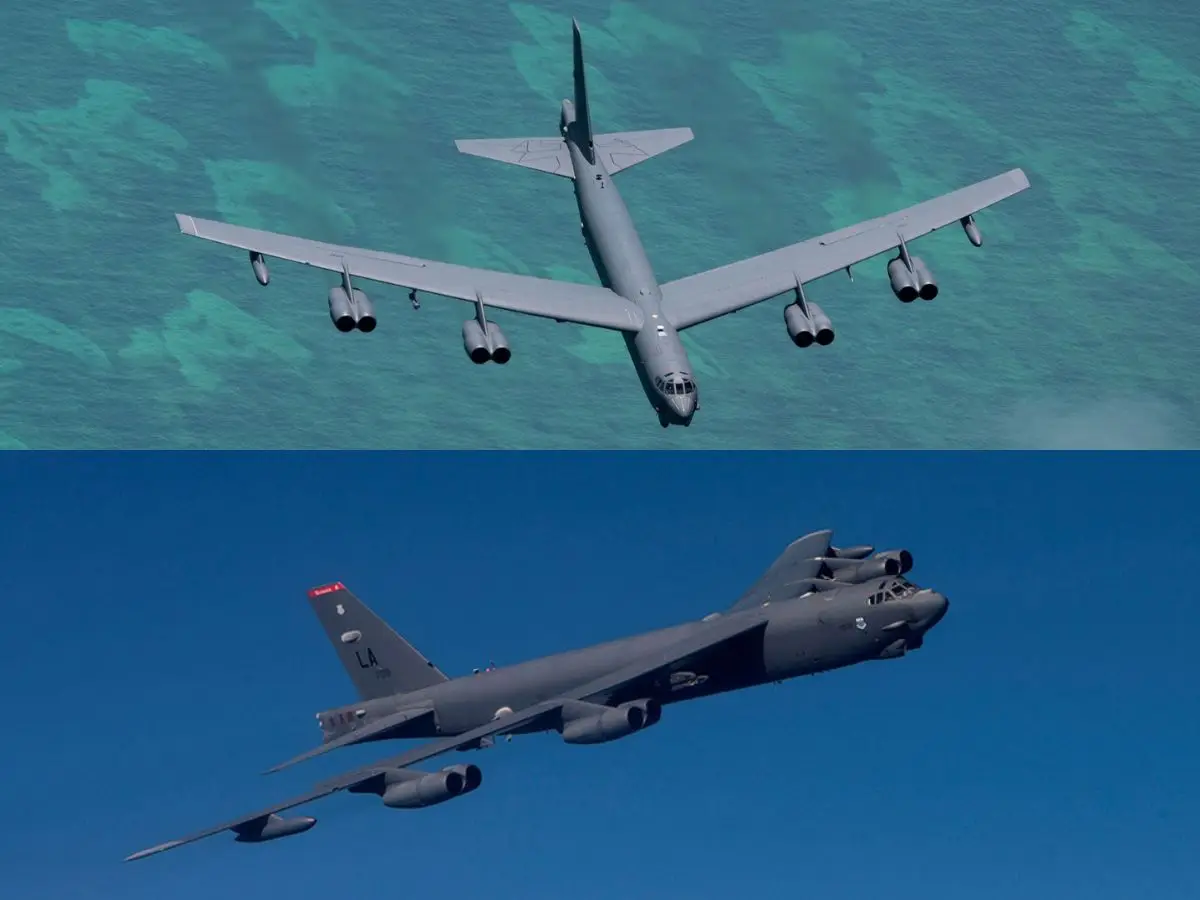
Operation Linebacker II ran from December 18 to 29, 1972. B-52s flew in cells of three, in waves scheduled to arrive over targets at precise intervals. Up to 200 bombers flew in a single night. Crews flew from bases in Guam — 12-hour round trips — and Thailand. The operation involved over 3,000 individual sorties across its 11-day duration, making it one of the most concentrated applications of air power in aviation history.
What It Looked And Sounded Like From The Ground
Hanoi residents described the B-52 raids as unlike anything they had experienced. The bombs fell in stick patterns — long lines of explosions across the ground — rather than single detonations. The sound was not individual explosions but a continuous rolling thunder that lasted minutes per wave. Buildings shook kilometres from the impact zones. The raids came at night, when anti-aircraft radar was less effective but the psychological impact on civilians was highest.
The SAM Threat That Shot Down 15 B-52s
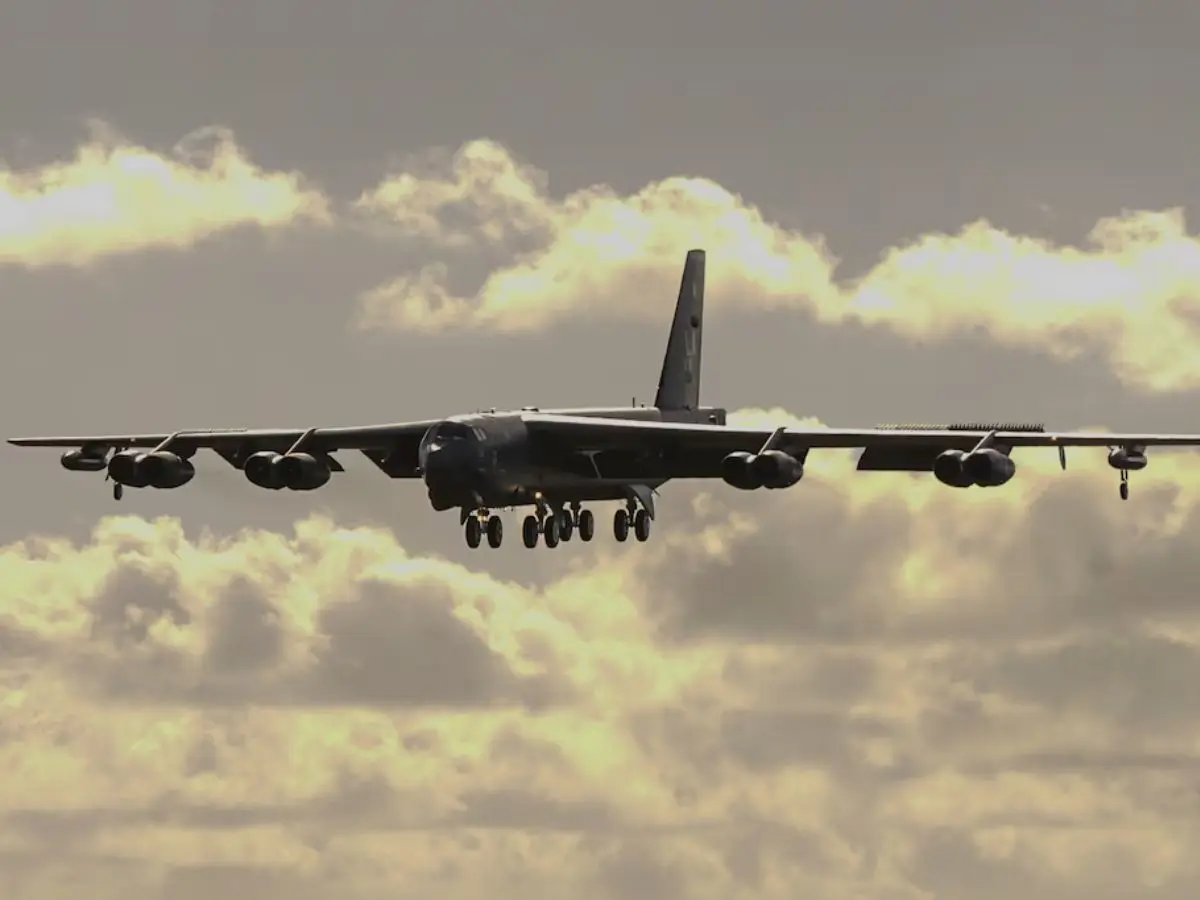
North Vietnam had one of the densest surface-to-air missile networks ever assembled. Soviet-supplied SA-2 Guideline missiles, guided by radar, were fired in salvos against the incoming bomber formations. Fifteen B-52s were shot down over North Vietnam during Linebacker II — plus sixteen more damaged or lost to other causes. The loss rate was higher than American planners had anticipated and forced tactical changes mid-campaign.
The Tactical Changes Mid-Campaign
After the first three nights produced unacceptably high losses, the Air Force changed its approach. Routes were varied to prevent North Vietnamese radar crews from anticipating exactly where the bombers would appear. Jamming aircraft coverage was improved. Formations were restructured. Losses dropped significantly in the campaign's second phase — demonstrating that even a 70-year-old (by today's standards) aircraft design can adapt mid-conflict.
What The Bombing Actually Destroyed
The targets included rail yards, power stations, communications infrastructure, fuel storage facilities, and military supply depots. The bombing did not level Hanoi indiscriminately — it targeted the logistics and infrastructure that allowed North Vietnam to supply its forces. By the campaign's end, North Vietnam's ability to move supplies and coordinate military operations had been severely degraded.
Eleven Days That Ended The War
On December 26, North Vietnam signalled its willingness to return to the negotiating table. The Paris Peace Accords were signed on January 27, 1973 — less than a month after the bombing ended. Whether Linebacker II directly caused the peace agreement remains debated by historians. What is not debated is the timing: eleven days of B-52 strikes produced, within weeks, the negotiated end to a conflict that had dragged on for a decade. The bombers went home. The war was over.
)
)
)
)
)