The new arms race: Why nations are investing heavily in missile-shield technology

Effective air-defence systems provide the essential shield that protects populations, critical infrastructure, military facilities and armed forces from these threats. Without this shield, much of a nation’s strategic vulnerability remains exposed.
Introduction — safeguarding against modern aerial threats
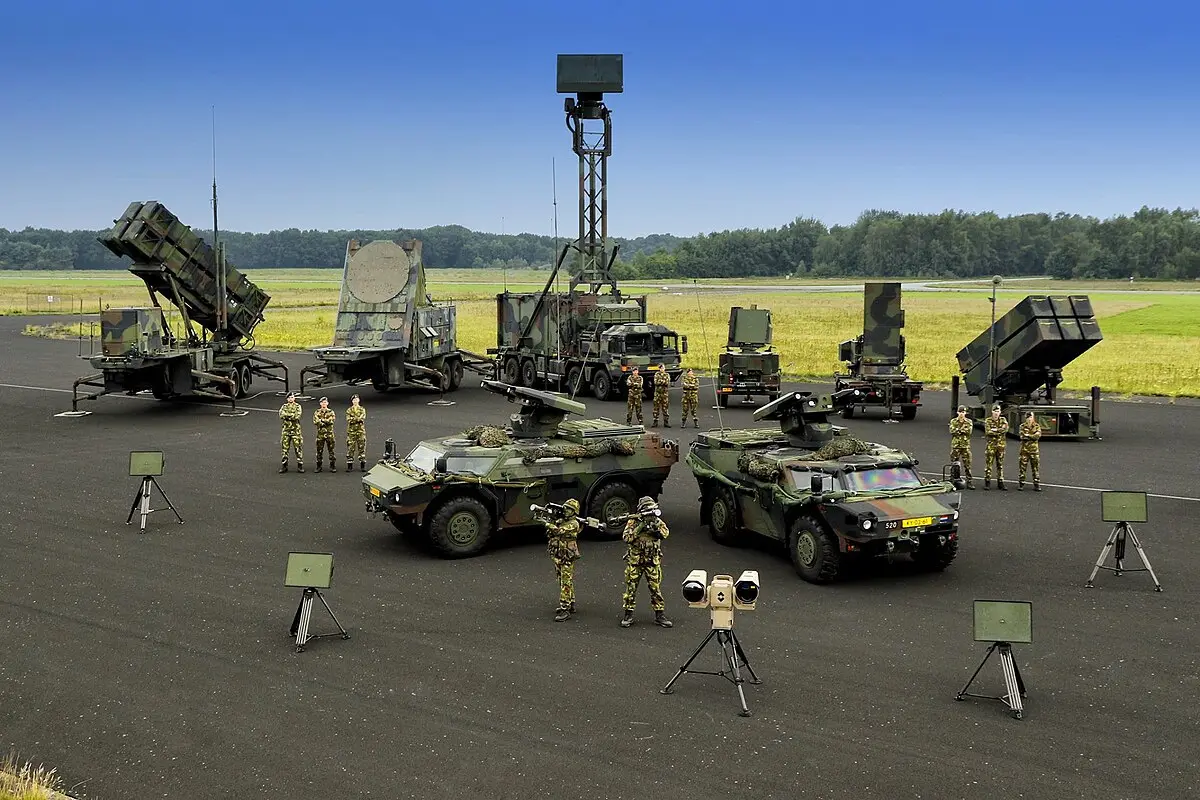
In today’s strategic environment, air and missile threats come from many directions, aircraft, cruise missiles, drones, ballistic missiles. Effective air-defence systems provide the essential shield that protects populations, critical infrastructure, military facilities and armed forces from these threats. Without this shield, much of a nation’s strategic vulnerability remains exposed.
The evolving aerial threat spectrum
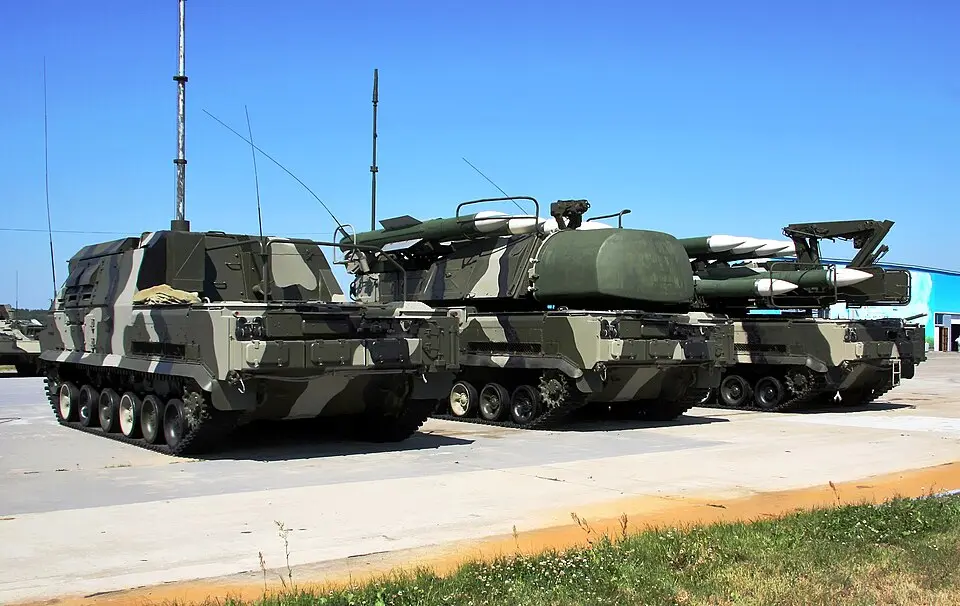
Air attack capabilities have expanded dramatically. Not only traditional combat aircraft, but also low-flying cruise missiles and unmanned aerial systems (UAS) now pose serious risks. Even non-state actors can deploy rockets, drones or missiles, increasing the unpredictability. This proliferation means that defending airspace is no longer optional, it is fundamental.
Core functions: detection, tracking and interception
An air-defence shield works in stages: detection with radars and sensors, tracking and classification of the threat, and interception using missiles or other interceptors. Radars alert commanders to incoming threats; sensors and command-and-control systems assess nature, speed, altitude, and heading; finally, interceptors, surface-to-air missiles (SAMs) or anti-aircraft guns, neutralise the threat.
Layered defence: handling varied threats at different ranges
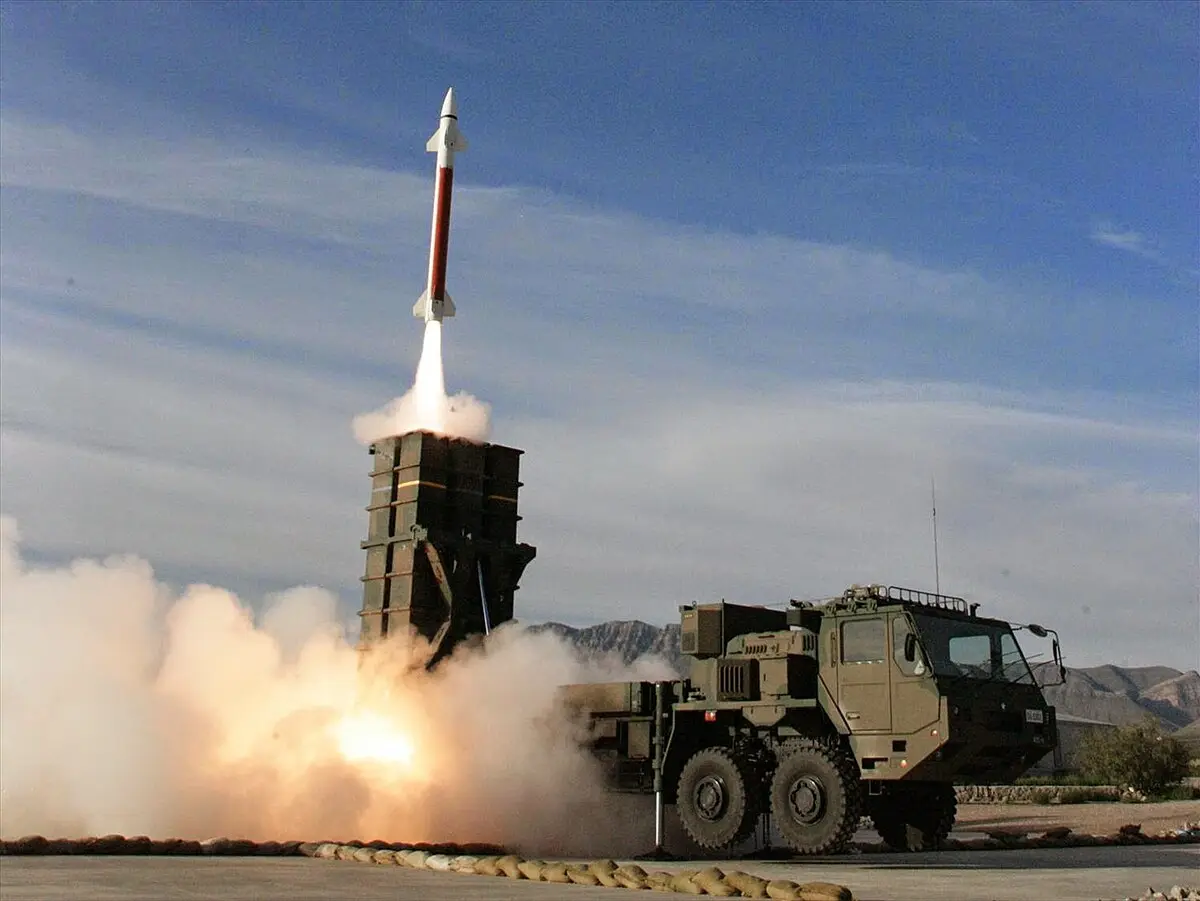
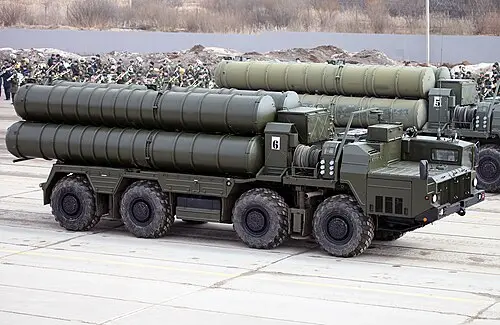
Because no single system can handle all threats, modern air defence relies on multiple overlapping layers. Short-range systems defend against drones and low-flying missiles, medium-range batteries cover cruise missiles and aircraft, long-range surface-to-air missiles counter high-altitude threats and ballistic missiles. This layered approach ensures comprehensive protection across altitudes and ranges.
Strategic value: deterrence and protection of critical assets
A robust air-defence network raises the cost of aggression for potential adversaries. When cities, infrastructure, command centres, energy grids, and military assets are shielded, it becomes harder for an enemy to inflict meaningful damage. Such defence capability underpins a nation's deterrence posture and ensures that vital installations survive even under attack.
Enabling air superiority and freedom of action
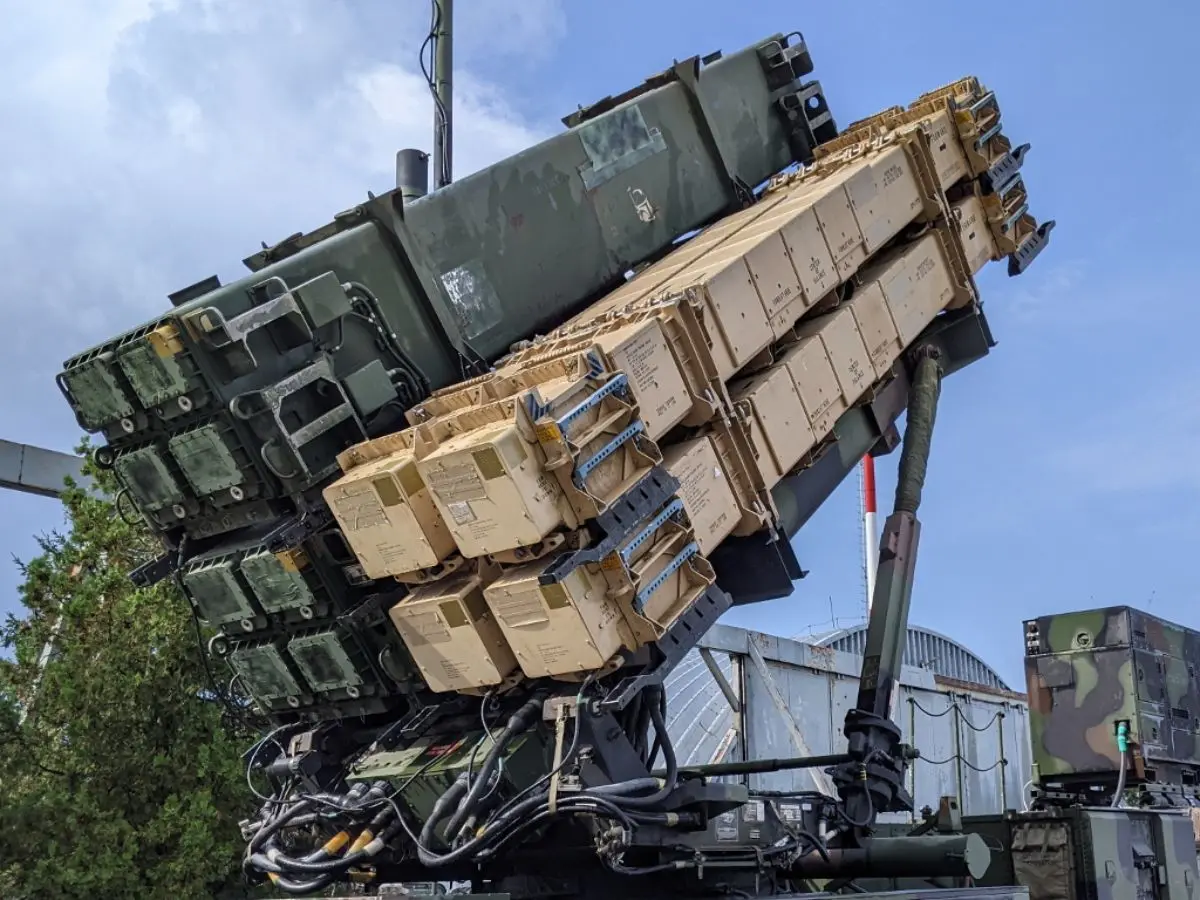
By neutralising or deterring enemy air and missile threats, air defences grant freedom of manoeuvre to friendly forces. They safeguard airspace, enabling air operations, reconnaissance, transport, strike, without undue risk. In effect, they allow a nation to 'own its skies', limiting enemy aerial influence.
Civilian and infrastructural defence in conflicts
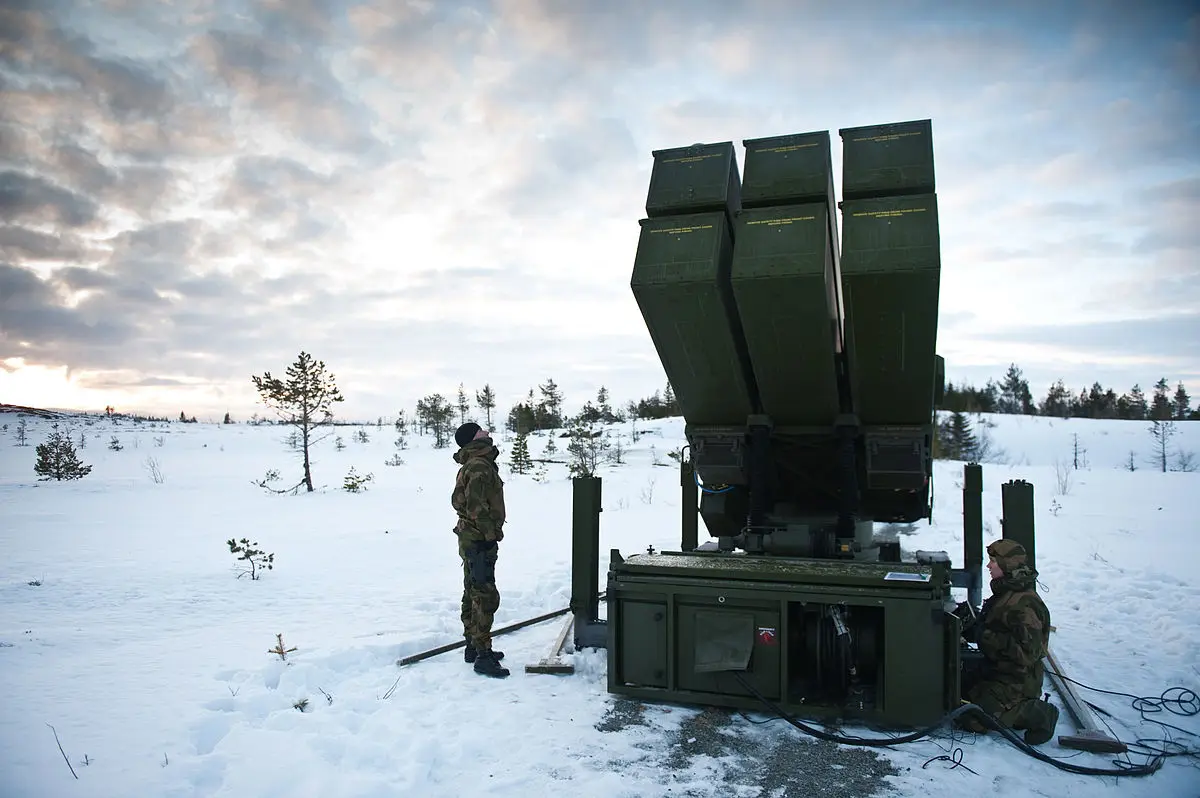
In wartime or crisis situations, air defence shields protect civilian populations, infrastructure, transport, energy plants, communications, not just military assets. This capability reduces the risk of mass casualties, societal disruption, and economic damage from aerial strikes.
Some popular names
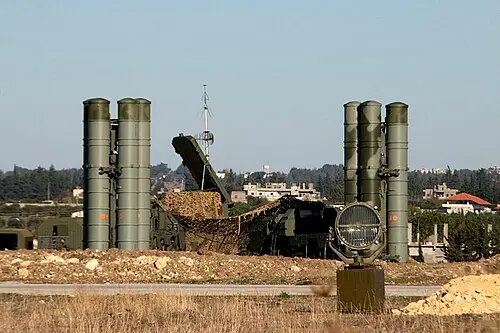
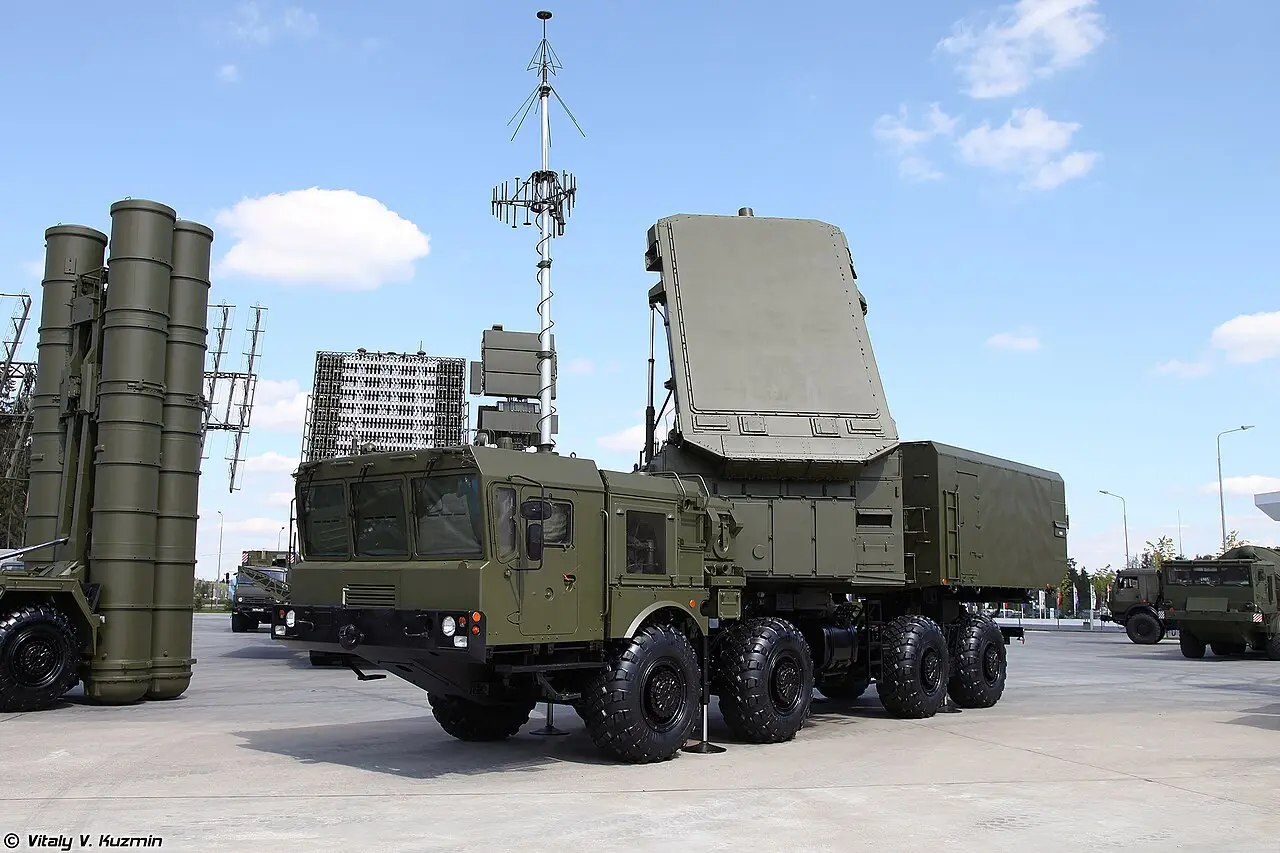
Among the most advanced air-defence systems globally are Russia’s S-400 Triumf, the US-built Patriot PAC-3 and THAAD, Israel’s multilayered Iron Dome, David’s Sling and Arrow-3, and the European SAMP/T with the Aster-30 missile. Emerging high-performance systems also include South Korea’s L-SAM, and India’s forthcoming Ballistic Missile Defence (BMD) shield built around the PAD and AAD interceptors. Each provides layered coverage against aircraft, cruise missiles or ballistic threats, forming the core of national air-defence networks.
)
)
)
)
)