Top secret or total scam: The mystery of the world's fastest jet SR-72 'Son of Blackbird'

Inside the mystery of the world's fastest jets that never flew, ‘SR-72’, also known as 'Son of Blackbird'. This was supposed to be the successor of the SR-71 ‘Blackbird’. But no one has ever seen it. Here are a few theories why the world's fastest jet is still grounded.
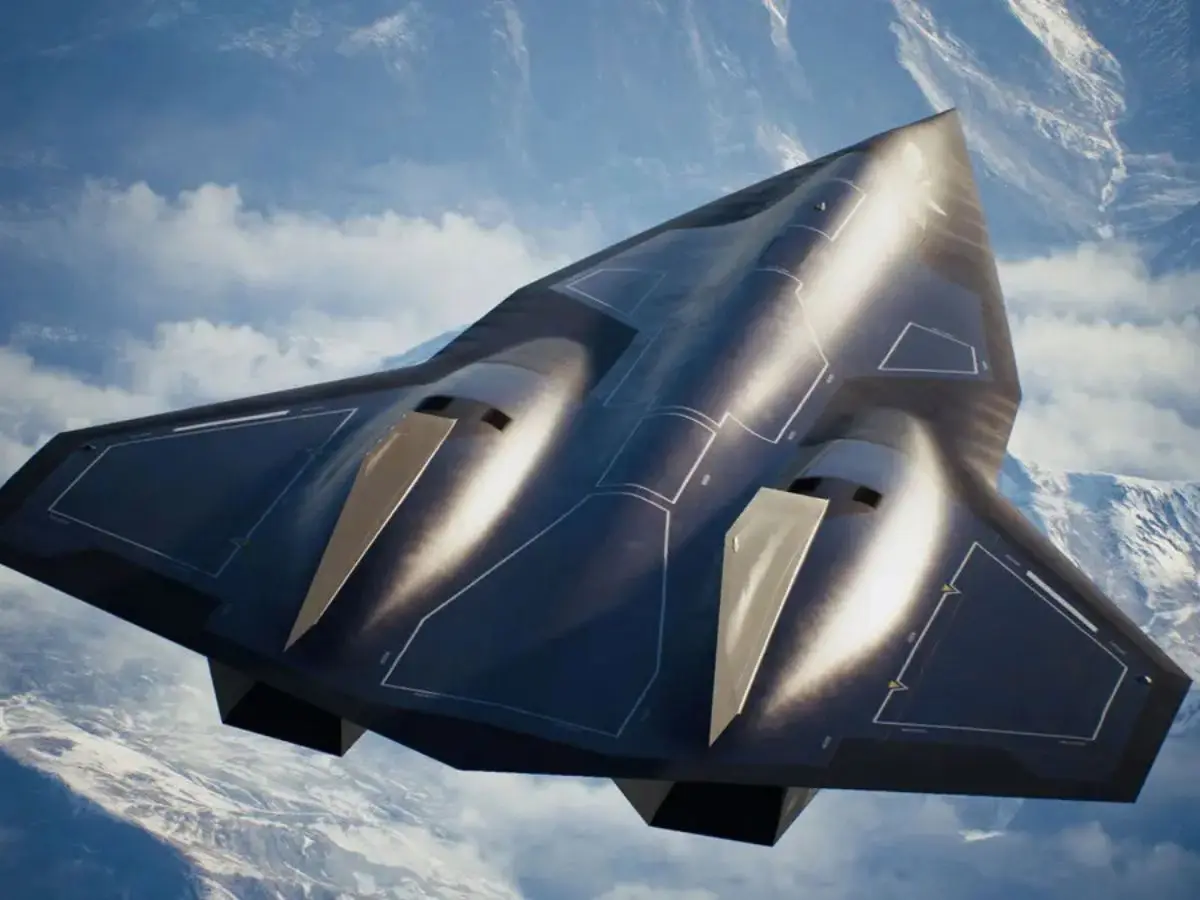
Does the SR-72 exist
The name keeps surfacing again, whispered in defence magazines, forums, and speculated upon by military analysts. The SR-72 is dubbed the 'Son of Blackbird' or SR-71. It was conceived by Lockheed Martin's Skunkworks in 2013. It was touted to be the fastest jet with a top speed of Mach 6 or 7400 km/h. In general terms, that means six times faster than the speed of sound.
It was supposed to be a hypersonic reconnaissance and strike platform, powered by a revolutionary Turbine-Based Combined Cycle (TBCC) engine, optionally manned or unmanned. Its speed would have made it immune to modern defence, extremely suitable for quick in-and-out surveillance missions and precision strikes.
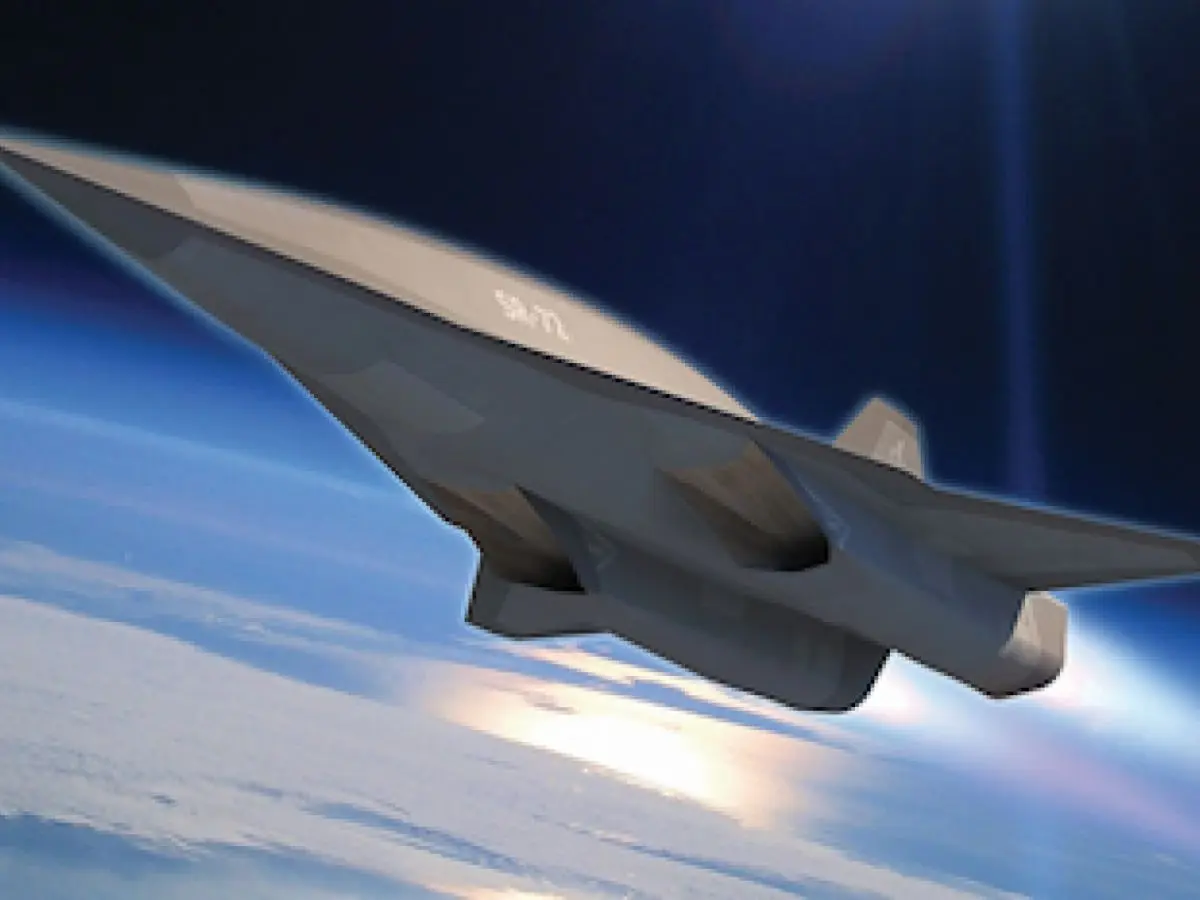
Too expensive to be practical
SR 72 may offer speed, but it lacks the loitering ability and flexibility of drones. There had been a visible shift towards AI-enabled UAVs, drone swarms, and hypersonic missiles. SR-72 might have just become too flashy for the Pentagon to afford.
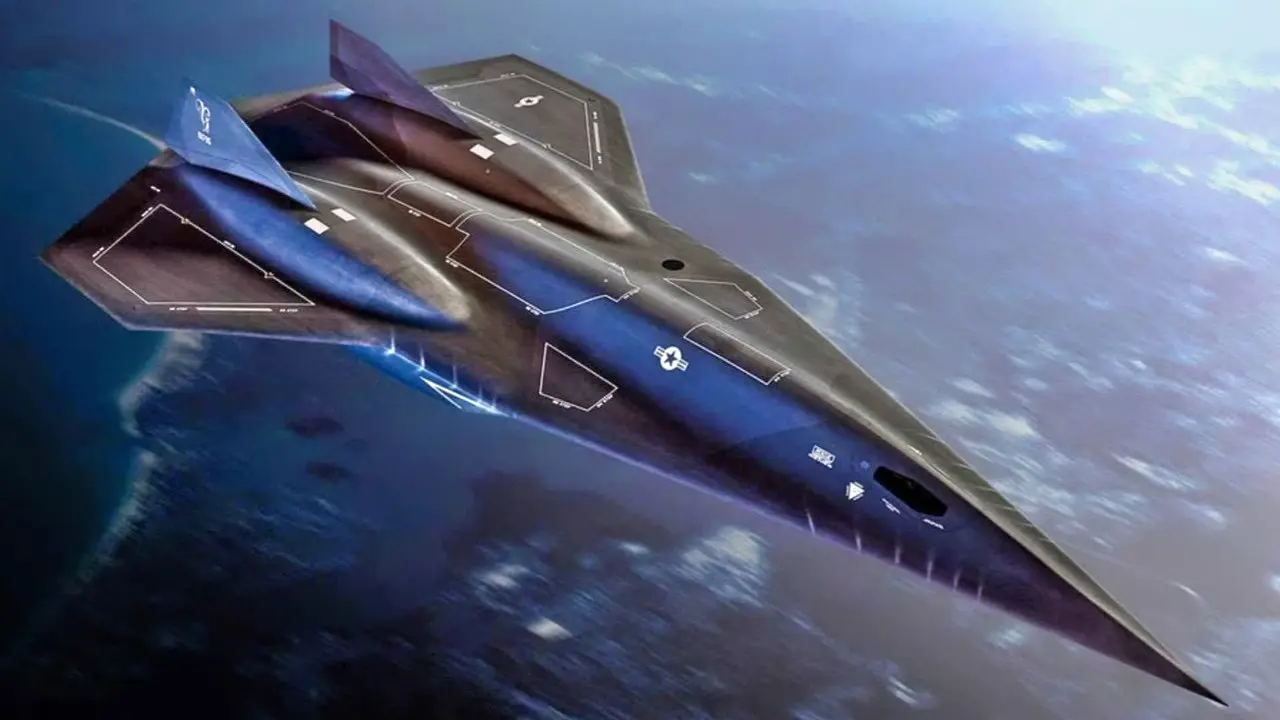
Already flying in secret
Multiple sightings of the “mystery aircraft” SR-72 may already be undergoing covert testing. Some claim it’s been spotted near Area 51 and Texas, while others suggest it was deployed for black ops; these sightings involve distinctive contrails or unusual aircraft formations. However, there is no concrete evidence to back these claims.
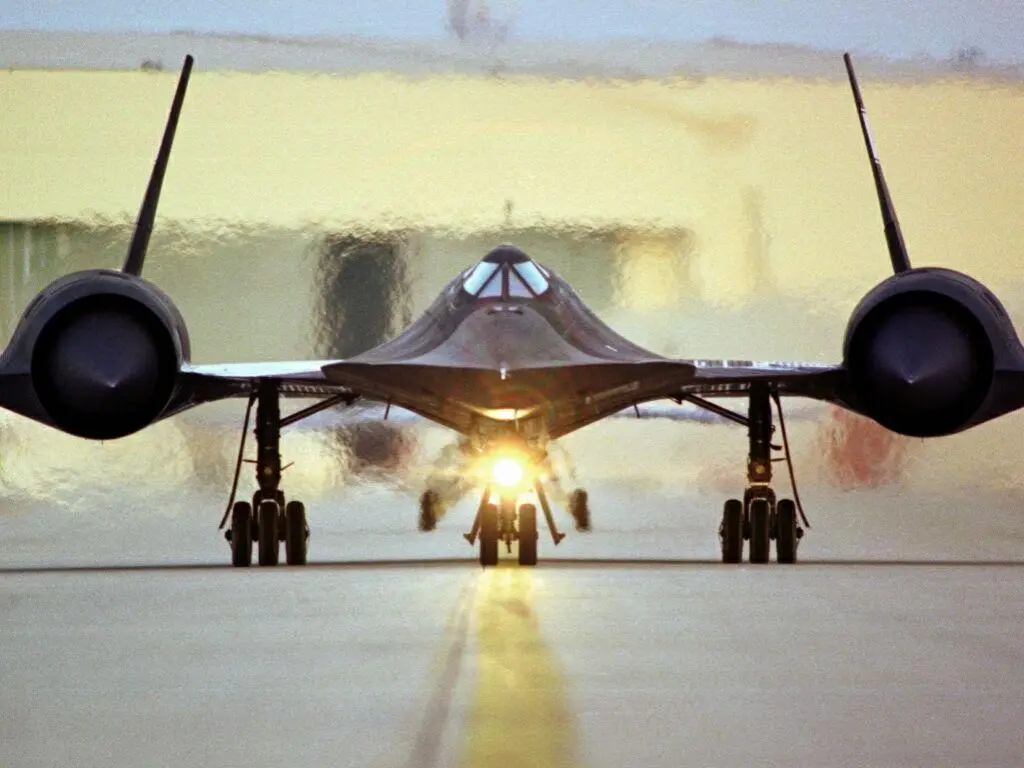
Too hard to engineer
At Mach 6, surface temperatures exceed 1,000°C due to atmospheric friction. Creating materials, engines, and fuel systems that survive that stress while maintaining stealth is a massive challenge.
Psychological weapon
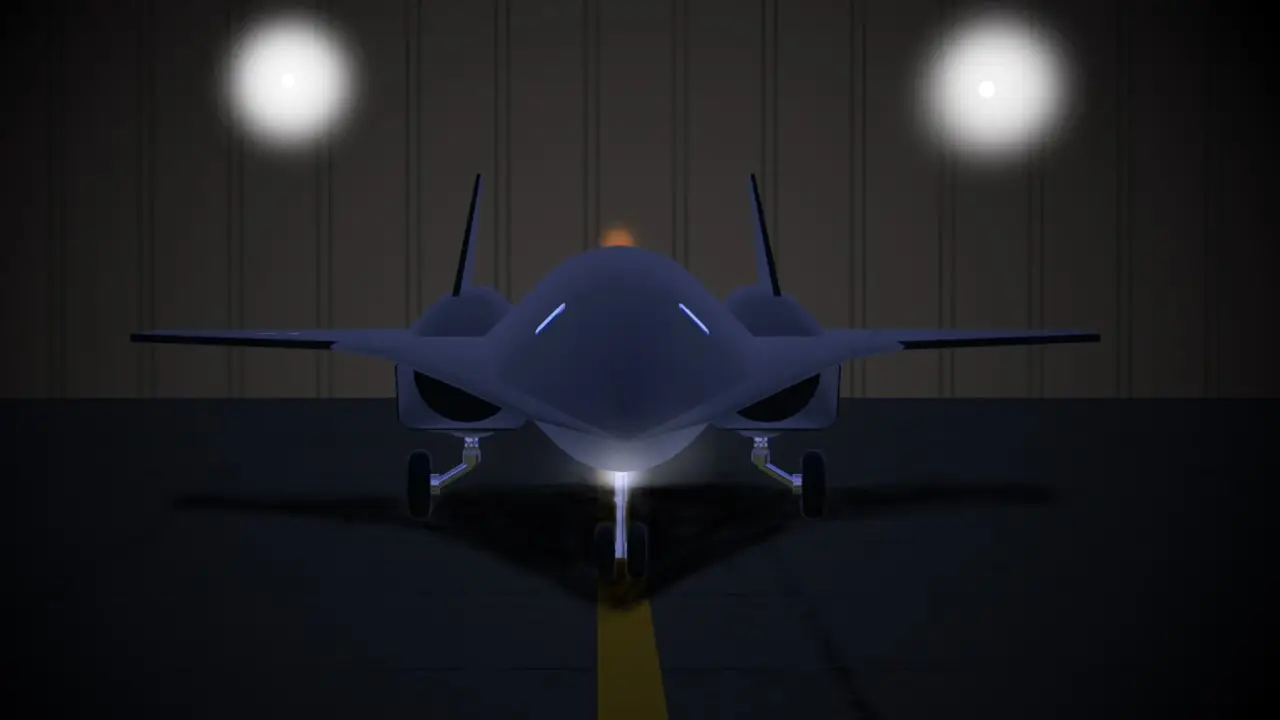
More than a decade has passed since the first introduction of the SR-72. Maybe it was not meant to fly, just exist as a deterrent.
)
)
)
)
)