‘The morning pump’: Does buying fuel early save you money?

Underground tanks keep fuel temperatures perfectly stable all day. Pumping petrol in the morning provides no extra density or financial savings for drivers.

The 1 per cent myth
Many motorists assume that cooler morning air contracts petrol, providing up to 1 per cent more fuel per transaction. They believe this higher density delivers better value for their money before the afternoon sun heats the local station.

Three metres underground
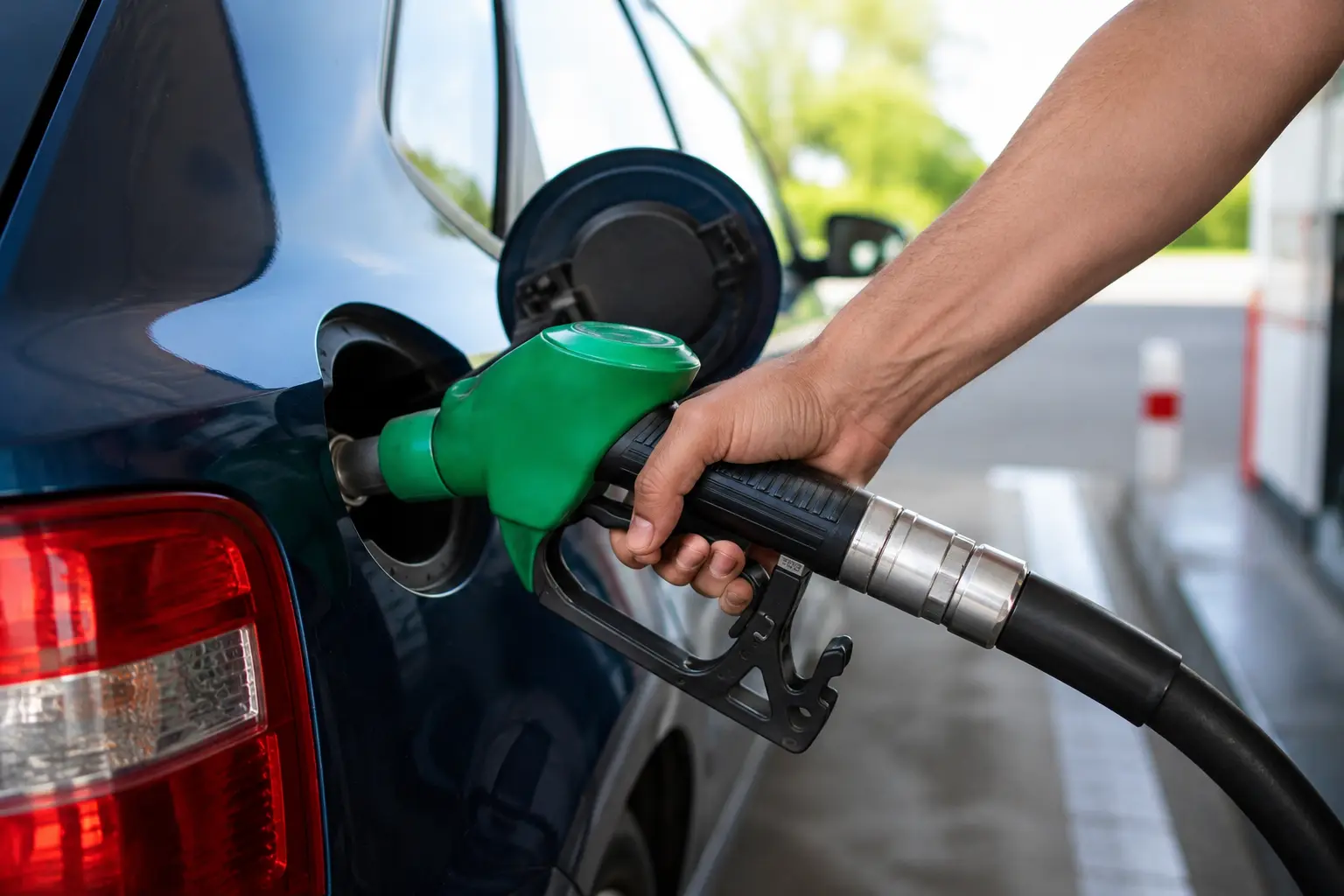
Modern fuel stations store their petrol and diesel in massive tanks buried nearly three metres below the concrete surface. This thick layer of soil acts as a natural insulator, shielding the fuel from daily atmospheric temperature shifts.
Stable 15 degrees Celsius
Because of the deep subterranean storage, the fuel temperature remains exceptionally stable at around 15 degrees Celsius. Whether you pump at dawn or mid-afternoon, the actual density of the petrol flowing into your car remains perfectly identical.

Zero actual volume change
Physics confirms that liquids expand when heated, but the stored fuel never actually experiences the ambient surface heat. Consequently, drivers experience zero actual volume change when the petrol travels rapidly from the underground tank to the nozzle.
Over 100 litres fast
Fast commercial pumps can easily dispense over 100 litres of fuel in just a few short minutes. This rapid transfer means the petrol spends almost no time in the warm hose, completely preventing any thermal expansion before entering your car.
Save Rs 50 daily
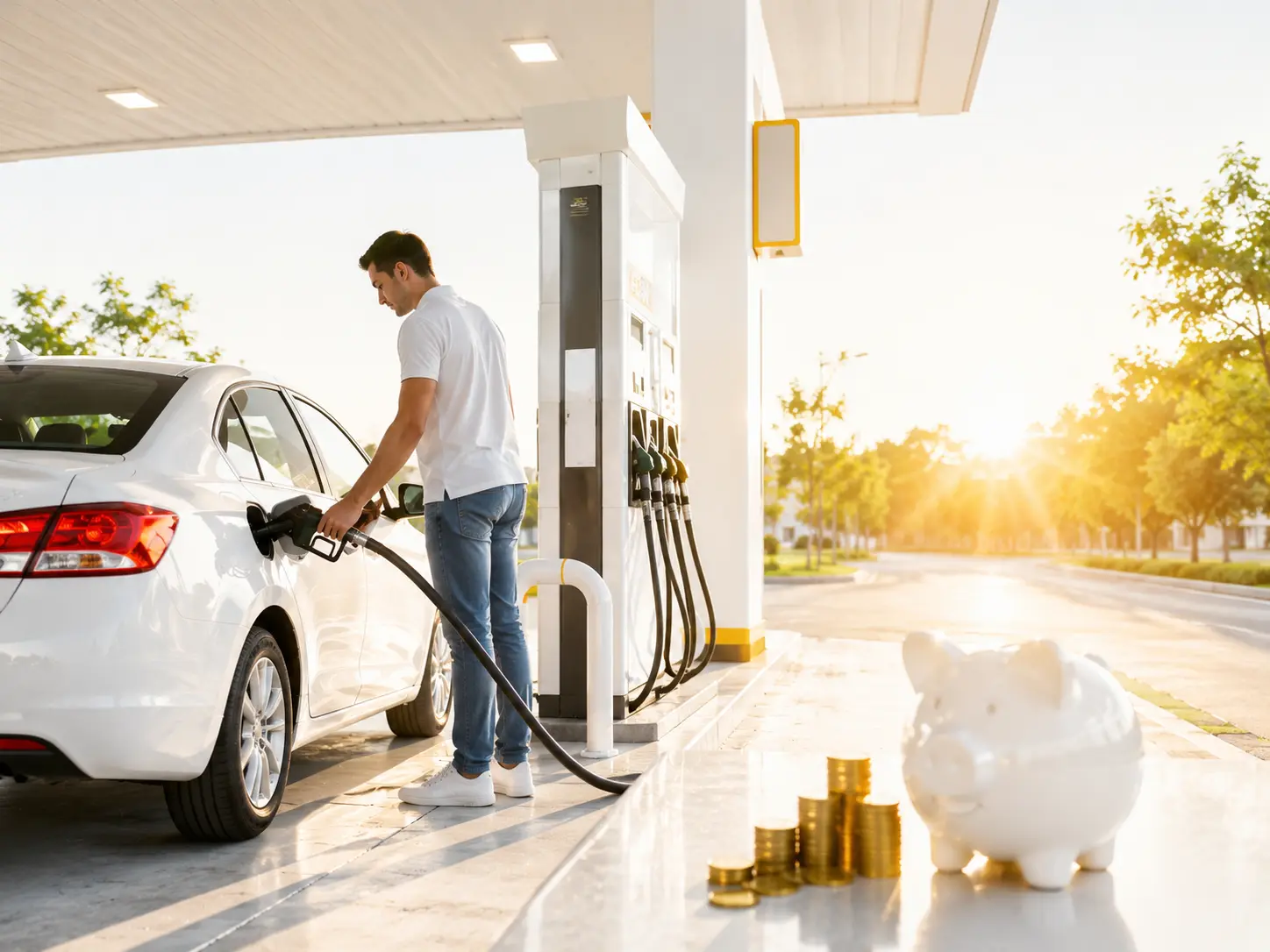
Rather than waking up early to chase non-existent density changes, drivers should focus on maintaining efficient driving habits. Keeping tyres properly inflated and avoiding aggressive acceleration can easily save over Rs 50 on regular daily commuting costs.

100 per cent identical
Ultimately, the exact amount of fuel you receive at a commercial pump is 100 per cent identical at any given hour. Motorists should simply fill their tanks whenever it is most convenient, rather than timing their refuelling trips around the sun.
)
)
)
)
)