Mind of a 'Lone Wolf': How FBI is tearing apart Cole Tomas Allen's past in California

Federal agents are currently raiding Cole Tomas Allen's Torrance, California home. Explore the true-crime behavioral analysis behind the Trump shooter and how the FBI's Behavioral Threat Assessment Center profiles a ‘lone wolf’ attacker.
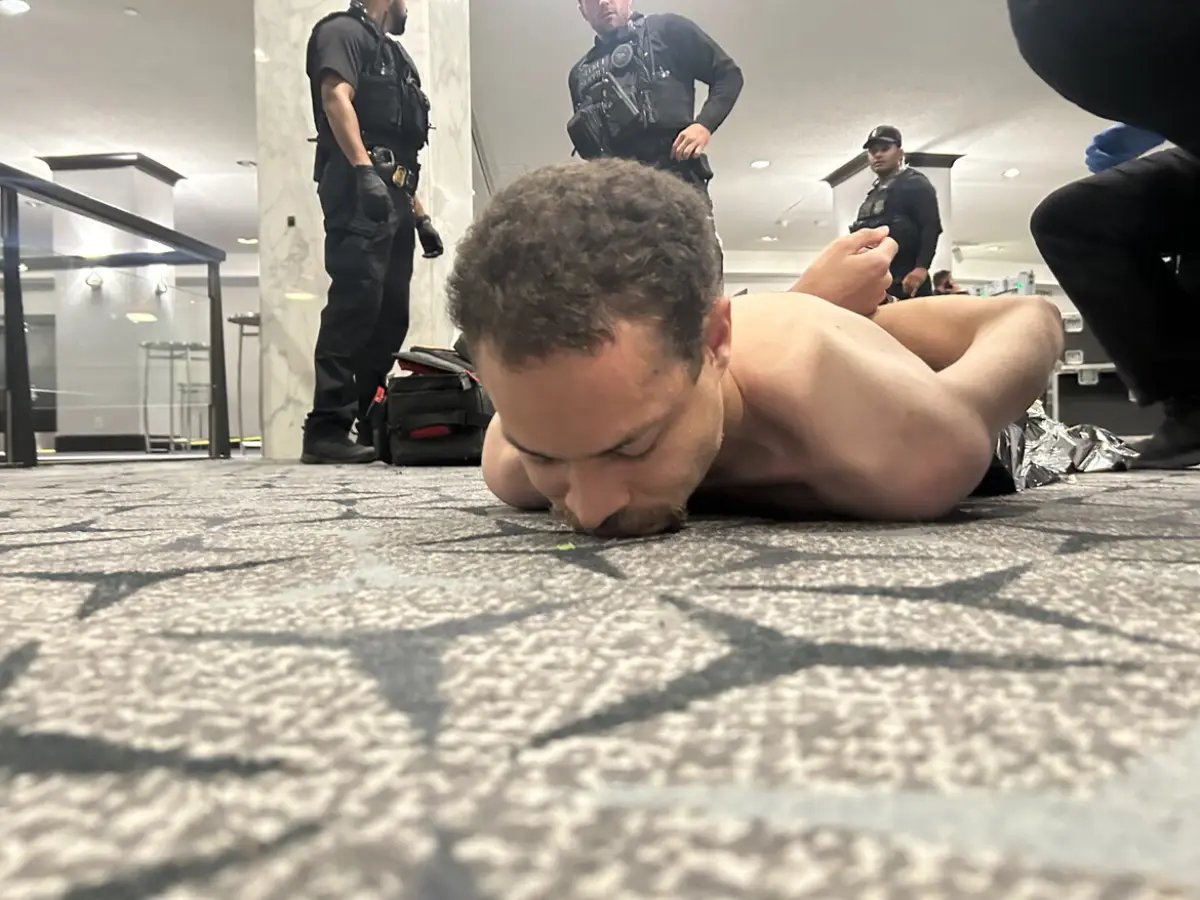
The Raid in Torrance
While the Secret Service secured President Donald Trump in Washington D.C., federal operations were already spinning up on the West Coast. Within hours of the Correspondents' Dinner shooting, heavily armed FBI agents raided the Torrance, California residence of 31-year-old Cole Tomas Allen, searching for the physical and digital remnants of a motive.
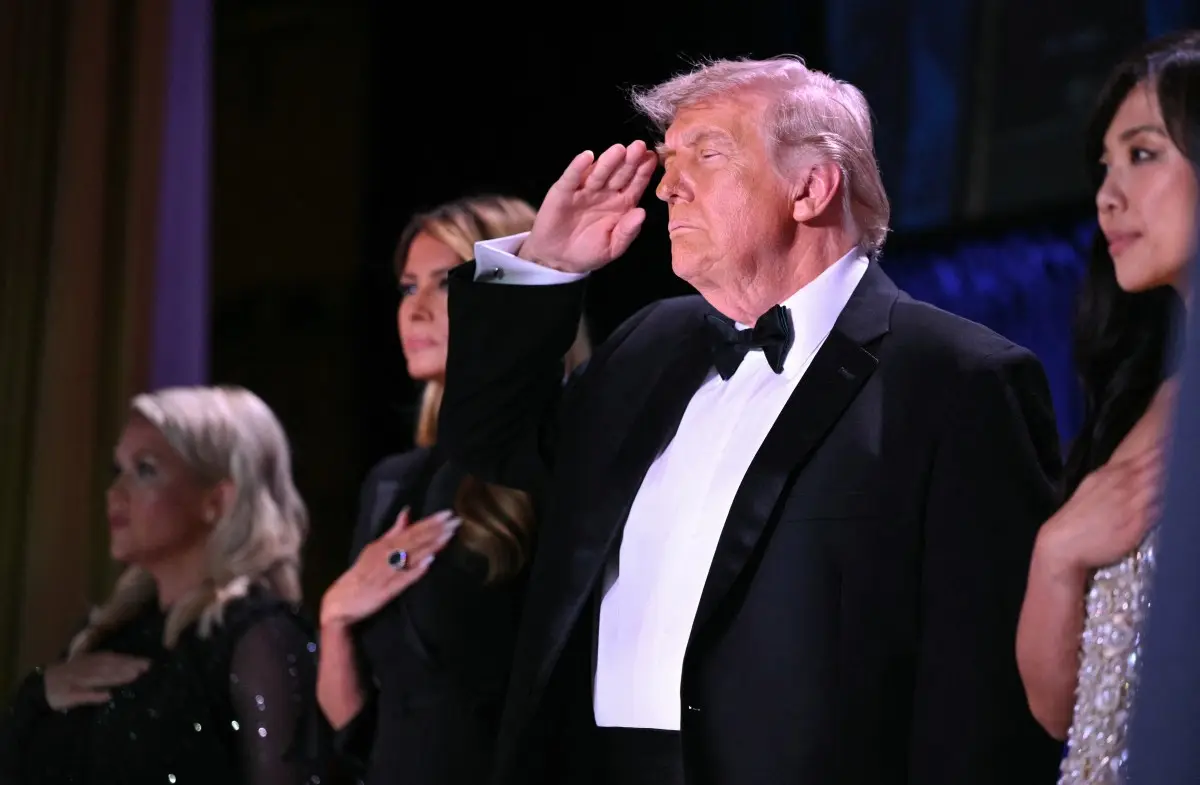
The Behavioral Threat Assessment
This isn't a standard criminal investigation; it is a full-scale psychological autopsy. The FBI’s Behavioral Threat Assessment Center (BTAC) is heavily involved. Their mission is to map the exact trajectory of Allen's life, identifying the specific psychological triggers, grievances, and radicalization processes that led him to attack the President.
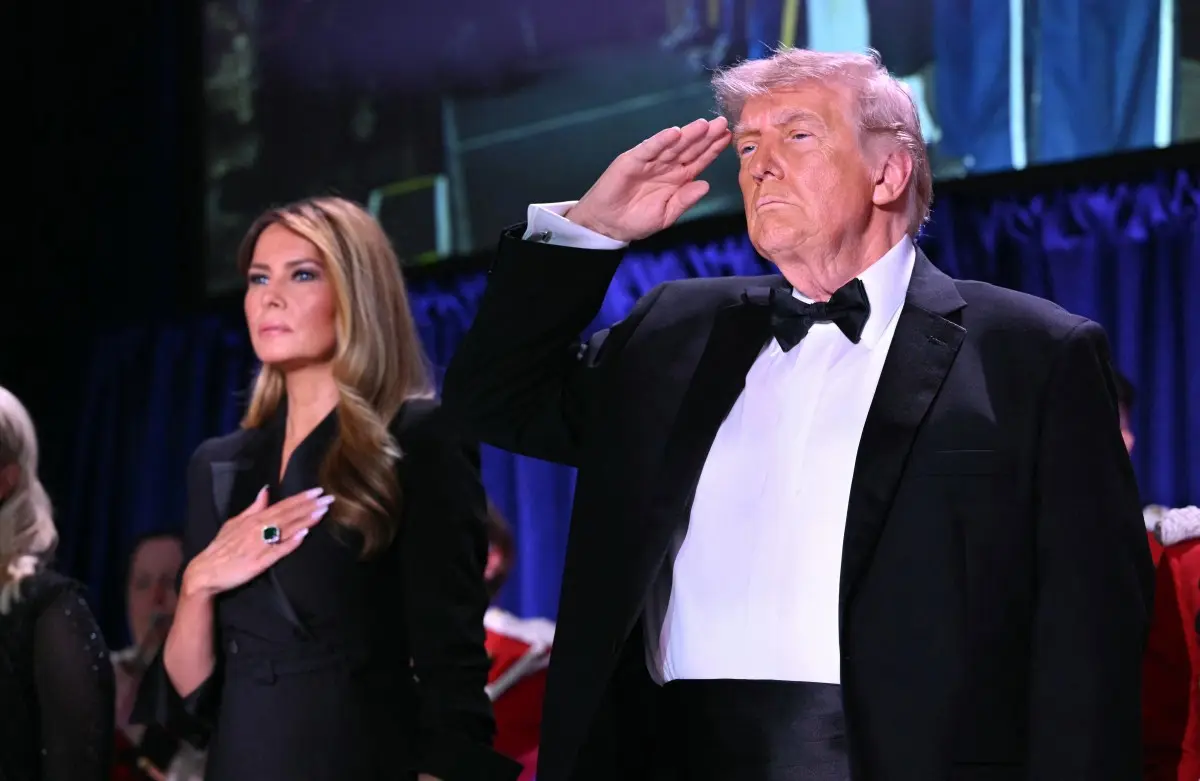
The Myth of the Sudden Snap
In mass shootings and assassination attempts, the public often assumes the attacker ‘just snapped.’ BTAC analysts know this is almost never true. Violence is usually the final step of a long, observable evolutionary process. Investigators are looking for signs of a deteriorating mental state, obsessive behavior, or profound personal failures in Allen's recent history.
Hunting for 'Leakage'
One of the most critical concepts in behavioral profiling is ‘leakage.’ Before executing an attack, lone wolves almost always ‘leak’ their violent intent. This can be through cryptic social media posts, manifesto drafts, or casually telling an online acquaintance about acquiring weapons. The FBI is scouring the internet to see if Allen leaked his plans.

Analyzing the Arsenal
The weapons themselves provide profound psychological insight. Allen didn't bring a sniper rifle for a distant, anonymous kill; he brought a shotgun and knives to a heavily guarded indoor venue. This indicates a desire for close-quarters confrontation, spectacular violence, and a high likelihood that he did not expect to survive the encounter.
The Extremist Echo Chambers
Was he truly a ‘lone wolf’ or a product of a radicalized pack? Investigators are tearing through his browser history and encrypted messaging apps to see if Allen was consuming extremist propaganda. The FBI must determine if he was radicalized by domestic political hate groups or if his grievances were purely personal and isolated.
Preventing the Copycats
The aggressive profiling of Cole Tomas Allen isn't just about prosecuting him; it is about preventing the next attack. By perfectly mapping how a 31-year-old from California managed to execute an assault on the White House Correspondents' Dinner, the FBI hopes to update their threat matrices and catch the next lone wolf before they reach the checkpoint.
)
)
)
)
)