The ‘Kill Zone': Why helicopter-mounted missiles are more deadly at close range

Attack helicopters prefer close-range missile shots because flight time is shorter, accuracy is higher and enemy tanks have little time to react. Tight laser focus, reduced smoke interference, surprise pop-up attacks and weaker APS response sharply increase kill probability.
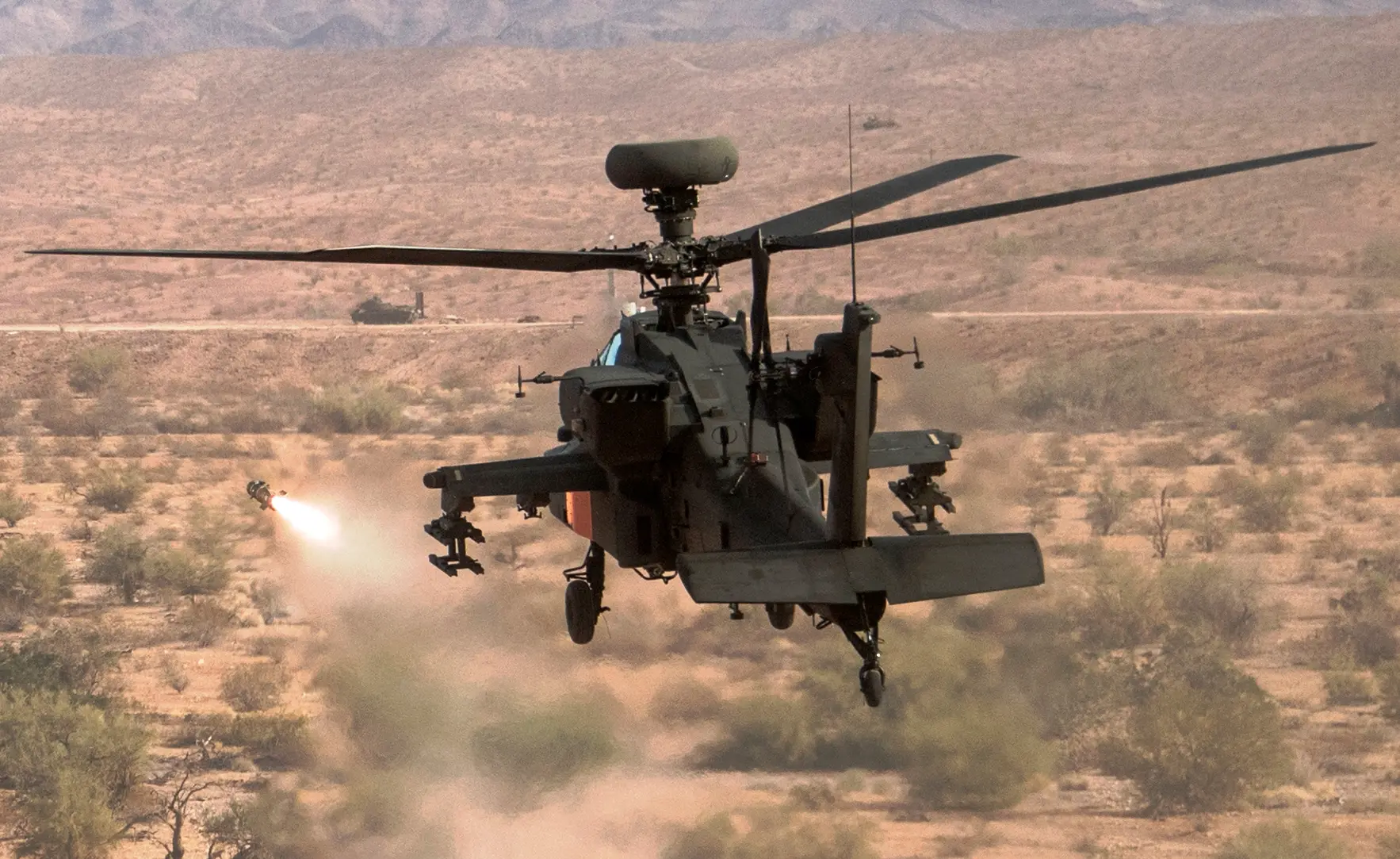
The "No Escape" Zone
At close range (under 3 km), a supersonic missile like the Hellfire reaches its target in mere seconds. Lockheed Martin data suggests this minimal flight time gives enemy tanks almost zero time to detect the threat, deploy smoke, or take evasive action.
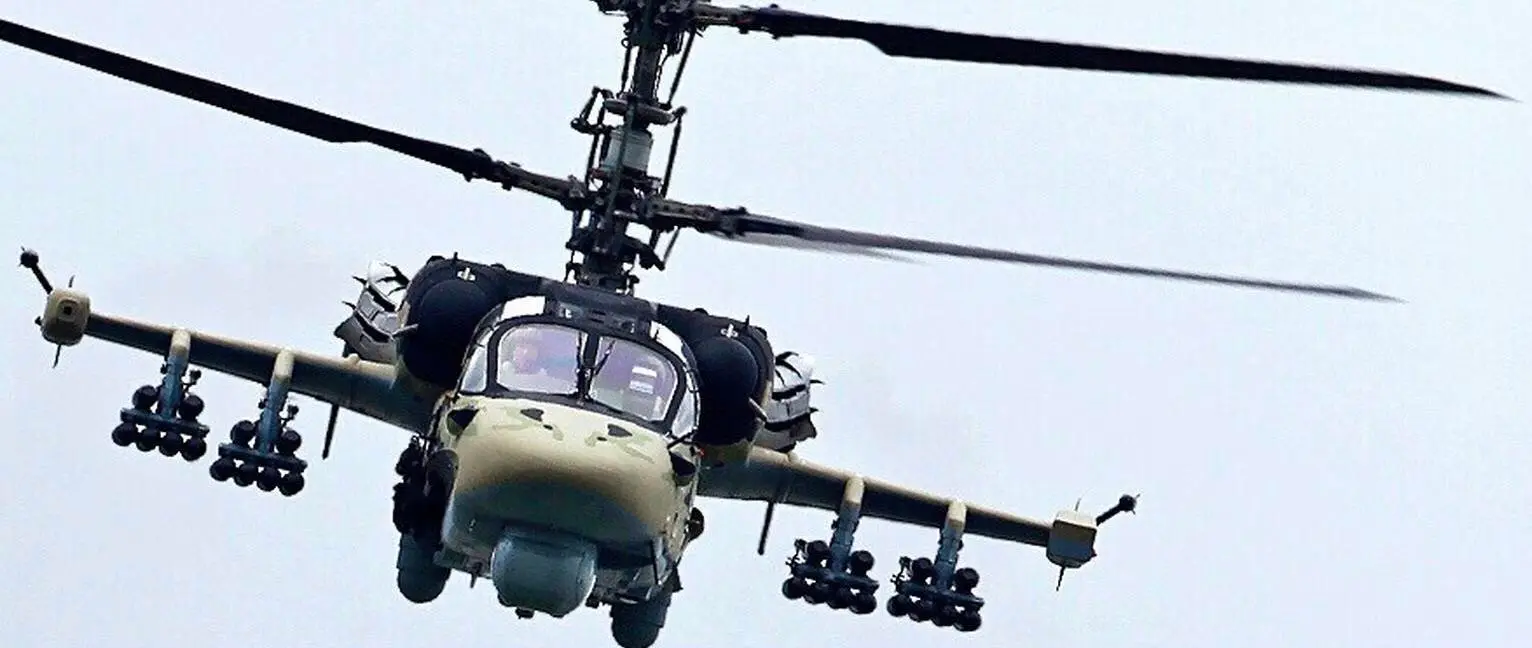
Hitting Moving Targets Solving the Geometry
Engaging a moving tank from 8 km away requires complex prediction of where it will be upon impact. Army Technology notes that at close range, the target has less time to change direction, drastically increasing the hit probability against fast-moving vehicles.
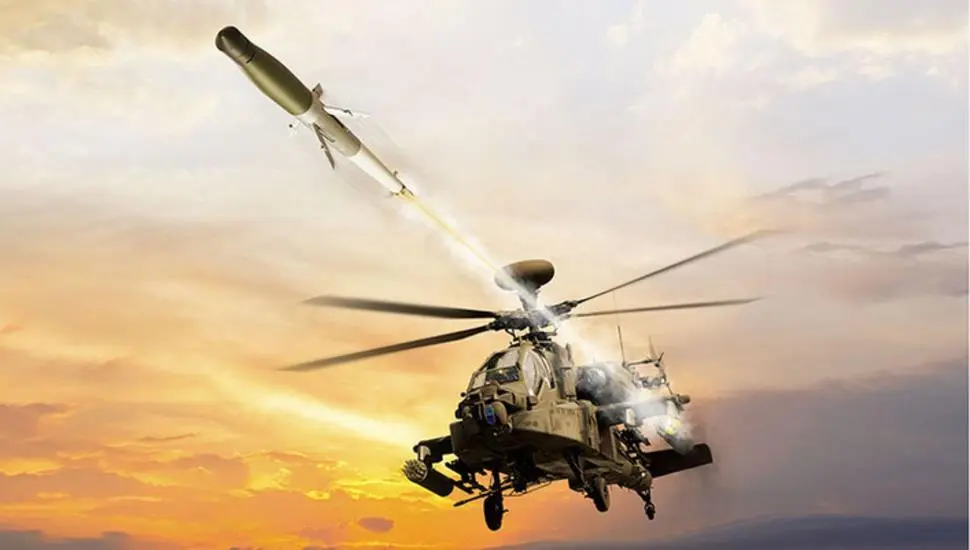
Pinpoint Laser Accuracy
Laser designators widen (diverge) over long distances, creating a larger "spot" on the target. Leonardo sensor experts explain that at close range, the laser spot is tighter and more focused, allowing pilots to target specific weak points like a tank's engine block.
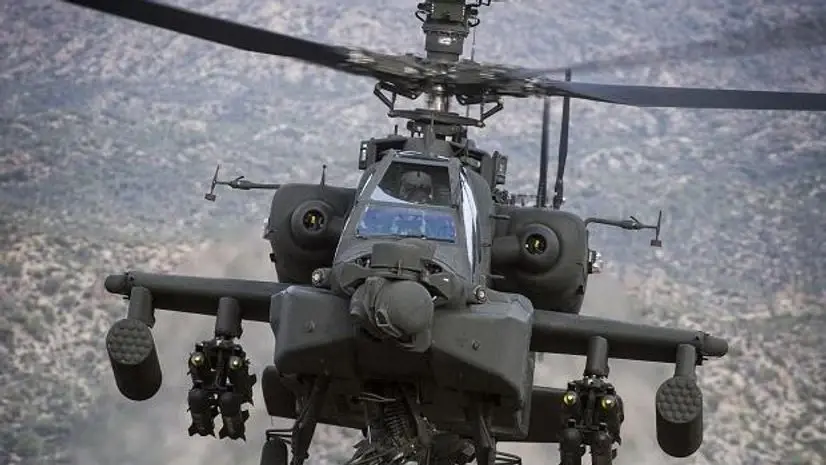
Beating the Atmosphere Cutting Through Smoke
Dust, smoke, and humidity can scatter laser beams and confuse sensors over long distances. Rand Corporation analysis highlights that engaging at closer ranges reduces the amount of "dirty" air the sensor must look through, ensuring a solid lock even in chaotic battlefields.
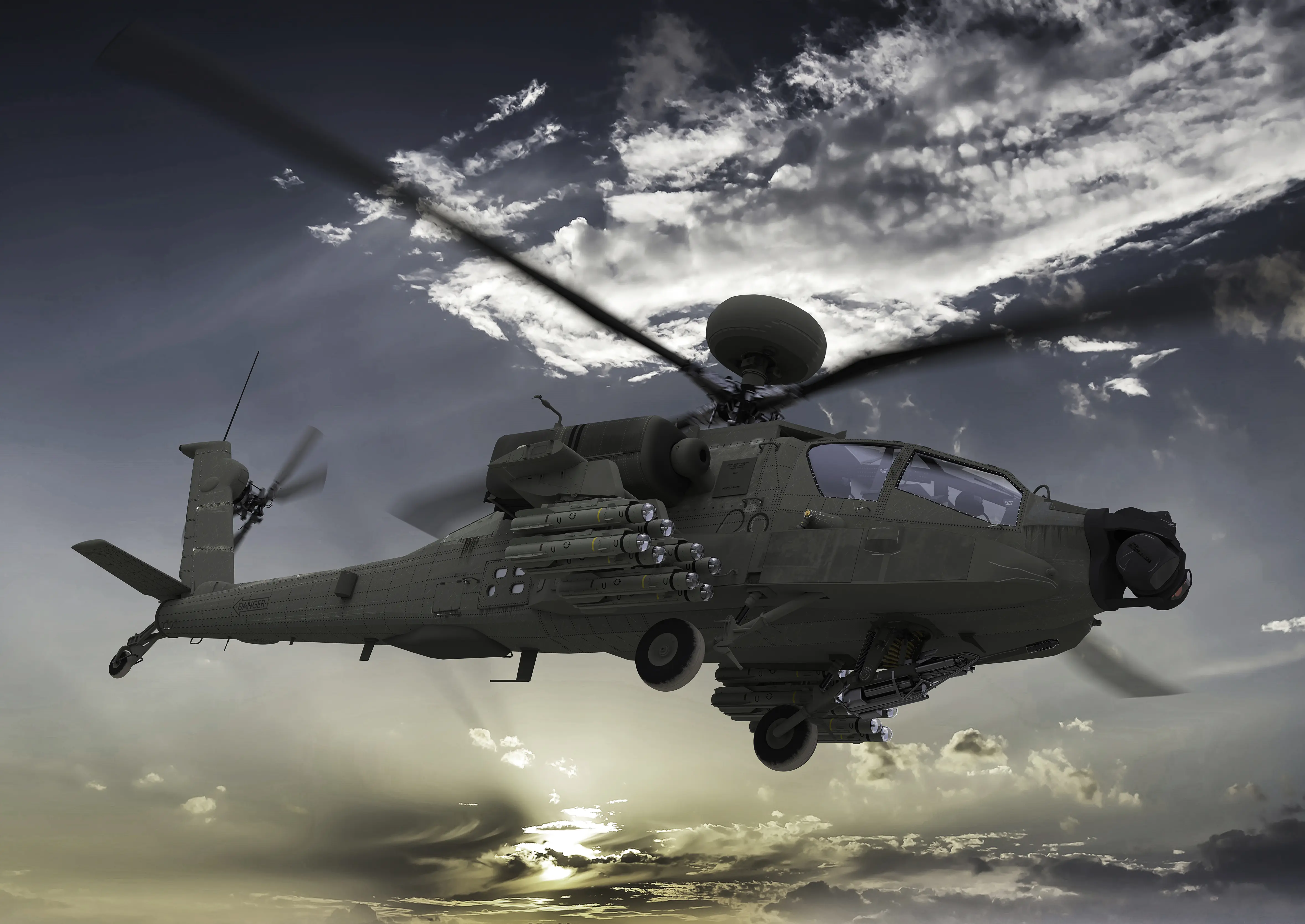
The Pop-Up Ambush Total Surprise
Helicopters use terrain masking to hide behind trees or hills, "popping up" at close range to fire. The Royal United Services Institute describes how this tactic allows the missile to be launched from an unexpected angle, hitting the target before its radar can even register the helicopter's presence.
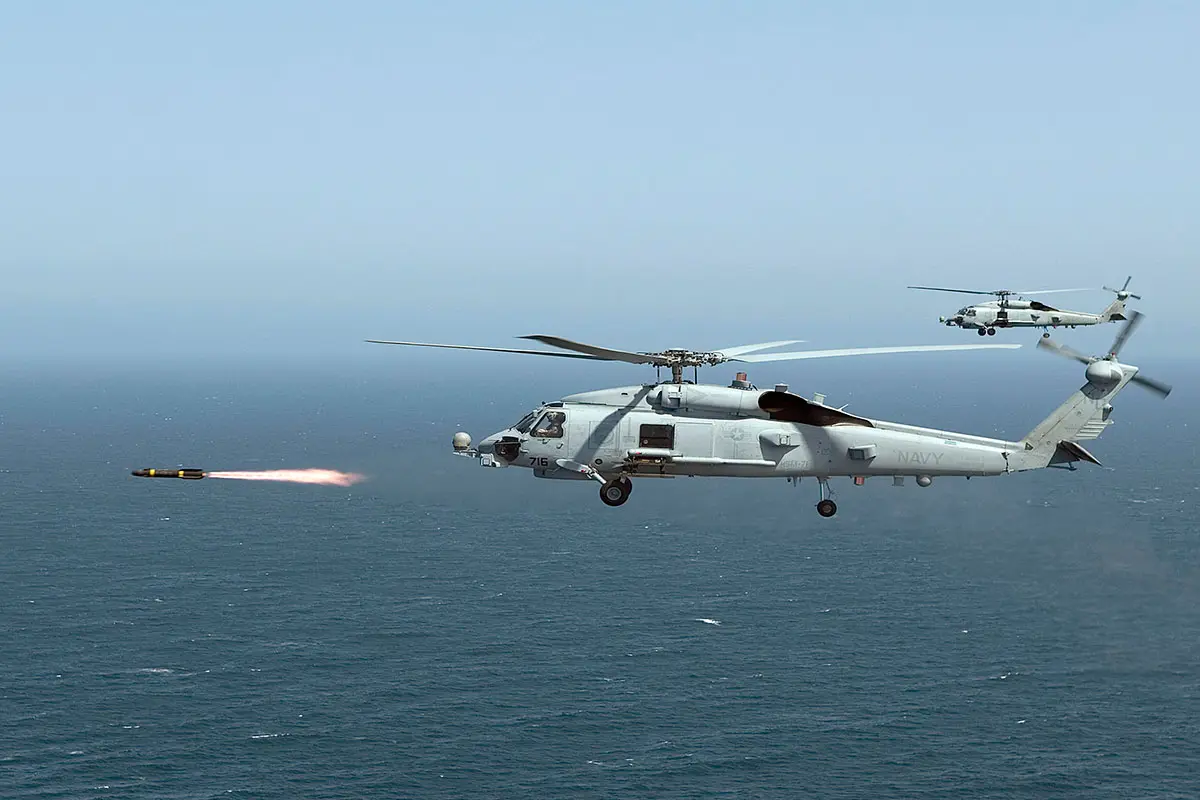
Active Defences Beating the APS
Modern tanks use Active Protection Systems (APS) to shoot down incoming missiles. Breaking Defense reports that at close range, the reaction window is so short that many APS sensors fail to track, classify, and intercept the projectile in time.
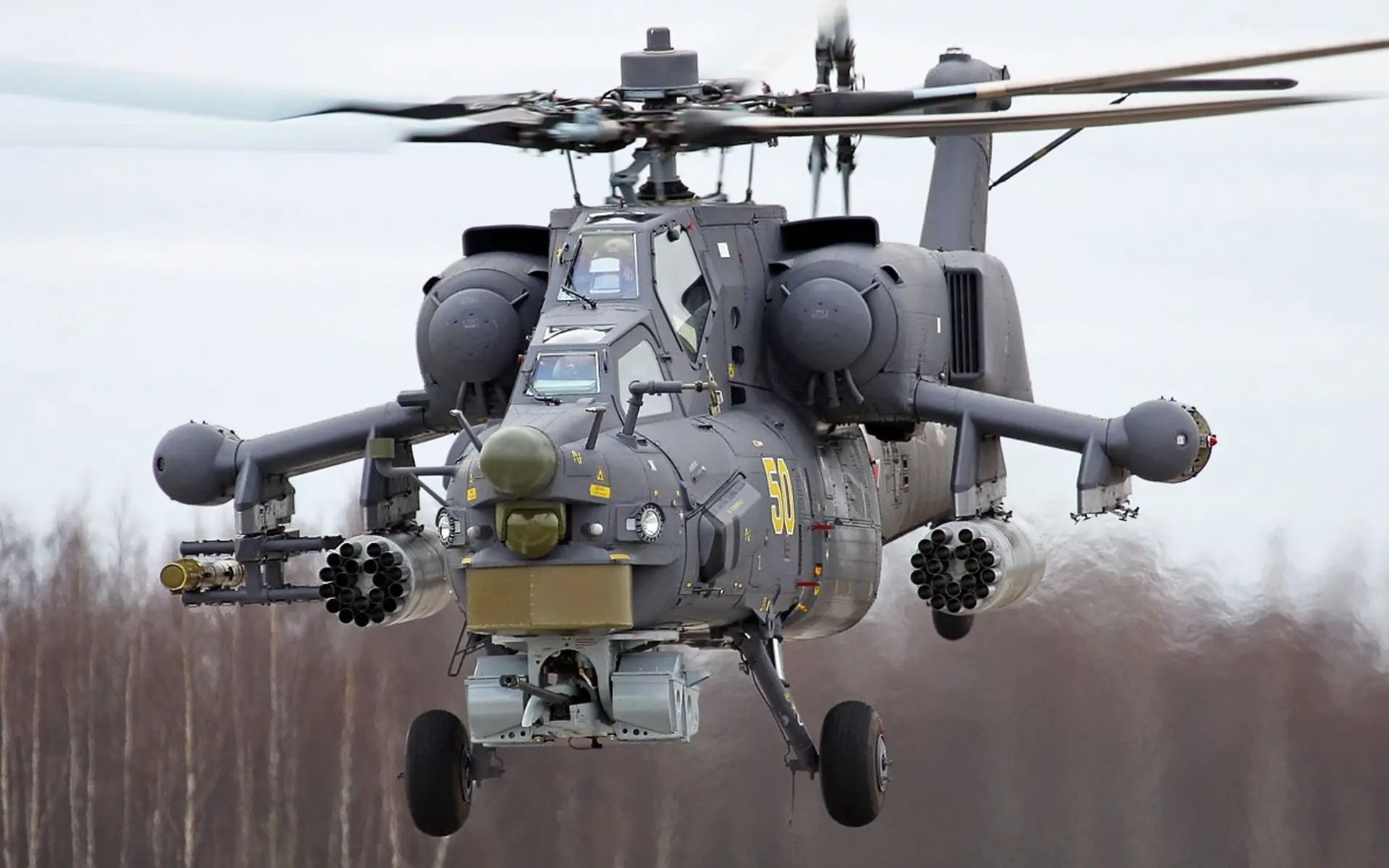
Close-Range Engagement
At long range, pilots rely entirely on grainy sensor feeds. Janes notes that close-range engagement allows for visual confirmation by the crew, ensuring that the missile is fired at a confirmed hostile combatant rather than a decoy or civilian vehicle.
)
)
)
)
)