'Infinite mileage vs human stomach': Why USS Abraham Lincoln's only weakness is groceries

The USS Abraham Lincoln has unlimited nuclear range, but it can't sail forever. Discover why the only thing stopping this 100,000-ton supercarrier is the 90-day food supply and the human stomach.
The Nuclear Infinity Loop
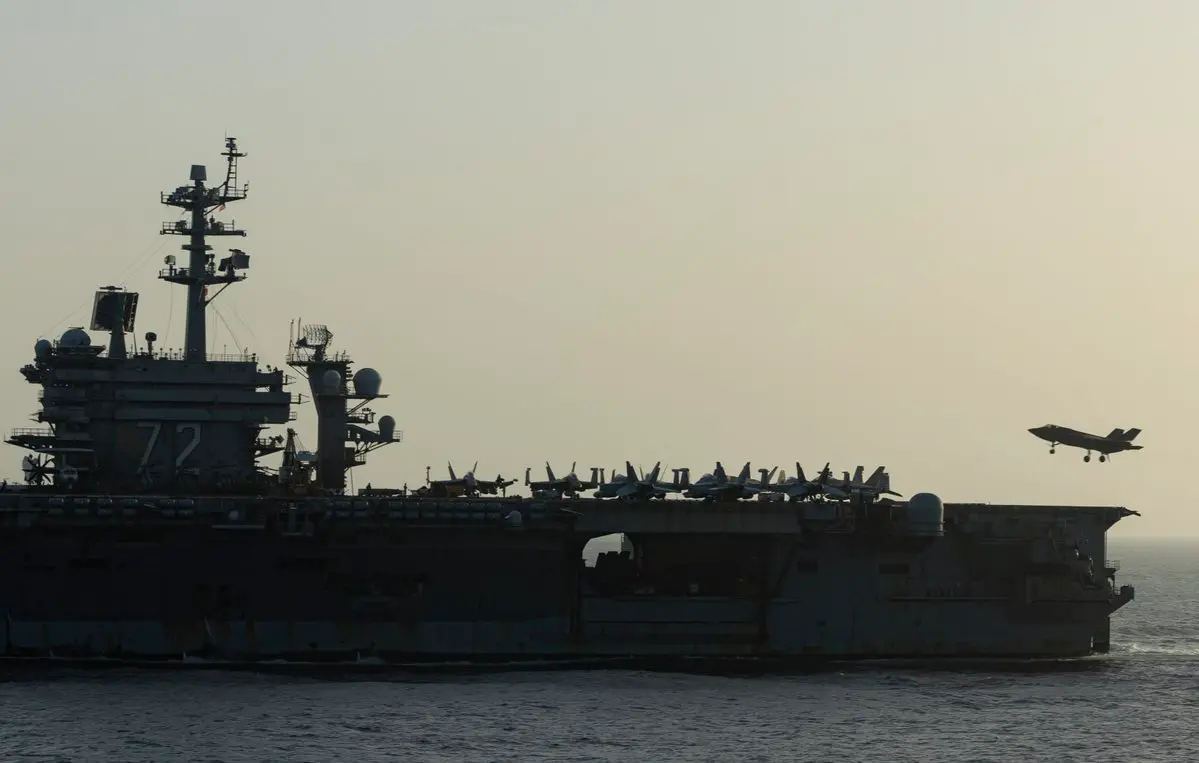
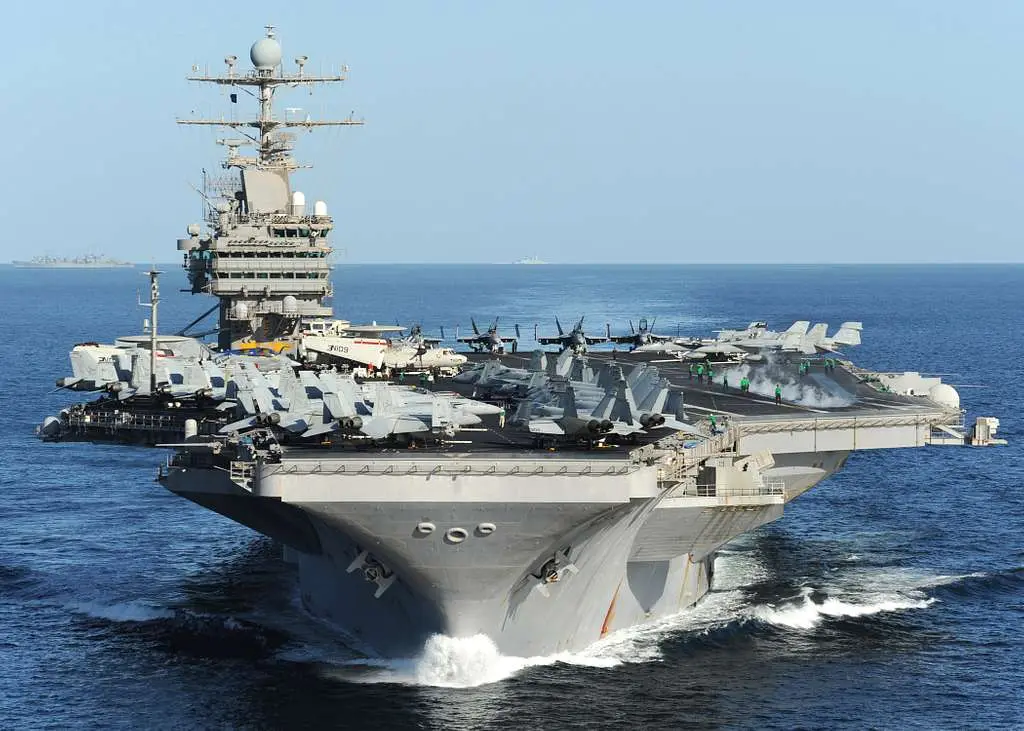
Thanks to its twin A4W nuclear reactors, the USS Abraham Lincoln operates completely free from the constraints of fossil-fuel propulsion. While conventional diesel-powered destroyers must meticulously calculate their burn rates and map out refueling stops, the Lincoln functions on an energy loop that lasts for 25 years. In terms of sheer mechanical capability, its range is effectively infinite.
The Perpetual 30-Knot Sprint
Traditional ships must conserve fuel by cruising at slower, highly efficient speeds, saving their maximum throttle only for emergencies. The Lincoln has no such restriction. Because its nuclear heat source doesn't deplete faster when boiling more water, the supercarrier can sprint across the globe at its top speed of 30+ knots continuously, day and night, without ever worrying about a ‘low fuel’ gauge.
The Biological Bottleneck
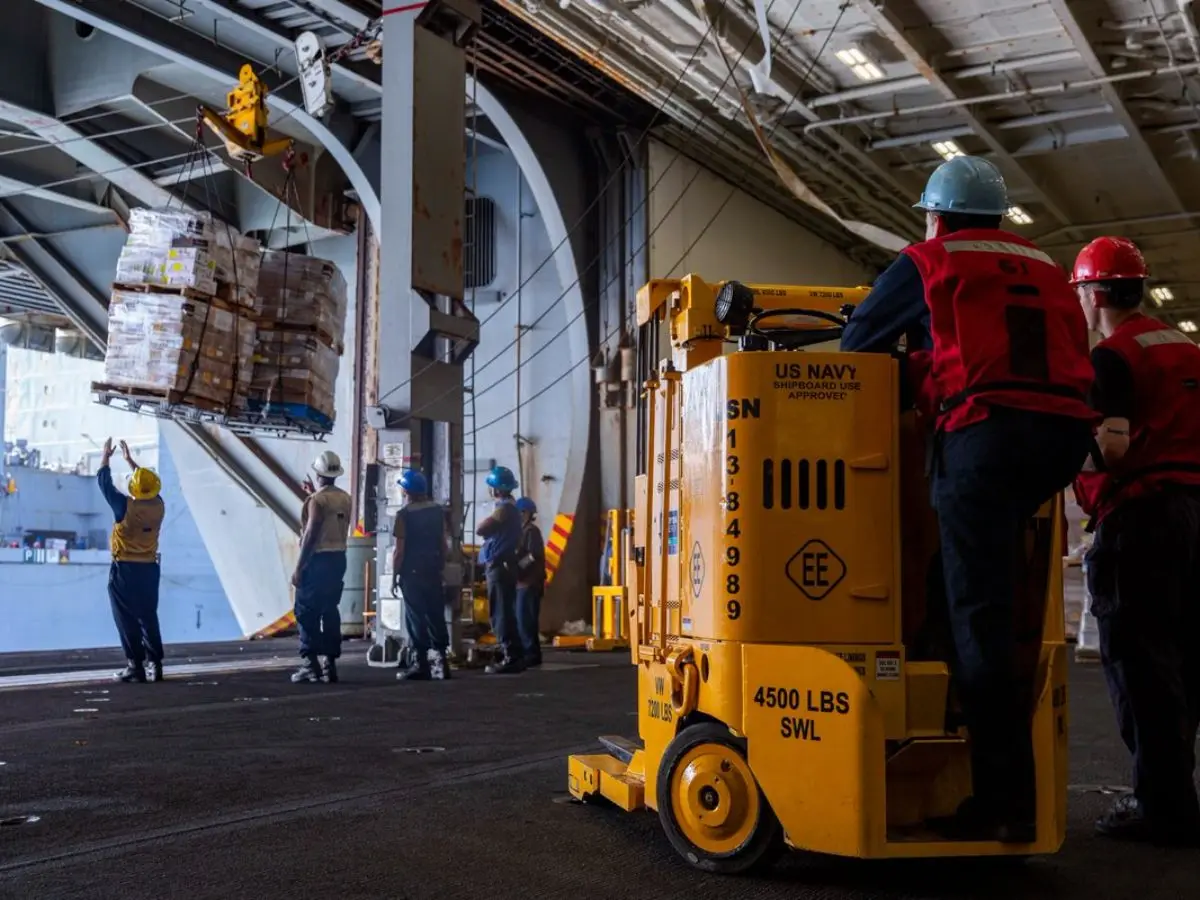
If the ship has infinite power, why do deployments end? The answer lies in the biological vulnerability of the crew. The massive steel hull is driven by atoms, but the 5,000 people operating it are driven by calories. The absolute, hard limit on the Lincoln's operational endurance is the capacity of its deep-storage refrigerators (reefers) and dry storerooms, which hold a maximum 90-day supply of food.
The 18,000-Meal Daily Burn Rate
Human logistics drain resources at an astonishing pace. To maintain combat readiness and high cognitive function in a dangerous environment, the ship's galley must output 18,000 meals every single day. The rapid depletion of flour, sugar, meat, and fresh produce acts as a ticking biological clock against the carrier's infinite mechanical endurance.
The JP-5 Aviation Paradox
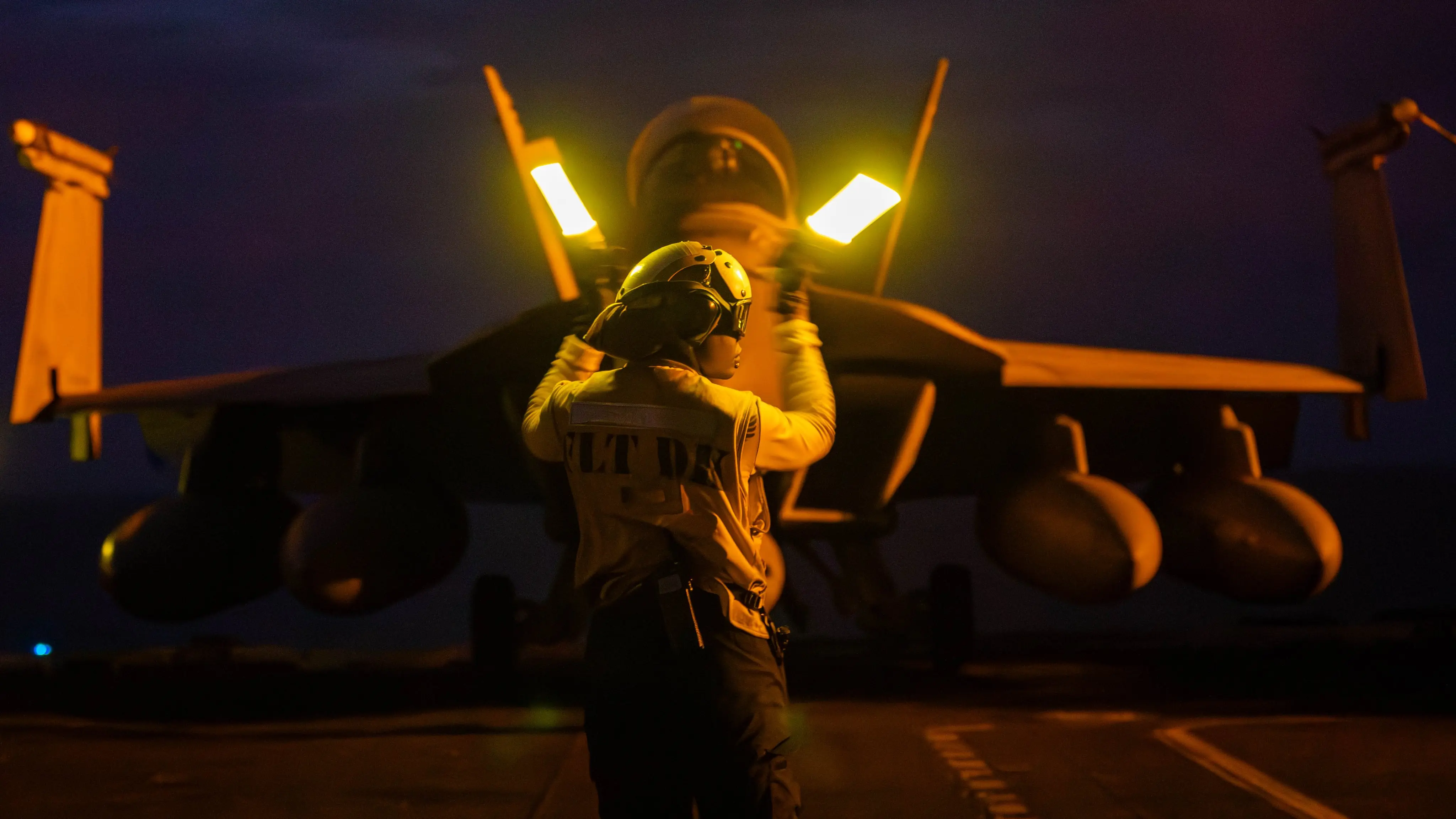
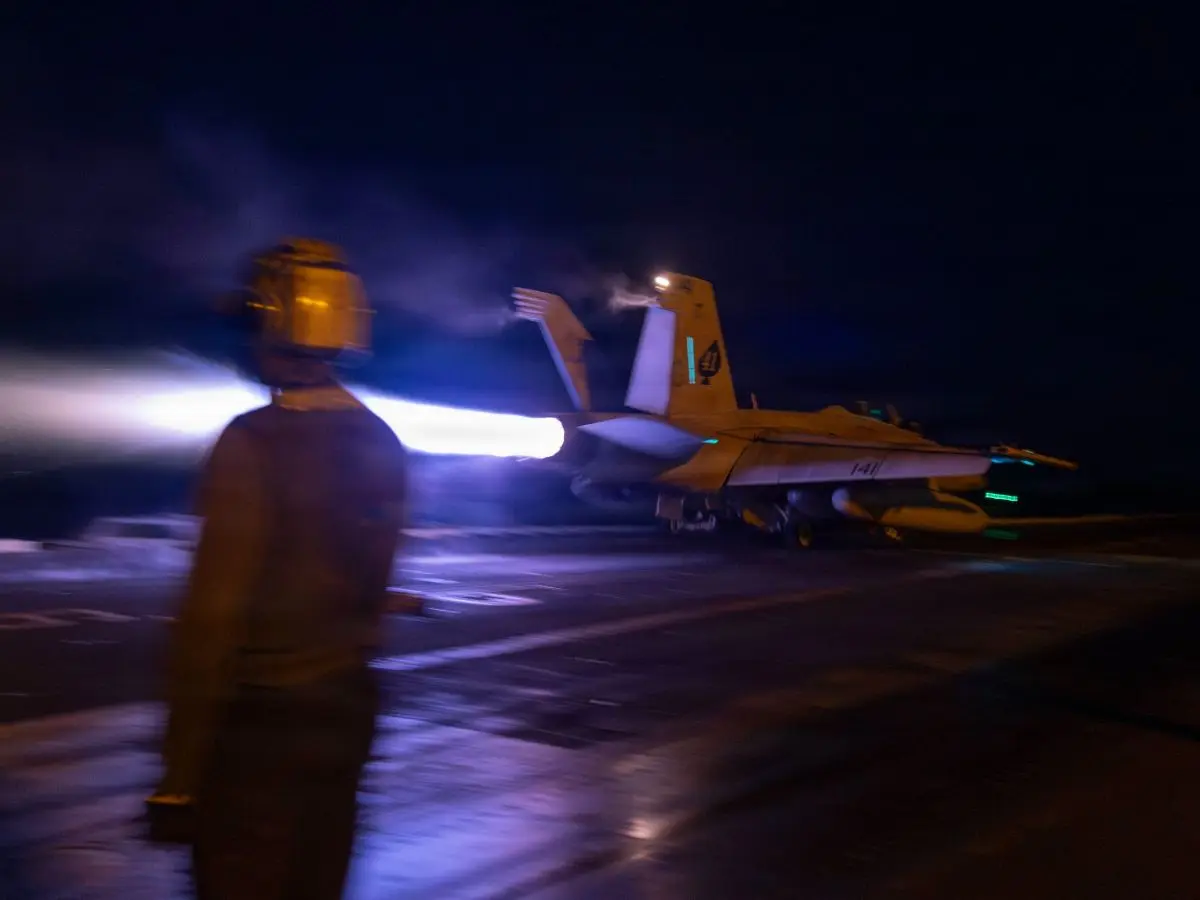
There is a secondary, non-human limit: the airplanes. The carrier itself doesn't need gas, but the F/A-18 Super Hornets and F-35Cs strapped to its flight deck do. The ship stores roughly 3.5 million gallons of JP-5 jet fuel. During heavy combat operations, the air wing can burn through hundreds of thousands of gallons a day, requiring resupply long before the nuclear reactors even blink.
The UNREP Lifeline
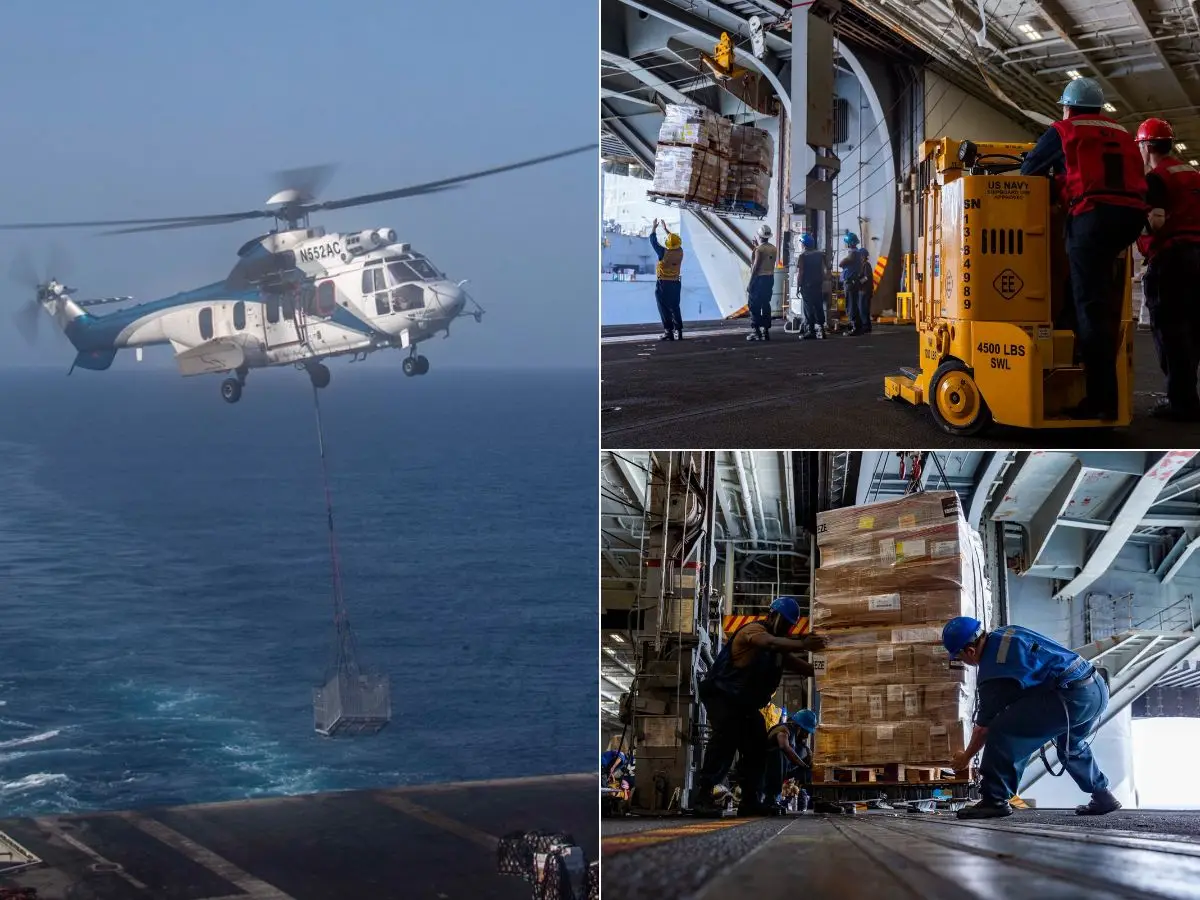
To extend the carrier's biological and aviation endurance without returning to port, the Navy relies on Underway Replenishment (UNREP). Fast Combat Support Ships pull alongside the Lincoln in the middle of the ocean, transferring hundreds of pallets of food and millions of gallons of jet fuel via high-tension cables while both vessels steam ahead at 15 knots. It is a high-wire act keeping the human engine running.
The Ultimate Human Limit: Psychology
Even if the supply ships could theoretically bring a never-ending stream of groceries and jet fuel, there is one final boundary: the human mind. The psychological toll of living in a windowless steel maze, working 16-hour shifts without seeing family or feeling solid ground, eventually degrades combat effectiveness. The legendary 290-day deployment of the Lincoln in 2003 pushed this exact psychological limit to the absolute breaking point.
)
)
)
)
)