The history of Venezuelan power: What it reveals about the country’s political culture

Venezuela’s political culture is shaped by strongman rule, oil dependence and military dominance. From caudillos to Chávez and Maduro, weak institutions, populism and reliance on oil rents repeatedly undermined democracy and enabled authoritarian control.
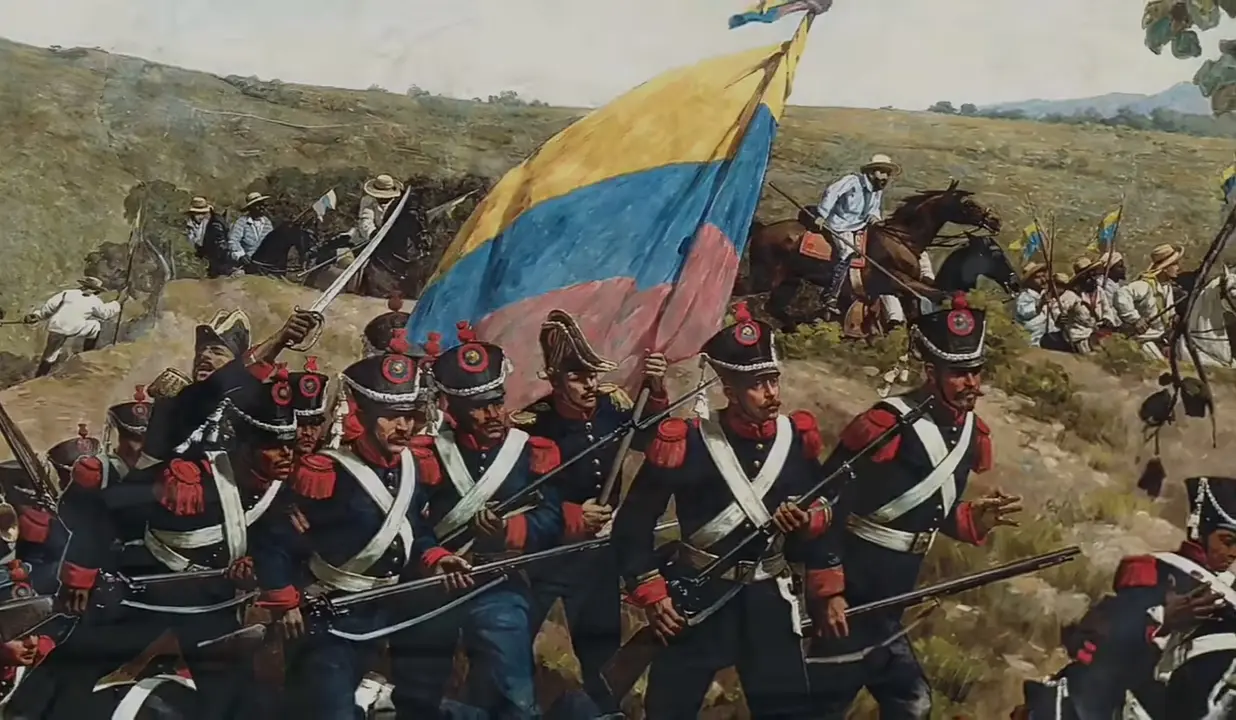
The Legacy of the Caudillo
Venezuela has a long tradition of caudillismo, where charismatic military strongmen rule by force rather than law. Historians note that figures like Juan Vicente Gómez, who ruled for 27 years until 1935, established a precedent where the army is seen as the ultimate source of political authority.
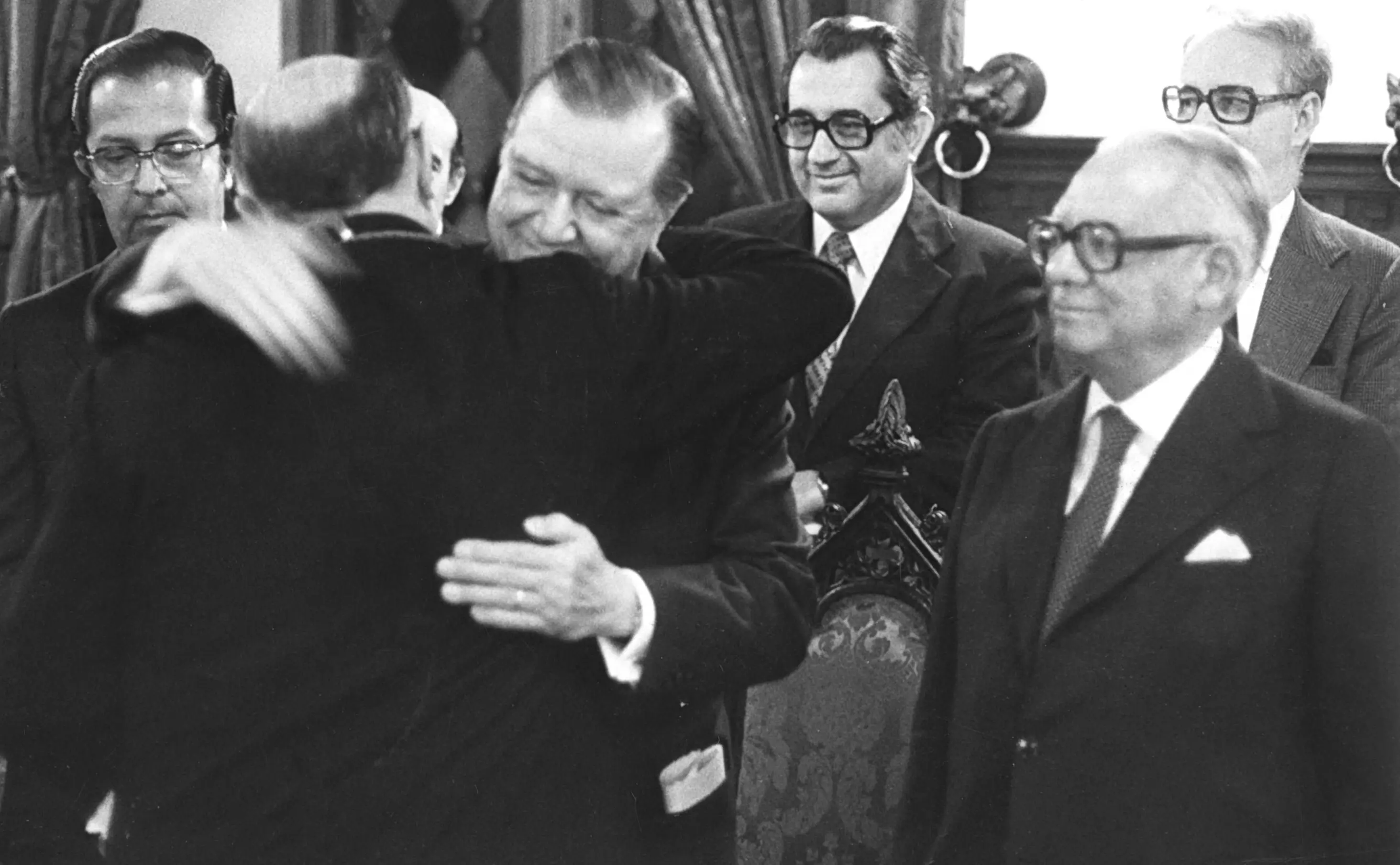
The Puntofijo Pact
Stability through exclusion. In 1958, Venezuela’s main parties signed the Puntofijo Pact to respect election results and share power. While the Council on Foreign Relations states this created decades of stability, it eventually alienated the poor, who felt excluded from the political system, paving the way for populism.
'Black Gold'
Oil shapes the state. Since the 1920s, oil has defined Venezuelan politics, creating a 'rentier state' where governments buy support with petrodollars. A study by the Inter-American Development Bank explains that this reliance made political stability dependent on high oil prices, leading to chaos whenever the market crashed.
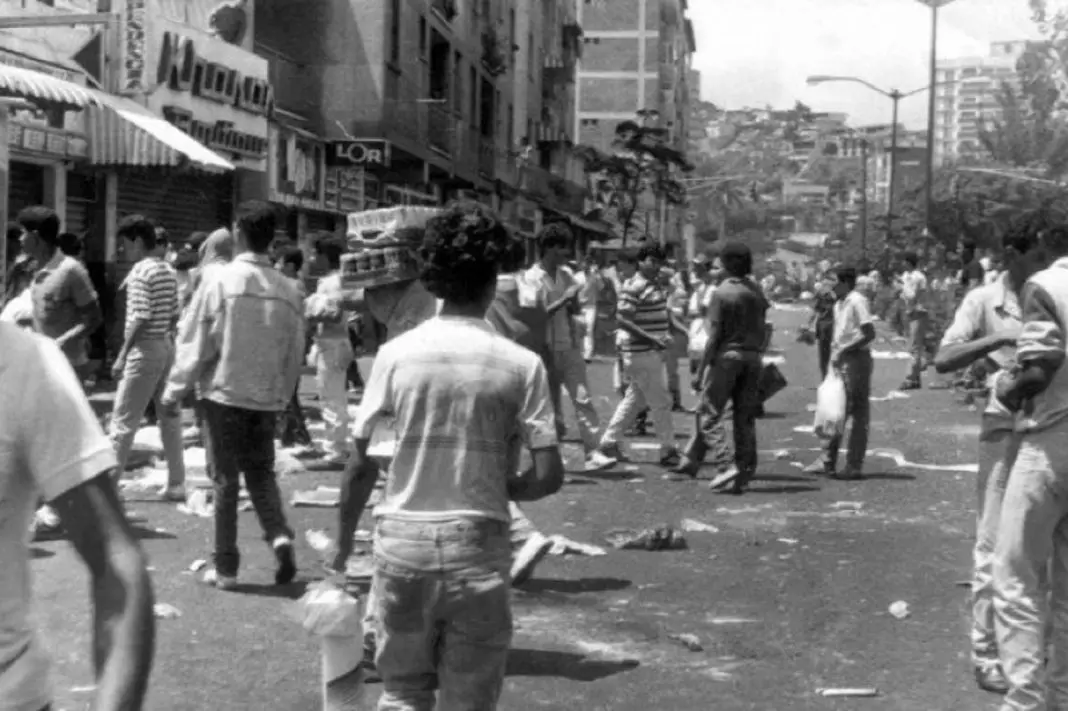
The Caracazo Riots
The breaking point in 1989 When oil prices fell and austerity hit, massive riots known as the Caracazo erupted, leaving hundreds dead. BBC News archives describe this event as the death knell of the old two-party system, shattering the illusion of Venezuela’s democratic success and opening the door for Hugo Chávez.
The Bolivarian Revolution
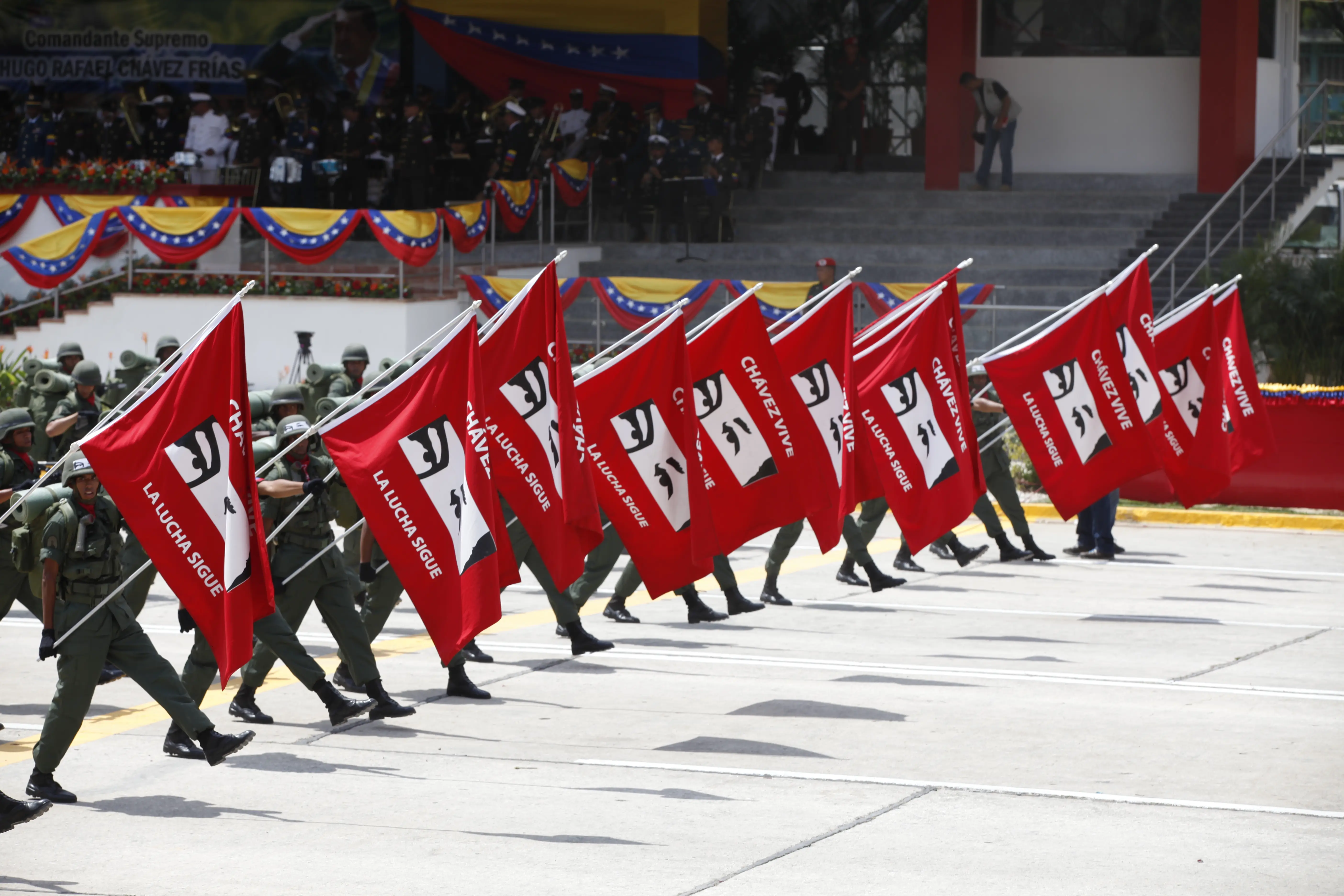
A return to the messiah, Hugo Chávez won in 1998 by reviving the cult of Simón Bolívar, promising to save the nation from corrupt elites. According to The New York Times, he dismantled independent institutions to centralise power, reinforcing the historical pattern that a single saviour is needed to fix the country.
Military as Arbiter
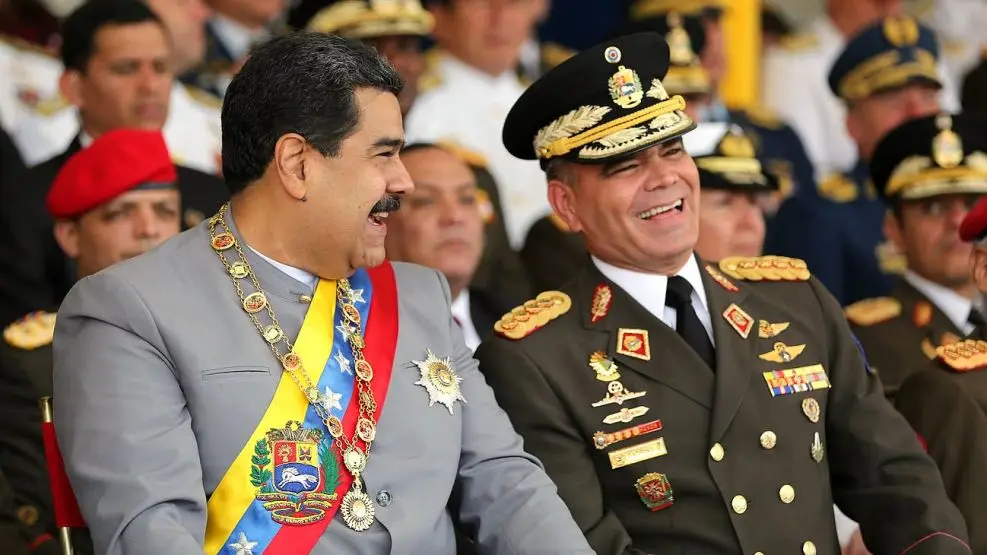
Generals hold the keys. Throughout history, the Venezuelan military has been the true broker of power. Reuters reports that under both Chávez and Maduro, officers were given control of key industries like oil and food distribution to ensure their loyalty, making the armed forces the backbone of the regime.
Institutional Collapse
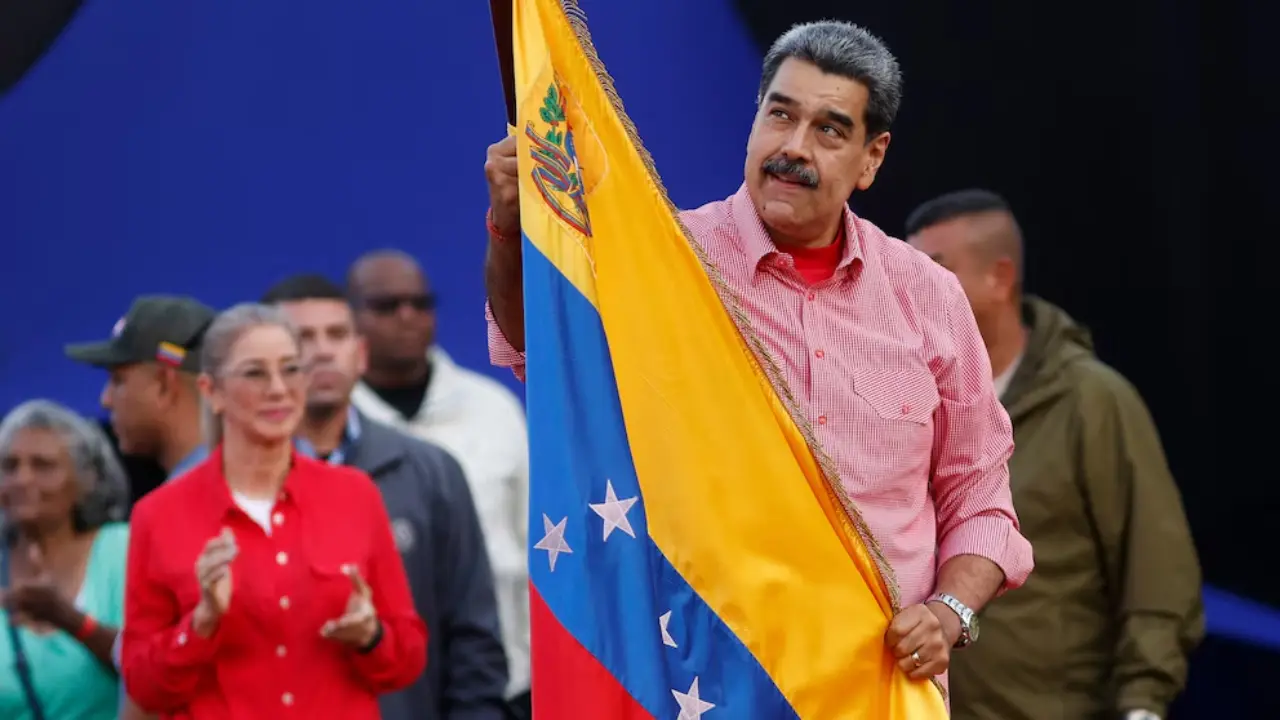
Erosion of checks and balances. Under Maduro, the political culture shifted to survival through repression. Reports from the UN Fact-Finding Mission detail how the judiciary and electoral councils were co-opted to serve the executive, effectively ending the democratic experiment that began in 1958.
)
)
)
)
)