• Wion
  • /Photos
  • /The hidden machine behind the machine: Who really gets a B-52 bomber airborne?

The hidden machine behind the machine: Who really gets a B-52 bomber airborne?

Keeping the B-52 flying requires 62 maintenance hours per flight hour. Ground crews battle metal fatigue and ‘vanishing vendor syndrome’ by cannibalising old parts. A USD 48.6 billion engine upgrade will soon relieve maintainers well into the 2060s.
The 62-Hour Rule
1 / 7

The 62-Hour Rule

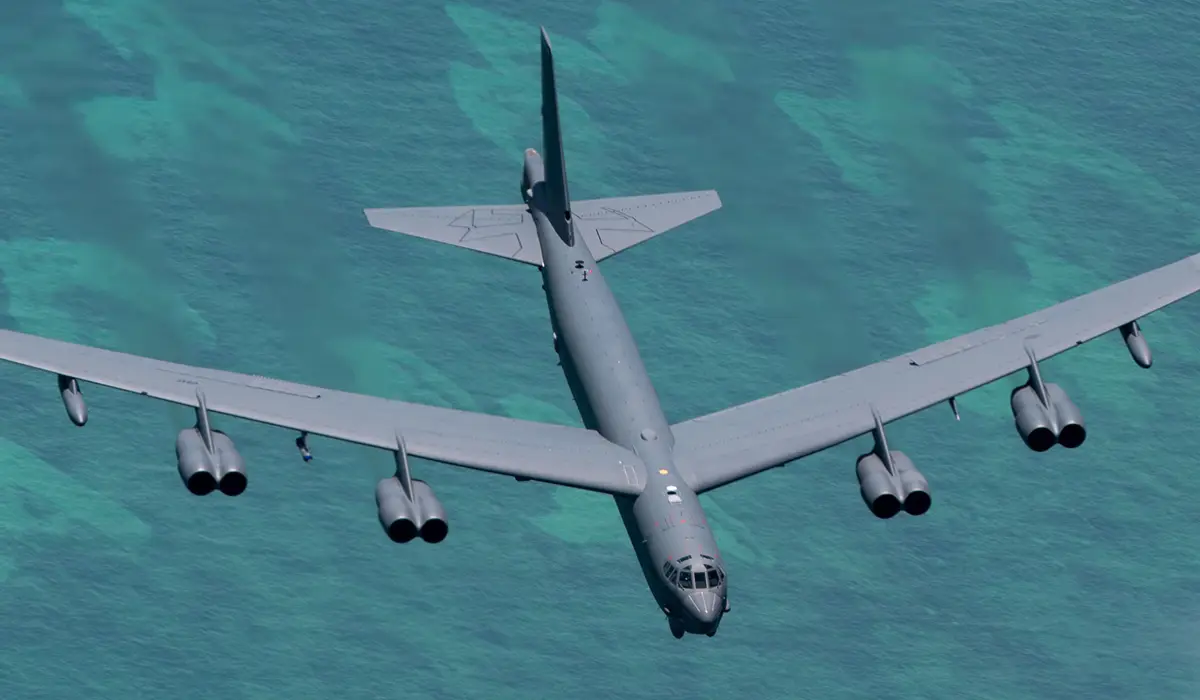
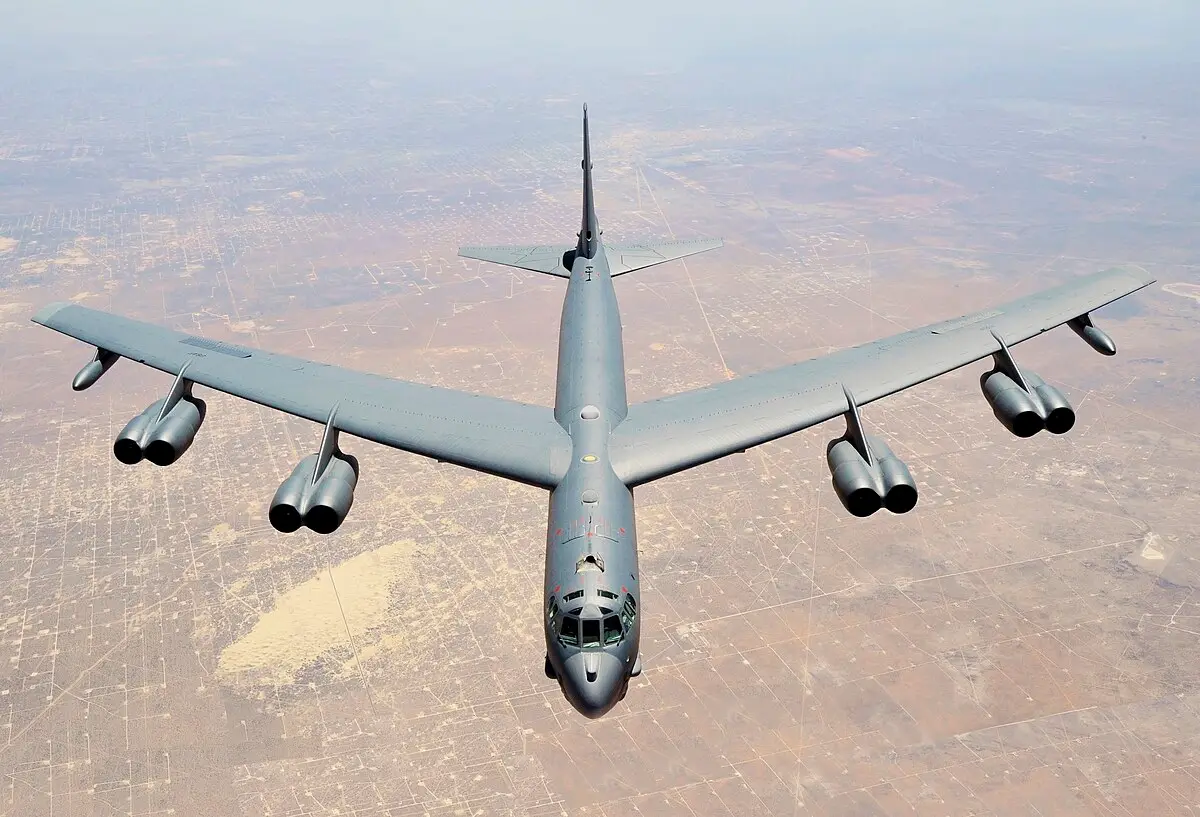
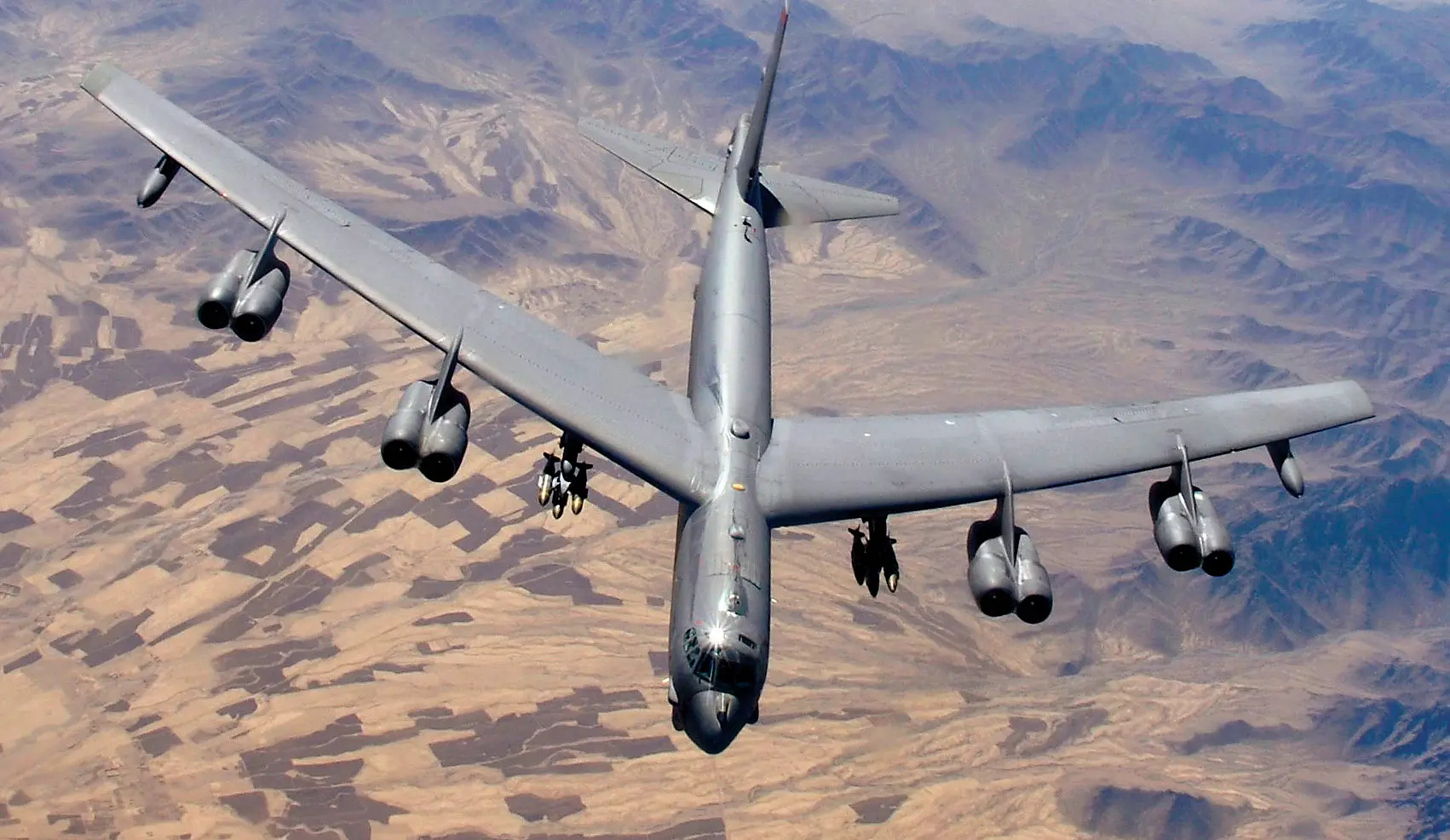
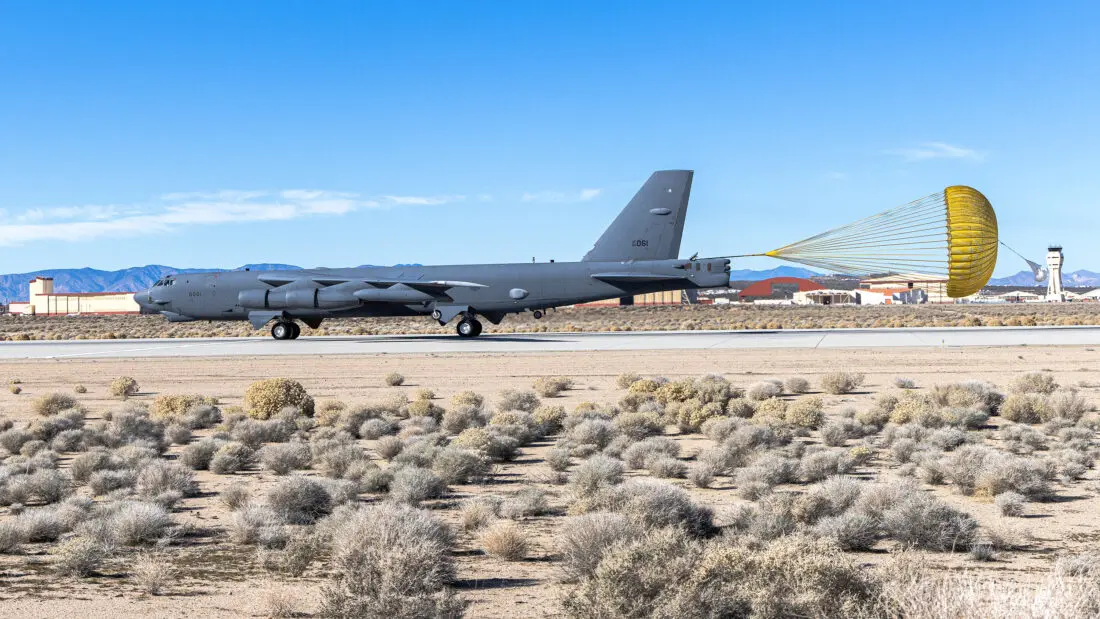
Keeping a Cold War-era bomber flying requires an astonishing logistical footprint. For every single hour a Boeing B-52 Stratofortress spends in the air, highly trained ground crews must perform a staggering 62 hours of intensive maintenance.

The Tinker AFB Army
2 / 7

The Tinker AFB Army

Routine flightline checks are not enough to keep the vintage fleet combat-ready. At Tinker Air Force Base, a dedicated army of over 500 specialised maintainers works year-round to completely strip, inspect, and rebuild approximately 17 heavy bombers annually during deep depot maintenance.

Vanishing Vendor Syndrome
3 / 7

Vanishing Vendor Syndrome

Because the aircraft was designed in the 1950s, ground crews constantly battle ‘vanishing vendor syndrome’. With original manufacturers long gone, maintainers are frequently forced to custom-fabricate bespoke replacement parts or painfully cannibalise them from retired boneyard airframes.

Fighting Metal Fatigue
4 / 7

Fighting Metal Fatigue

Maintainers must carefully manage thousands of structural specifications for a massive flexing airframe. The oldest active B-52H has accumulated roughly 21,000 flight hours, requiring engineers to constantly inspect the wing roots for microscopic cracks caused by decades of extreme aerodynamic stress.

Tough Go/No-Go Calls
5 / 7

Tough Go/No-Go Calls

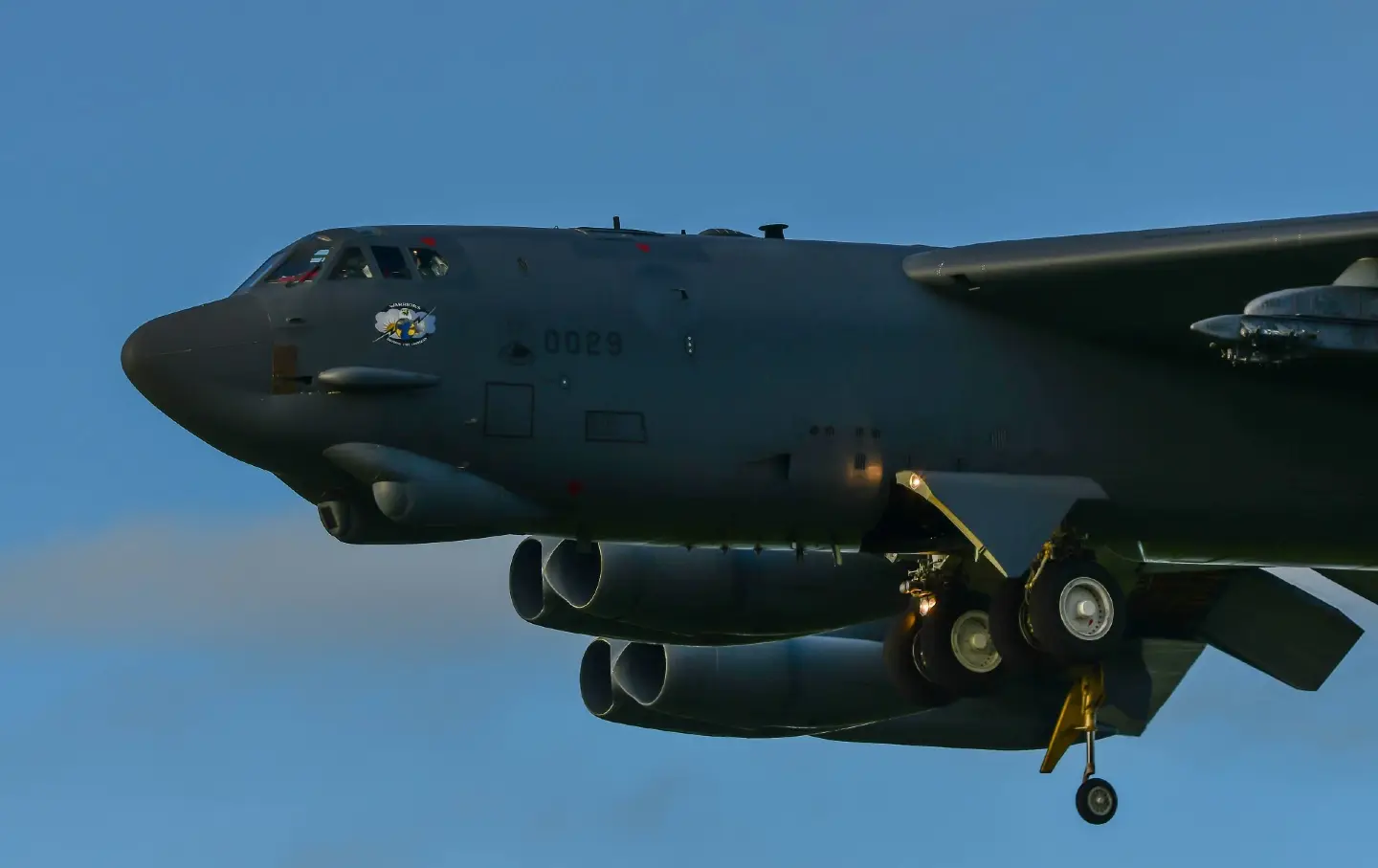
Decades-old electronics, such as degraded targeting pods or altimeter failures, routinely plague the vintage flightline. Maintenance chiefs and aircraft commanders must frequently make difficult go/no-go decisions, occasionally launching combat missions using fully operational secondary backup systems.

The Cost-Effective Giant
6 / 7

The Cost-Effective Giant

Despite this intense maintenance burden, the B-52 remains America's most economical heavy bomber. It costs approximately USD 88,354 per flight hour to operate, vastly outperforming the maintenance-heavy B-1B Lancer and the delicate, radar-absorbing B-2 Spirit stealth bomber.

A USD 48.6 Billion Relief
7 / 7

A USD 48.6 Billion Relief

To actively reduce the crushing workload on ground crews, the Pentagon is executing the USD 48.6 billion B-52J upgrade. By replacing the archaic 1960s turbofans with reliable Rolls-Royce F130 commercial engines, the US Air Force ensures maintainers can keep the bomber flying until 2060.