The HAL Tejas fighter jet is made of the same materials used to build spacecraft

India’s Tejas fighter jet uses advanced composites, titanium and aluminium-lithium alloys materials normally found in spacecraft. They make the jet lighter, stronger, more agile and harder to detect on radar, giving Tejas major performance and durability advantages over metal-built fighters.
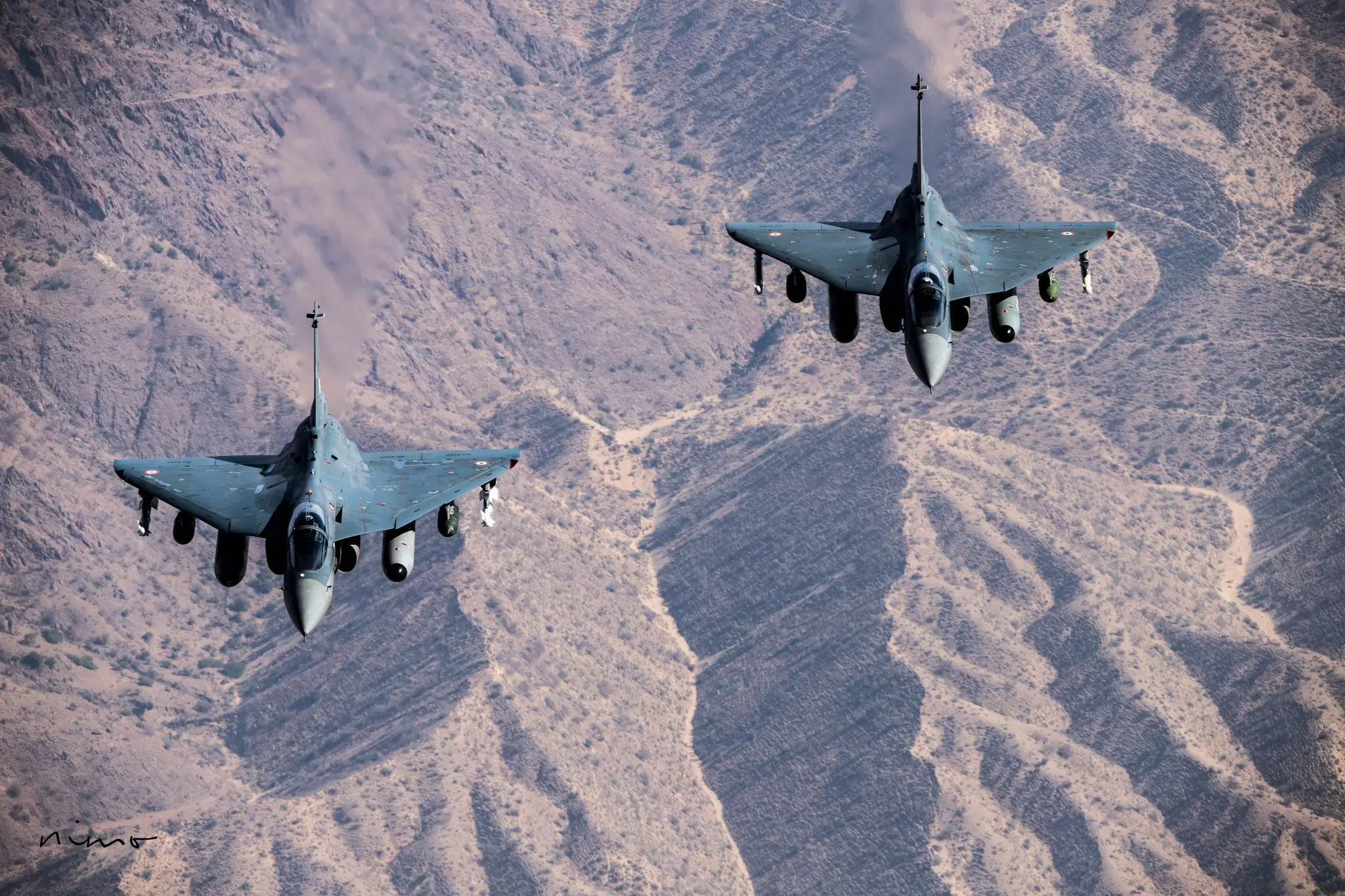
What Makes Tejas So Special?
India's Tejas fighter jet looks like any other fighter at first glance. But underneath the sleek exterior lies something extraordinary. The aircraft is built using materials normally found in spacecraft and rockets. These are not ordinary materials. They are advanced composites and alloys used by space agencies and rocket makers. The use of these materials makes Tejas one of the lightest and smallest supersonic fighters in the world. It weighs less than comparable fighters from other countries. This weight advantage gives Tejas incredible performance. Understanding why these materials matter explains why Tejas is such a powerful jet.
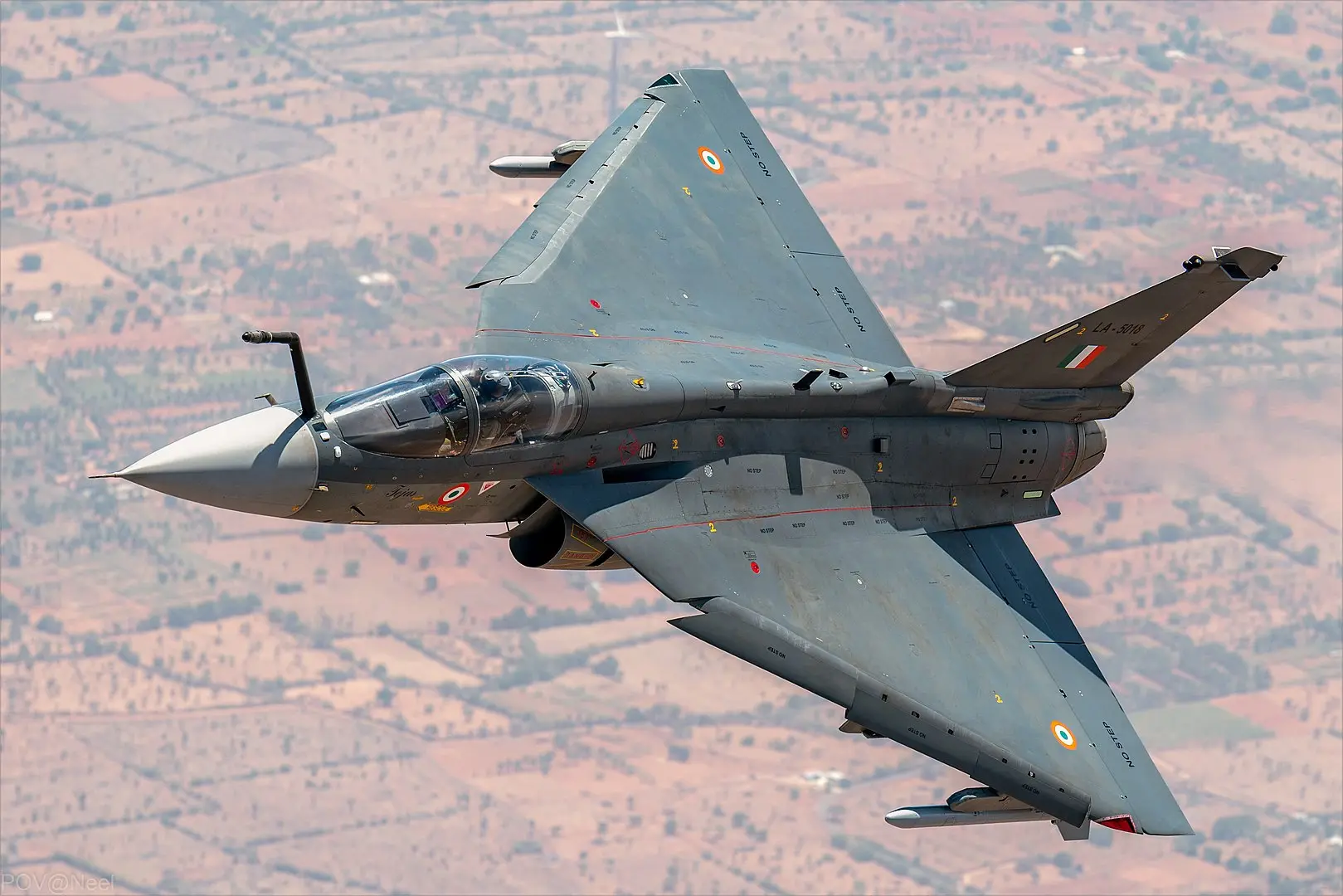
Carbon Fibre Composites: The Main Building Block
The primary material in the Tejas is carbon-fibre reinforced composite. According to defence sources and HAL technical data, composite materials make up 45 percent of the aircraft's weight. More remarkably, these composites cover over 90 percent of the visible surface area. This is among the highest percentages of any frontline fighter jet globally. The wings, fuselage, tail, and many other parts are made entirely of carbon composites. Even the nose cone uses Kevlar composite for extra strength in that critical area. The extensive use of composites is not accidental. It is a deliberate engineering choice that provides tremendous advantages. It reduces weight without sacrificing strength or durability in any way.
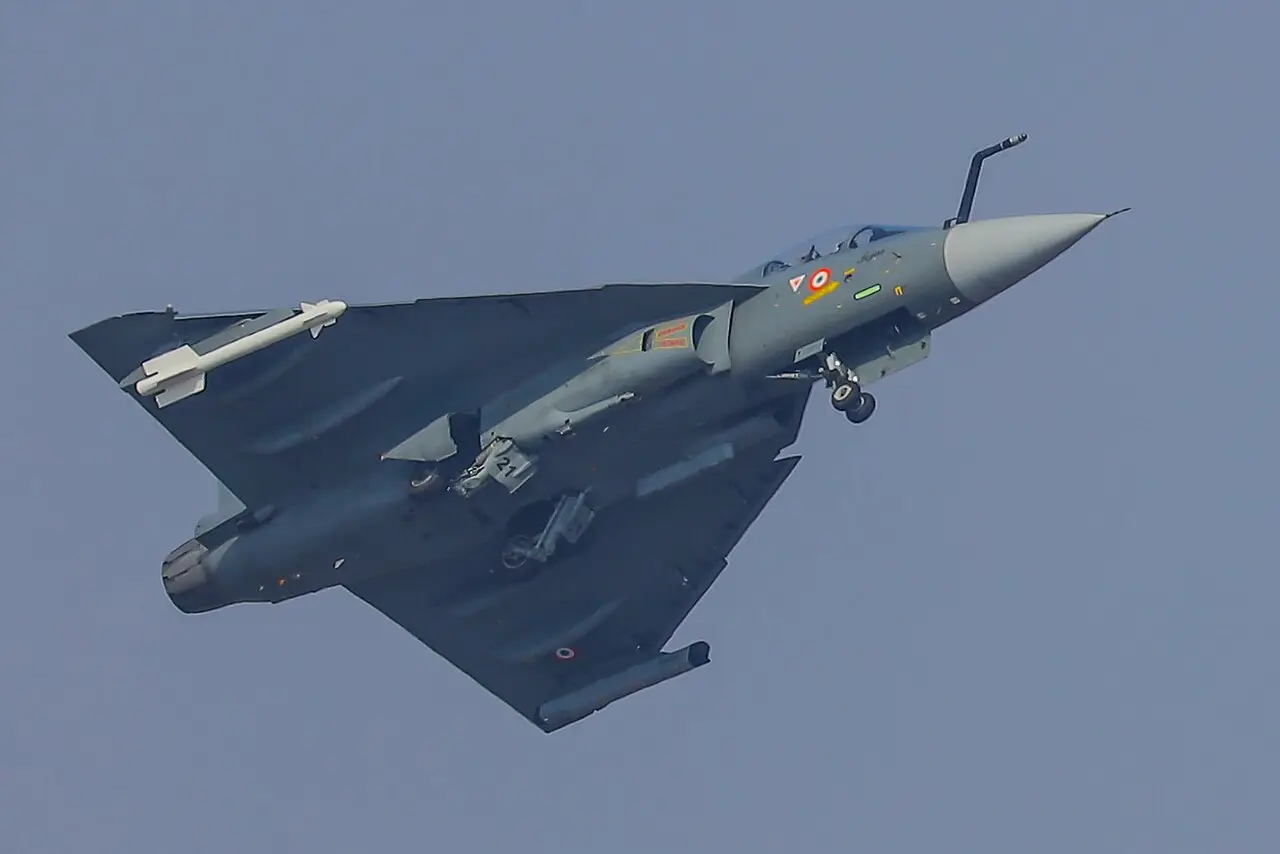
Titanium Alloys And Aluminium-Lithium Give Tejas Its Strength
Beyond carbon composites, the Tejas uses titanium alloys and aluminium-lithium alloys in strategic locations. Titanium is an extremely strong metal that can handle extreme temperatures. It is used in areas near the engines and around the air intakes where temperatures reach very high levels. Aluminium-lithium alloys are lighter than regular aluminium while remaining stronger. They are used in the fuselage and other structural parts. These metals are the same ones used in rockets and spacecraft. They have to withstand extreme conditions including rapid temperature changes, intense vibrations, and enormous forces. When these metals are combined with composites, they create an airframe that is incredibly strong yet remarkably light.
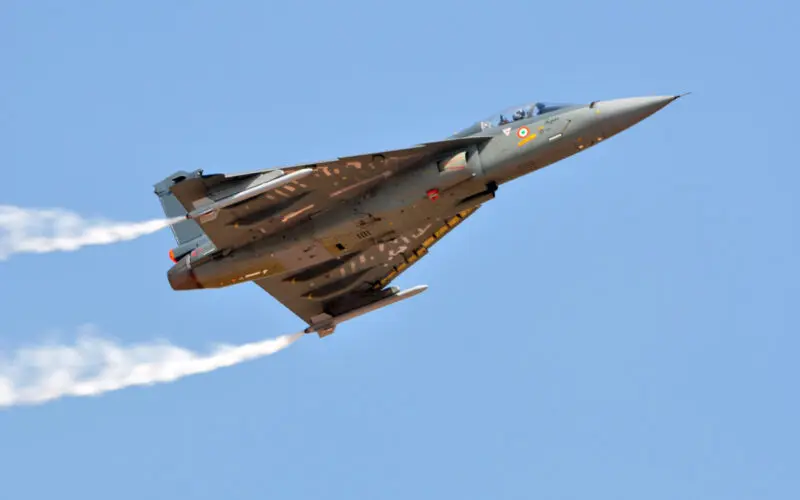
Lighter Aircraft Fly Faster, Turn Better, Use Less Fuel
The weight reduction from using composites is significant. Compared to an aircraft made entirely of metal, the Tejas is 20 to 25 percent lighter. This might sound like a small difference, but it transforms aircraft performance. A lighter jet accelerates faster and reaches higher speeds more easily. It can turn sharper and more quickly because less weight has to be moved around. Most importantly for long missions, a lighter aircraft needs less fuel to fly the same distance. This means longer range and longer endurance. For the Indian Air Force, this advantage is critical. Tejas can patrol larger areas and fly on longer missions without needing to refuel. For combat, the agility from lower weight can mean the difference between winning and losing an aerial engagement.
Reduced Radar Signature: The Stealth Advantage
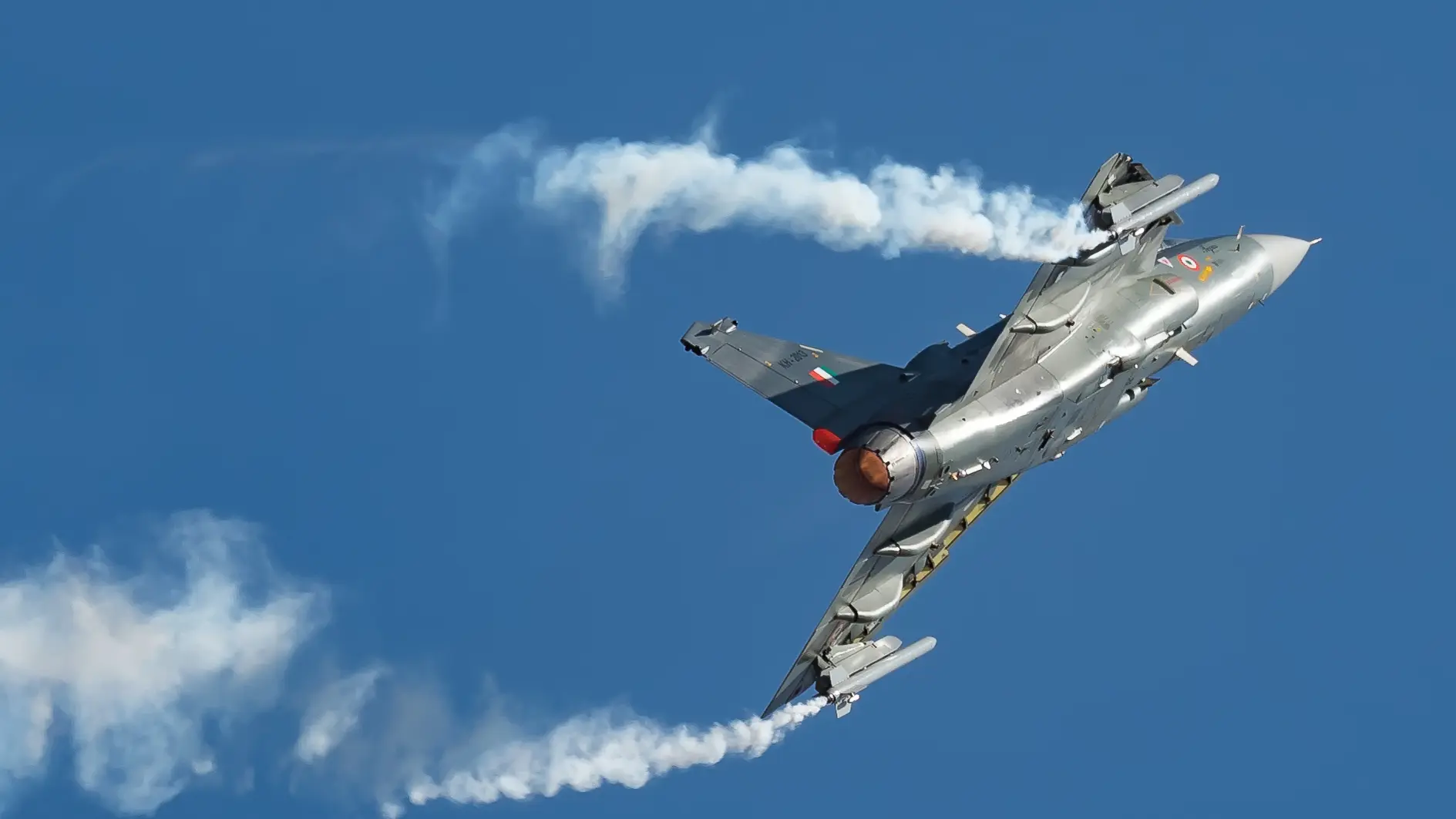
One fascinating property of carbon composites is how they interact with radar waves. The material naturally absorbs and scatters radar energy rather than reflecting it back to the sender. This means radar systems have difficulty detecting the Tejas. The aircraft is not designed as a pure stealth fighter like the American F-35. However, the extensive composite skin gives it semi-stealth capabilities. According to defence analysis, the Tejas has a reduced radar cross-section compared to similar non-stealth fighters. This reduction comes partly from the materials and partly from the aircraft's smooth shape. In modern combat, being harder to detect provides a tactical advantage. The enemy cannot shoot what they cannot see. The composites contribute meaningfully to this defensive advantage.
Composites Do Not Rust: Why Tejas Lasts Longer
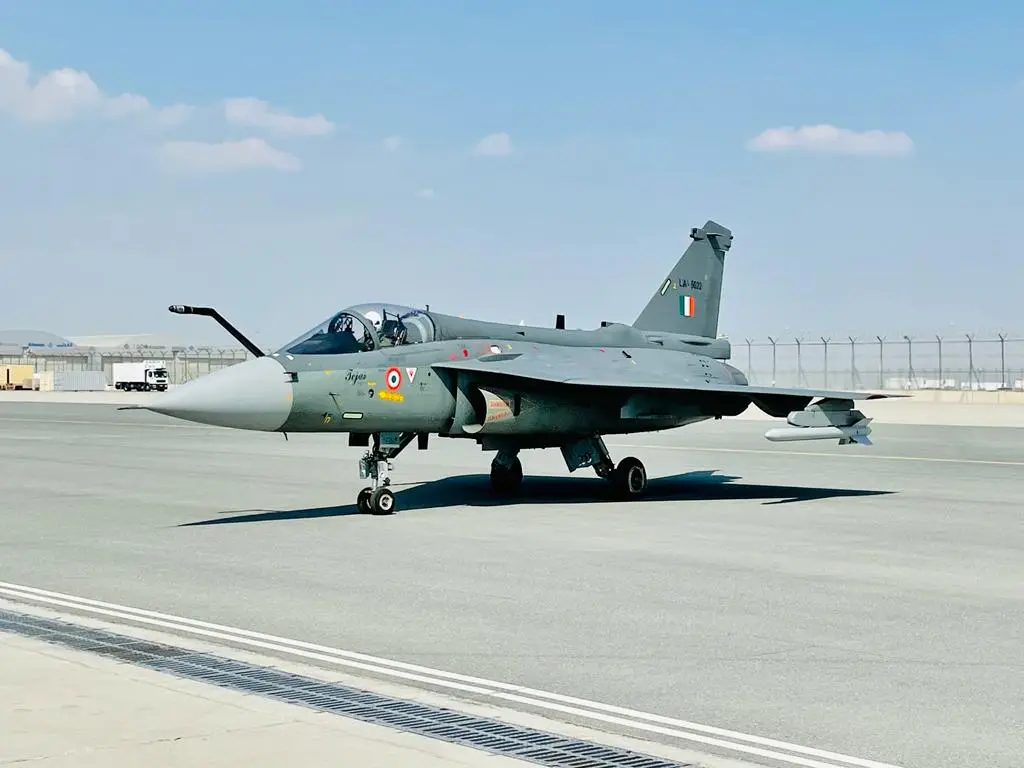
Metals like aluminium and steel corrode and rust when exposed to moisture, salt, and humidity. This is a major problem for military aircraft operating from coastal bases. The Tejas operates from bases in all of India, including locations with high humidity and salt air near the ocean. Composite materials do not rust or corrode. They are naturally resistant to corrosion. This means aircraft components do not degrade from exposure to moisture and salt air. The fuselage skin, wings, and tail remain strong even after decades of coastal operations. This natural resistance extends the service life of the aircraft. It also reduces the amount of maintenance required. Less maintenance means lower operating costs. Aircraft can spend more time flying and less time in hangars undergoing repairs. This is a major benefit for the Indian Air Force's operational readiness.
The Future: Even Better Materials
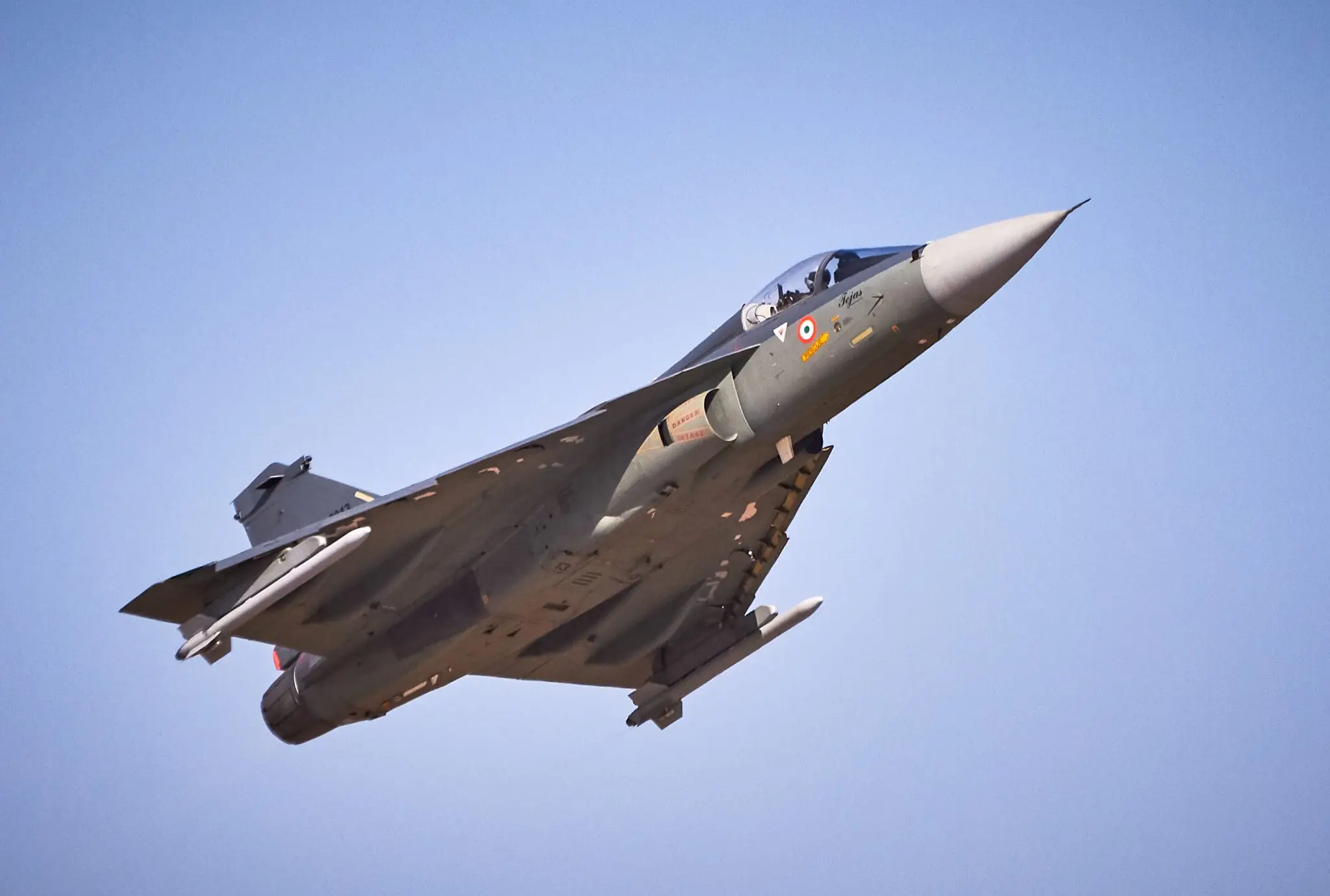
The Tejas Mk2 and future versions will incorporate even more advanced composite materials. Scientists and engineers at CSIR-NAL and HAL are developing next-generation composites with even better properties. These new materials will be stronger, lighter, and more heat-resistant than current composites. They will withstand higher temperatures without degradation. Future fighter jets globally are expected to be more than two-thirds composite by weight. The Tejas is already approaching this benchmark at 45 percent. Future Indian fighters will push this percentage even higher. These advances will enable faster speeds, longer ranges, and greater agility. The space programme has shown how advanced materials enable extraordinary achievements. The Tejas programme is applying these same lessons to build world-class fighters. India's investment in materials science today will shape defence capabilities for decades.
)
)
)
)
)