The Greenland Advantage: Why Greenland is so critical for laser-based satellite communications

Greenland's Kangerlussuaq is becoming a key hub for laser satellite comms due to its clear skies and polar location. The new ESA station will boost data speeds and security while lowering costs.
A New Space Gateway
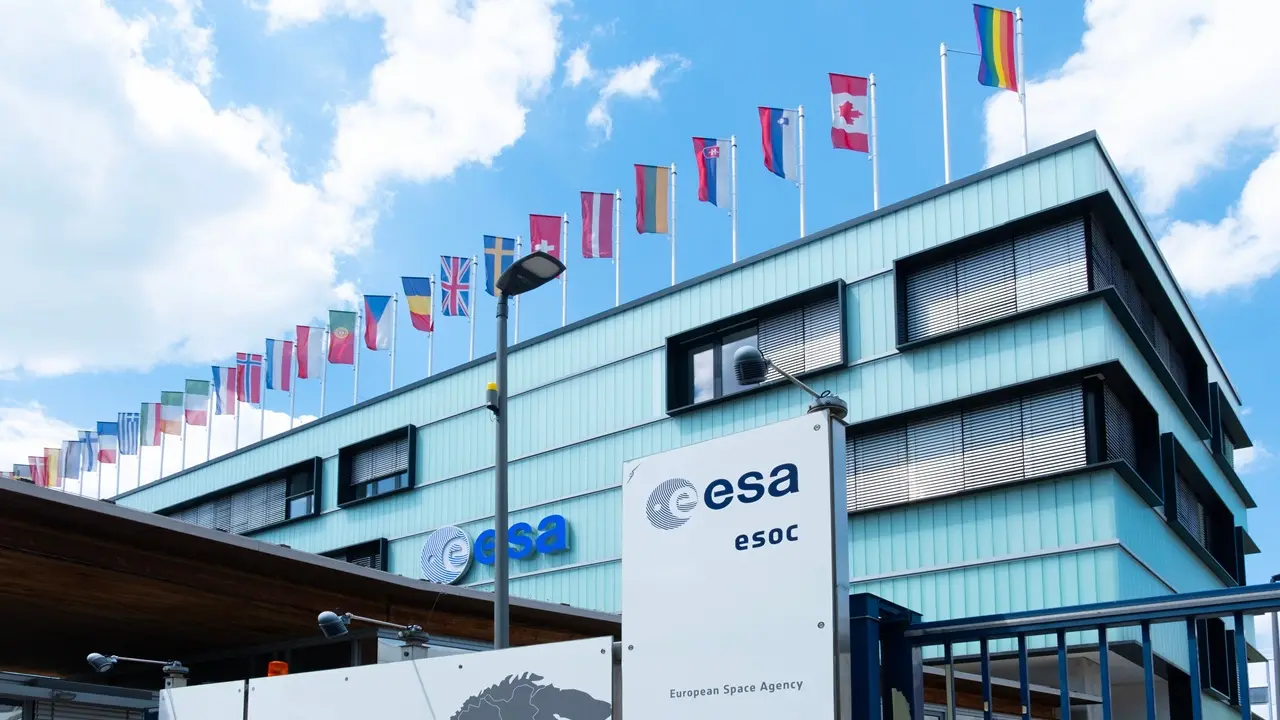
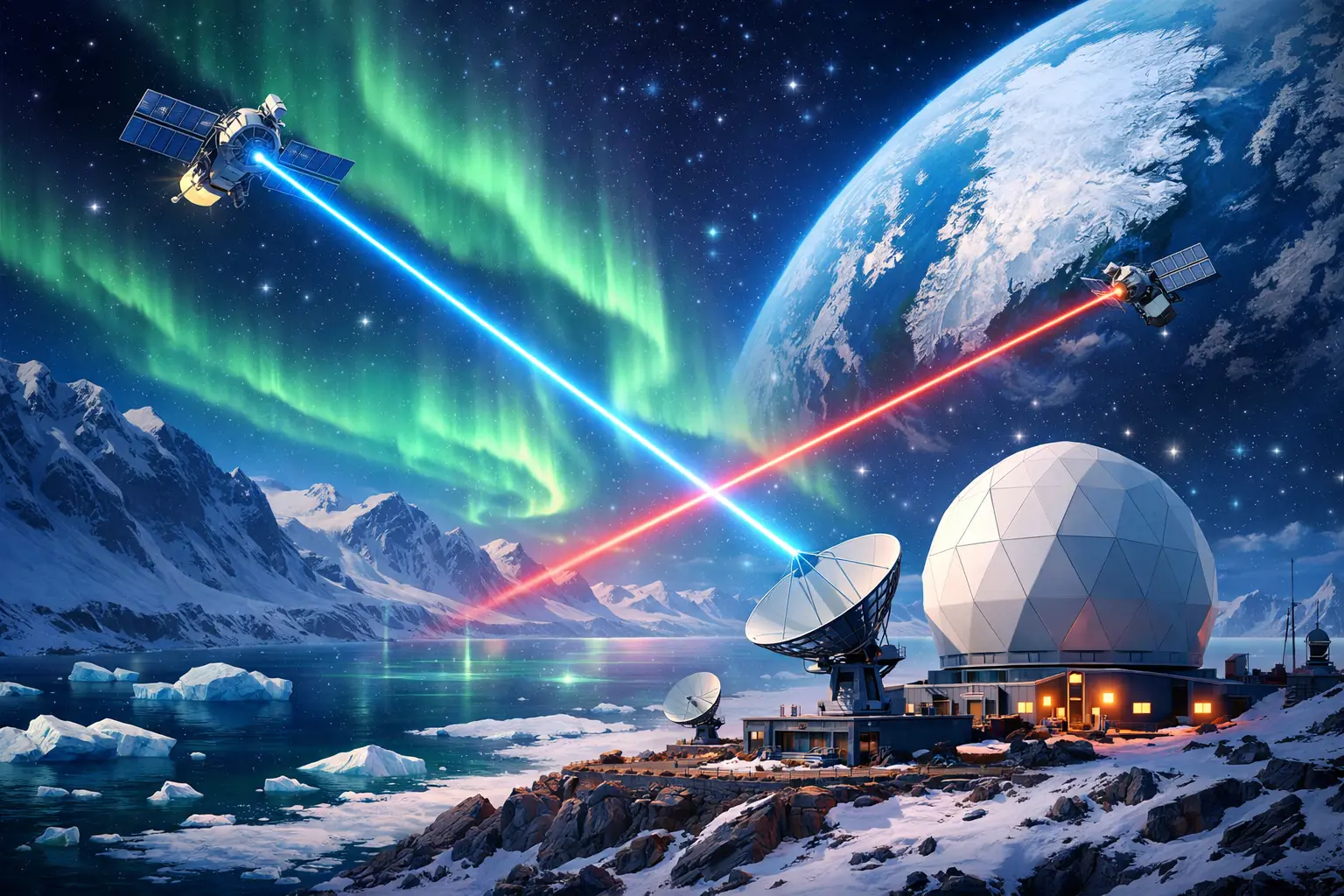
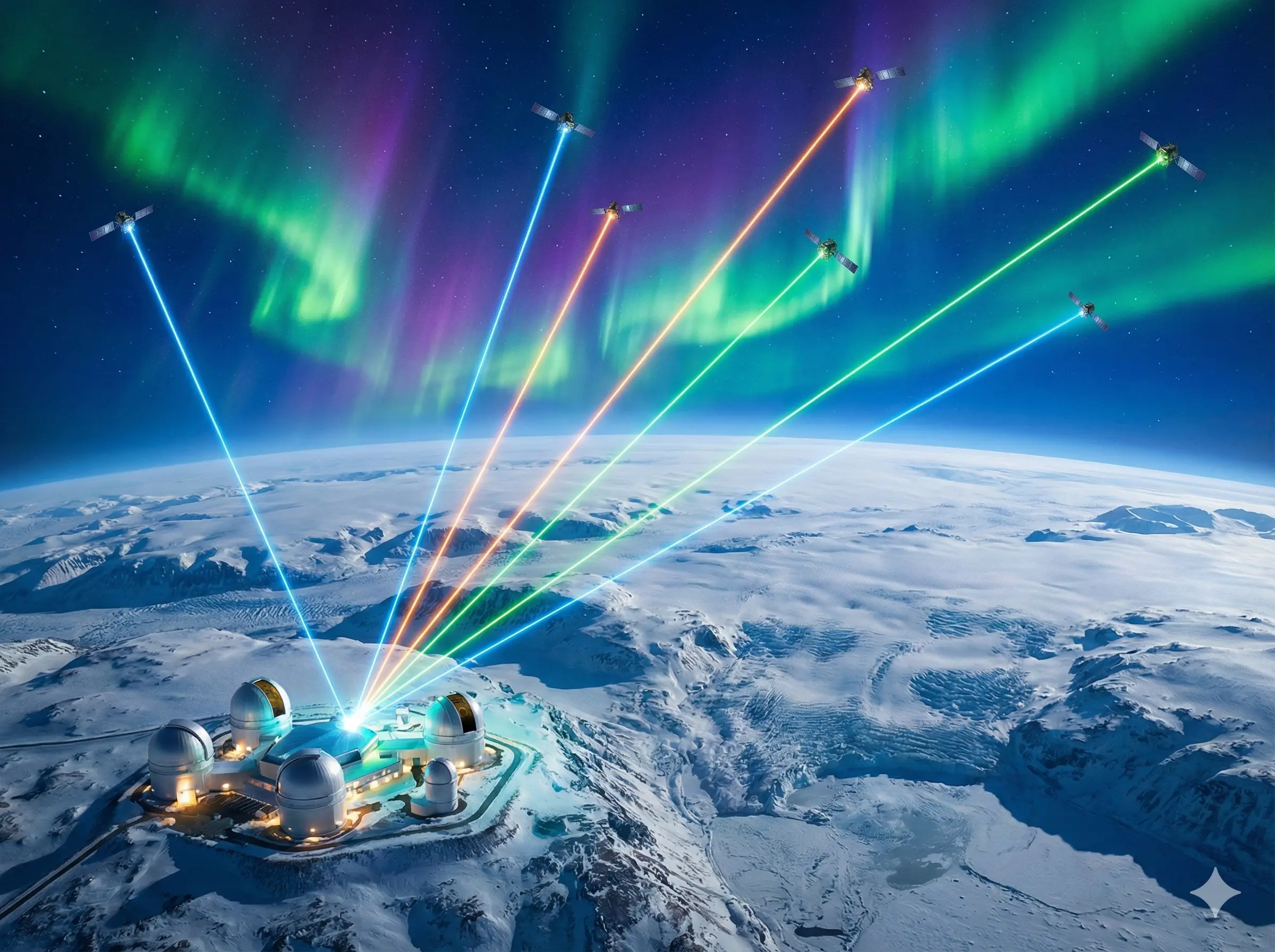
The European Space Agency has partnered with Astrolight to build a state-of-the-art optical ground station in Kangerlussuaq, Greenland. This facility represents a major shift from traditional radio frequency dishes to advanced laser technology. It is designed to download massive amounts of data from low Earth orbit satellites at unprecedented speeds.
The Polar Orbit Advantage
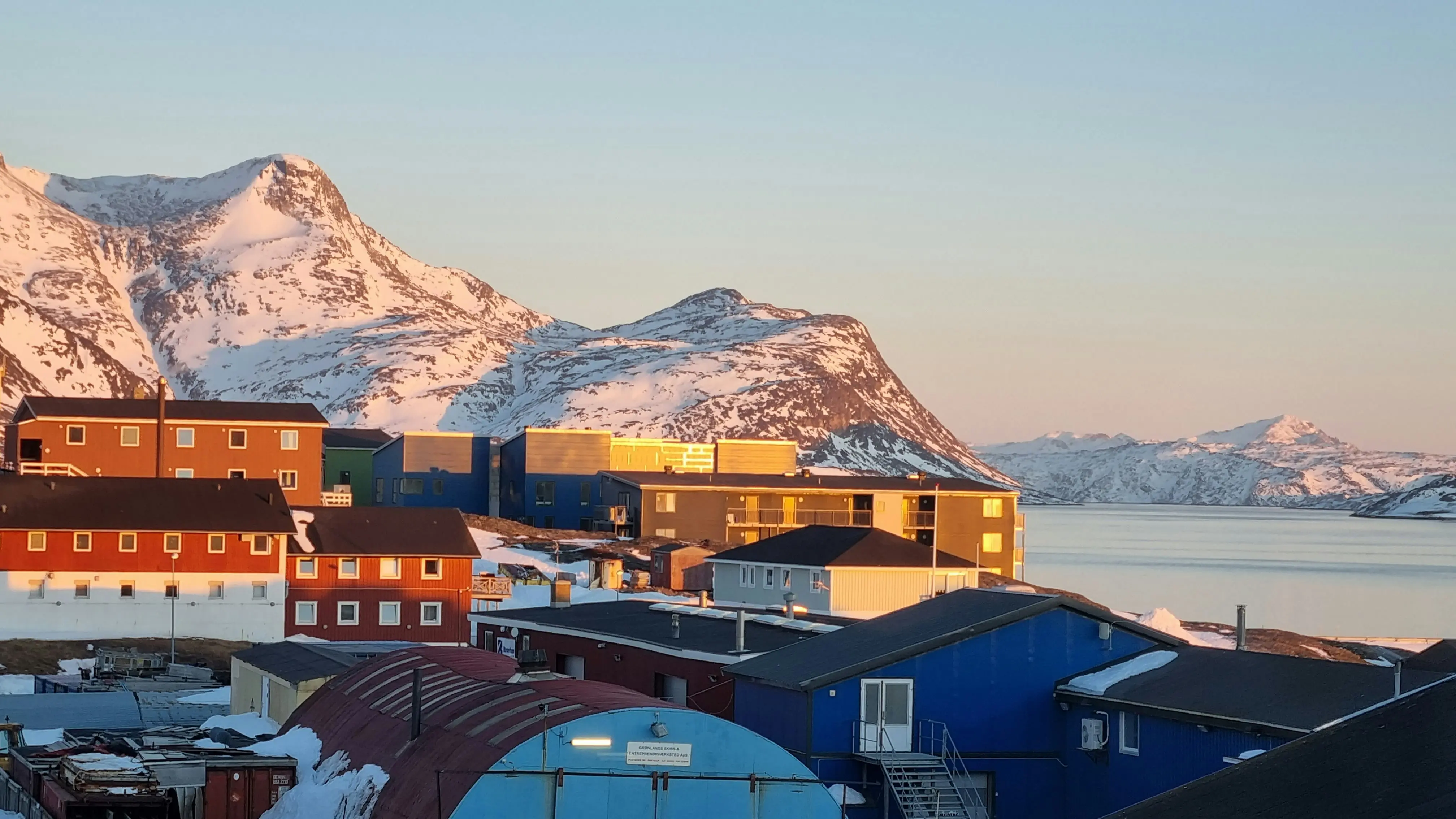
Greenland’s high latitude places it directly under the path of polar-orbiting satellites, which circle the Earth over the North and South Poles. A ground station here sees these satellites on almost every single orbit, unlike stations at lower latitudes. This frequent contact makes it an ideal central hub for downloading global data.
Clear Skies in an Arctic Desert
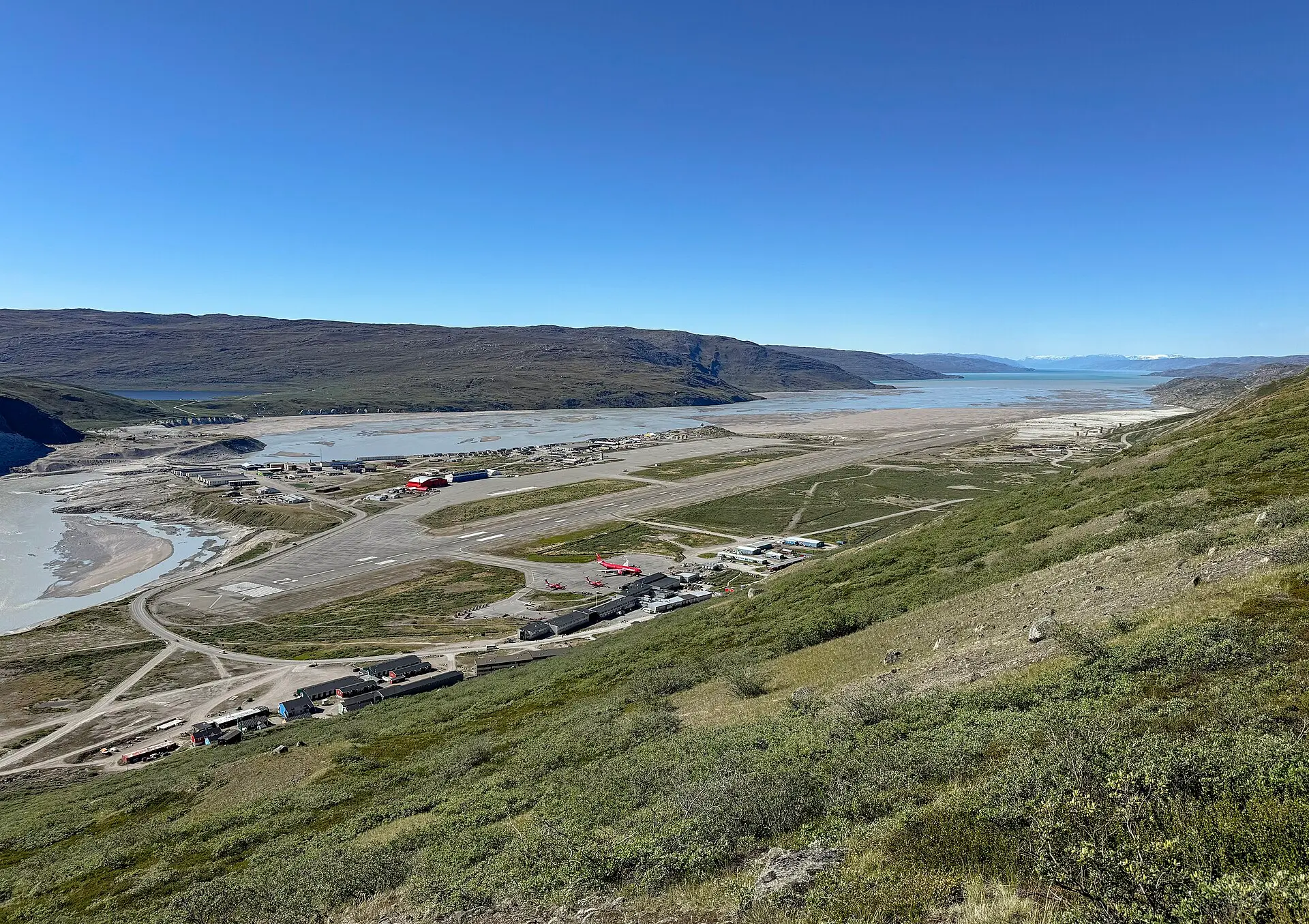
Laser communications require a direct line of sight, but clouds can easily block these light beams. Kangerlussuaq is situated in an "Arctic desert" climate, known for its exceptionally stable weather and lack of cloud cover. This ensures the lasers can connect with satellites reliably without atmospheric interference.

Speed Faster Than Radio
Traditional radio waves are becoming congested and slow as our demand for data grows. Laser communications can transmit data 10 to 100 times faster than current radio frequency systems. This technology allows terabytes of information to be downloaded in just minutes rather than hours.
Impossible to Jam
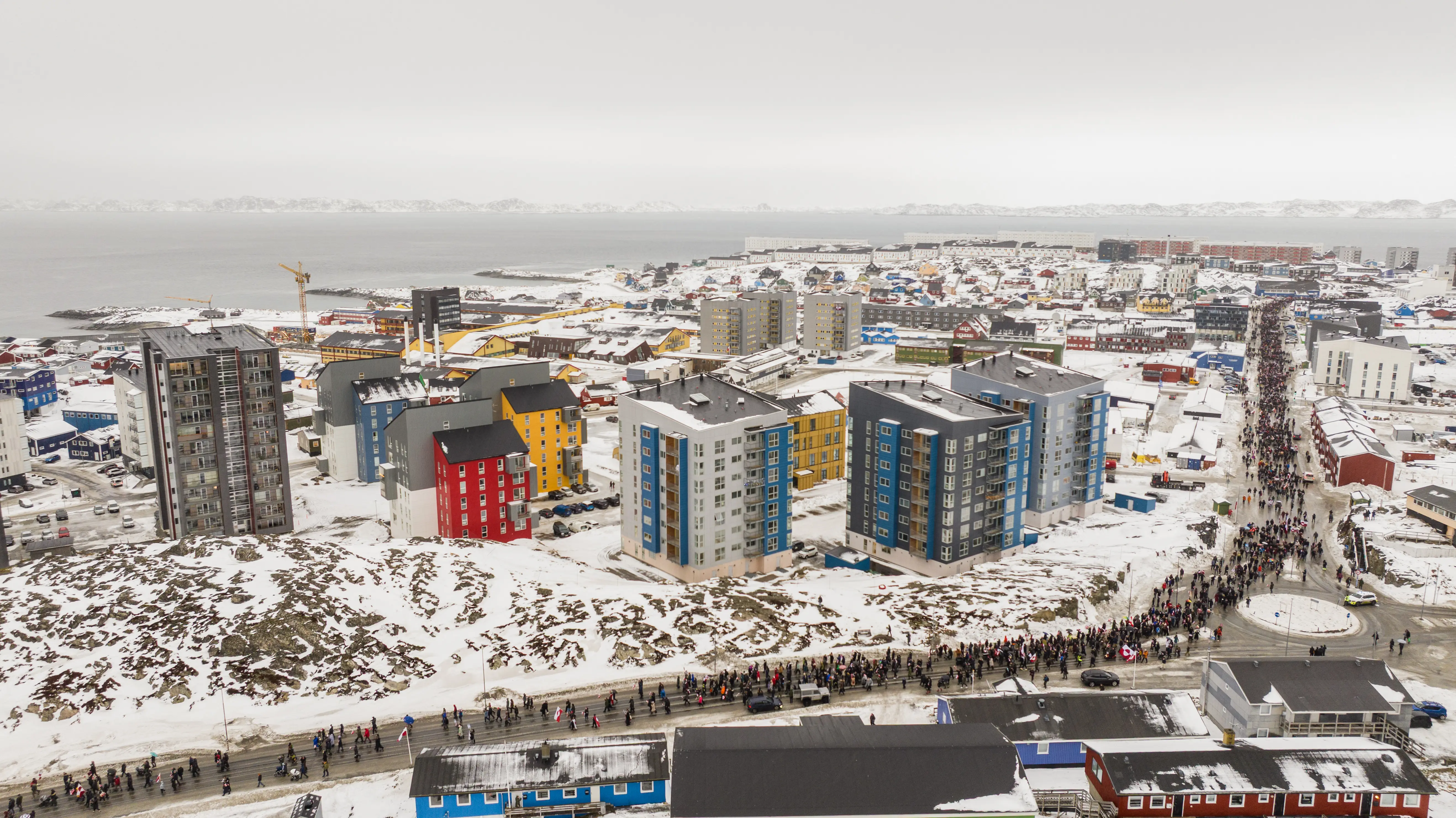
Radio signals spread out over a wide area, making them easier to intercept or jam by adversaries. Laser beams are incredibly narrow and precise, making them nearly impossible to tap into or disrupt. This offers a significant security upgrade for military and government communications.
Massive Cost Efficiency
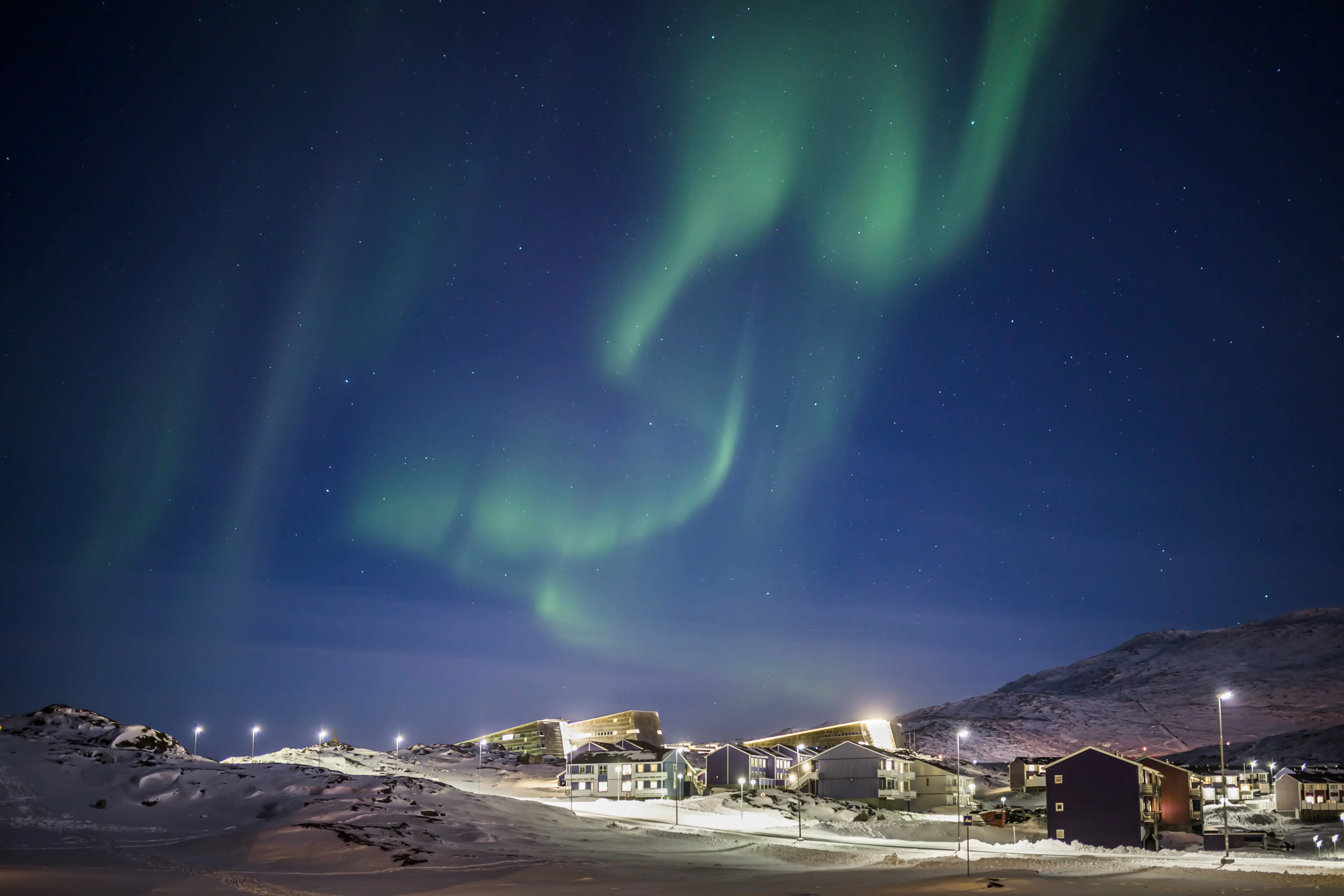
Beyond speed and security, the new optical technology promises to be far cheaper to operate in the long run. Estimates suggest the station could deliver 10 times the data throughput at a cost per gigabyte that is 70 per cent lower than radio stations. This efficiency is vital for the commercial space sector.
Boosting Search and Rescue
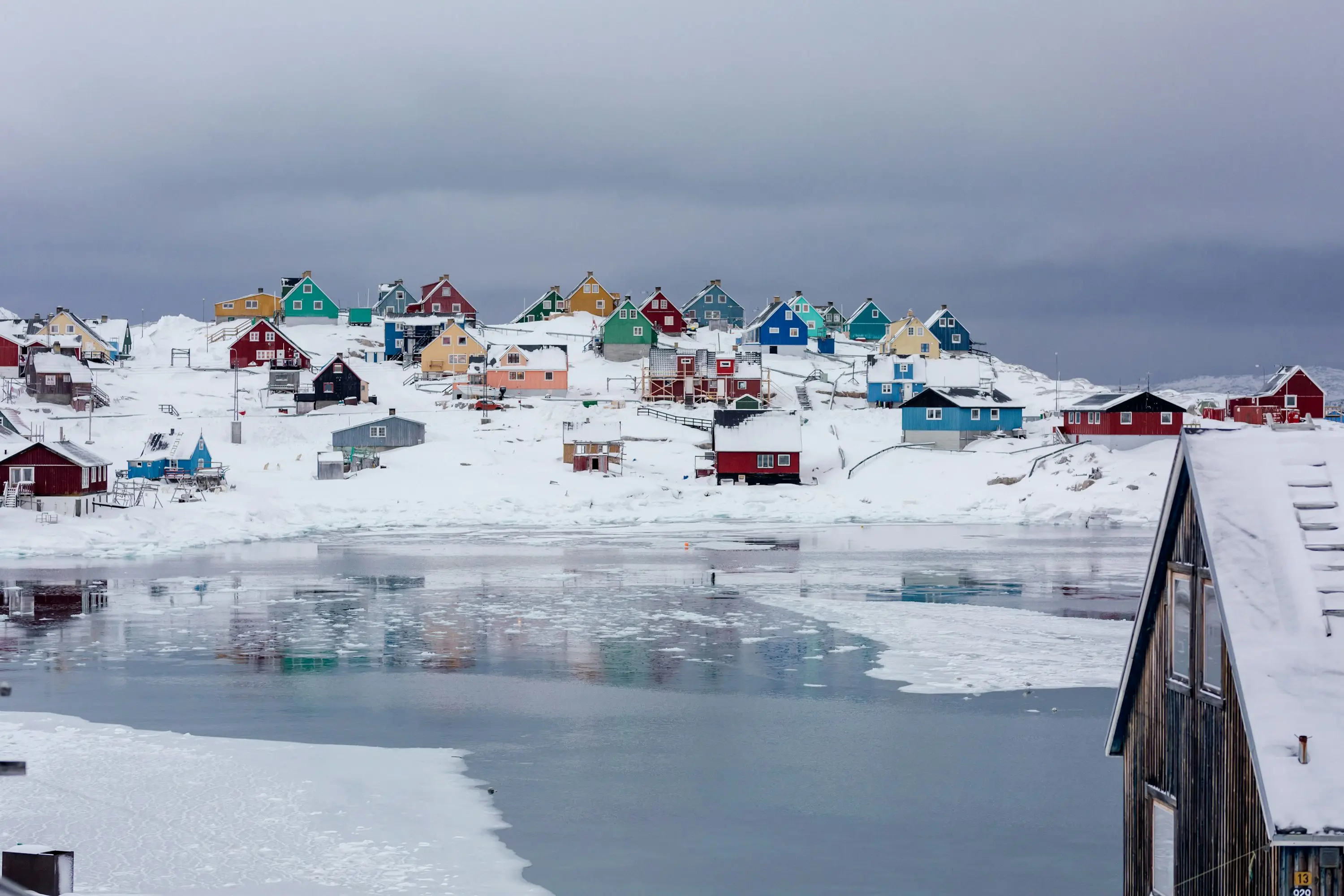
The speed of this connection has life-saving implications for the treacherous Arctic region. Satellite imagery used for search and rescue missions can be downloaded and analysed in near real-time. This allows authorities to respond faster to distress signals in remote icy waters.

Monitoring Climate Change
Satellites gather huge files of high-resolution environmental data, which often sit in orbit waiting for a download window. The Greenland station will allow scientists to access heavy data on glacier movements and ice melt almost instantly. This rapid access is critical for accurate climate modelling.
Strengthening European Autonomy
This project reduces Europe’s reliance on non-European infrastructure and undersea cables, which can be vulnerable to sabotage. By establishing a sovereign connection point in Greenland, Denmark and the EU secure a critical node in their own digital and defence infrastructure.
Operational by 2026
Construction is already underway, with the station expected to be fully operational by late 2026. Once active, it will serve as a key node in a future network of optical stations. This marks the beginning of a new era where space data travels on beams of light.
)
)
)
)
)