'Glass ceiling on the flight deck': USS Abraham Lincoln's role in pioneering female naval aviation

Discover the historic 1993 integration of female aviators on the USS Abraham Lincoln. Explore the legacy of LT Kara Hultgreen and how this supercarrier forever changed the face of naval combat.
The 1993 Paradigm Shift
For decades, the Combat Exclusion Policy strictly barred women from serving in combat roles, limiting female aviators to training and transport squadrons. That century-old military tradition shattered in April 1993 when the Department of Defense officially lifted the ban, opening the doors for women to fly the world's most lethal strike aircraft.
The Pacific Fleet Pioneer
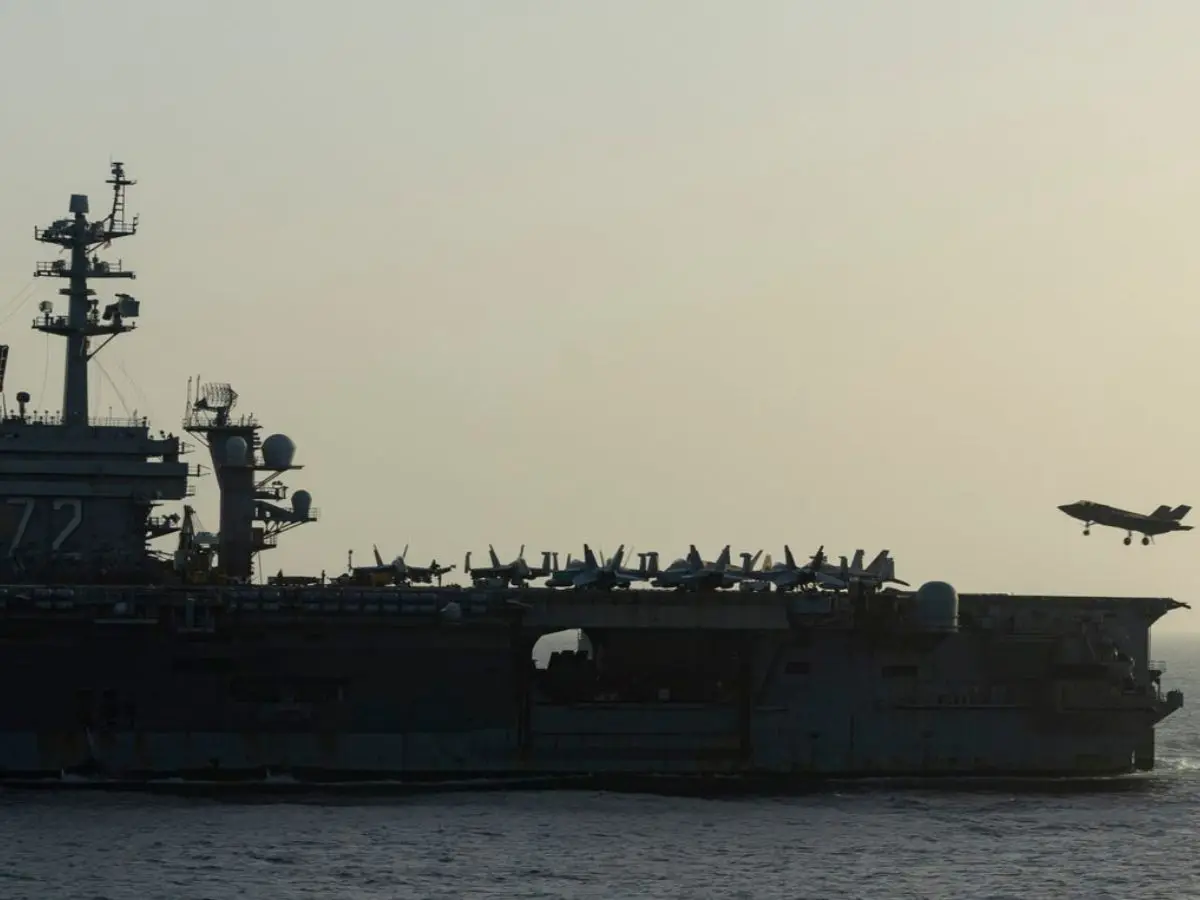
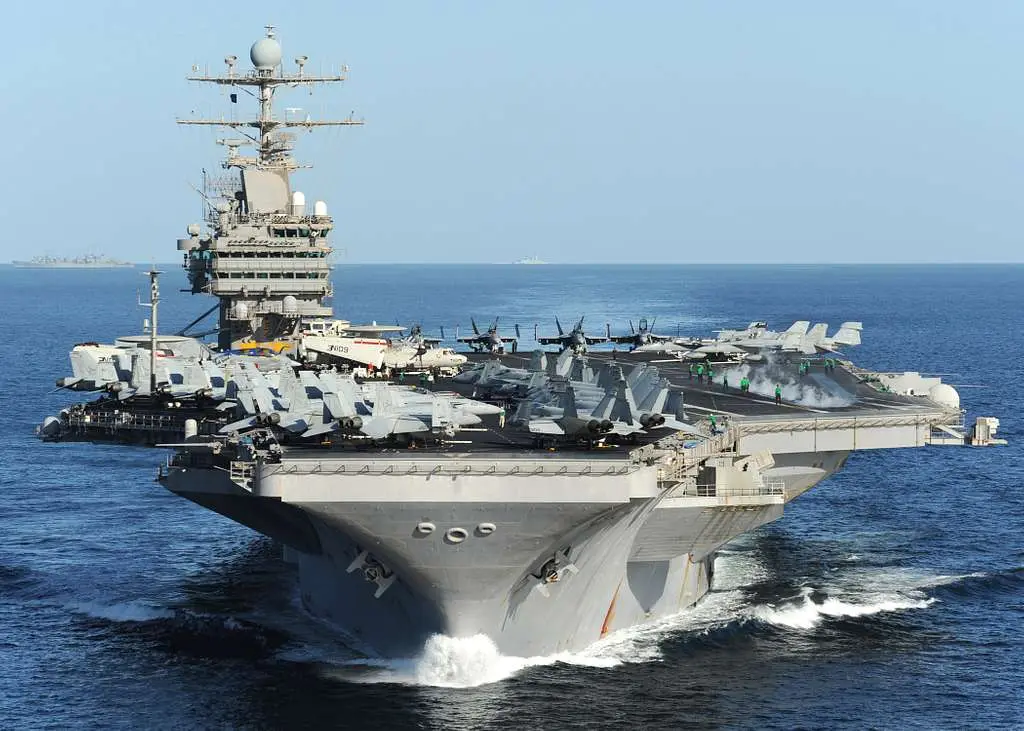
When the law changed, the Navy needed a flagship for integration. The USS Abraham Lincoln (CVN-72) answered the call, making history in 1993 by becoming the very first aircraft carrier in the United States Pacific Fleet to fully integrate female aviators into its combat air wings.
Enter LT Kara 'Revlon' Hultgreen
At the center of this cultural shift was Lieutenant Kara Hultgreen. Fiercely competitive and highly skilled, she earned the callsign ‘Revlon’ and became one of the first two female combat pilots to qualify to fly the Navy's premier fleet defense fighter—the notoriously difficult F-14 Tomcat.
Taming the F-14 Tomcat
The integration was not a matter of lowered standards. The F-14 Tomcat was a heavy, incredibly complex, analog muscle-jet that required immense physical strength and split-second tactical processing to land on a pitching flight deck. Hultgreen and her female peers faced intense media scrutiny, proving they could handle the brutal aerodynamics of the Tomcat just as well as the men.
Retrofitting a 100,000-Ton Boys' Club
Integrating women wasn't just about the pilots; it required a massive logistical and cultural overhaul of the ship itself. The Lincoln had to physically retrofit berthing compartments and restrooms to accommodate hundreds of enlisted female sailors, fundamentally changing the daily rhythm and culture of a floating city of 5,000 personnel.
The Heartbreaking 1994 Tragedy
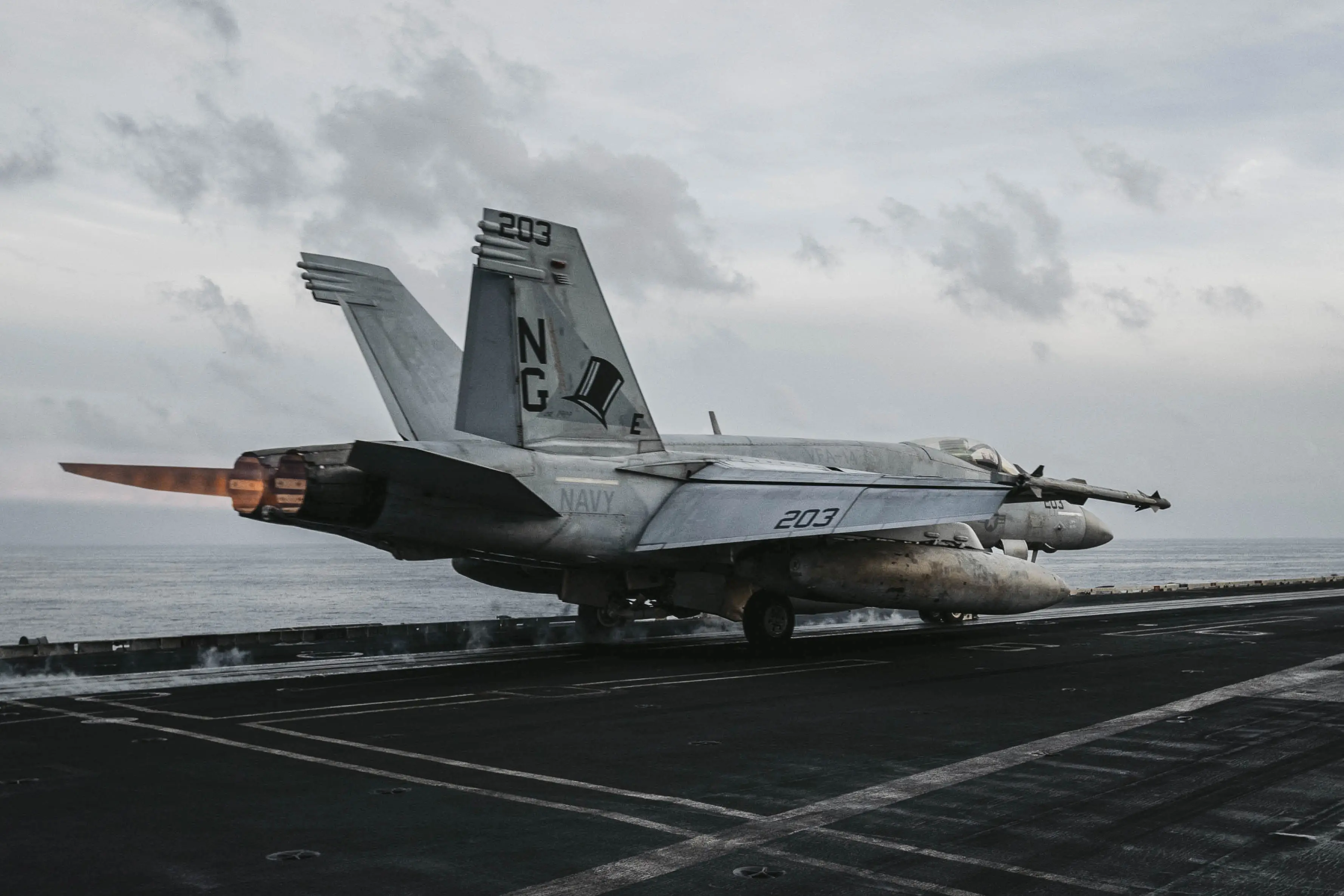
On October 25, 1994, the integration faced a devastating setback. While on final approach to the USS Abraham Lincoln off the coast of San Diego, LT Hultgreen's F-14 suffered a catastrophic left-engine compressor stall. Despite initiating ejection, the aircraft rolled inverted, and Hultgreen was killed instantly when she was ejected directly into the ocean.
An Enduring Flight Deck Legacy
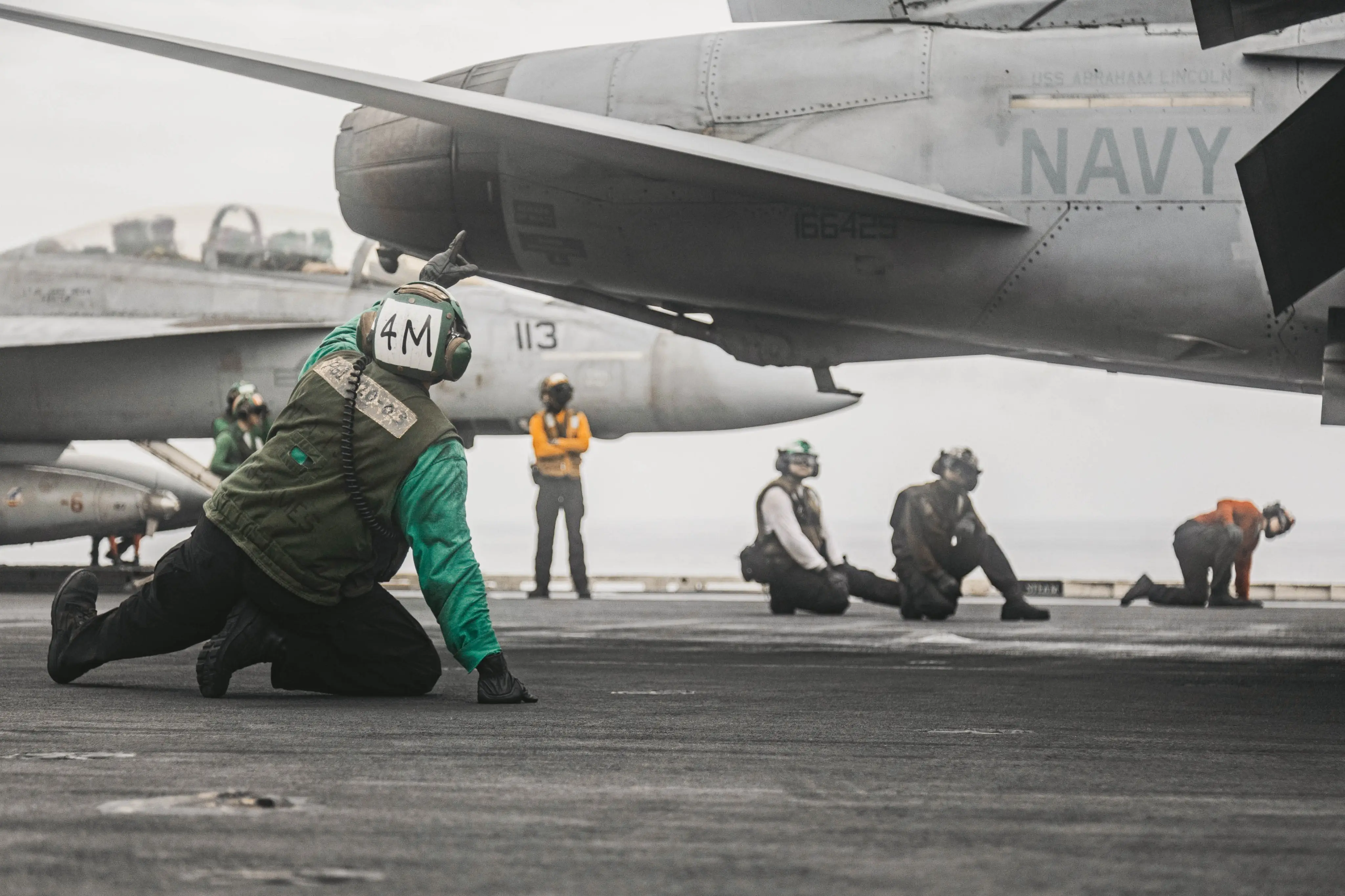
Though her life was tragically cut short, LT Hultgreen's barrier-breaking service aboard the Lincoln permanently altered naval history. Her courage under an intense global microscope paved the way for generations of women. Today, female pilots on the Lincoln and across the fleet not only fly frontline fighters like the F-35C, but command entire carrier strike groups.
)
)
)
)
)