'Glass bubble': The most terrifying desk job on USS Abraham Lincoln

Discover the ‘Integrated Catapult Control Station’ (ICCS) a tiny, retractable glass pod beneath the flight deck of the USS Abraham Lincoln, where catapult officers experience the loudest, most violent ‘desk job’ on earth.
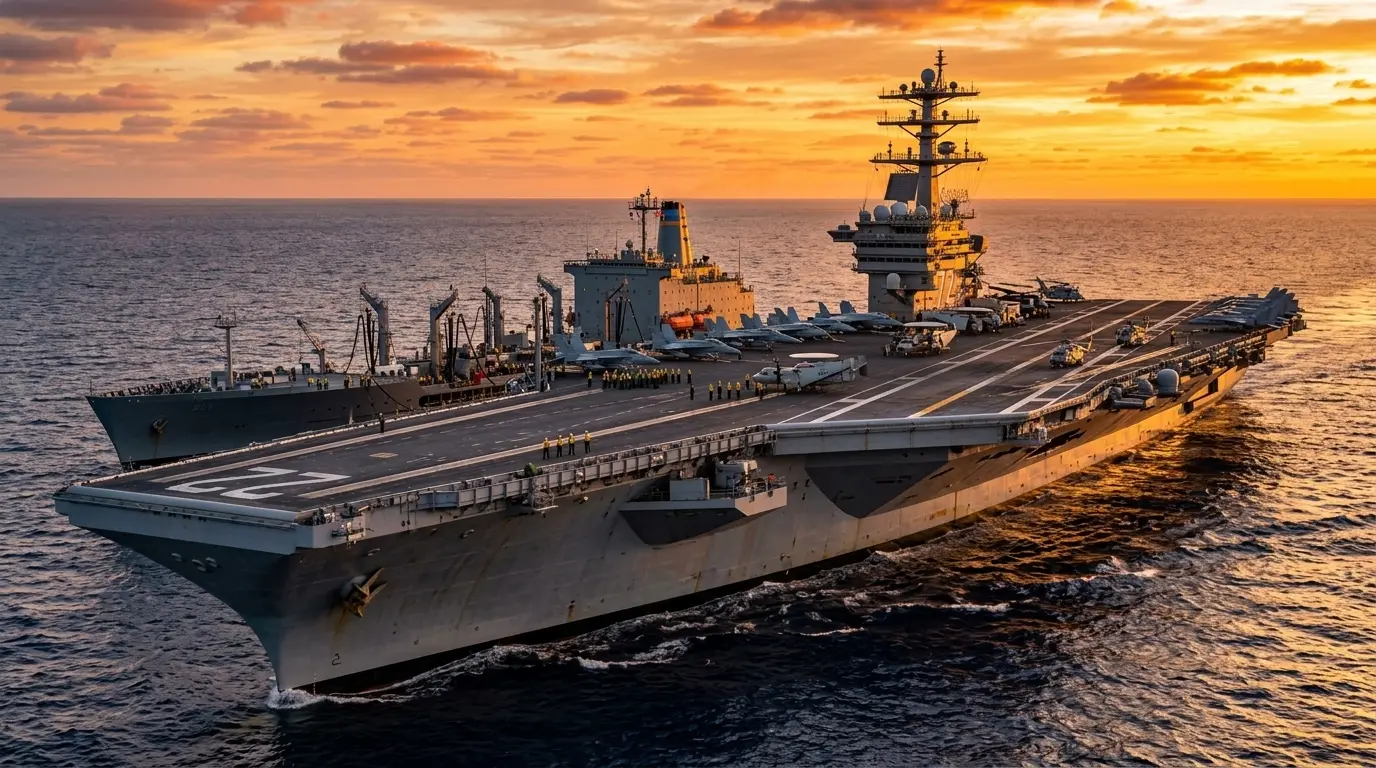
The Hidden Workspace
While all eyes on a flight deck track the fighter jets, the real action takes place beneath the surface. Embedded directly into the runway of the USS Abraham Lincoln is the Integrated Catapult Control Station, or ICCS. Affectionately known as ‘The Bubble’, this retractable workstation provides catapult officers with a flush-to-the-deck view of the massive aircraft they are about to launch.
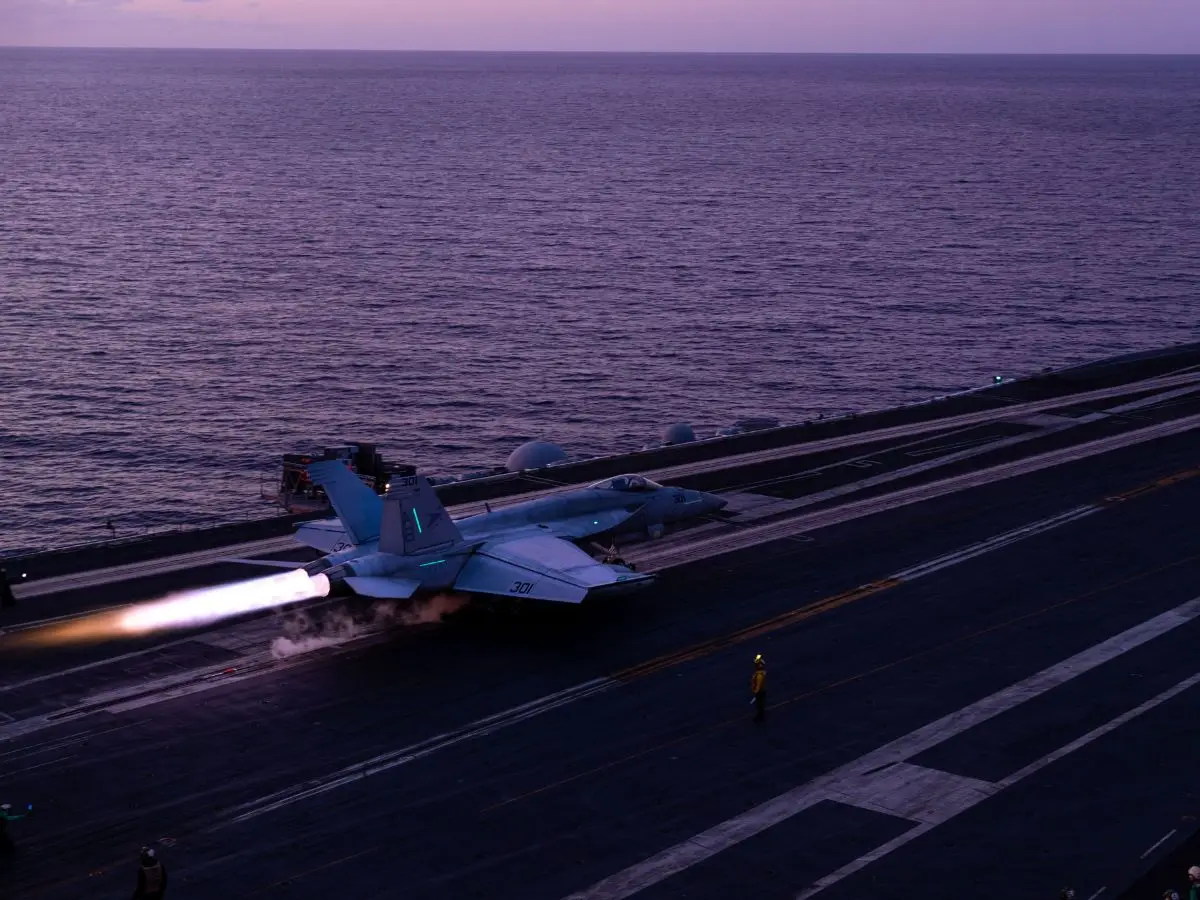
A Retractable Vault
The ICCS isn't a permanent fixture sticking out of the deck. When not in use, the pod is retracted below the surface so aircraft can safely pass over the catapult tracks. During flight operations, the tiny, heavily armored glass cabin is raised back up mechanically, positioning the operators' heads just inches above the chaos of the flight deck.
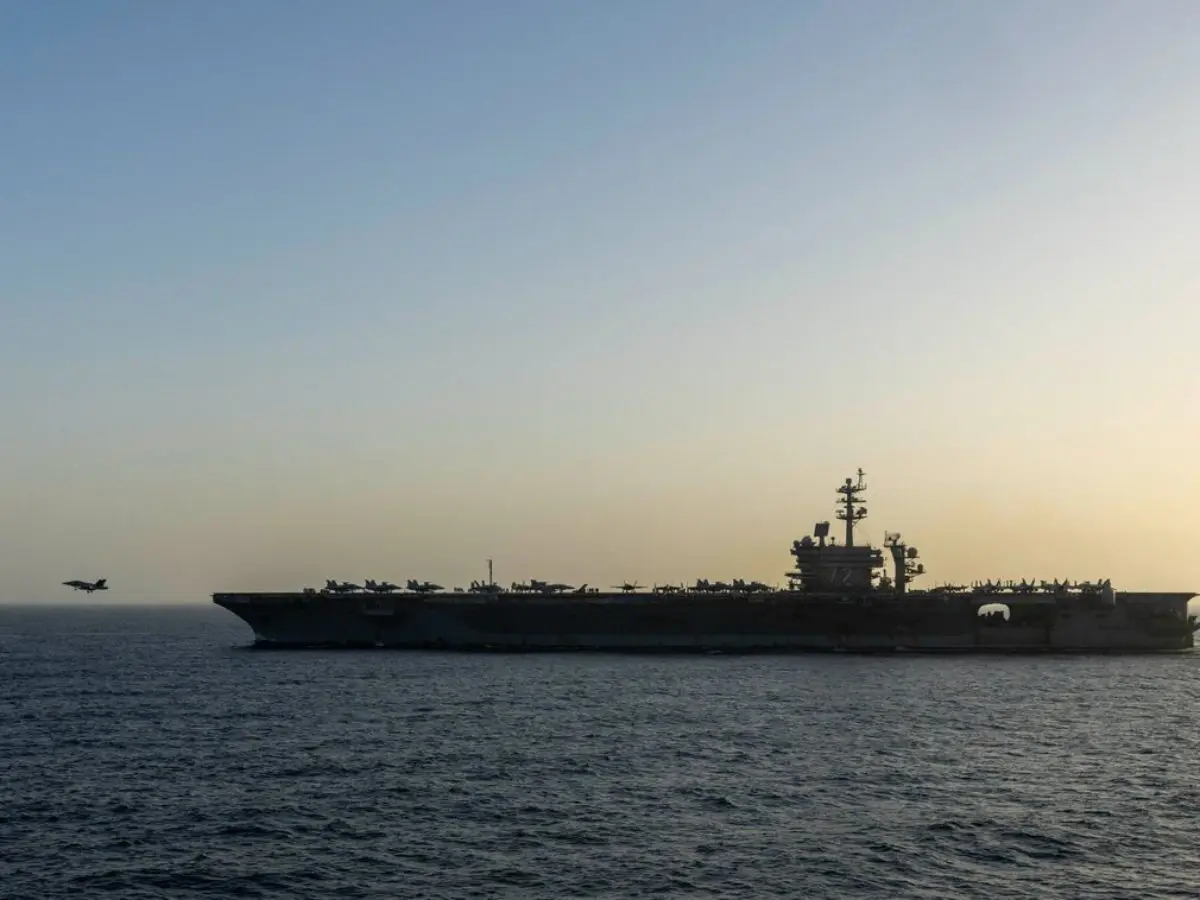
Face-to-Face With Afterburners
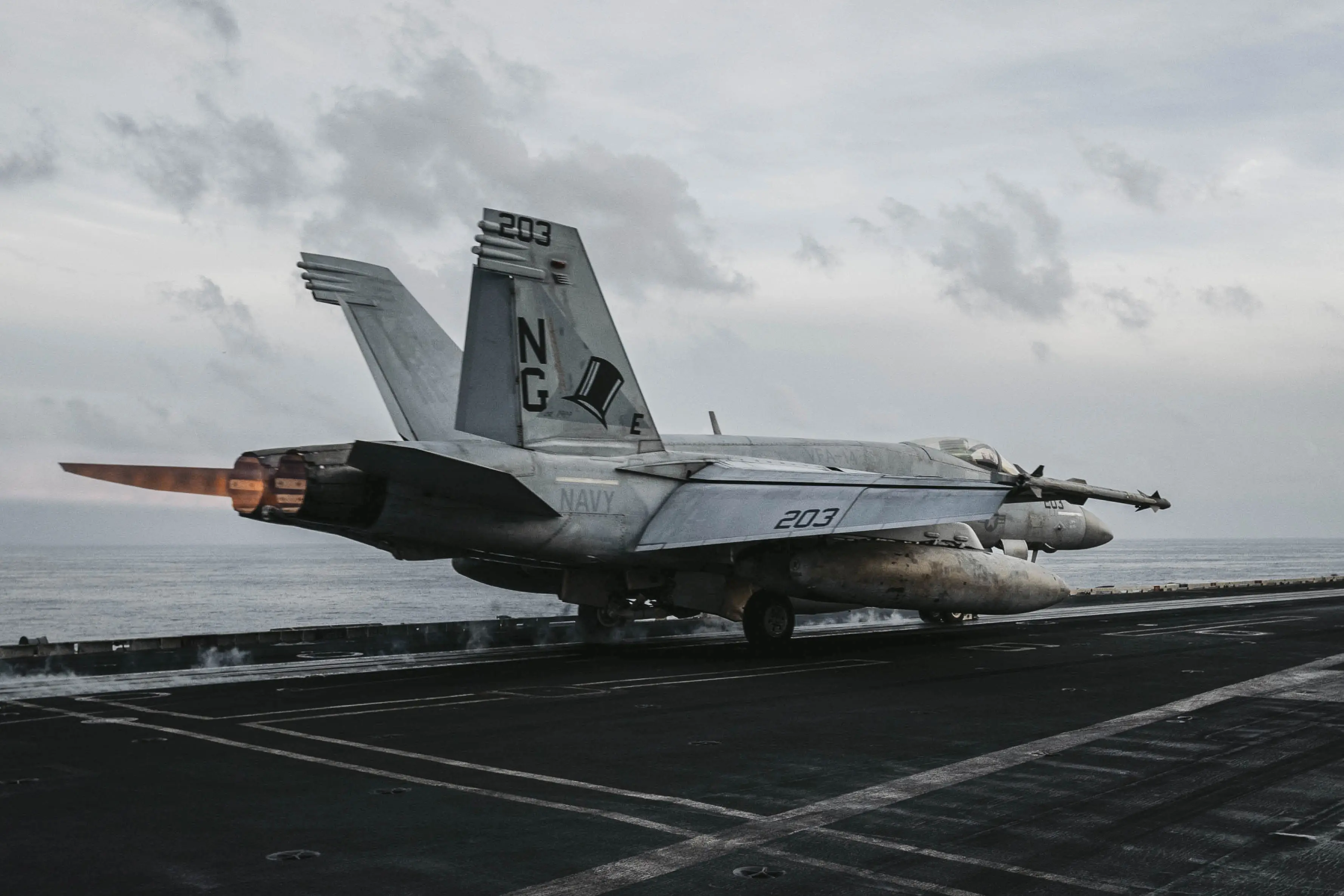
Sitting in the Bubble means operating just feet away from aircraft launching at full military power. The officers inside are essentially placing their faces right next to the roaring exhausts of F/A-18 Super Hornets and F-35C Lightning IIs. When a 30-ton jet spools up to maximum thrust, the heat signatures and acoustic energy directed toward the pod are staggering.
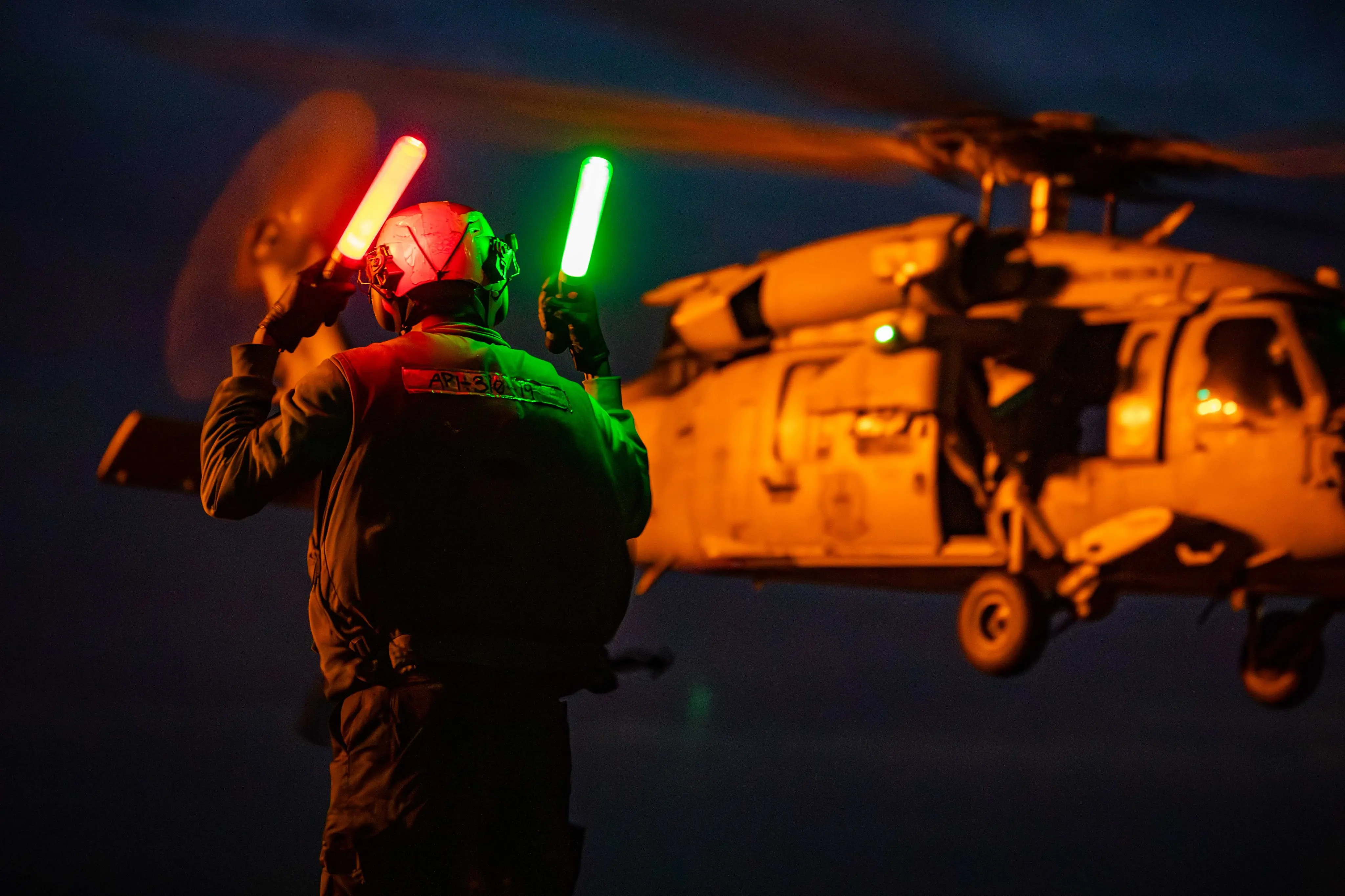
The Loudest Desk Job on Earth
A carrier flight deck is one of the most deafening environments on the planet, regularly hitting 150 decibels. Even insulated within the heavy glass and steel of the ICCS, catapult officers experience intense vibrations. It is a ‘desk job’ where your coffee shakes violently, your teeth rattle with every launch, and the air around you trembles from immense sound pressure.
Taking the 'Shooter' Off the Deck
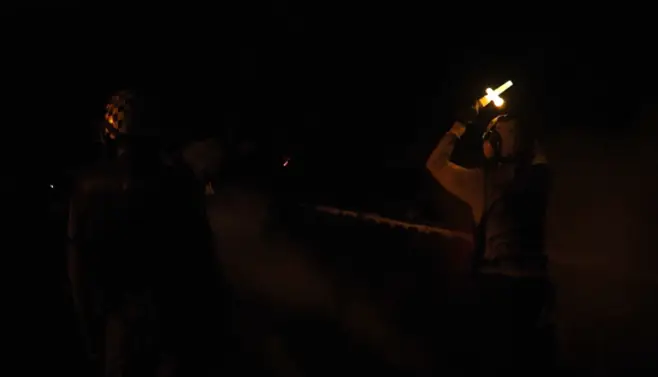
Historically, catapult operations were conducted by a ‘Shooter’—a flight deck officer standing fully exposed on the tarmac giving hand signals. With the introduction of the ICCS, operators gained a massive safety advantage. The Bubble removes the Shooter from the unpredictable physical path of snapping wires, flying debris, and moving aircraft, drastically reducing the risk of fatal accidents.
A High-Stakes Master Control Board
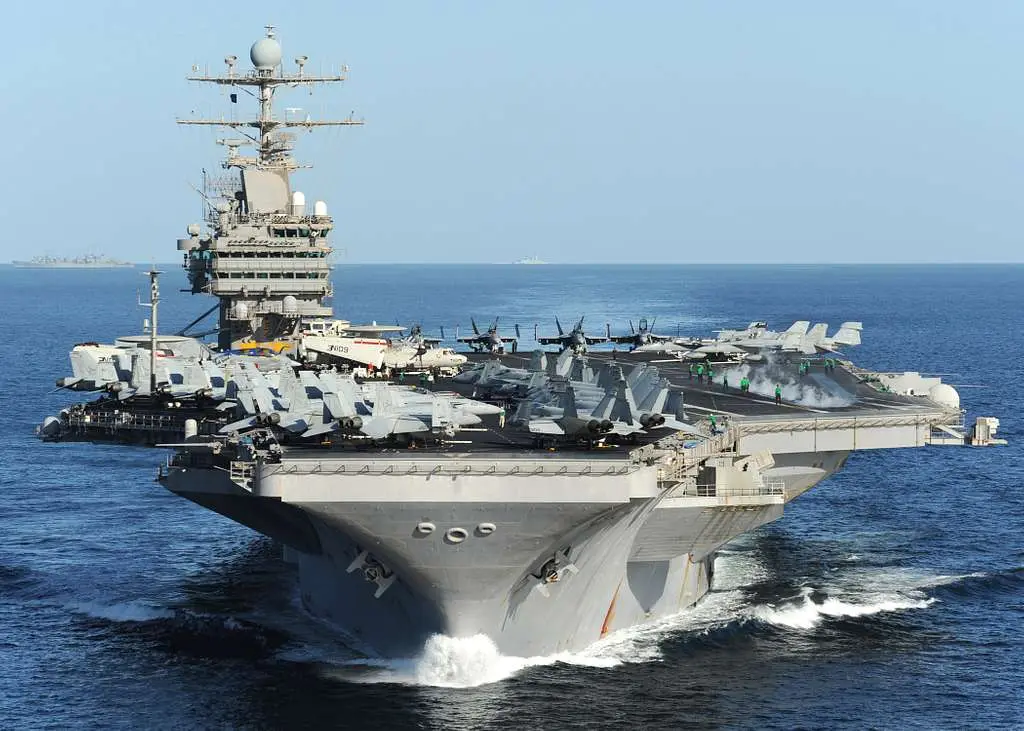
Despite its cramped size, the ICCS is loaded with digital and physical interfaces connected to the ship's massive steam catapults. The operator carefully inputs the precise weight of the loaded aircraft and calculates the exact amount of steam pressure needed to slingshot the jet off the bow. A slight miscalculation in the Bubble could either plunge the jet into the sea or rip its front landing gear apart.
The Ultimate Hot Seat
The physical and psychological toll of working inside the Bubble is significant. Catapult officers endure an overwhelming combination of extreme noise, vibration, and the high-stakes responsibility of launching aircraft safely. For the crew of the USS Abraham Lincoln, controlling the mechanical heart of naval aviation from this tiny glass pod is the ultimate display of nerve and precision.
)
)
)
)
)