The game-changing technology behind the ASRAAM air-to-air missile

The Mach 3 ASRAAM dominates aerial combat using an imaging infrared seeker that ignores flares. With Lock-On After Launch technology, it grants pilots a lethal first-strike capability against highly manoeuvrable targets.
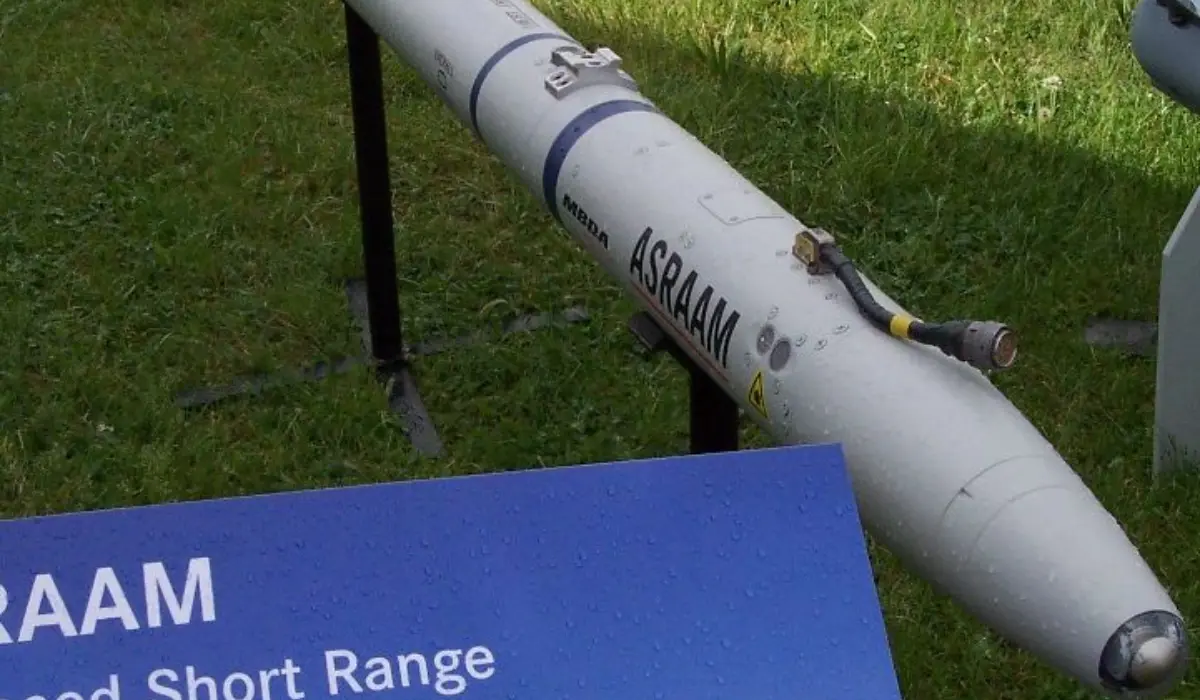
Hypersonic Intercepts
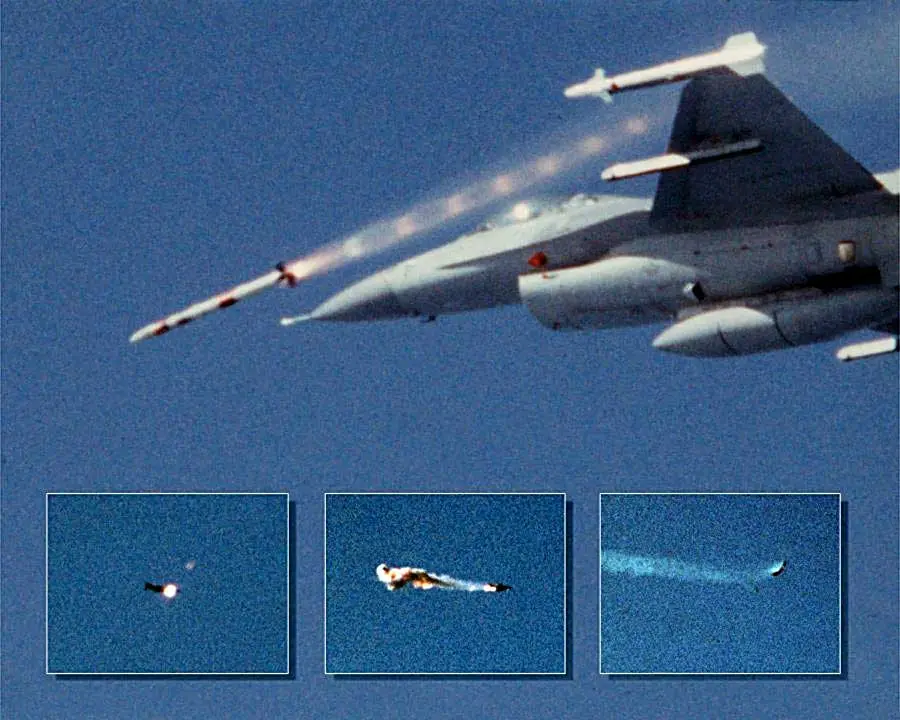
Powered by a high-thrust, low-signature rocket motor, the ASRAAM accelerates to speeds exceeding Mach 3 almost instantly. This rapid energy transfer gives enemy aircraft practically zero time to execute evasive manoeuvres.
The Focal Plane Array
Instead of chasing a simple heat source, the weapon uses a 128x128 pixel imaging infrared seeker to see the physical shape of the target. This advanced "eye" allows it to target specific vulnerable areas, like the cockpit or the engine exhaust.
Ignoring the Decoys
Because it captures a high-resolution thermal image rather than just a heat blob, the ASRAAM easily distinguishes between a fighter jet and defensive flares. This guarantees near 100 per cent accuracy, as countermeasures that confuse older missiles simply register as background noise.
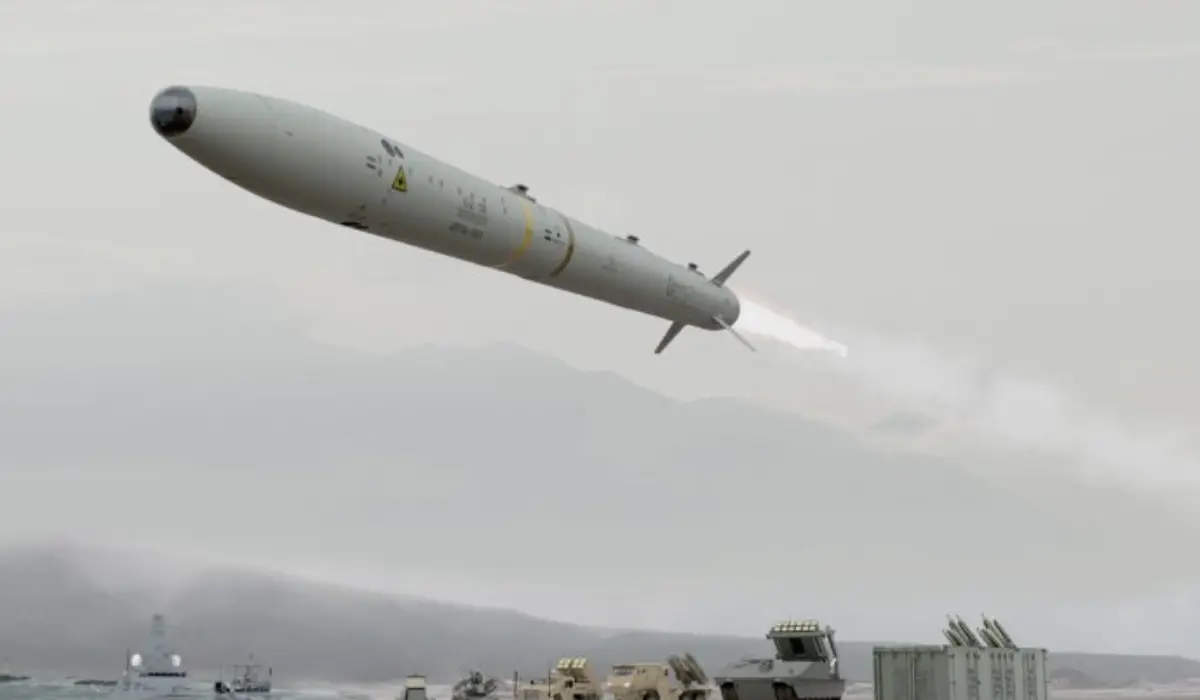
Striking Blind Targets
The technology features a Lock-On After Launch (LOAL) capability, allowing the pilot to fire the weapon before the seeker even sees the target. Target coordinates are fed to the missile mid-flight via the aircraft's sensors, enabling strikes against enemies hiding in blind spots.
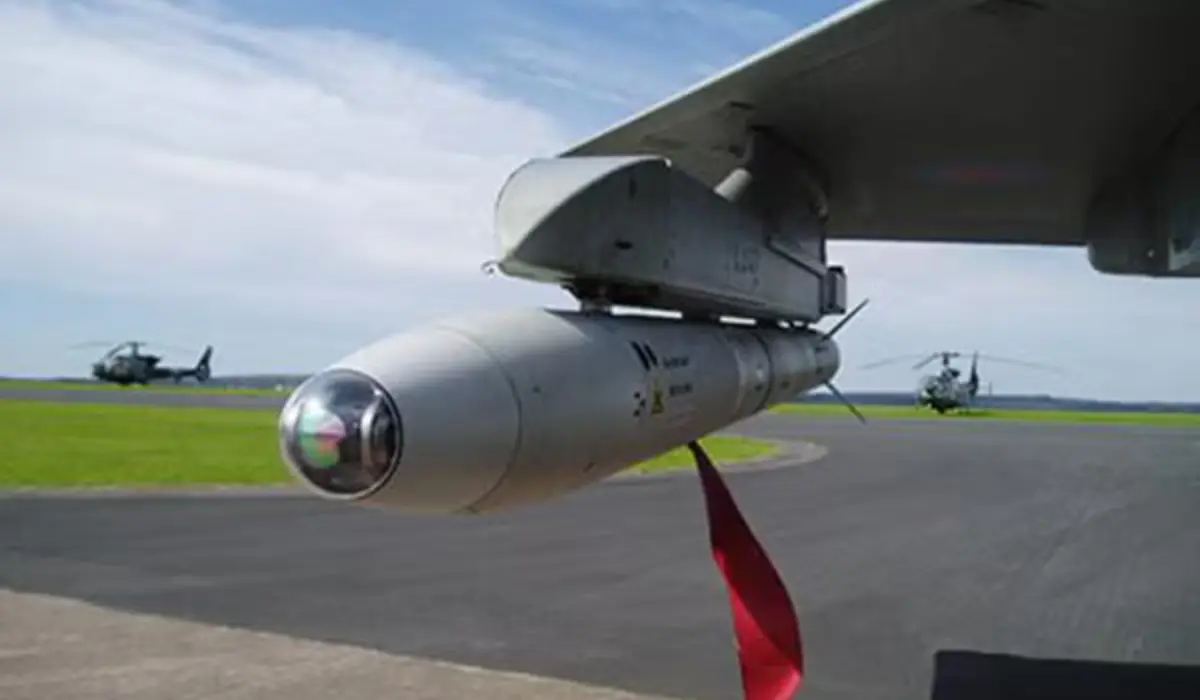
Over-the-Shoulder Kills
Fighter pilots can cue the ASRAAM using their helmet-mounted displays simply by looking at the target. This High Off-Boresight (HOBS) technology means a pilot can shoot down a jet flying parallel or even behind them without having to turn the aircraft.
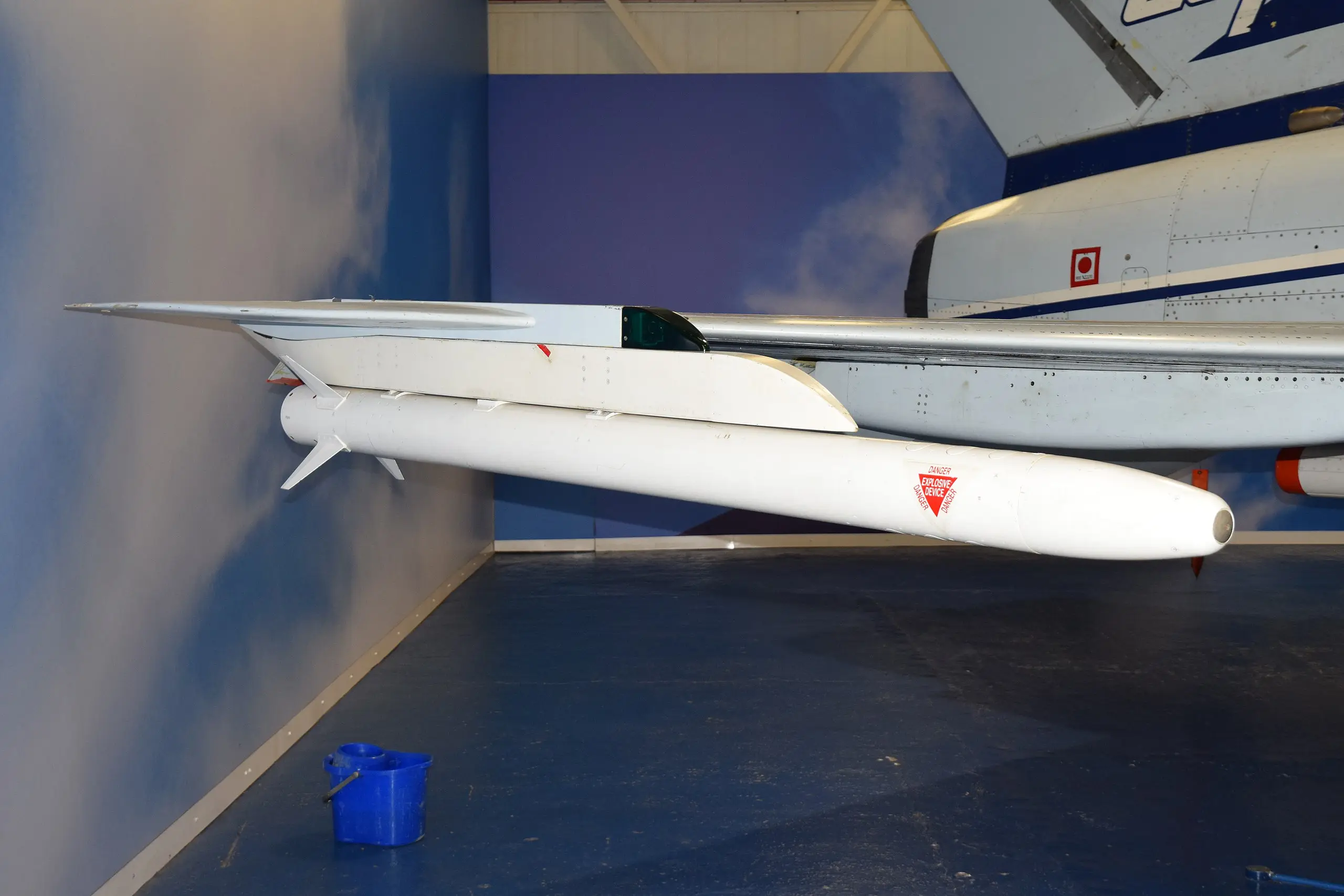
A 50-Kilometre Reach
While classified as a short-range weapon, the ASRAAM features a sleek, low-drag aerodynamic design that extends its operational range up to 50 kilometres. This blur between short and medium-range capabilities allows pilots to strike long before entering a traditional dogfight.
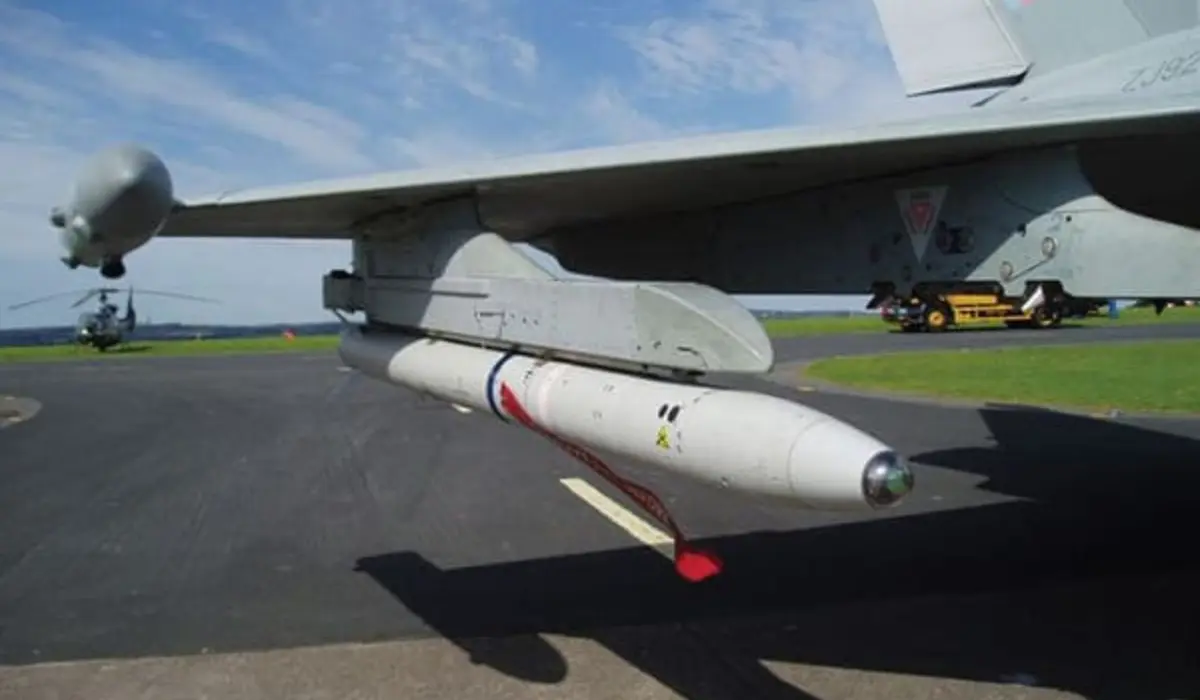
Maximum Lethality
Upon reaching the target, a highly precise laser proximity fuze triggers a 10-kilogramme blast-fragmentation warhead. The sheer kinetic energy of the Mach 3 impact, combined with the explosive payload, ensures total destruction of the hostile airframe.
)
)
)
)
)