The future of the B-52: How long will America's oldest bomber stay in service?

The US Air Force is upgrading its B-52 bomber fleet to keep it flying into the 2050s, reaching nearly 100 years of service. The US$15 billion programme cleared its Critical Design Review in May 2026, paving the way for new Rolls-Royce engines and advanced digital radars.
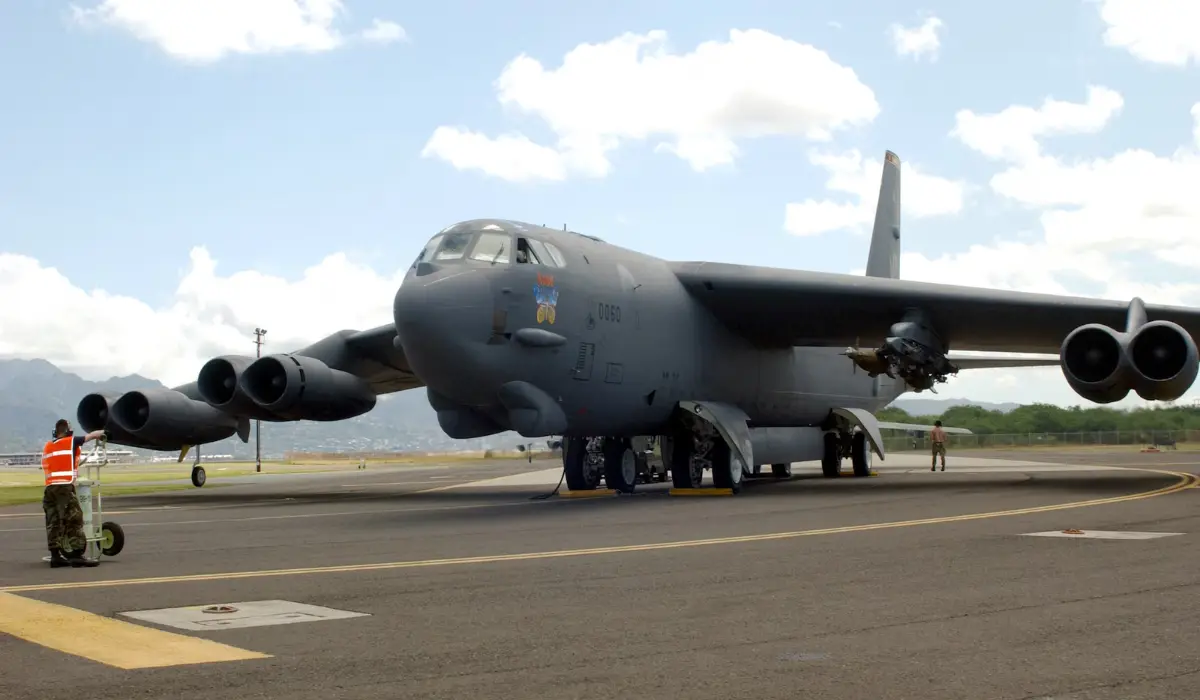
Cold War-era B-52
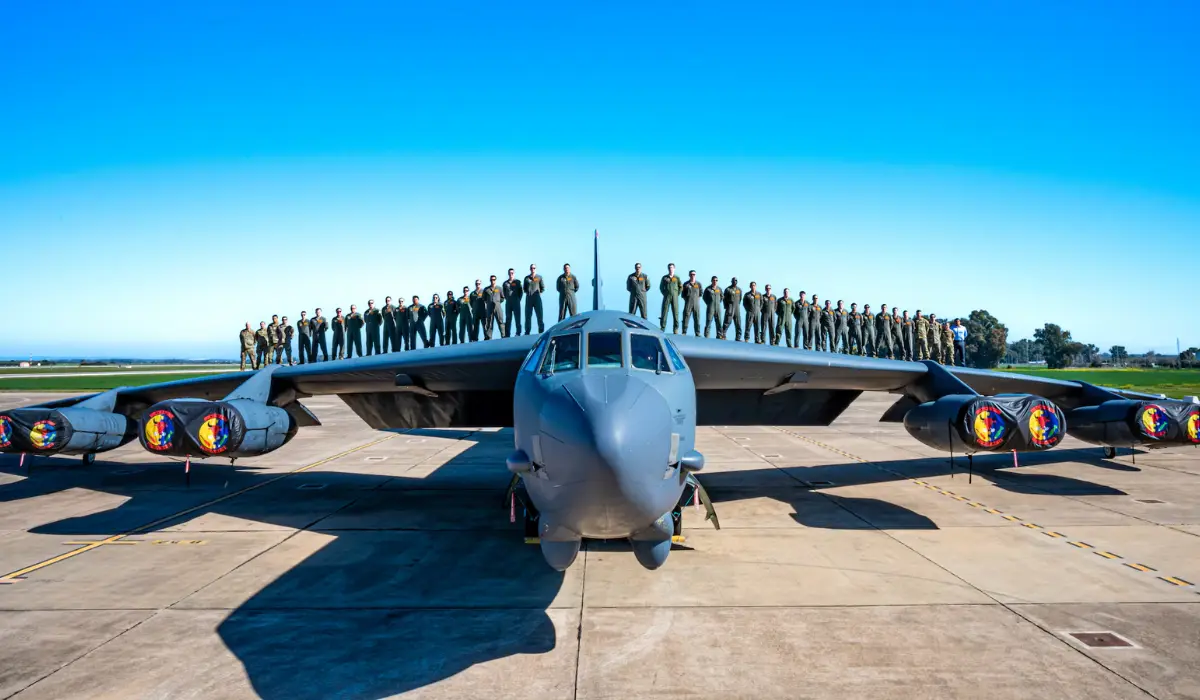
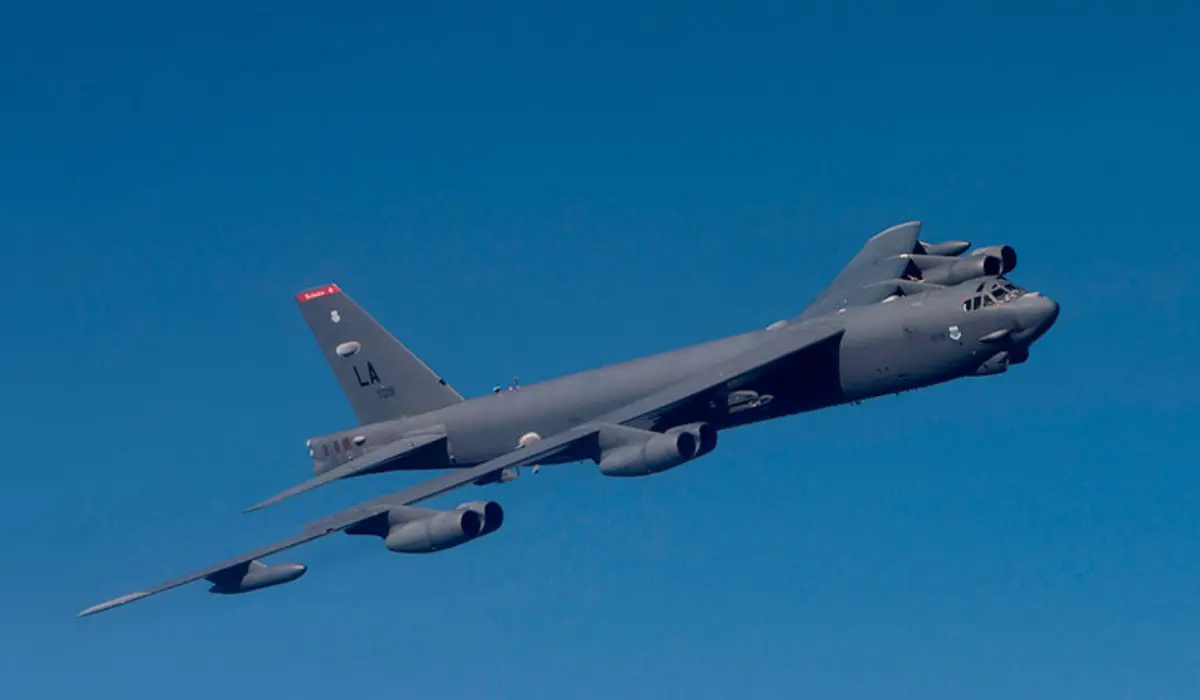
The US Air Force plans to keep its Cold War-era B-52 Stratofortress fleet flying well into the 2050s. By the time it finally retires, the iconic heavy bomber will have achieved nearly 100 years of active service.
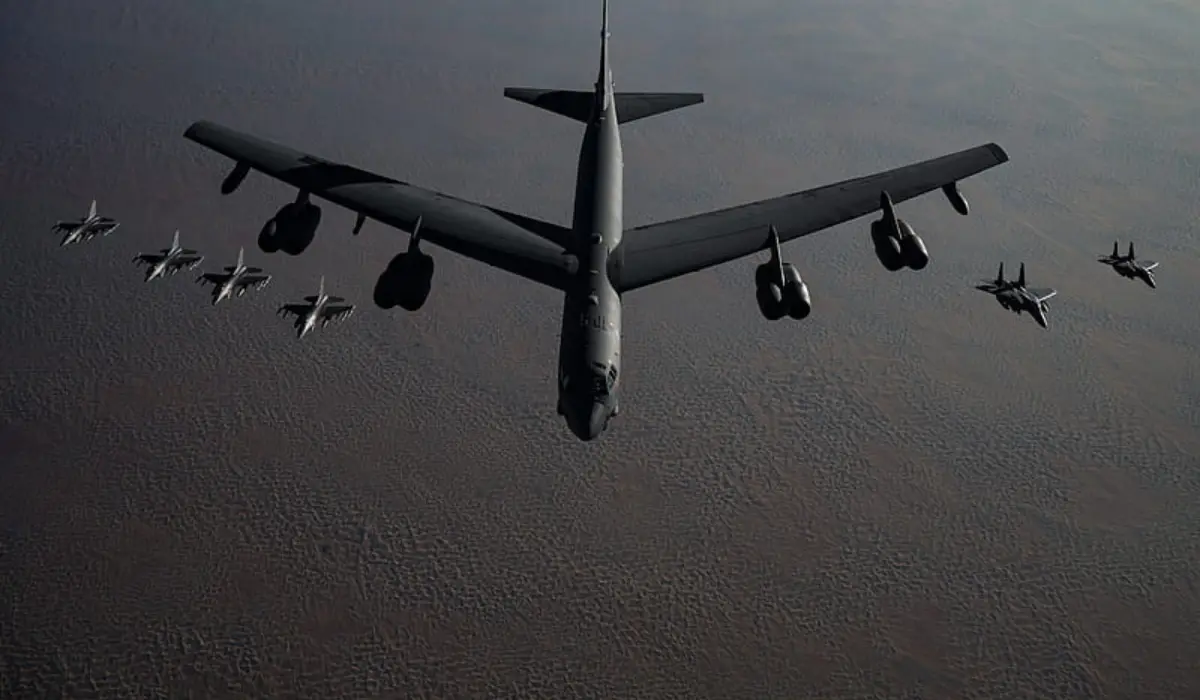
Clearing a Major Hurdle
In May 2026, the ambitious Commercial Engine Replacement Program officially cleared its Critical Design Review. This major engineering milestone allows Boeing to finally begin modifying the first two bomber airframes later this year.
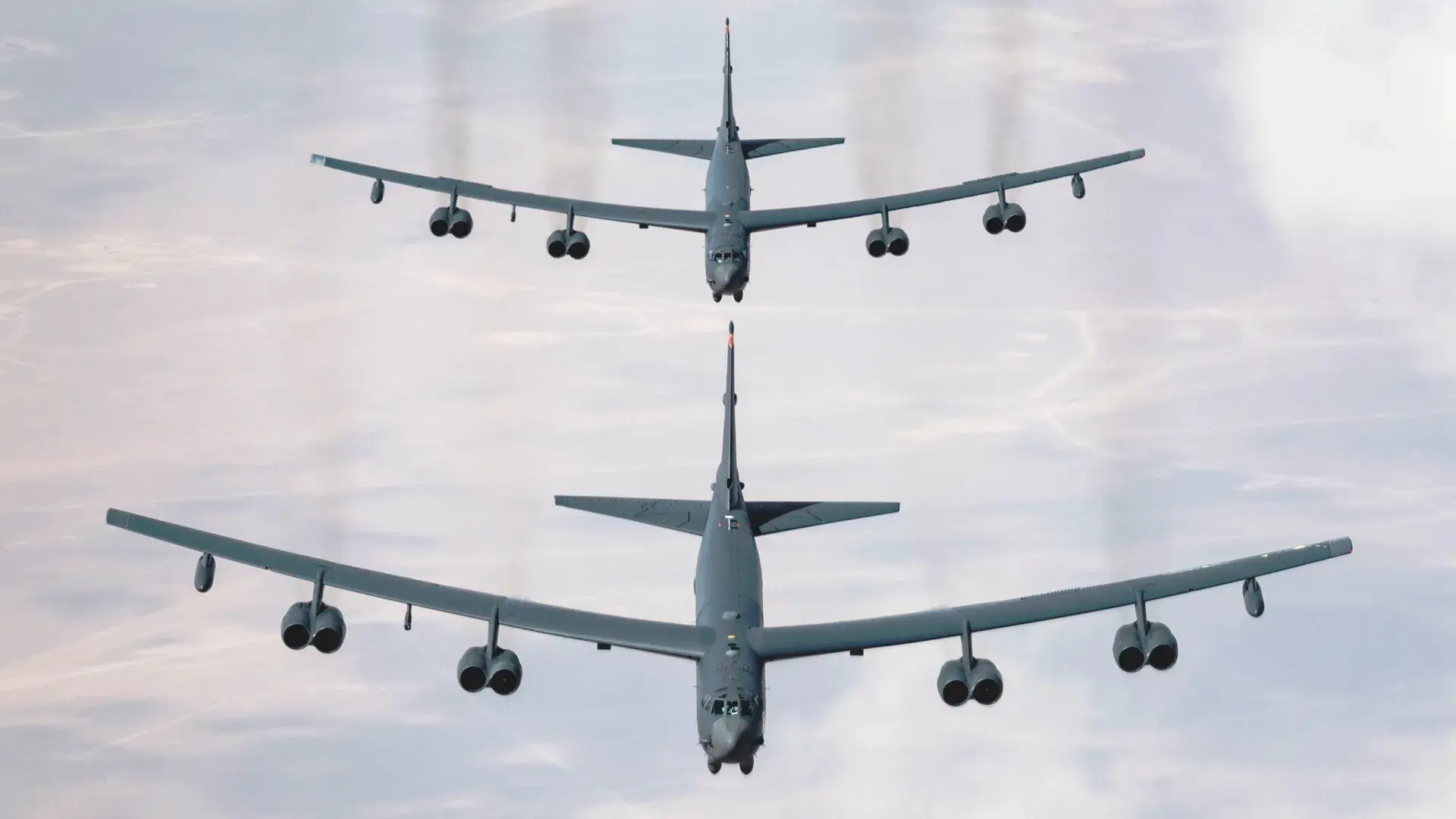
The Rolls-Royce Upgrade
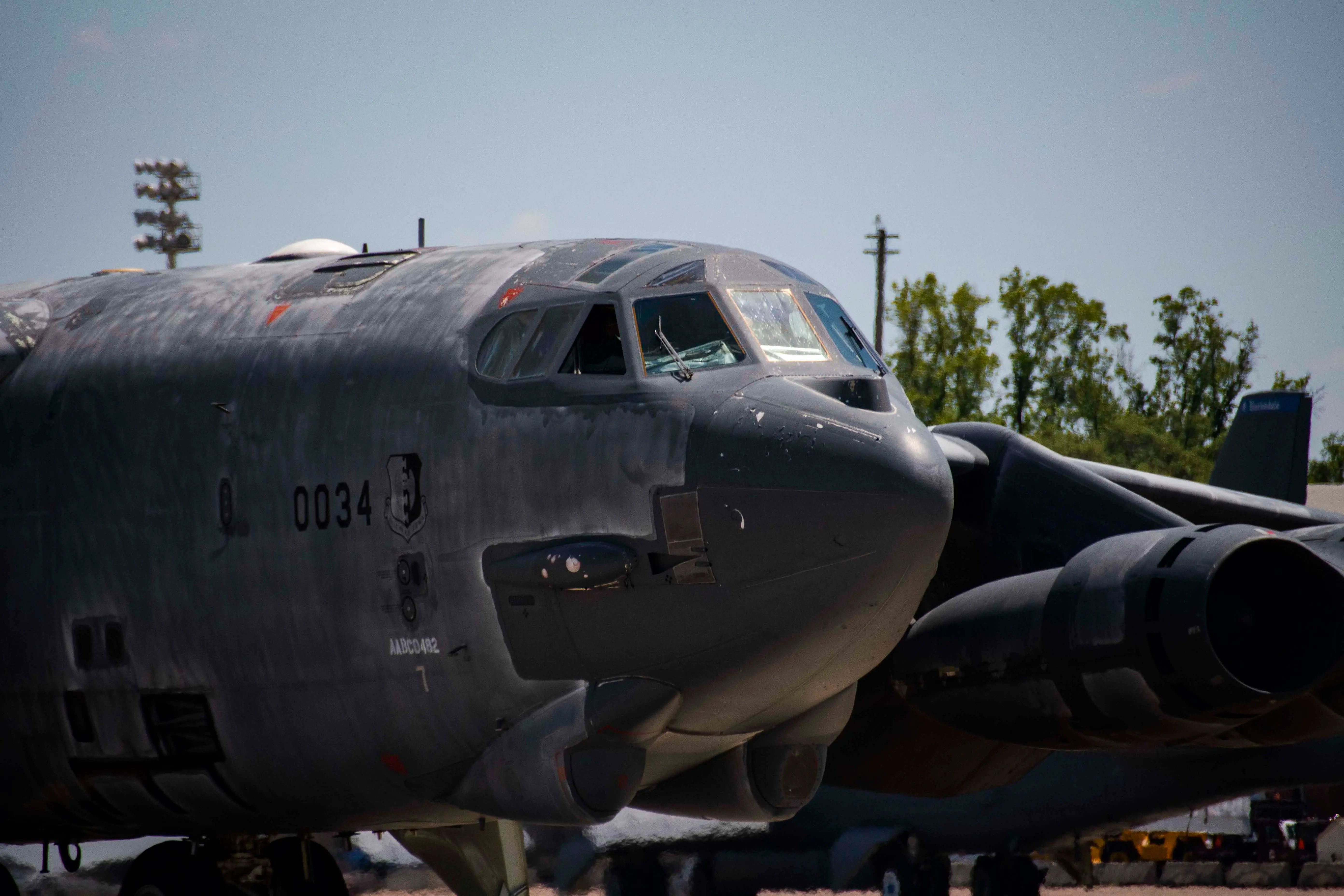
The massive overhaul will systematically swap out the aircraft's ageing 1960s-era Pratt & Whitney powerplants. The military plans to install eight modern Rolls-Royce F130 turbofan engines across all 76 remaining active bombers.
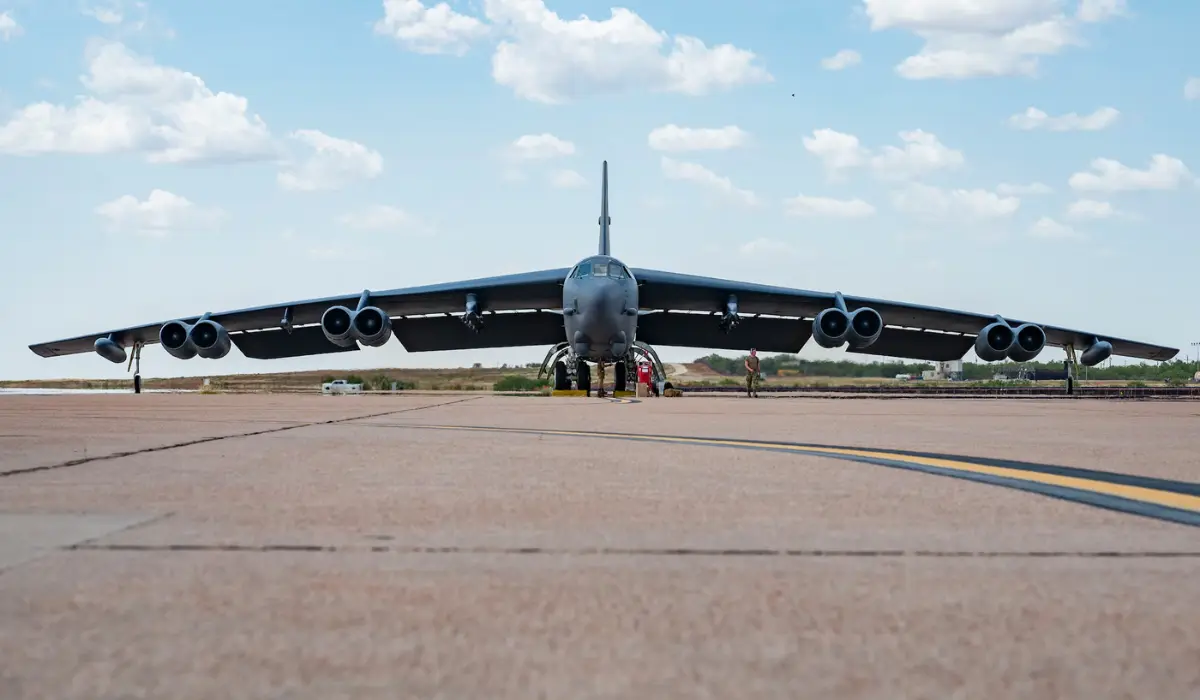
Boosting Range and Efficiency
These commercial-derivative engines will deliver approximately 30 per cent better fuel efficiency than the legacy systems. This massive upgrade drastically increases the bomber's unrefuelled range, reducing the heavy operational burden on aerial tanker fleets.
A Modern Digital Shield
Beyond the new engines, the aircraft is receiving a highly advanced Active Electronically Scanned Array radar system. Derived directly from Navy fighter jets, this digital upgrade will vastly improve the bomber's target tracking capabilities.
A Costly Transformation
Rebuilding a 1962 airframe for modern warfare has proven significantly more expensive than initial Pentagon estimates. Government watchdogs report the total estimated cost of the complex engine replacement programme has swelled to roughly US$15 billion.
The Birth of the B-52J
Once these extensive engine and radar modifications are fully integrated, the classic fleet will officially be redesignated as the B-52J. The first heavily modified test aircraft are scheduled to begin comprehensive flight testing in California by 2029.
)
)
)
)
)