The future of defence? How quantum encryption could shape tomorrow’s wars

Quantum encryption could make military secrets unbreakable and reshape the world’s future wars. As world powers invest in the race for quantum security, the battleground will soon be reshaped by unbreakable codes, new attack techniques, and next-level electronic warfare.

What is Quantum Encryption?
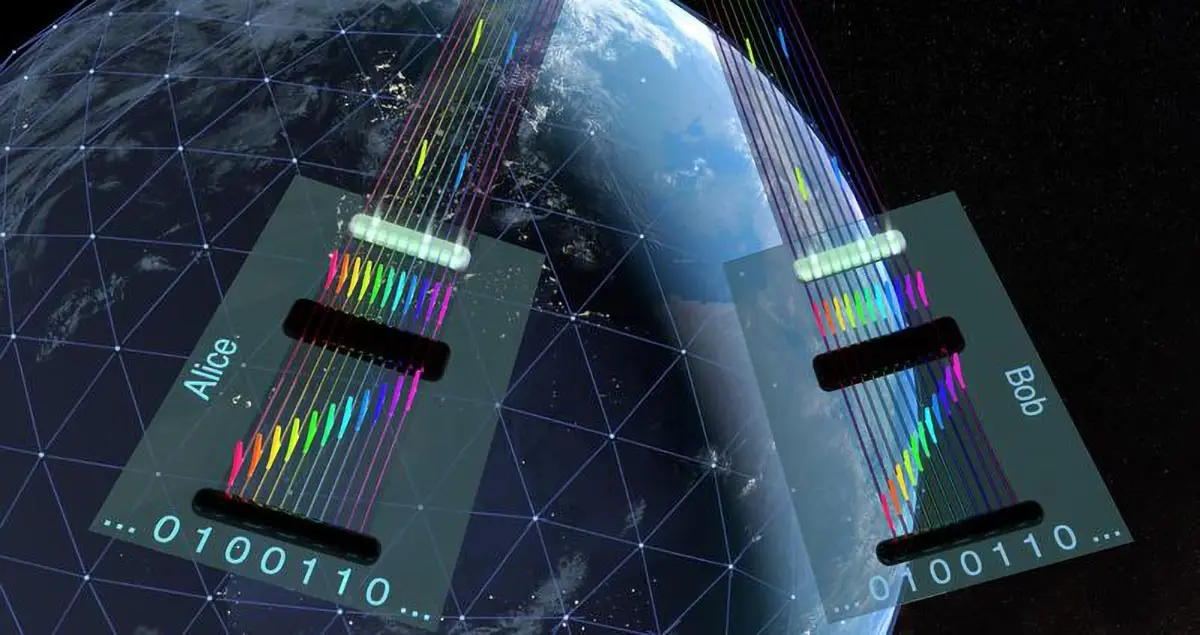
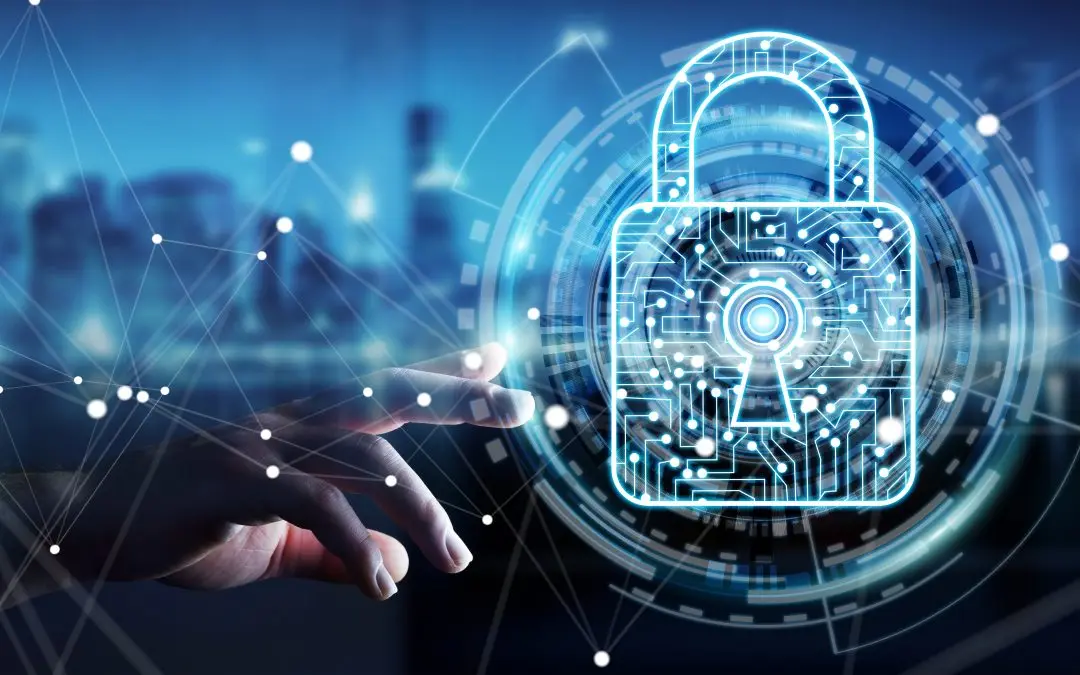
Quantum encryption uses the principles of quantum mechanics to secure data. Quantum key distribution (QKD) sends information as particles of light, making any interception detectable and instantly alerting users. Traditional encryption depends on complex maths, but quantum codes are protected by laws of physics and are nearly impossible to hack using classical computers.
Why Is Quantum Encryption Needed?
Quantum computers could break almost all current military codes in minutes. With Shor’s algorithm, a quantum system can solve the maths behind today’s encryption, threatening global secrets and classified databases. This scenario has triggered a global push for “post-quantum cryptography” and quantum-safe communication networks before hostile states gain the lead.
Threats and Opportunities in Modern Wars
If one side deploys working quantum computers first, they could intercept and decrypt all enemy messages, defeating entire stealth strategies, drone operations, and missile launches. Attackers may also use quantum hacks to expose troop positions or silent plans. However, defenders who perfect quantum encryption will make their networks virtually invisible and immune to eavesdropping forcing attackers to find new strategies.
Military Uses of Quantum-Safe Networks
Quantum-safe networks can be used in everything from battlefield radios to secure missile guidance. They enable direct, ultra-secure connections between bases, mobile forces, satellites, and even drone swarms. Future battlefields could see “quantum bubbles,” where only those with quantum keys can operate or even communicate. Military planning, logistics, and sensor data sharing would all be protected from foreign surveillance.
Quantum Sensors and Decision-Making
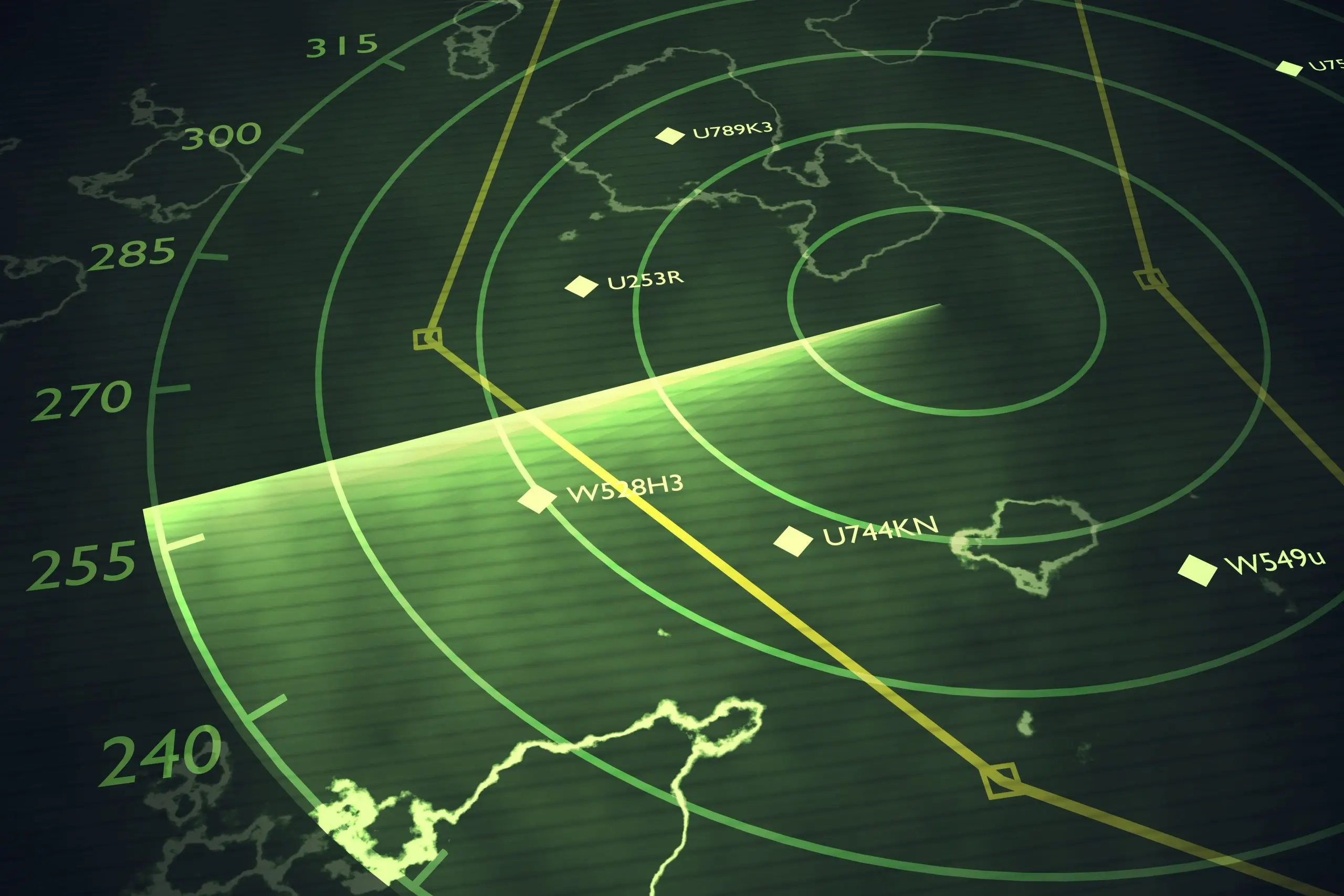
Besides code protection, quantum tech brings quantum sensors devices detecting subs, missiles, or satellites that evade current radar. Quantum-assisted AI can also analyse conflict and predict moves faster than human planners can react. This enhances decision-making, weapons navigation, and targeting across digital and physical battlefields.
Weak Spots and Arms Race
Quantum cryptography is powerful, but it requires specialised hardware and is vulnerable if poorly implemented. Not all militaries have the infrastructure or secure networks needed. There’s a risk the first with breakthrough technology could dominate, triggering a new arms race, as nations race for “quantum supremacy” to protect their own secrets and threaten others.
The Future: Quantum Arms Race and Diplomacy
The race for quantum cyberweapons and encryption will drive military spending and international treaties. Alliances may form to share quantum tech, while weaker states could partner with tech leaders for “quantum umbrella” protection. Future wars may be fought on “invisible” digital fronts, with code-breaking and jamming battles sometimes more important than missiles or tanks.
)
)
)
)
)