Which were the first 7 countries to operate fighter jets?

Few machines have captured the imagination like fighter jets. From decisive battles in World War II to cutting-edge aerial dominance today, these aircraft have defined the course of wars and technological progress.
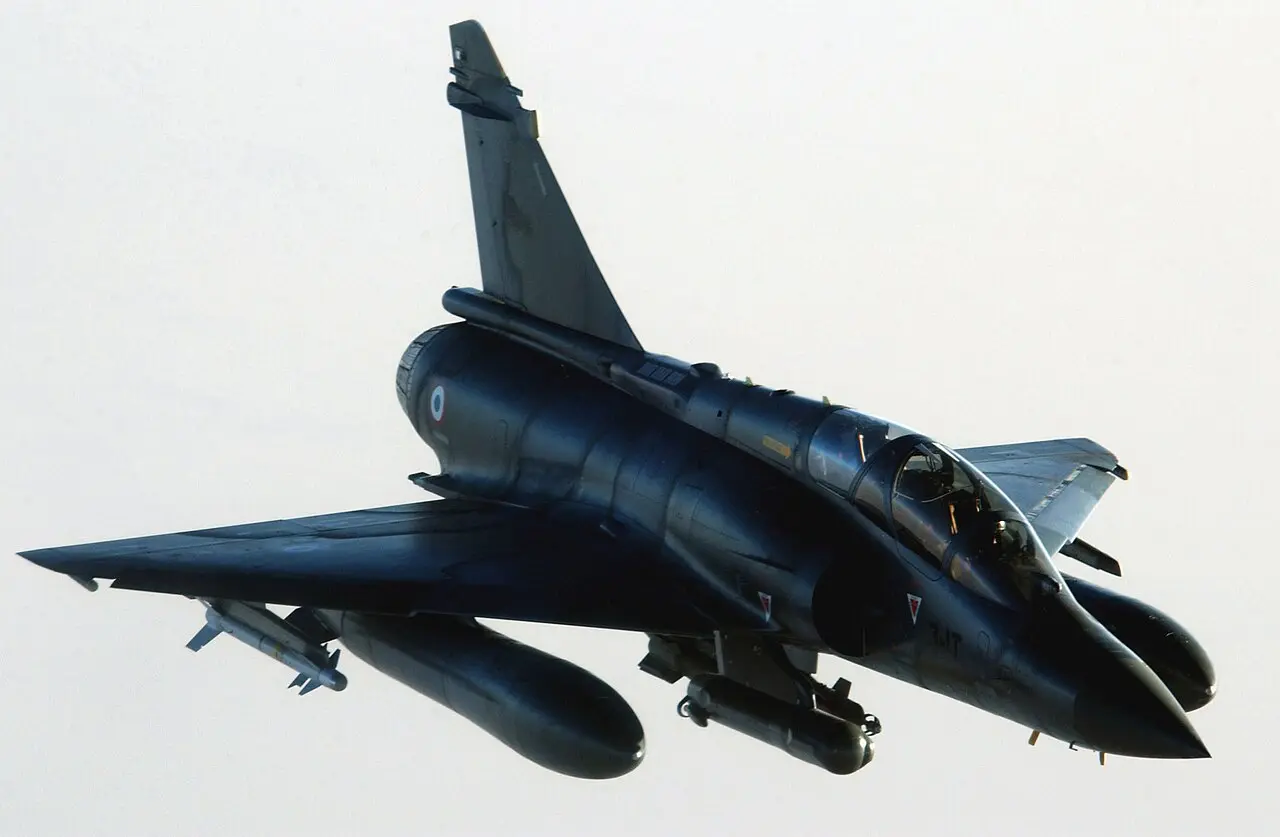
Introduction: The dawn of the jet age
The emergence of the fighter jet marked a defining shift in aviation history, transforming air combat from propeller-driven duels to high-speed, high-altitude warfare. The first operational jets appeared during and immediately after the Second World War, reshaping global air power. Let's explore the seven pioneering nations that first operated fighter jets, tracing how each entered the new era of military aviation.
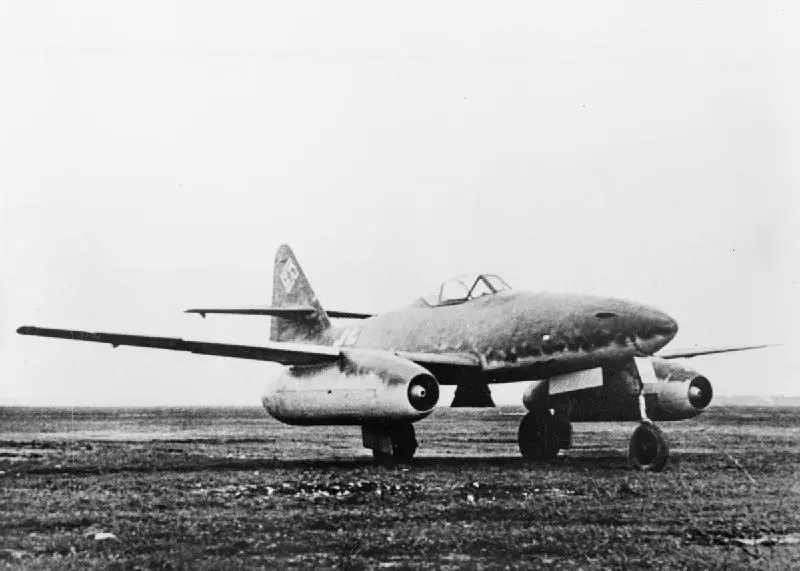
1. Germany – The Luftwaffe’s Me 262
Germany was the first nation to deploy an operational jet fighter: the Messerschmitt Me 262. Entering service in 1944, it was powered by twin turbojet engines and could reach speeds far beyond those of any piston-engine aircraft. Though introduced too late to alter the outcome of the war, the Me 262’s revolutionary design made it the world’s first true jet fighter and influenced post-war aircraft engineering across the world.
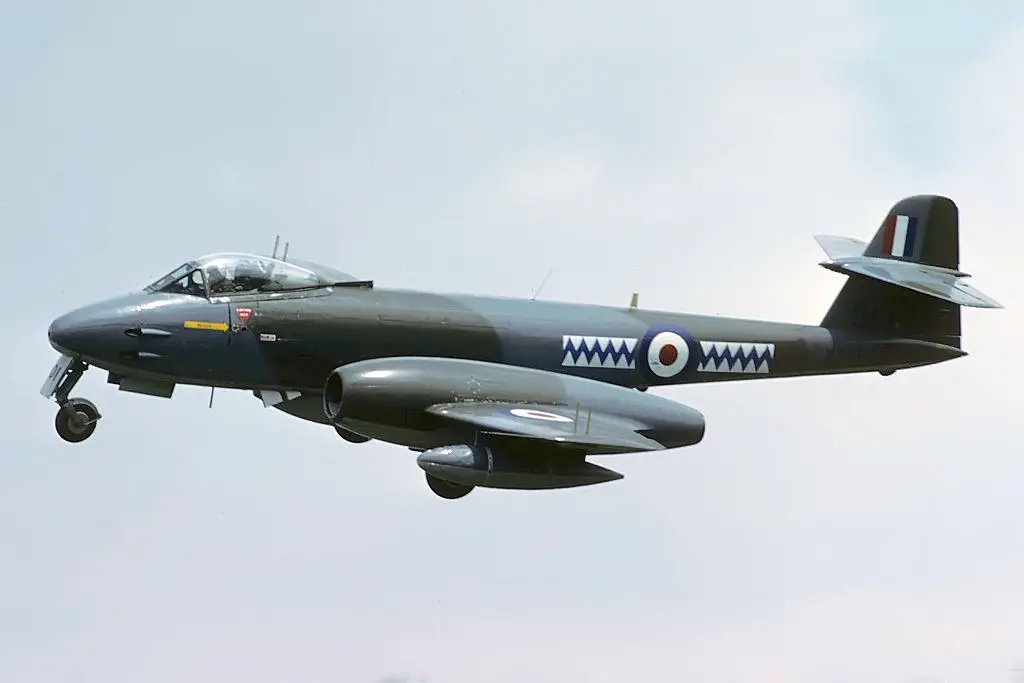
2. United Kingdom – Britain’s Gloster Meteor
Soon after Germany, Britain introduced its own jet fighter, the Gloster Meteor. It entered Royal Air Force service in July 1944 and became the Allies’ first operational jet. While not as fast as the Me 262, it proved highly reliable and was used effectively against German V-1 flying bombs. The Meteor’s success established Britain as a jet aviation leader and set the stage for its post-war aircraft industry.
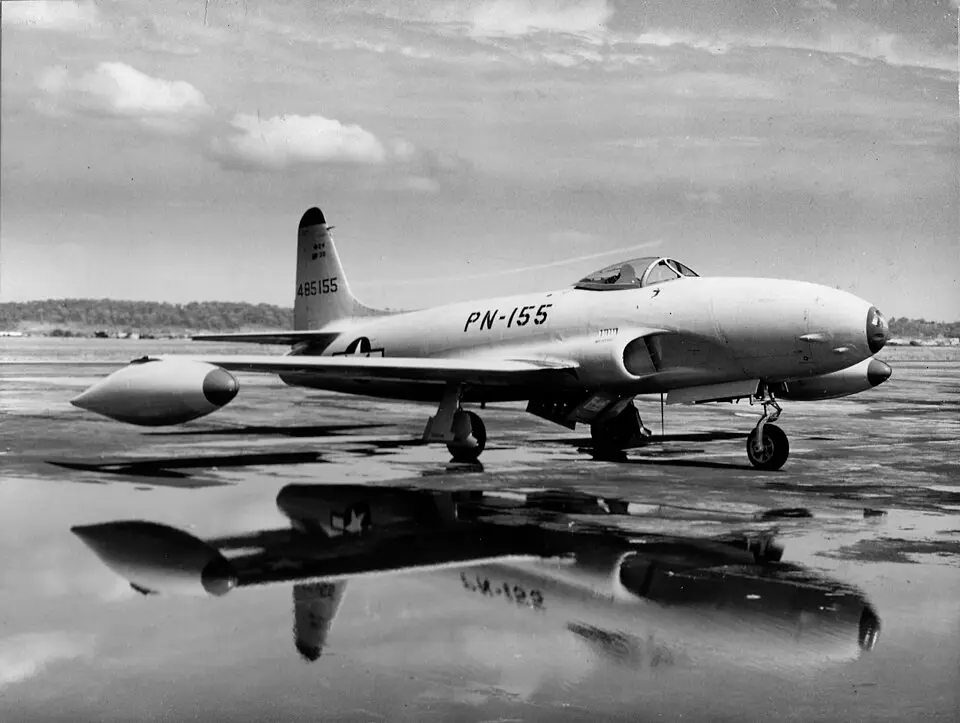
3. United States – The Lockheed P-80 Shooting Star
The United States entered the jet era with the Lockheed P-80 Shooting Star, which took to the skies in 1945. Although it arrived too late to see action in World War II, the P-80 became the first operational jet fighter of the U.S. Army Air Forces. Its advanced design and performance paved the way for future American jet fighters, including the F-86 Sabre that would dominate the skies during the Korean War.
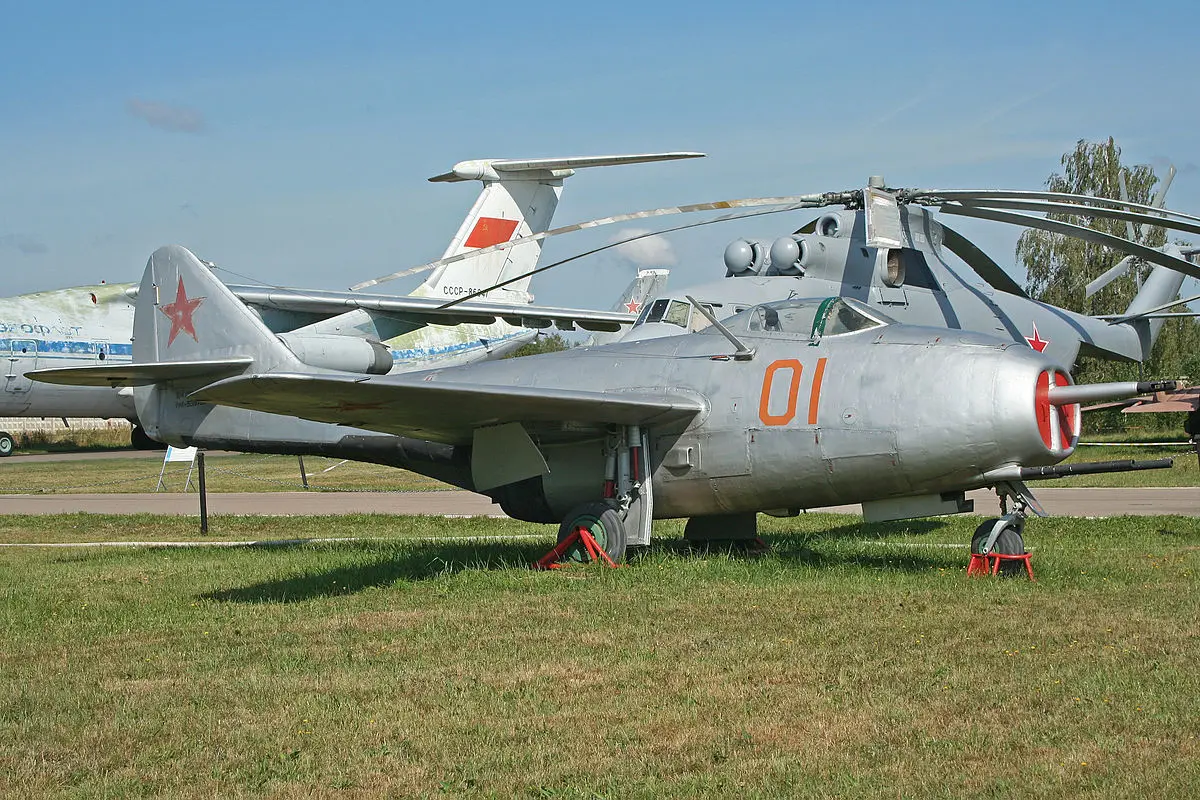
4. Soviet Union – The Mikoyan-Gurevich MiG-9
The Soviet Union’s first operational jet fighter, the Mikoyan-Gurevich MiG-9, entered service in 1946. Developed rapidly from wartime research and captured German technology, it was soon followed by the MiG-15, one of the most successful early jet fighters. The MiG-9 marked the Soviet Union’s entry into the jet age and the beginning of a fierce Cold War rivalry in aerial technology.
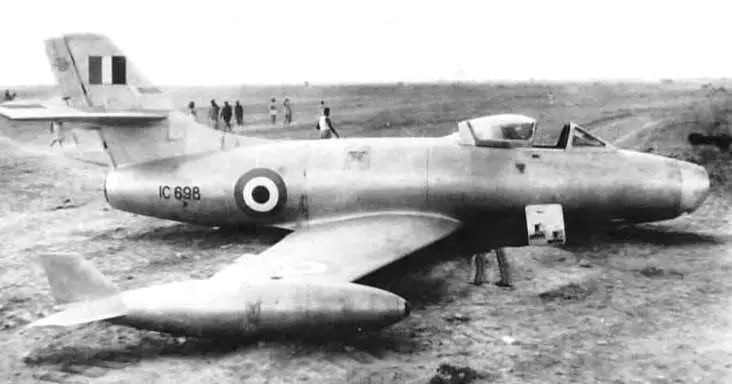
5. France – The Dassault Ouragan
France became a jet power with the Dassault MD.450 Ouragan, which made its maiden flight in 1949 and entered service in the early 1950s. It was the first mass-produced French jet fighter and a symbol of national recovery after the war. The Ouragan also established Dassault Aviation as a world-class aircraft manufacturer, leading to later successes such as the Mystère and Mirage series.
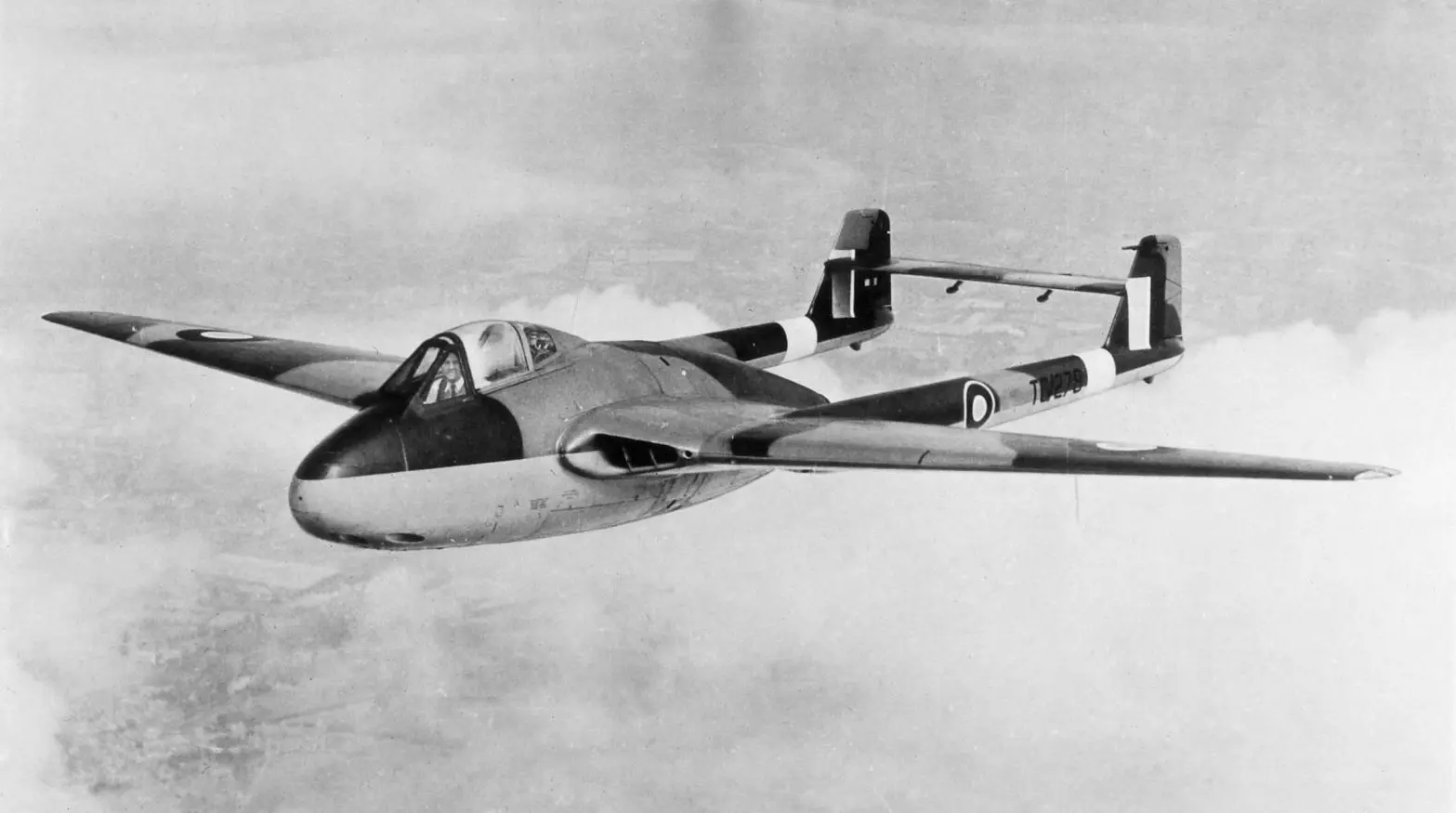
6. Canada – The RCAF’s Early Jet Era
Canada was among the earliest nations to field jet aircraft, operating British-built Gloster Meteors and de Havilland Vampires in the late 1940s. These jets were the foundation of the Royal Canadian Air Force’s modernisation, leading to the later development of Canadian-built fighters such as the CF-100 Canuck. Canada’s rapid adoption reflected its close defence partnership with the United Kingdom and the United States.
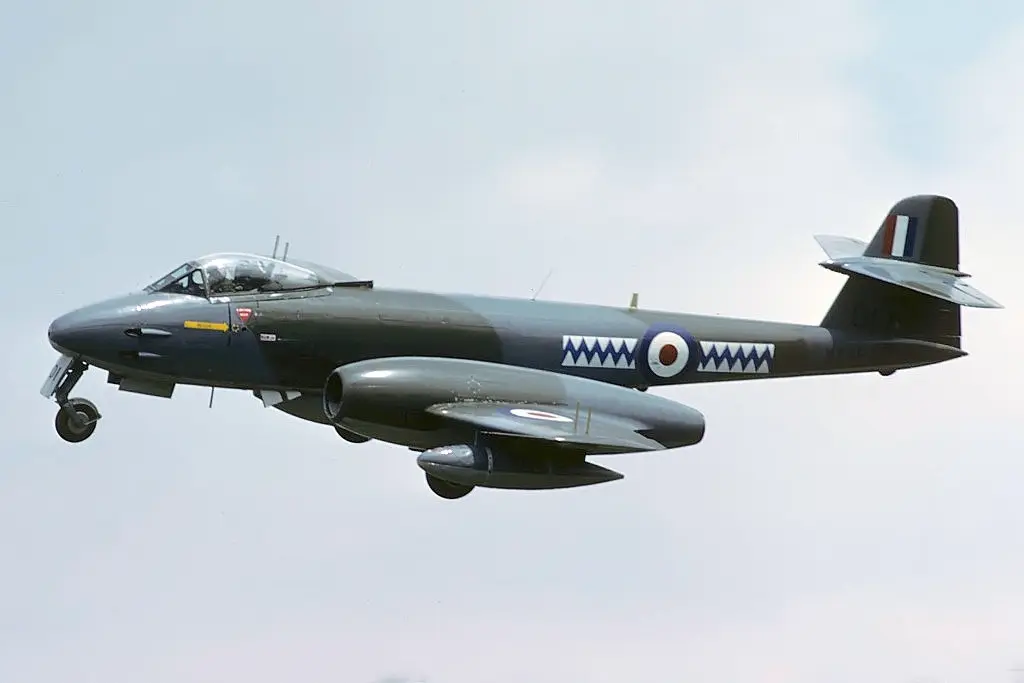
7. Australia – The First in the Pacific Region
Australia entered the jet age soon after the war, acquiring Gloster Meteors for the Royal Australian Air Force. By 1951, Australian pilots were flying Meteors in combat during the Korean War, making Australia the first nation in the Asia-Pacific region to operate jet fighters in battle. Its early commitment to jet technology ensured its place among the pioneers of modern air power.
)
)
)
)
)