The Fattah-2 threat: Can the USS Abraham Lincoln's radar track Iran's fastest hypersonic missiles?

Iran's Fattah-2 glide vehicle travels at Mach 15. US Navy destroyers use SPY-6 radars and SM-6 interceptors to protect the USS Abraham Lincoln, but the weapon's low-altitude manoeuvres complicate tracking.

Fattah-2 reaches speeds of Mach 15
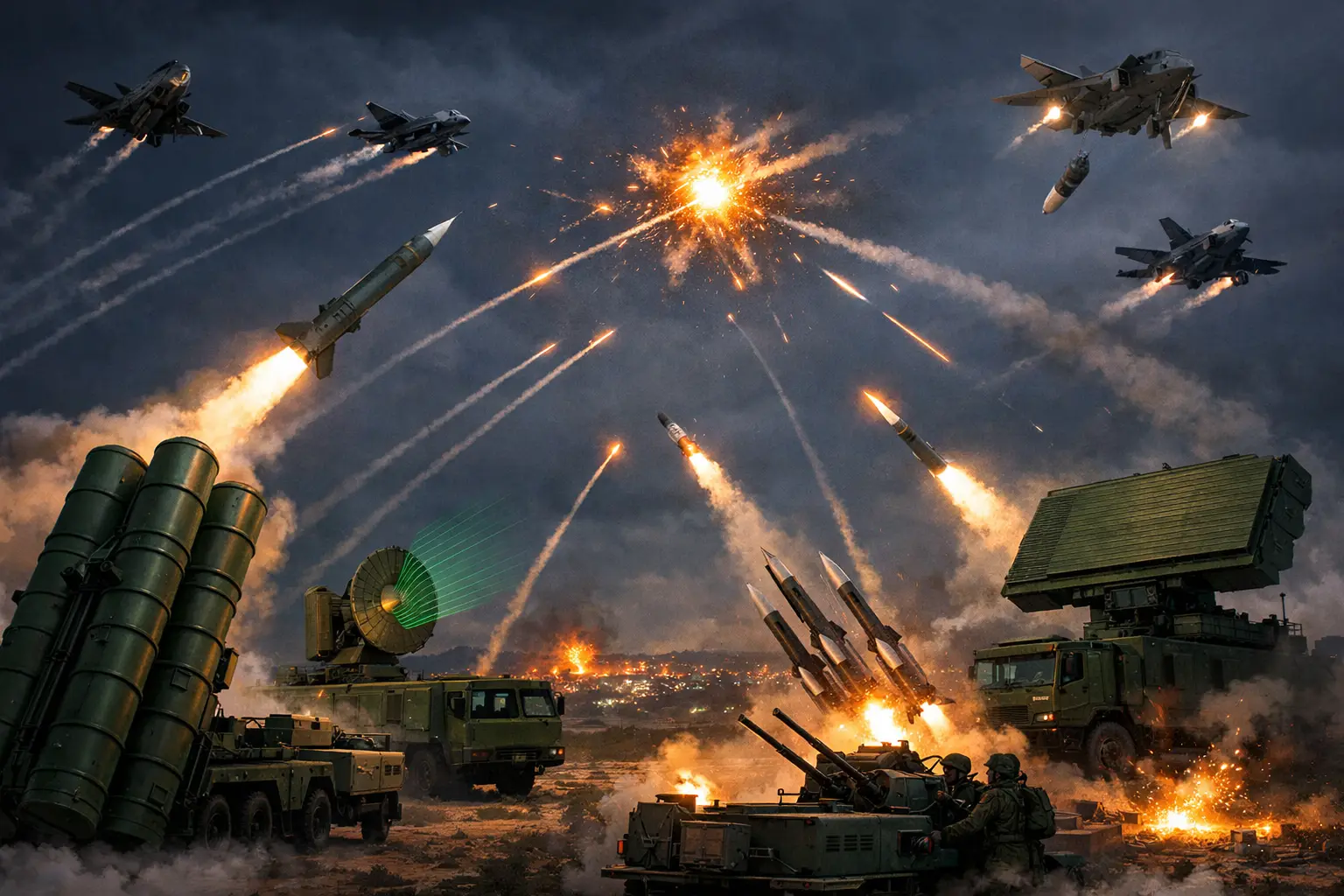
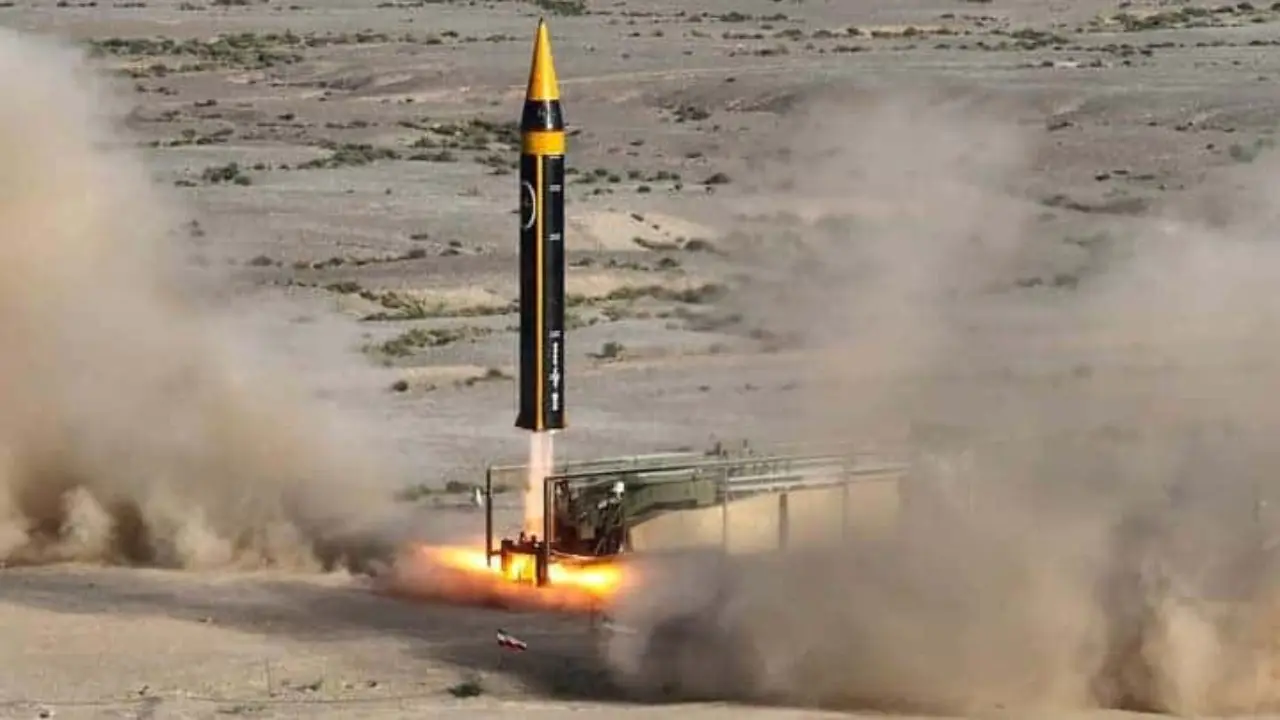
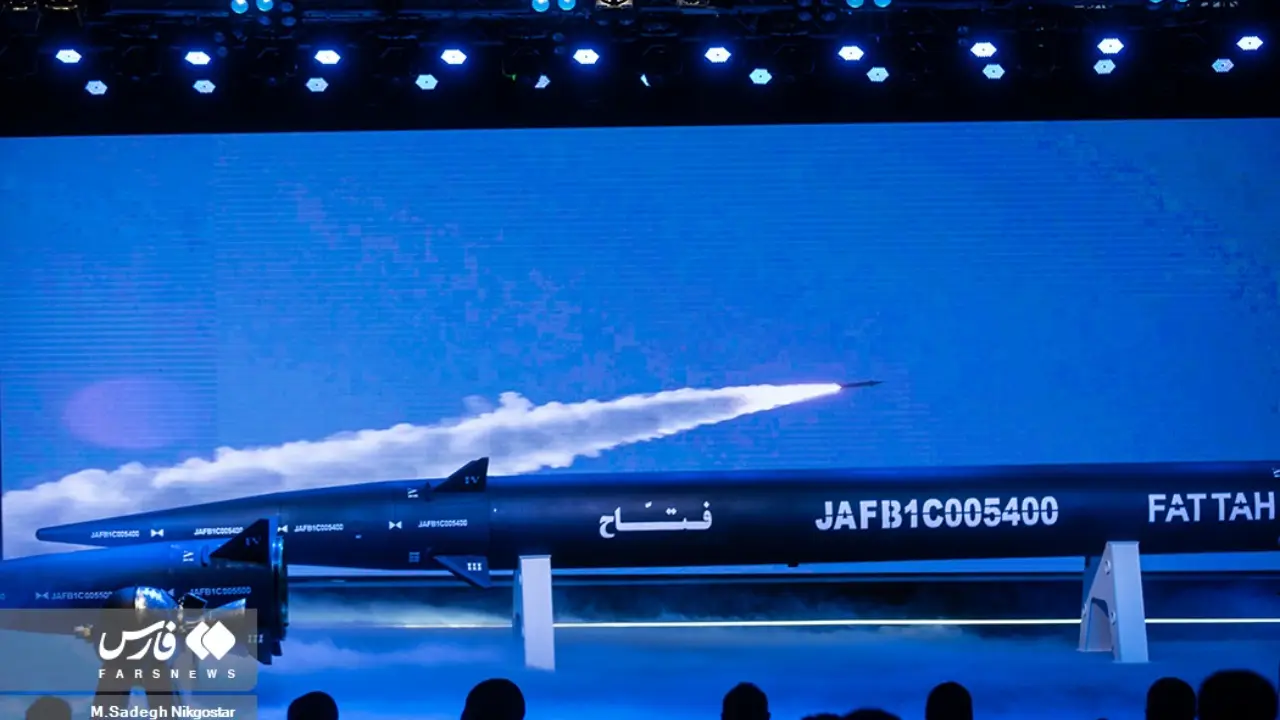
The Fattah-2 is an advanced hypersonic missile capable of reaching speeds up to Mach 15, which translates to 18,522 kilometres per hour. It represents a major shift in missile technology because of its sheer velocity. At this speed, the weapon drastically reduces the reaction time available for any naval defence system. It covers massive distances in mere minutes. This makes early detection extremely critical for the targeted vessels.
HGV technology with 1,500 km range
Unlike standard ballistic missiles, the Fattah-2 uses a Hypersonic Glide Vehicle for its payload delivery. This weapon has an operational range of approximately 1,500 kilometres, placing many regional assets within its striking distance. The glide vehicle detaches from its booster and travels through the atmosphere at lower altitudes. It does not follow a predictable parabolic arc, which complicates standard tracking methods. Traditional air defence relies heavily on predictable trajectories.
Glide vehicles manoeuvre at 12-30 km altitude
The primary advantage of the Fattah-2 is its ability to alter its course mid-flight while gliding at altitudes between 12 and 30 kilometres. It manoeuvres in both pitch and yaw, approaching targets from unexpected directions. This atmospheric skip-glide flight allows the weapon to evade radar detection for longer periods. By the time ship-based sensors lock onto the target, the interception window is almost closed. It forces defence networks to constantly recalculate the flight path.
USS Abraham Lincoln relies on escort destroyers
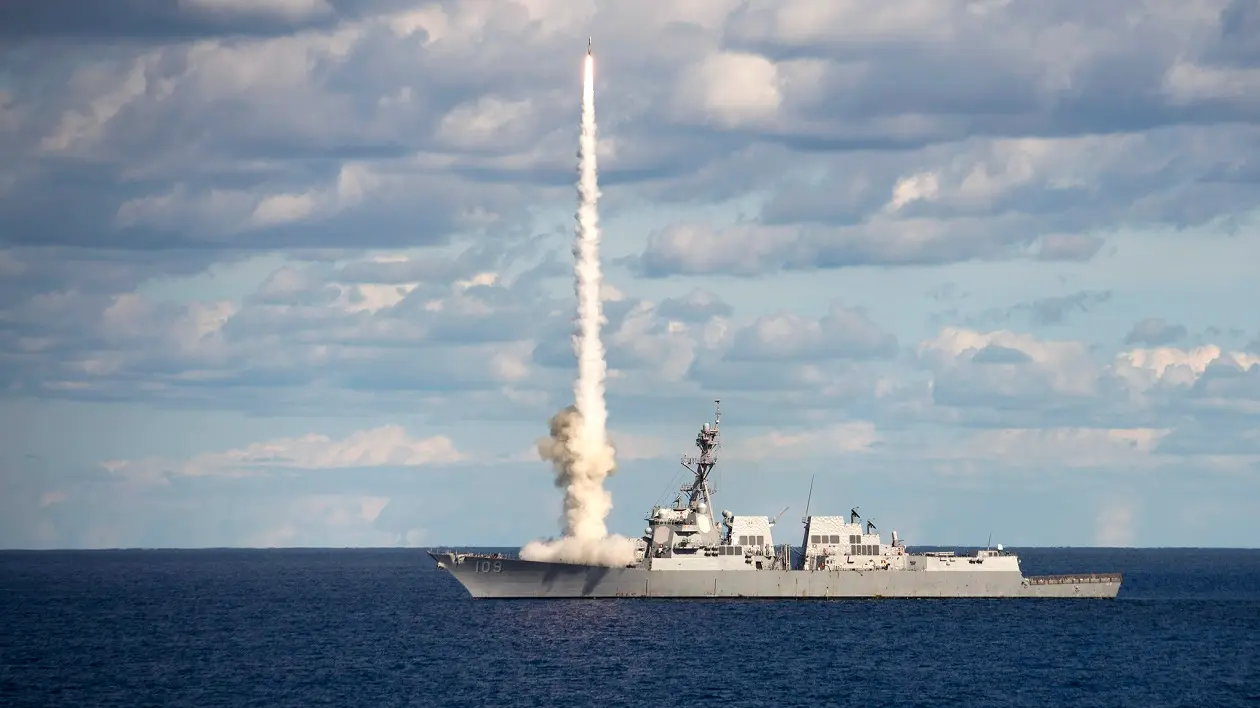
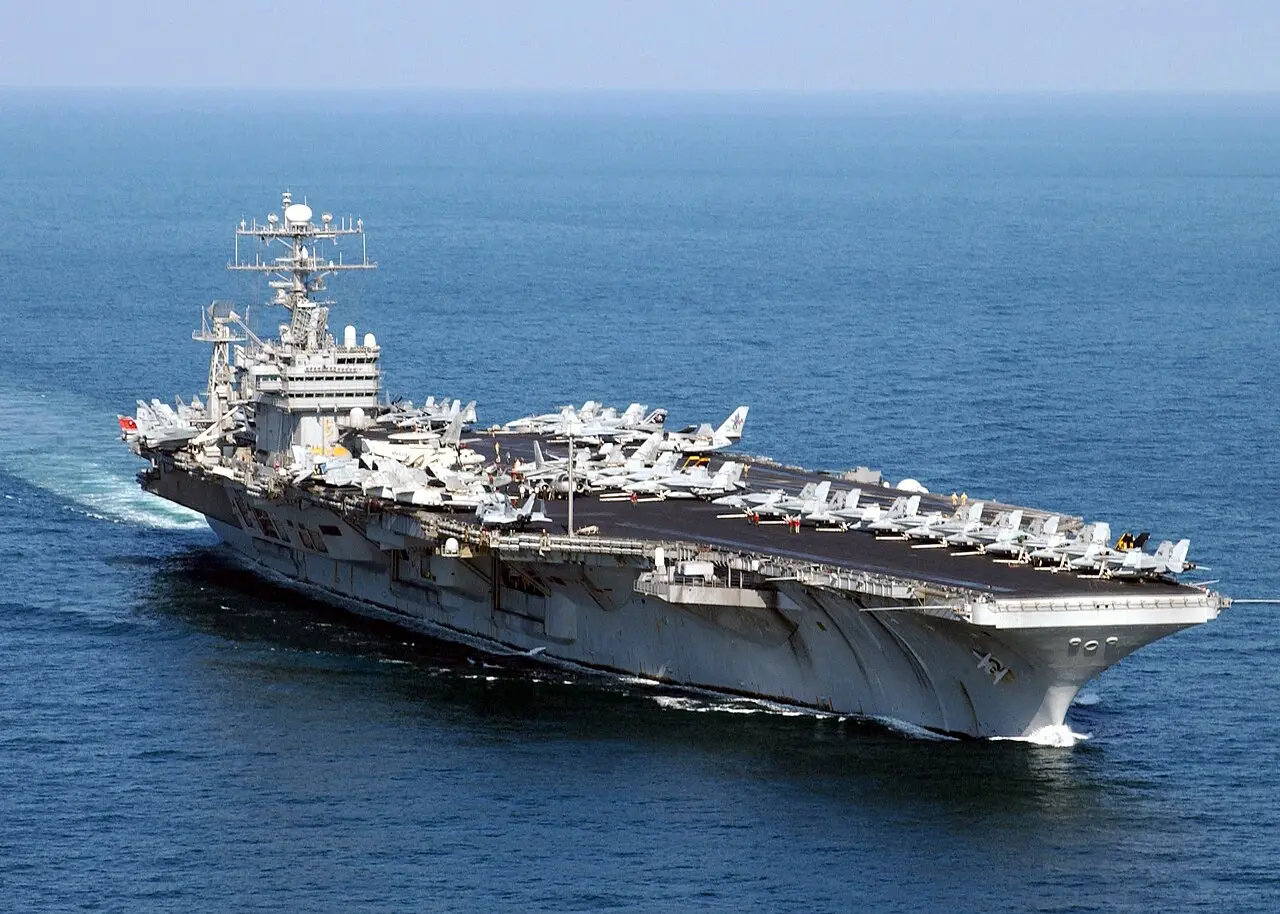
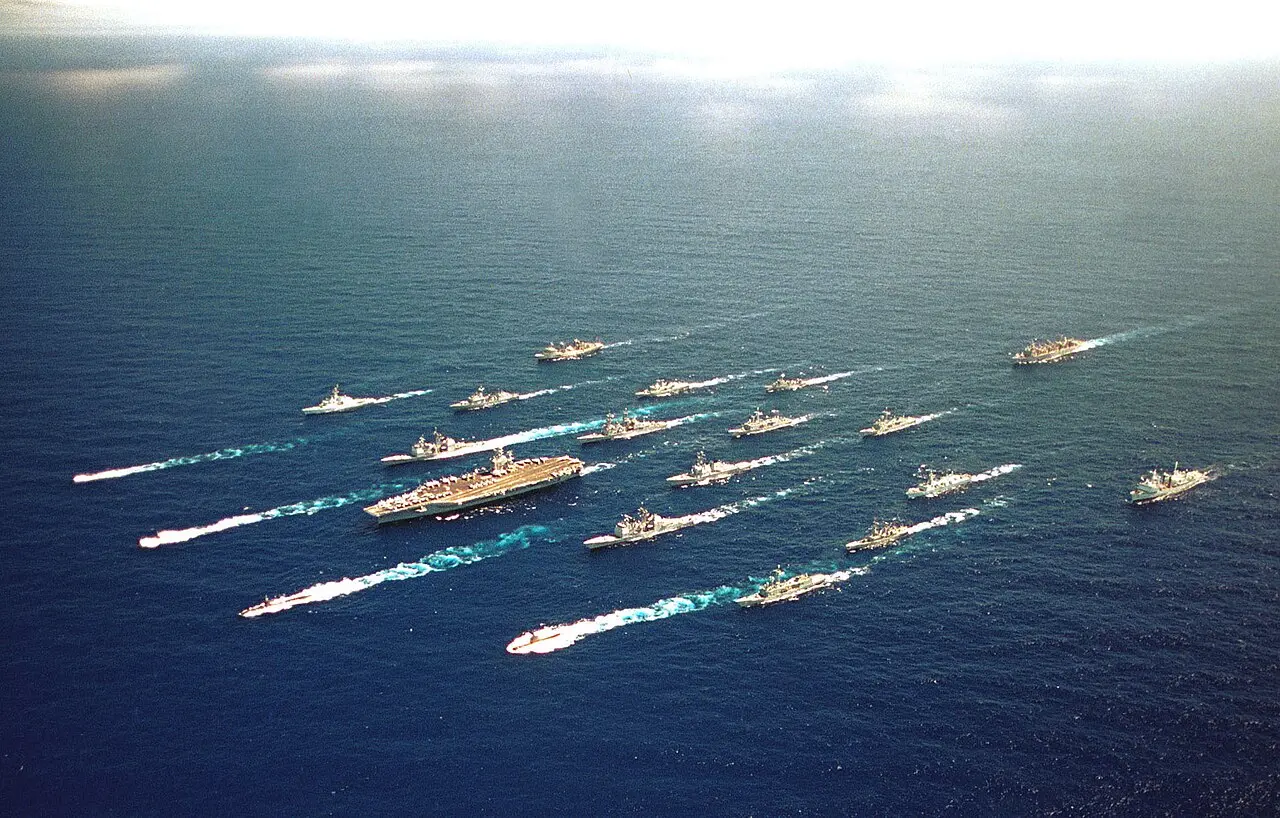
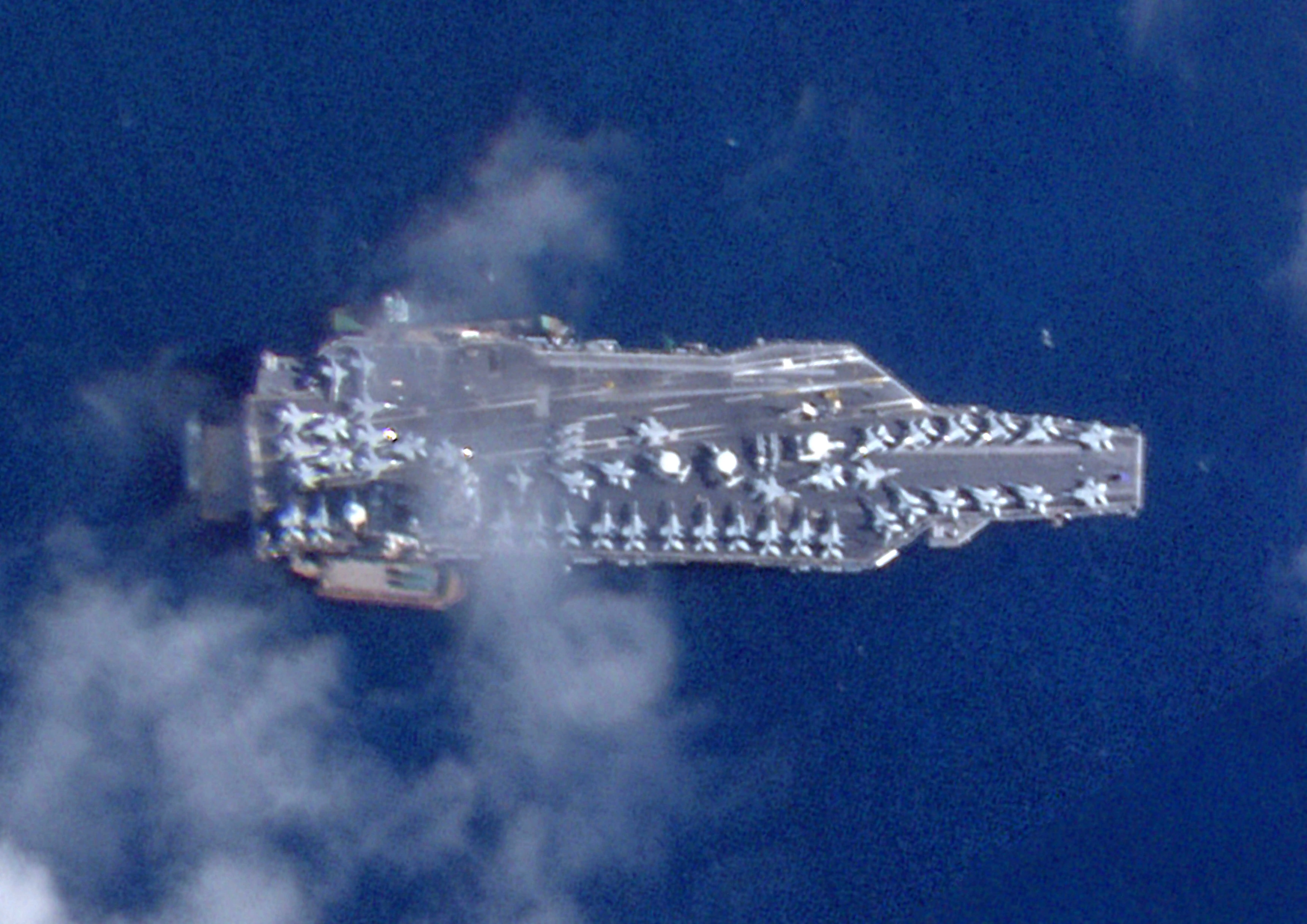
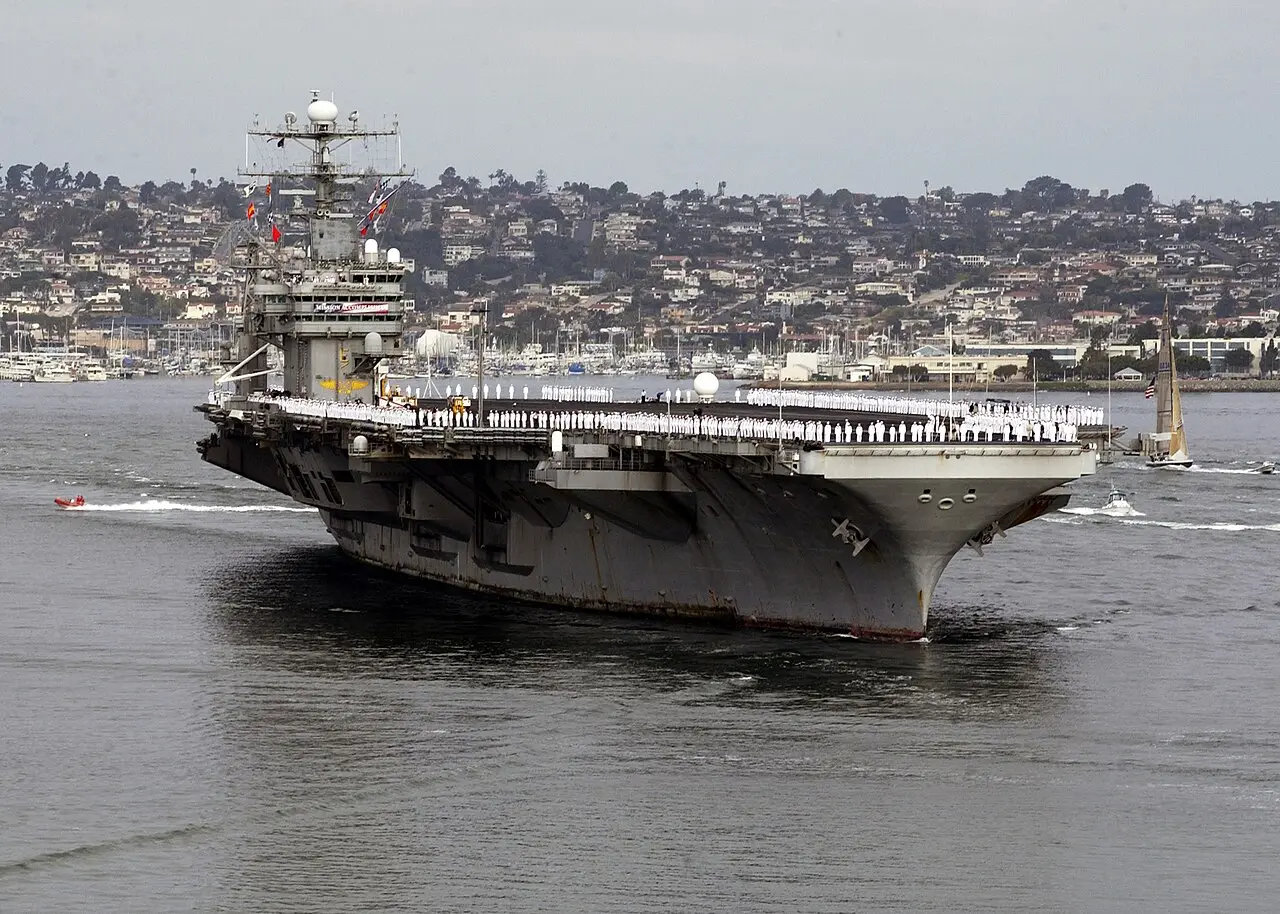
The USS Abraham Lincoln aircraft carrier does not fight alone; it relies on a strike group for protection. Arleigh Burke-class guided-missile destroyers escort the carrier and provide the primary shield against airborne threats. These destroyers are equipped with advanced radar and interceptor systems designed to engage multiple targets simultaneously. They form a protective ring around the carrier to intercept incoming fire. The survival of the carrier depends entirely on these escort ships.
Aegis Combat System processes 100 targets simultaneously
The core of the US Navy’s defence is the Aegis Combat System, an automated command and control network. It links the ship's radar with its missile batteries to detect, track, and engage threats. The system can process over 100 targets at the exact same time, prioritising the most immediate dangers. Aegis uses rapid computing to calculate firing solutions for incoming missiles. However, hypersonic glide vehicles test the absolute processing limits of this network.
SPY-6 radar provides 360-degree situational awareness
To detect threats like the Fattah-2, modern US destroyers use the SPY-6 family of radars. These systems feature multiple array faces that offer continuous, 360-degree situational awareness without blind spots. The SPY-6 is significantly more sensitive than legacy radars, allowing it to spot smaller, faster objects at greater distances. It simultaneously tracks ballistic, cruise, and hypersonic missiles while cutting through electronic jamming. This early warning capability is essential against Mach 15 weapons.
SM-6 interceptors target the terminal phase
When Aegis detects a hypersonic threat, the primary weapon used for interception is the Standard Missile-6. The SM-6 is designed to destroy incoming missiles during their terminal phase, right before they hit the target. It is currently the most viable option in the US arsenal for tackling manoeuvring hypersonic glide vehicles. The interceptor relies on data fed directly from the SPY-6 radar to adjust its own flight path. It must intercept the threat in a matter of seconds.
Mach 4 interceptors face Mach 15 targets
The physical challenge of stopping the Fattah-2 comes down to speed differences. While the Fattah-2 travels at speeds up to Mach 15, interceptors like the SM-6 travel at roughly Mach 4. Hitting a highly manoeuvrable target moving over three times faster than the interceptor is incredibly difficult. It requires the defence system to predict exactly where the glide vehicle will be at the moment of impact. Even a slight miscalculation results in a complete miss.
Terminal dive allows mere seconds for reaction
The most vulnerable phase for a target ship is the terminal dive, when the hypersonic vehicle descends rapidly. Because the Fattah-2 glides at lower altitudes, the curvature of the Earth hides it from ship-based radar until it is relatively close. Once it breaches the radar horizon, the Aegis system has very little time to launch the SM-6. The reaction and interception window shrinks to just a few seconds. The system must work flawlessly to prevent a strike.
Swarm tactics increase the 200 kg payload threat
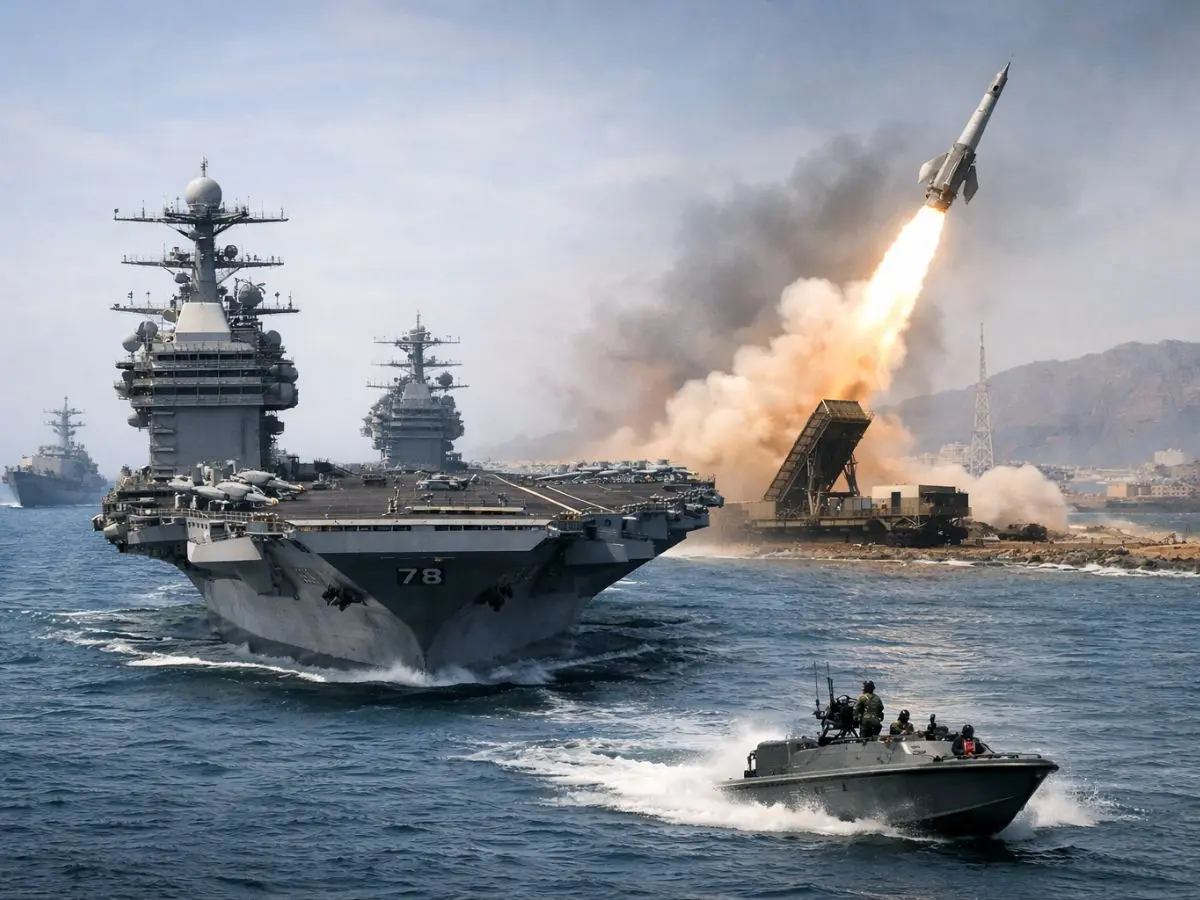
While the US Navy possesses the technology to theoretically intercept a single Fattah-2, the real danger lies in volume. The missile carries a 200 kilogramme explosive payload, and launching several of them simultaneously could overwhelm the Aegis system. A coordinated swarm of hypersonic missiles, drones, and cruise missiles can exhaust the limited number of SM-6 interceptors on board. Defence analysts note that sustained barrages pose a severe risk to carrier strike groups.
)
)
)
)
)