The F-22 Raptor is so agile it can shoot into its own tailpipe! Here’s how...

From the risk of firing into its own exhaust to vanishing even from friendly radar, the Raptor’s secrets reveal how far engineers have stretched the limits of aviation physics.
A Fighter Jet That Defies Conventional Physics
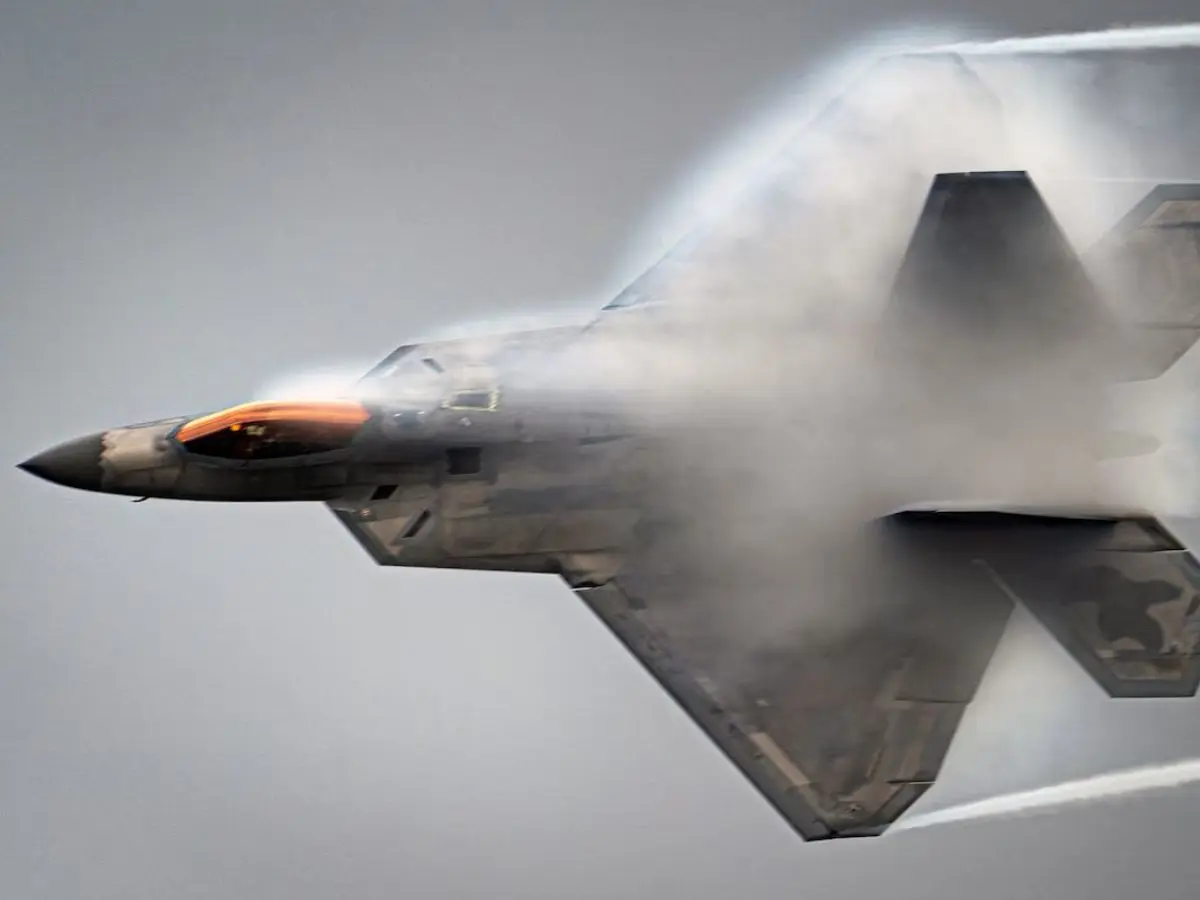
The F-22 Raptor is considered the pinnacle of modern air combat technology, combining stealth, speed and unmatched manoeuvrability. Yet behind its carefully engineered design lie a number of aerodynamic quirks that are as baffling as they are fascinating. From the risk of firing into its own exhaust to vanishing even from friendly radar, the Raptor’s secrets reveal how far engineers have stretched the limits of aviation physics.
When Fire Meets Jet Wash
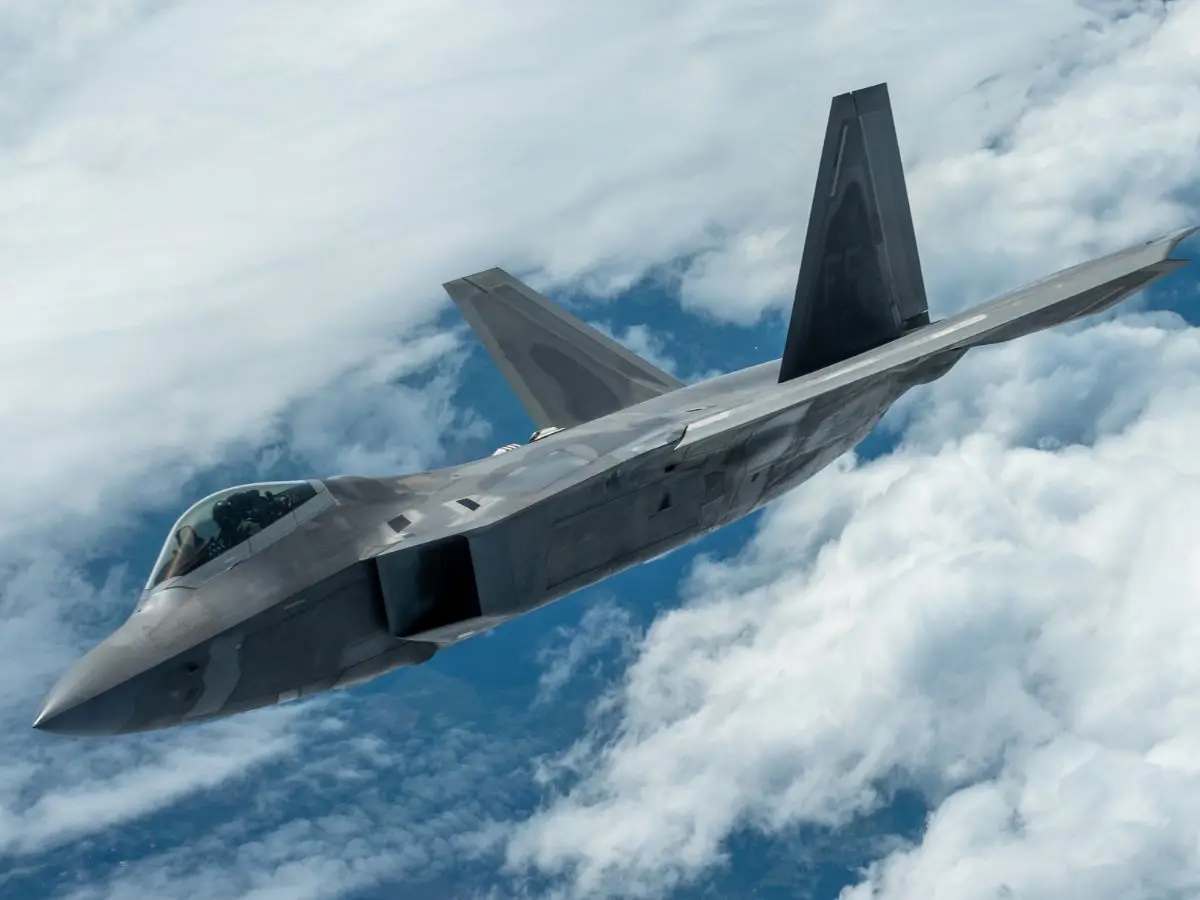
One of the strangest truths about the F-22 is that it can, in extreme manoeuvres, risk firing its own cannon into the turbulent airflow behind the aircraft. During post-stall manoeuvres, where the nose can point in a completely different direction from the jet’s trajectory, a burst from its M61A2 Vulcan cannon may briefly cross paths with its own jet wash. This phenomenon is unique to aircraft with extreme agility and thrust-vectoring, something no other frontline fighter can achieve to the same degree.
Aerobatics That Break the Rules
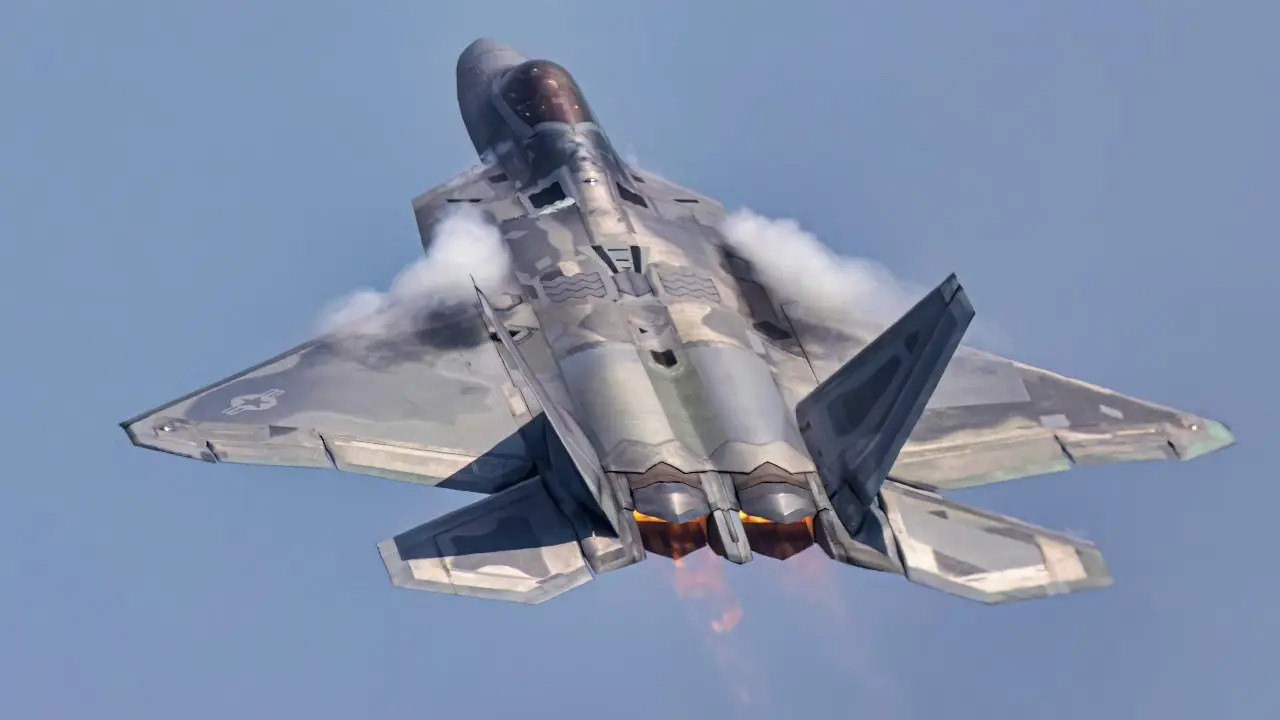
The Raptor is capable of manoeuvres once thought impossible for operational fighters. Its thrust-vectoring nozzles allow it to perform stunts such as the Cobra manoeuvre, where the aircraft pitches up abruptly to angles exceeding 60 degrees. This allows the jet to point its weapons at an adversary while almost suspended in mid-air, a lethal advantage in close combat. Such manoeuvres blur the line between traditional aerodynamics and controlled free-fall.
Supersonic Without Afterburners
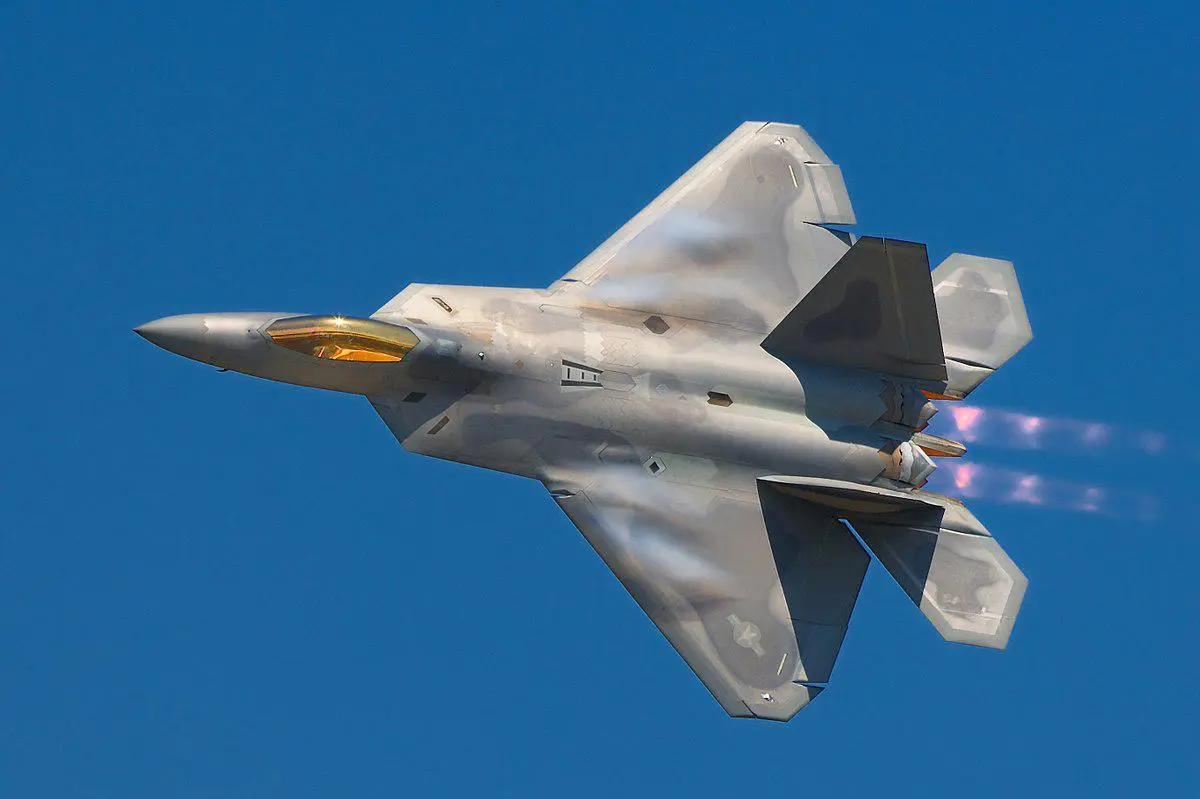
Another aerodynamic truth is the Raptor’s ability to supercruise, flying at sustained supersonic speeds without the fuel-hungry afterburners used by other jets. This makes the aircraft faster to deploy and harder to track on infrared sensors. Yet the capability comes with a hidden cost: fuel is still consumed rapidly, leaving the F-22 reliant on aerial refuelling even for missions of moderate distance.
Too Stealthy for Its Own Good
The F-22’s stealth profile is so effective that it has occasionally created problems in training exercises. During certain conditions, Raptors flying together have found it difficult to track one another on radar. Instead, they must rely on secure datalinks to share positions. While this highlights its invisibility to enemies, it also demonstrates the challenges of coordinating stealth aircraft in close formations.
A Titanium Shield Around the Pilot
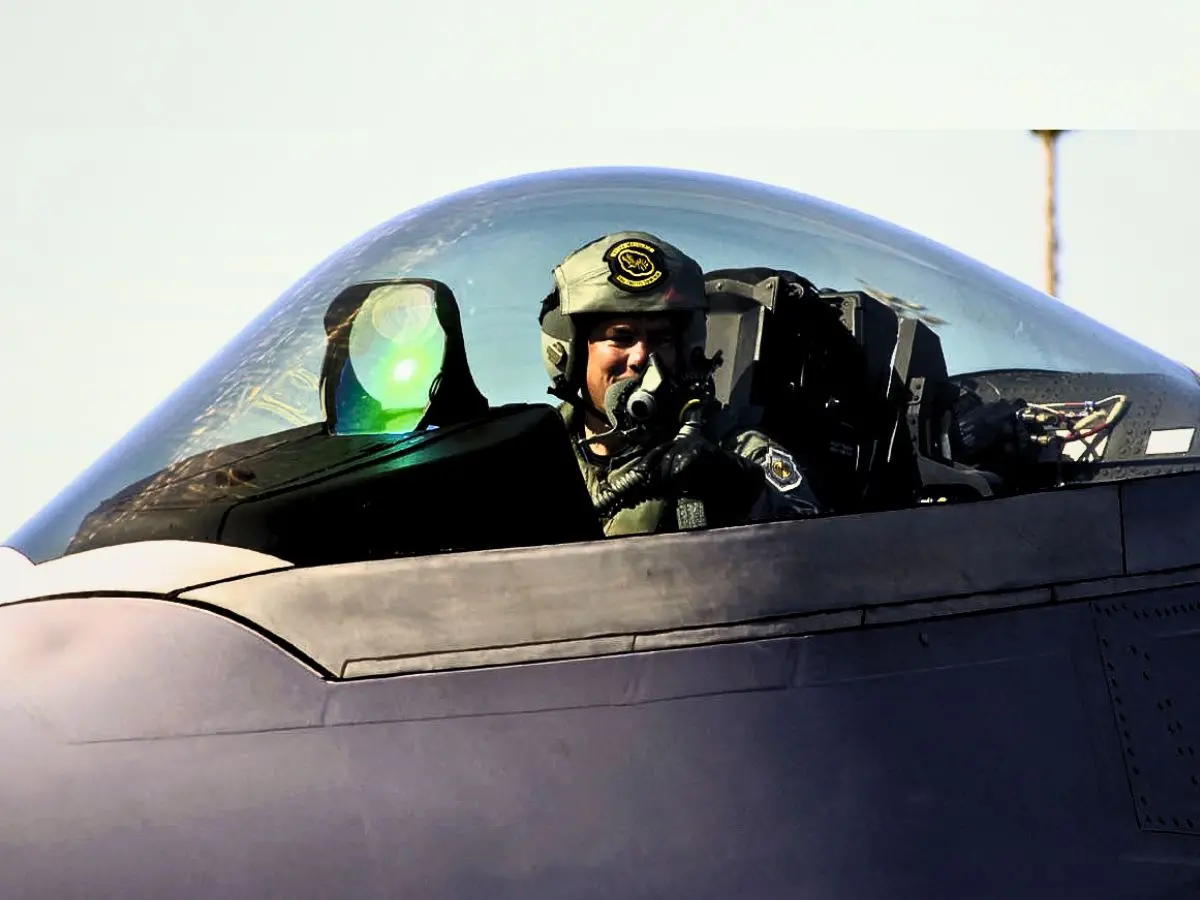
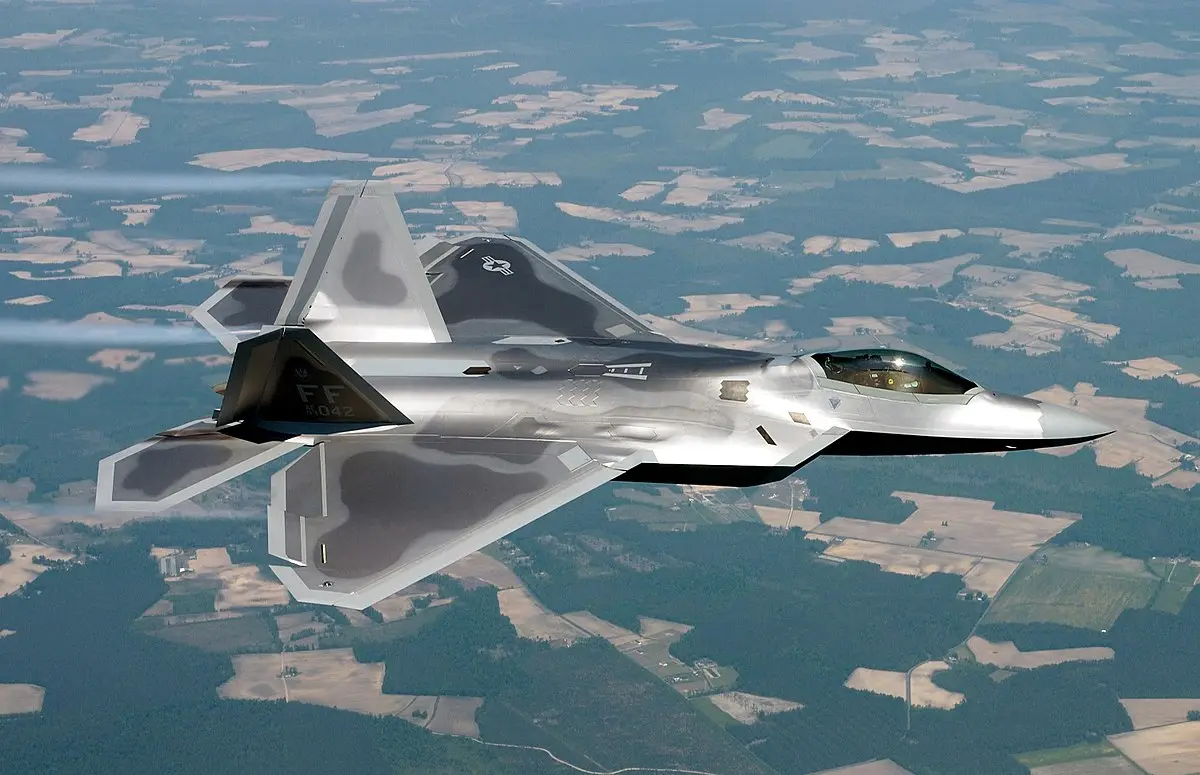
Perhaps less well known is the cockpit’s titanium armouring, often described as a 'bathtub'. This protective shell encases the pilot, offering defence against ground fire and shrapnel. The concept, unusual for a fighter designed for air superiority, adds weight but reflects the Air Force’s expectation that the Raptor may be forced into hostile conditions where survivability is as vital as stealth.
Beyond the Limits of Design
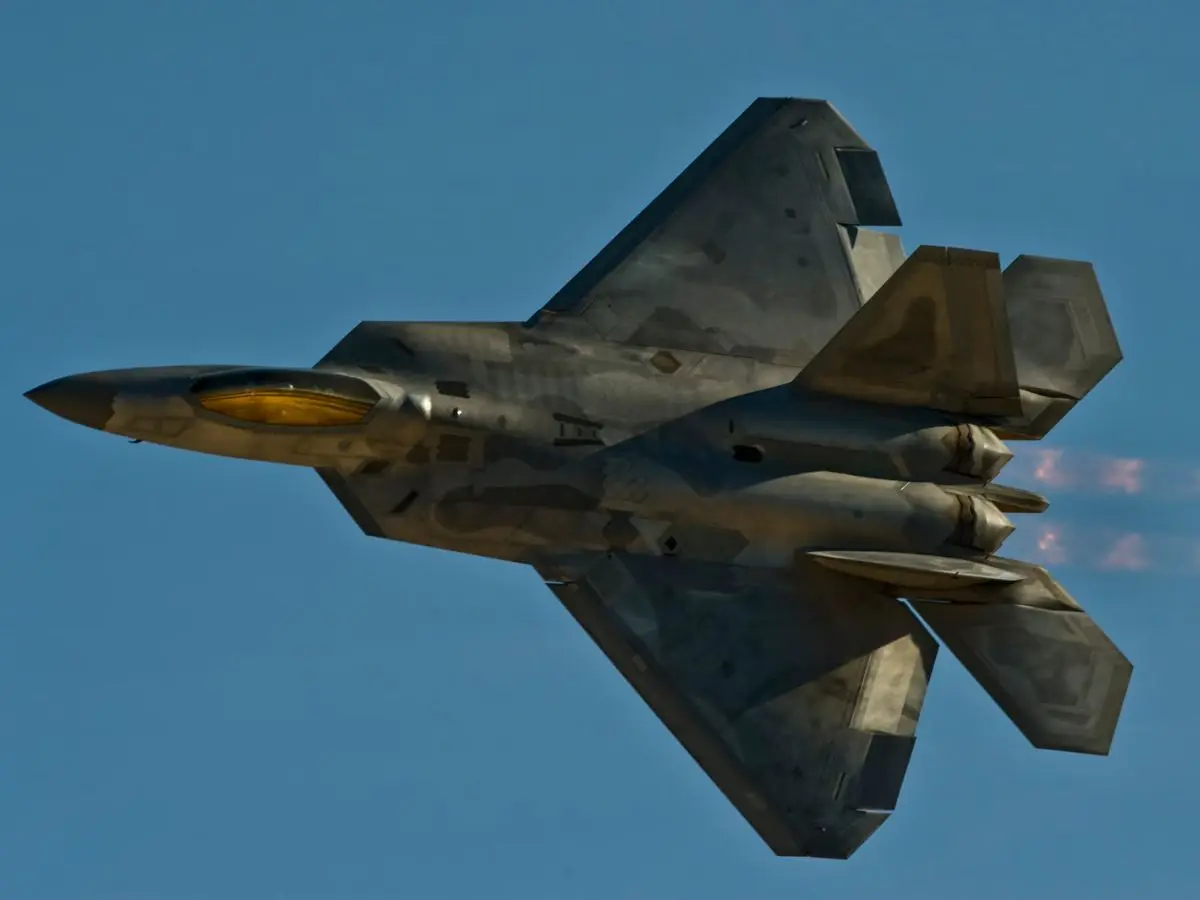
The F-22 remains an aircraft defined by contradictions, too stealthy for its own pilots, agile enough to risk shooting into its own jet wash, and supersonic without afterburners yet restricted by fuel demands. These oddities reveal not flaws but the consequences of building a fighter that pushes the boundaries of technology. In the process, the Raptor has become less a conventional aircraft and more a glimpse into the future of aerial warfare.
)
)
)
)
)