The 'End Game'? What makes this Iranian revolt more dangerous for the regime than 2009 or 2022

The current Iranian revolt poses an existential threat by merging economic desperation with calls for regime change. Unlike 2009 or 2022, strikes in the oil sector, cross-class unity, and a looming succession crisis have left the state vulnerable and its security forces exhausted.
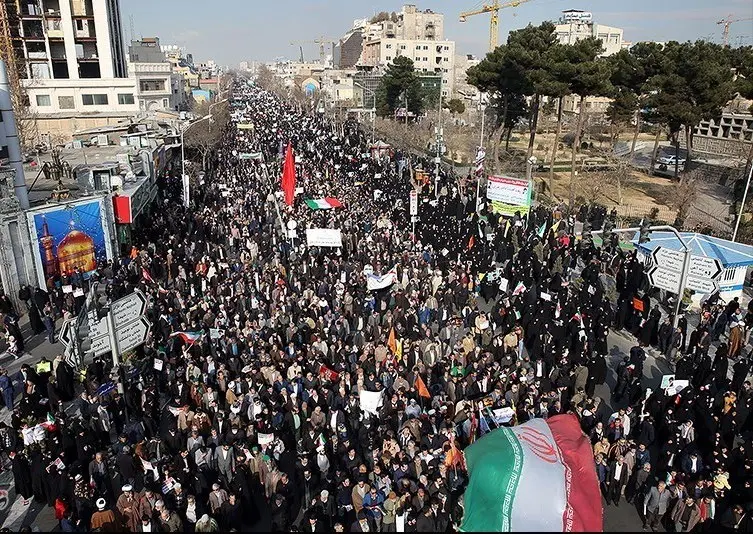
A convergence of anger Merging economic and social demands
Unlike 2009 (political) or 2022 (social), this revolt merges crippling inflation with demands for freedom. With inflation hovering above 40 per cent, the working class has joined the urban youth, creating a unified front that the regime struggles to divide.
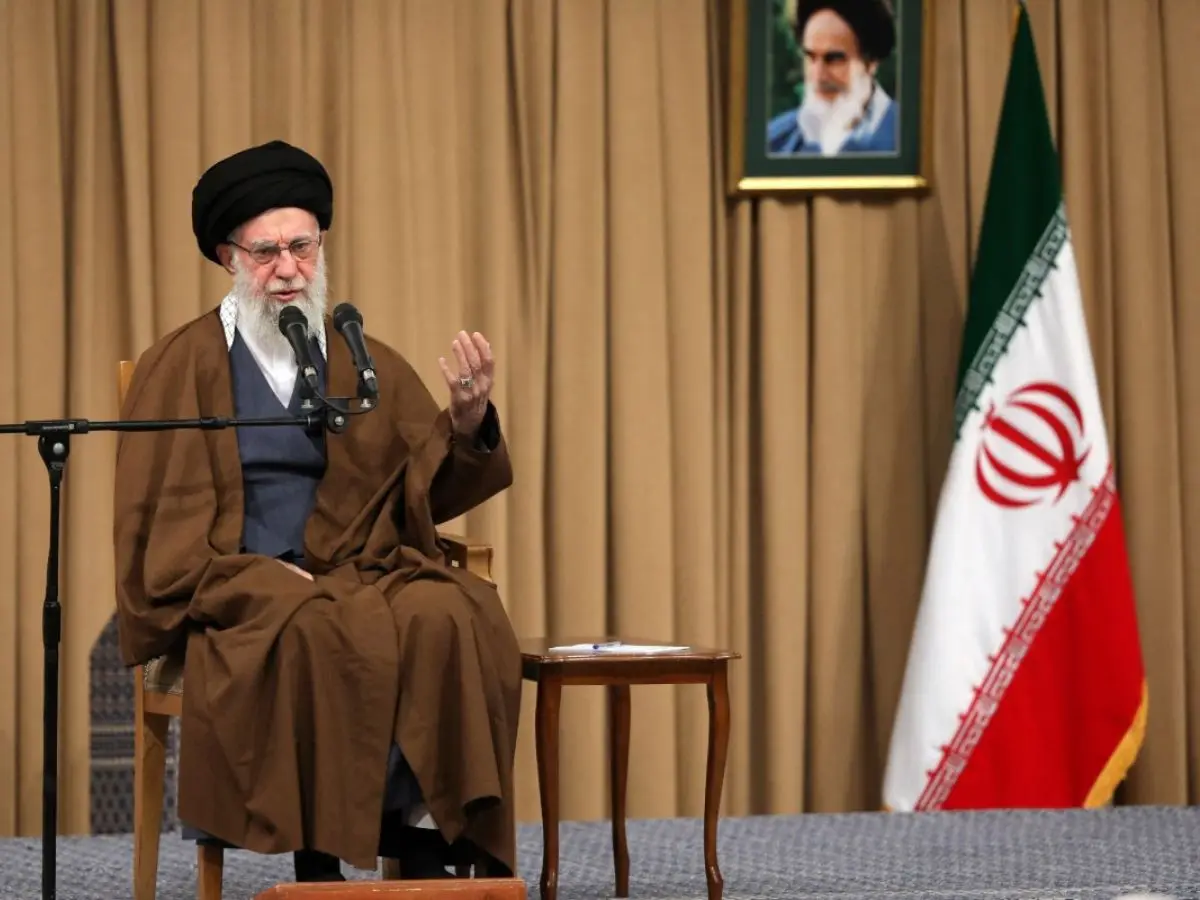
The succession crisis
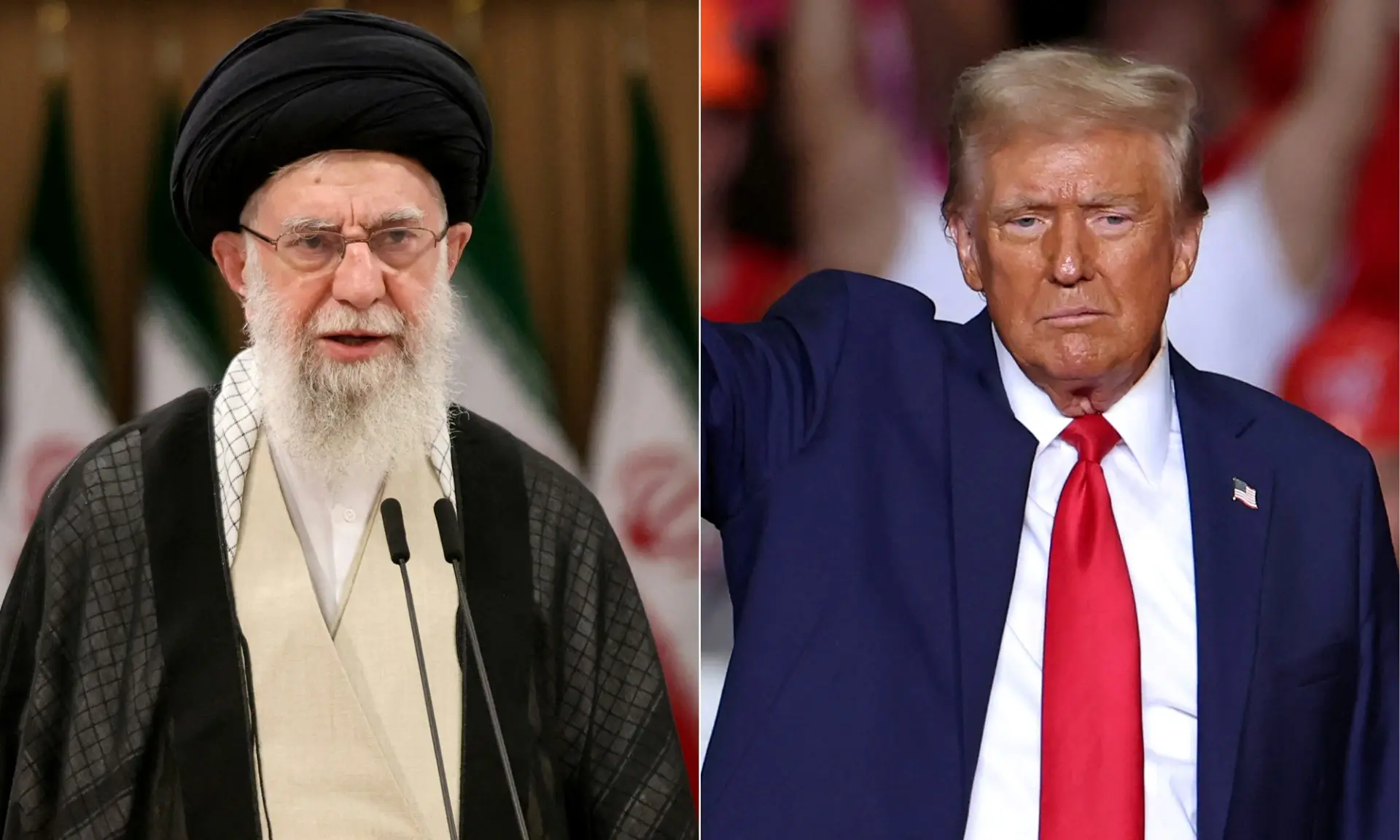
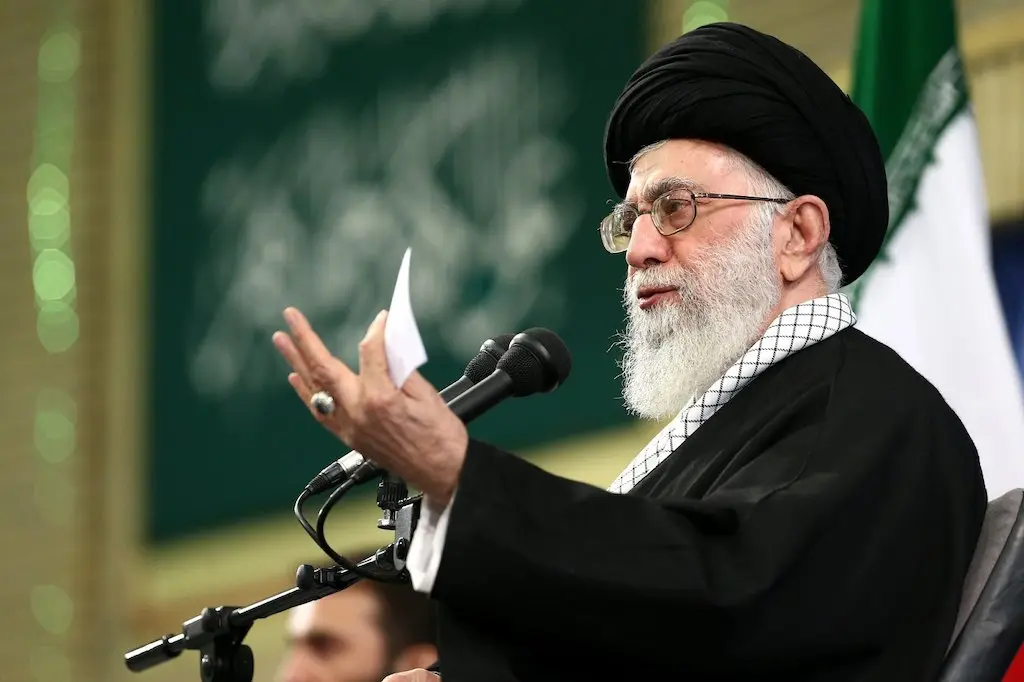
The timing creates a power vacuum as questions swirl around the health of Supreme Leader Ayatollah Ali Khamenei. Uncertainty over his successor has fractured the elite, making the state less decisive in its crackdown compared to previous years.
Striking where it hurts
Crucially, workers in the vital oil and gas industries have joined the strikes, threatening the state’s primary revenue stream. This echoes the tactics of the 1979 revolution, hitting the regime’s wallet directly rather than just filling the streets.
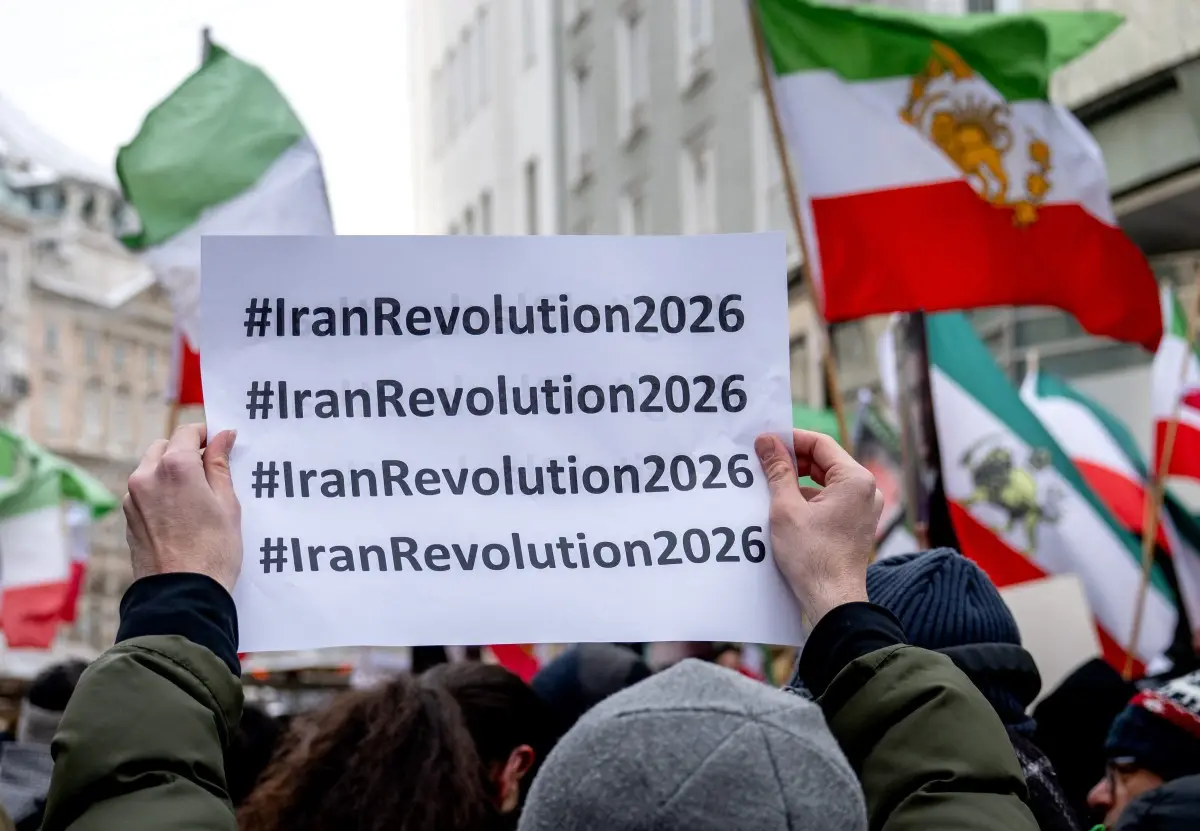
The end of reformism No middle ground left
Previous movements often hoped for reform within the system, but this wave demands a complete overthrow. The slogan "Reformists, hardliners, the game is over" signals that the public no longer believes in political solutions, leaving the regime with no diplomatic exit route.
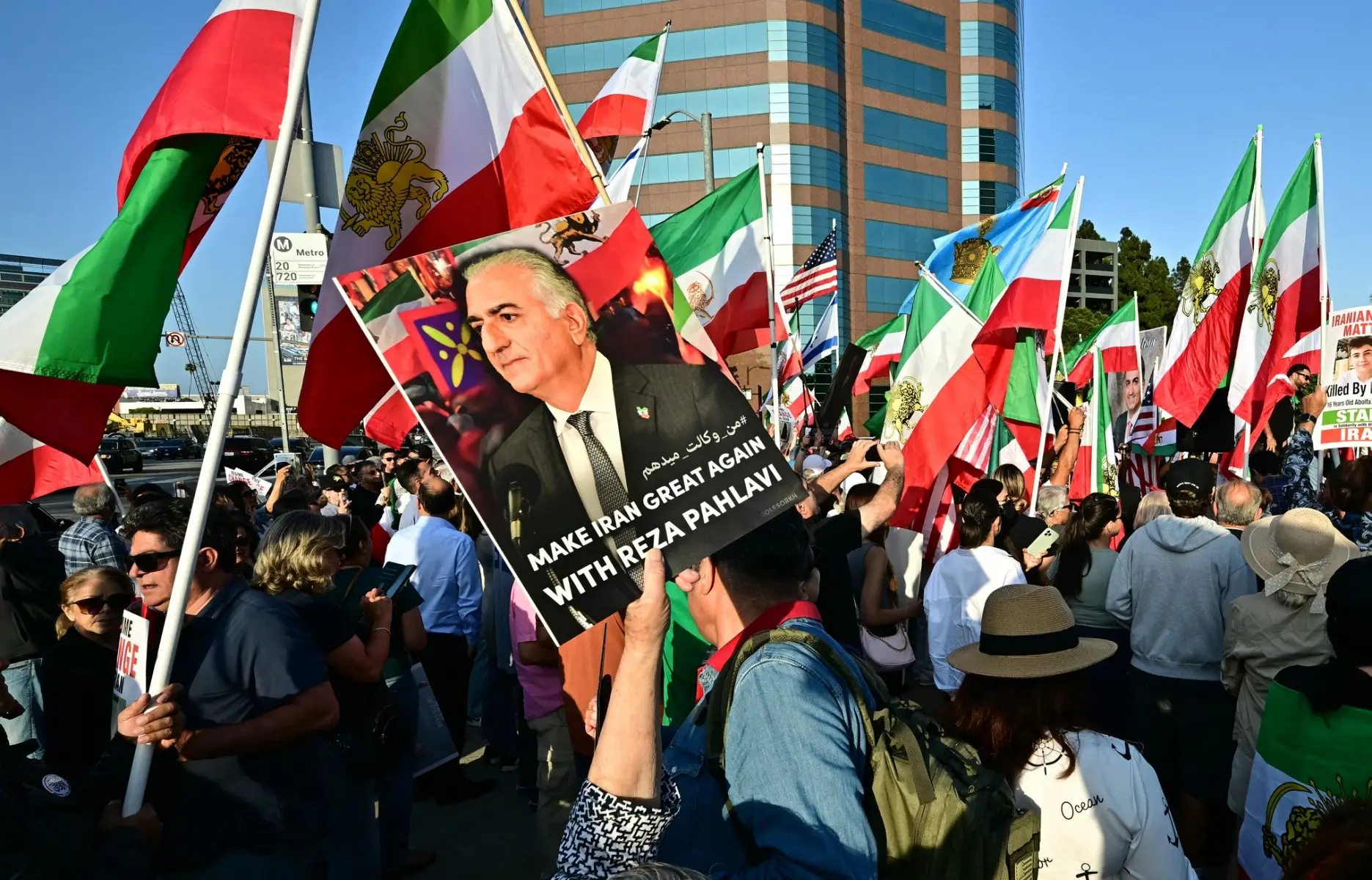
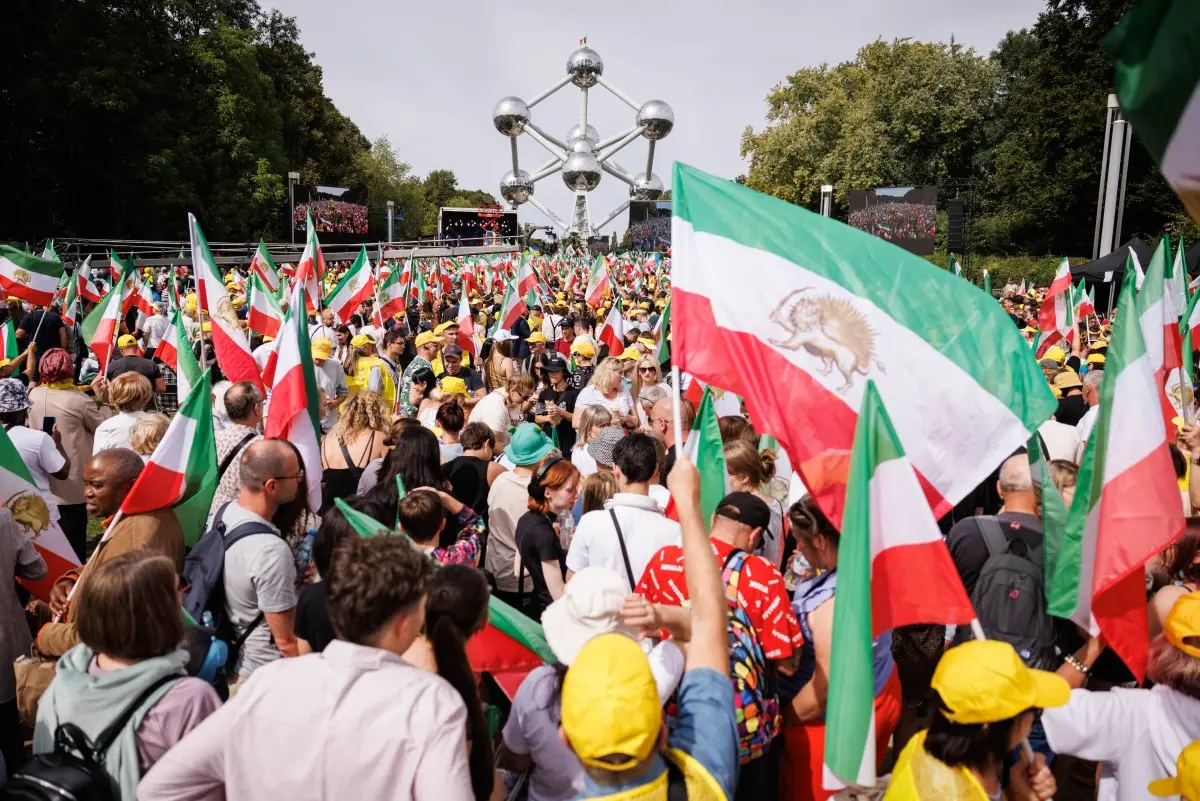
Cross-class unity Bazaars and universities unite I
In 2022, protests were often led by Gen Z and women; today, traditional merchants (Bazaaris) and pensioners have joined in. This rare cross-class alliance strips the government of its traditional support base among the conservative poor.
Exhausted security forces Fatigue in the ranks
After years of continuous unrest, reports suggest morale is slipping within the security forces. Constant deployment has led to fatigue and hesitation among lower-ranking conscripts, making the 'iron fist' of the state less reliable than in previous crackdowns.
Digital resilience
Protestors have adapted to state censorship using Starlink terminals and mesh networks.
This allows coordination to continue despite internet shutdowns, preventing the regime from isolating cities and hiding the scale of the unrest from the world.
)
)
)
)
)