The day an F-22 was forced to land in Alaska after losing power! Here’s what happened...

Air Force officials confirmed that the malfunction involved the landing gear, though specifics remained under investigation.
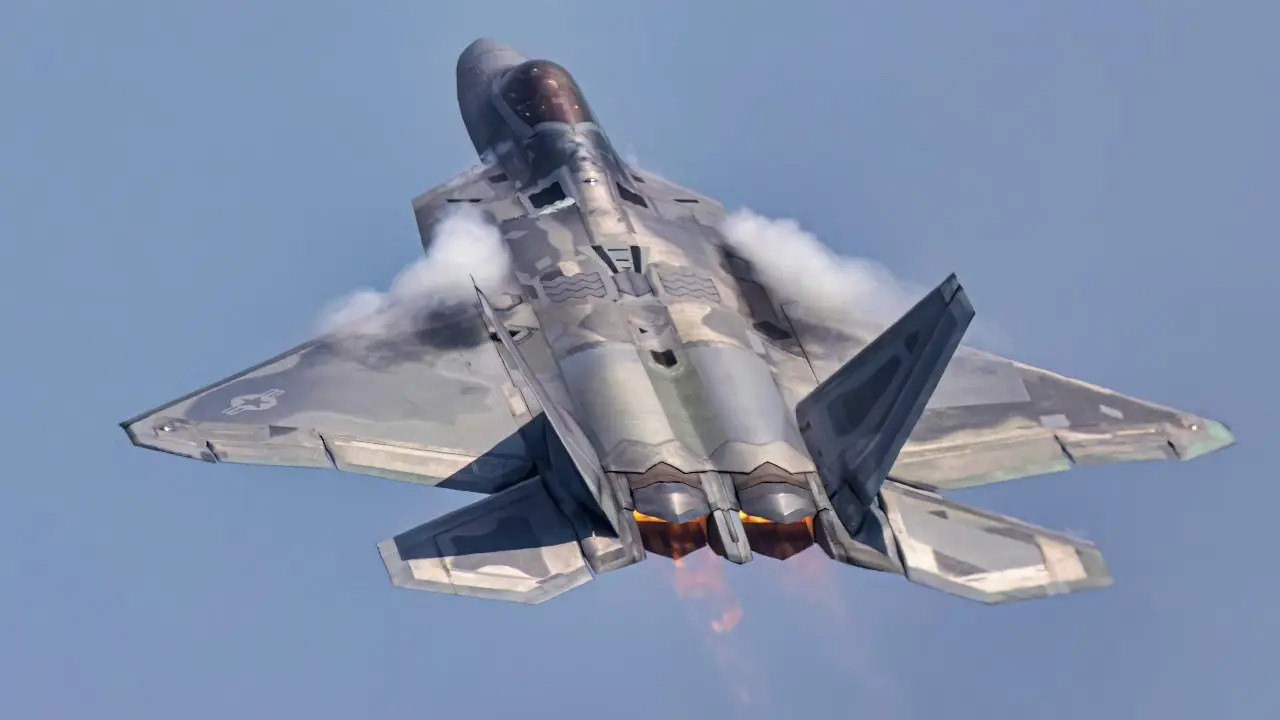
A startling emergency in the far north
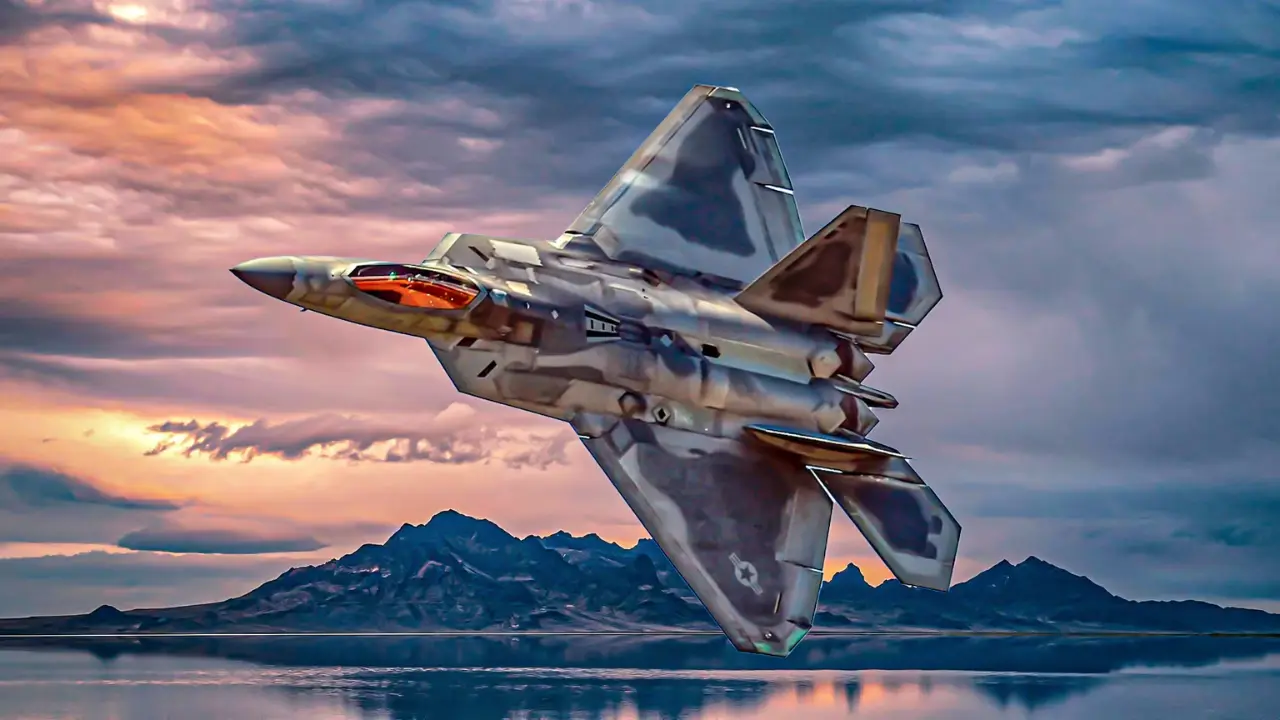
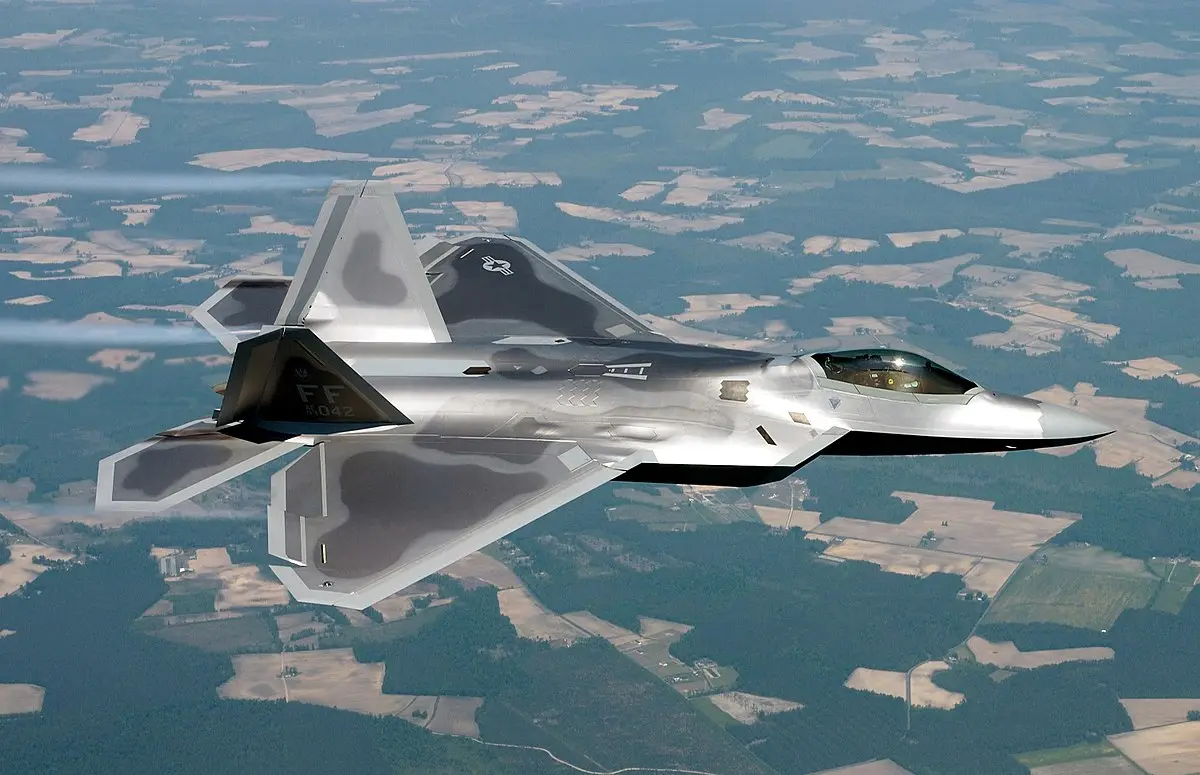
During routine operations at Joint Base Elmendorf-Richardson in Alaska, an F-22 Raptor unexpectedly encountered a landing-gear malfunction in October 2018. The aircraft made an emergency touchdown on the runway, but did not stop. It came to rest partially off the tarmac and on its side, a horrifying end to what began as a routine flight. Miraculously, the pilot escaped without injury. The incident marked the third such F-22 event at the base that year.
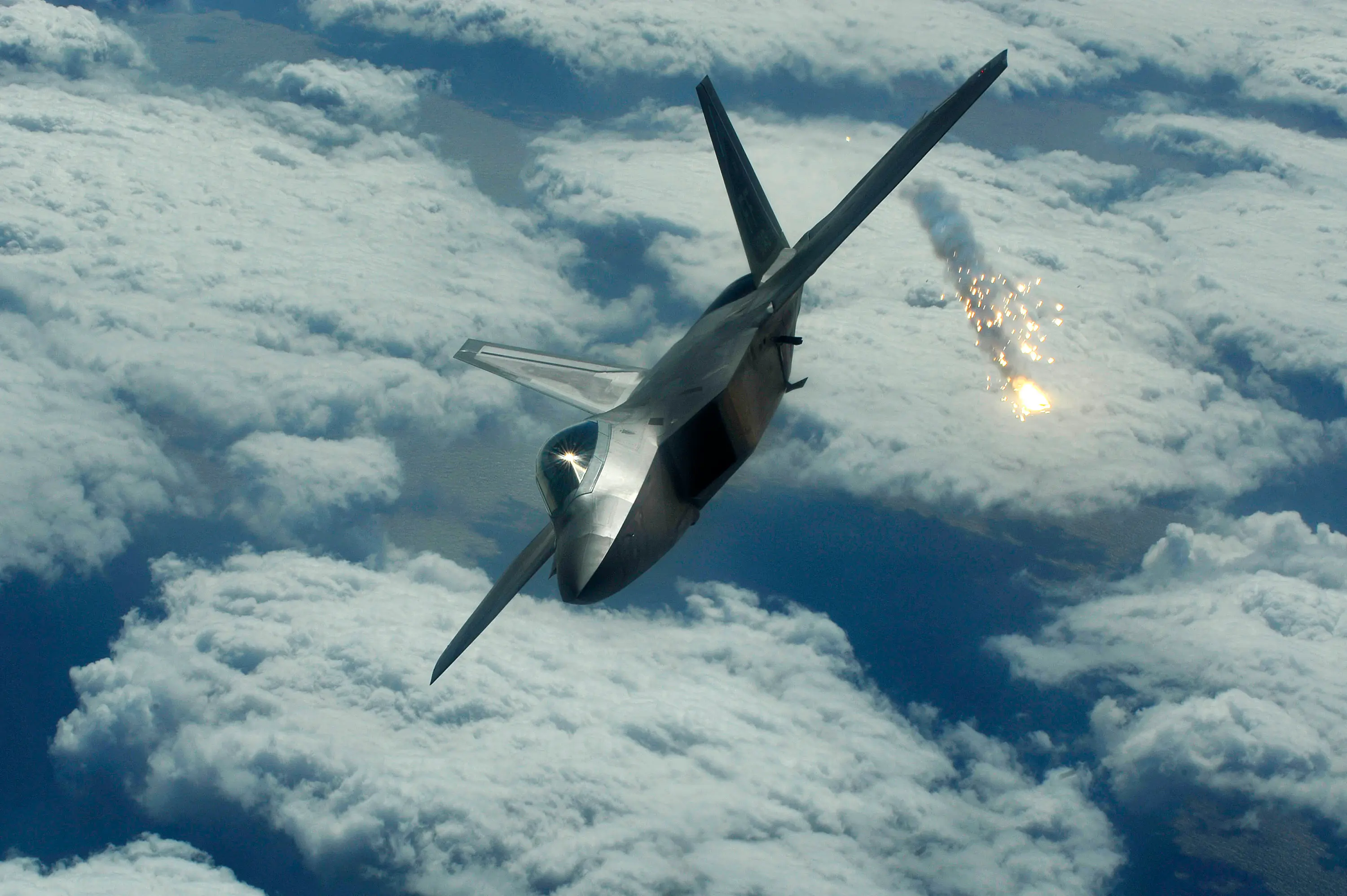
A malfunction that forced a gripping landing
The US Air Force officials confirmed that the malfunction involved the landing gear, though specifics remained under investigation. Initial reports characterised the event as an emergency landing, shifted to a forced outcome by mechanical failure. Within hours of touchdown, the aircraft was surrounded by emergency responders, underlining the gravity of the incident, even without a fire or injury.
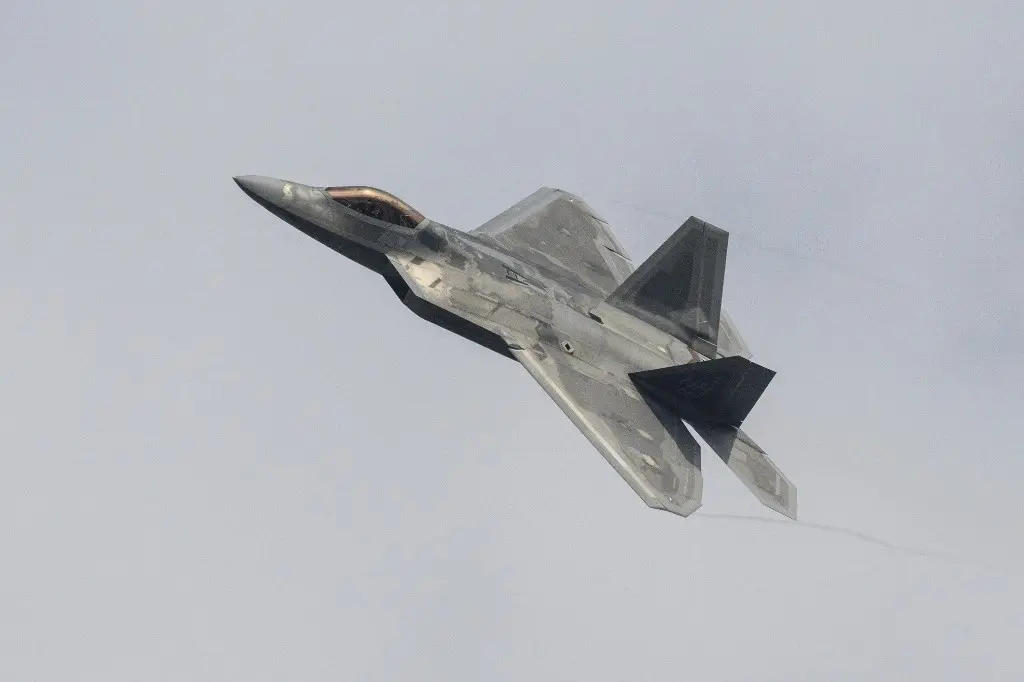
A series of mishaps at the same base
This was not an isolated event. Earlier in 2018, another F-22 deployed from Elmendorf suffered engine failure during training at Tyndall AFB, leading to a safe return. Shortly after, yet another experienced engine trouble during take-off at Fallon, Nevada, culminating in a belly-skid landing. These multiple mishaps intensified scrutiny over F-22 reliability and safety measures.
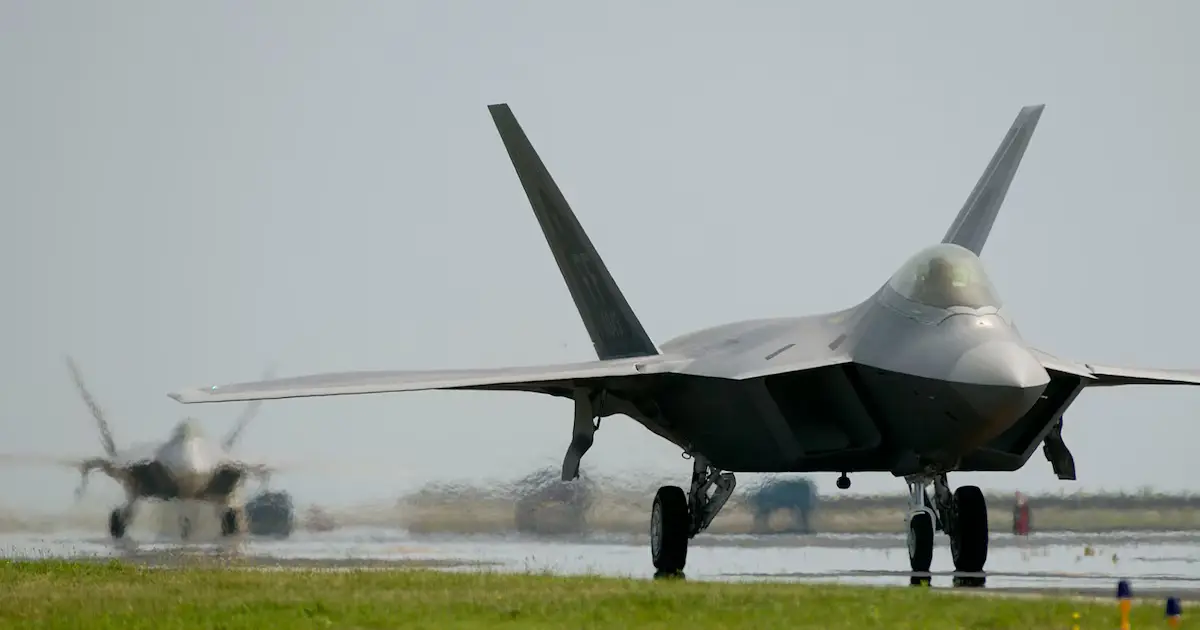
Implications for fleet readiness
Each F-22 is an irreplaceable asset. With only a limited number in service, any aircraft removed from availability disrupts training schedules, deployment readiness, and mission planning. Even temporary sidelining due to repair needs can translate into consequential capability gaps. The 2018 spate of incidents at Elmendorf forced commanders to revisit maintenance protocols and operational risk assessments.
The broader context of F-22 safety
This incident formed part of a broader pattern of F-22 emergencies, from canopy failures to hypoxia concerns. Though this particular case involved landing gear, the cumulative effect of prior issues highlighted the difficulty of managing cutting-edge technology under demanding conditions. It reinforced the critical importance of robust systems engineering, fault-tolerant design, and crew discipline.
Conclusion: a narrow escape, a continued challenge
The emergency landing in Alaska was a stark reminder that even the most advanced aircraft remain vulnerable to mechanical failure. In this instance, the pilot’s safe escape avoided tragedy. Yet the incident added pressure to maintain operational safety within the tightly managed F-22 fleet.
)
)
)
)
)