'The Crisis Protocol': How international fraudsters are using AI voice clones to target defence executives

International cybercriminals are using advanced AI voice cloning to impersonate senior military officials, tricking defence executives into authorising fraudulent wire transfers during fake emergencies.
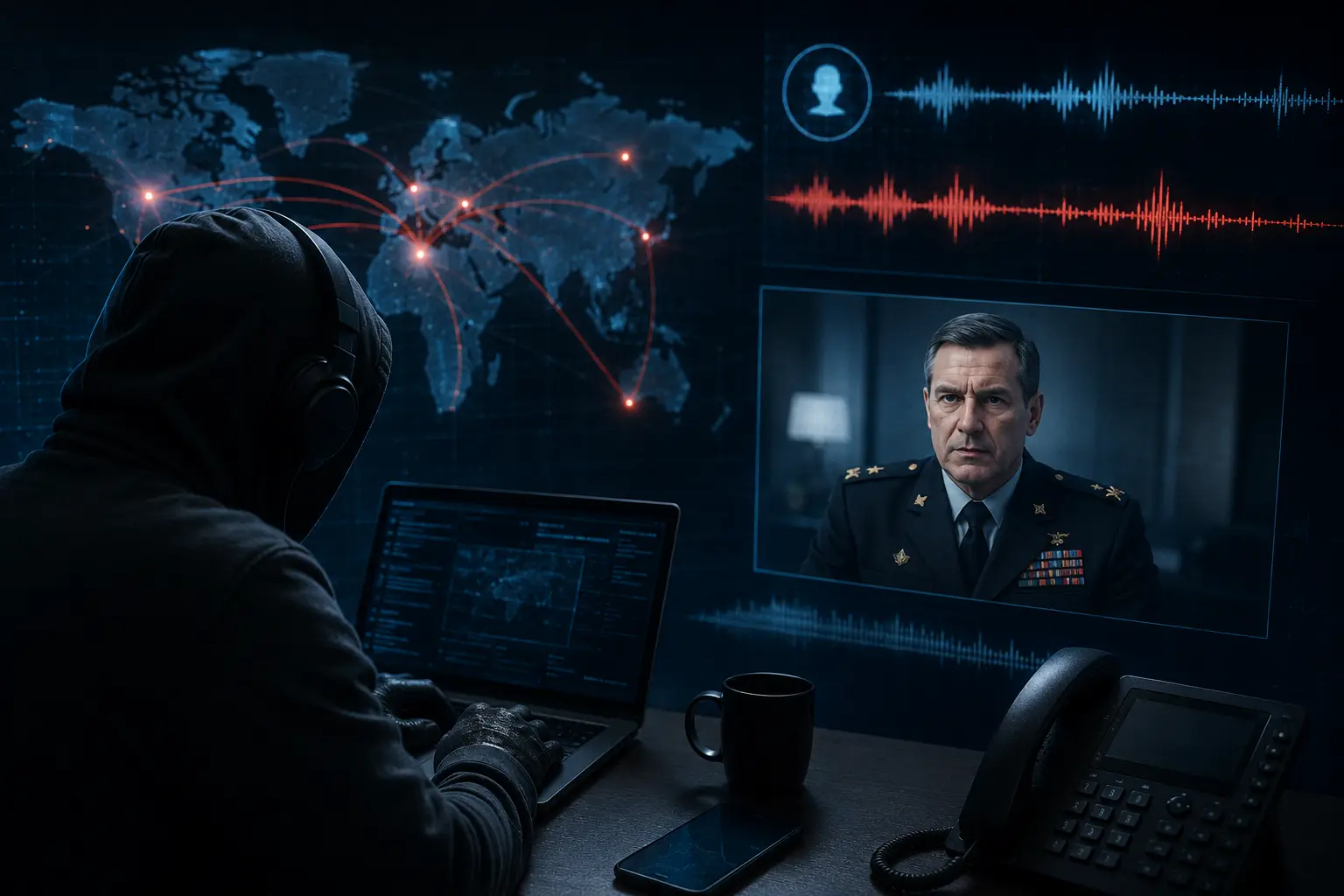
The intelligence gathering phase
Scammers begin by scraping public interviews and social media videos of high-ranking military officials to gather audio samples. They use these short clips to train advanced AI models, accurately replicating the target's unique speech patterns and tone.

Triggering the fake emergency
Fraudsters initiate the attack by calling a defence executive and claiming a high-stakes emergency, such as a compromised supply chain. They routinely use caller ID spoofing to make the incoming call look exactly like a secure corporate line.

Bypassing security protocols
The AI-cloned voice asserts authority and demands immediate action to resolve the fabricated crisis. The primary goal is to pressure the executive into quickly wiring funds or sharing sensitive contract data while bypassing standard security checks.
The cost of deepfake fraud
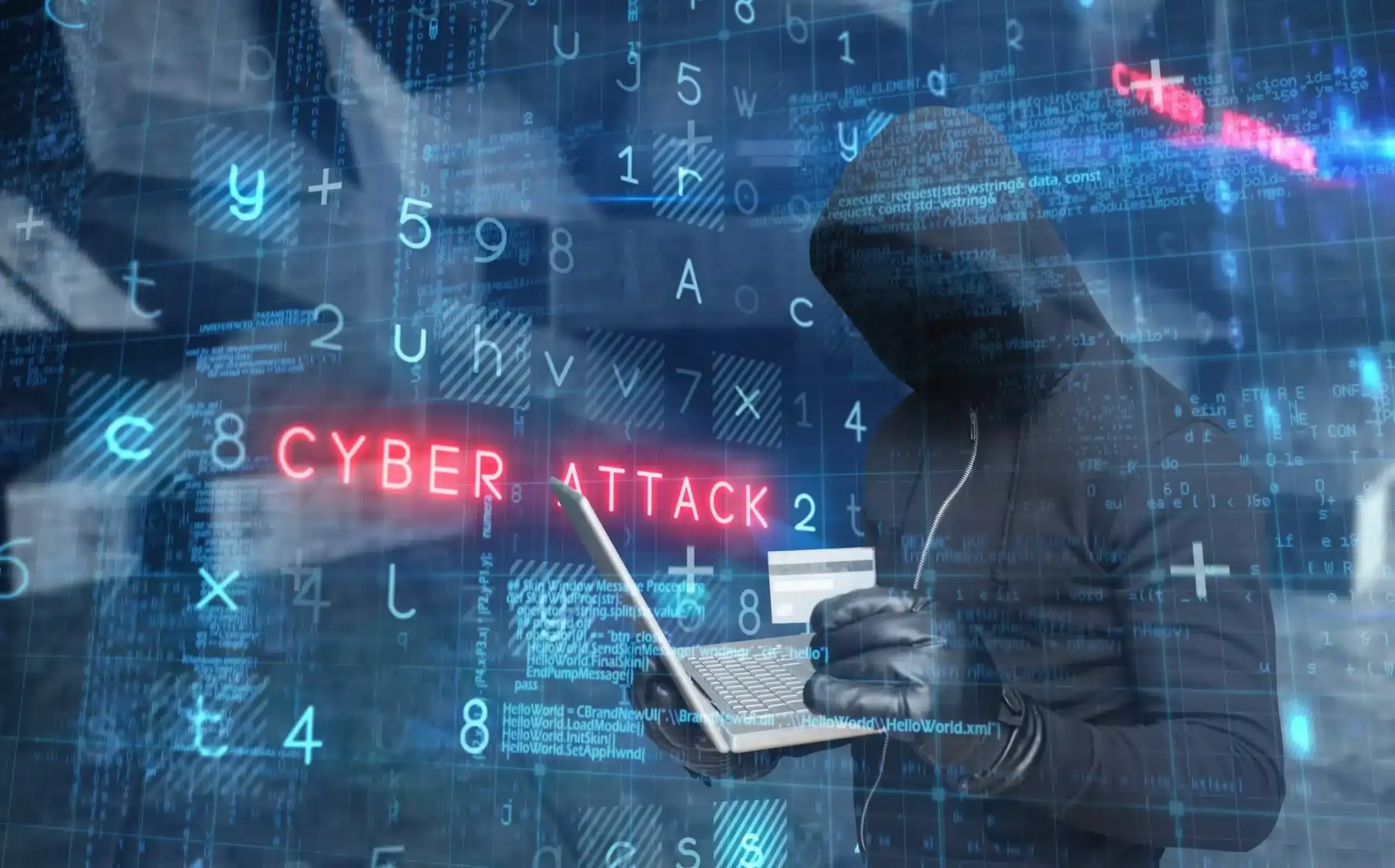
These highly targeted voice impersonation scams are becoming incredibly lucrative for international criminal networks. The FBI recently reported that AI-related fraud complaints accounted for more than $893 million in financial losses.

Establishing human verification
Defence contractors are actively updating their security frameworks to combat these invisible threats. Security experts now mandate the use of out-of-band verification and pre-established safe words to confirm a caller's true identity before authorising transactions.
)
)
)
)
)