The B-52 bomber was supposed to retire decades ago: Why the US military refused to retire it

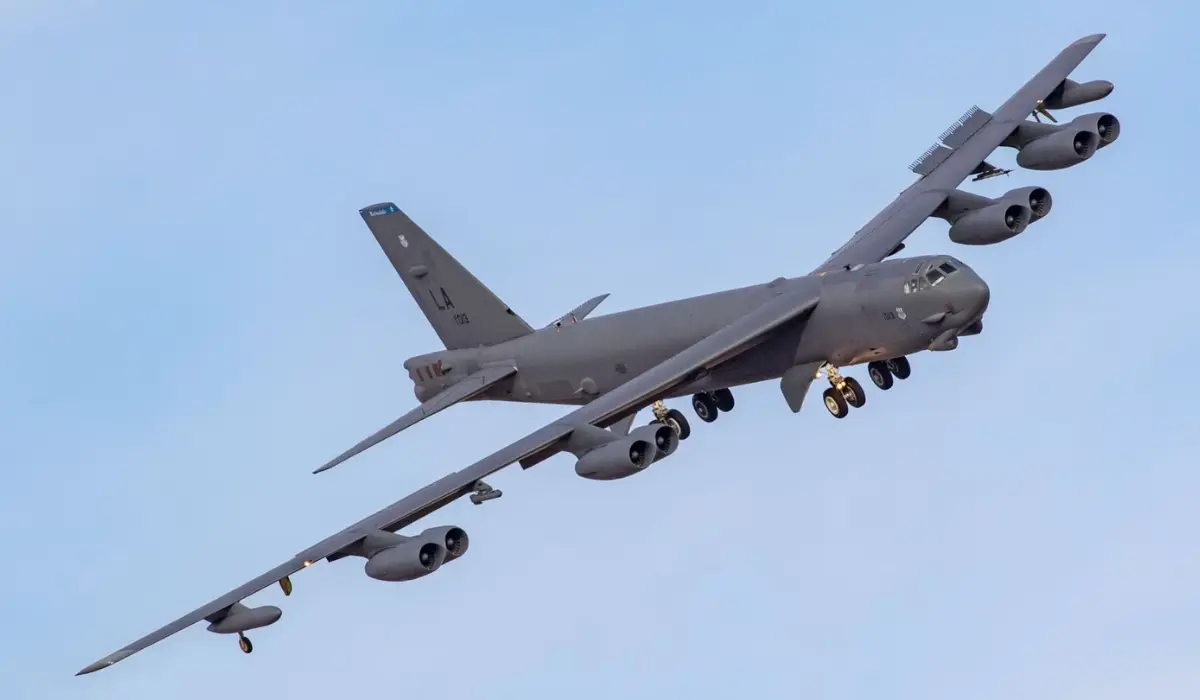
The B-52 is vastly cheaper to operate than newer stealth bombers. Overbuilt and highly adaptable, it serves as a massive airborne missile truck, launching long-range standoff weapons from safe airspace to achieve 100 years of service.

Over-Engineered from Birth
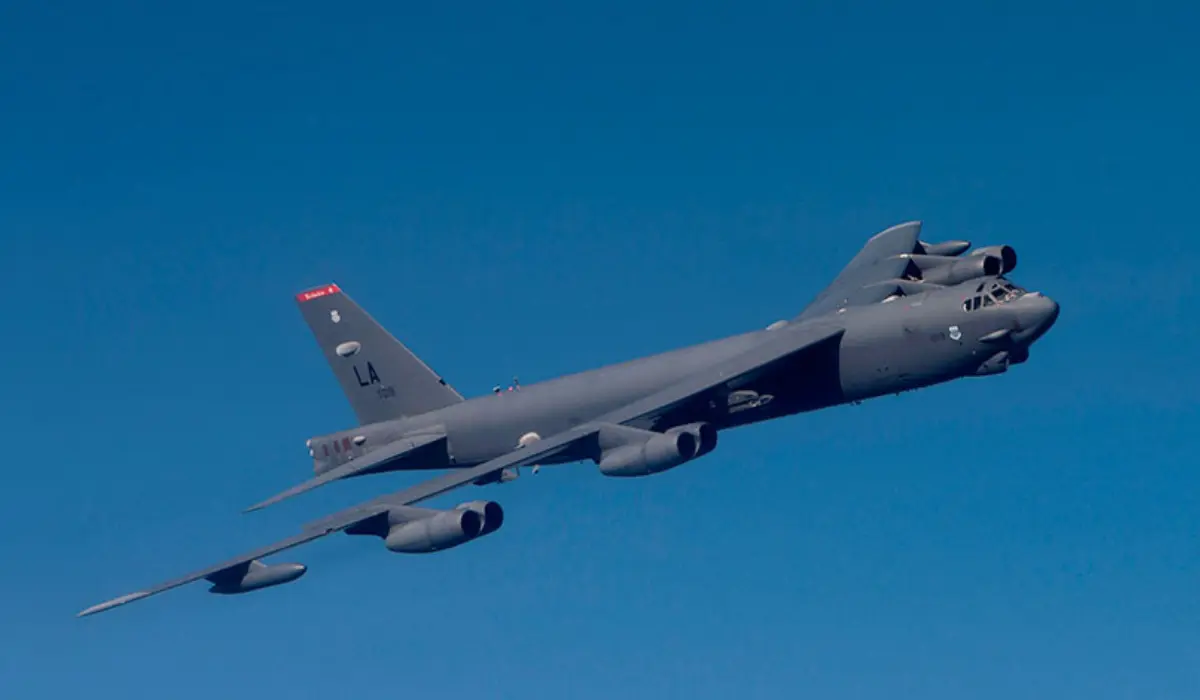
While its intended replacements suffered from intense structural fatigue, the Boeing B-52 Stratofortress was heavily overbuilt for its original nuclear mission. Despite being designed in the 1950s, the B-52's simple, robust airframe has accumulated far fewer flight hours relative to its absolute structural limits.
A Fraction of the Cost
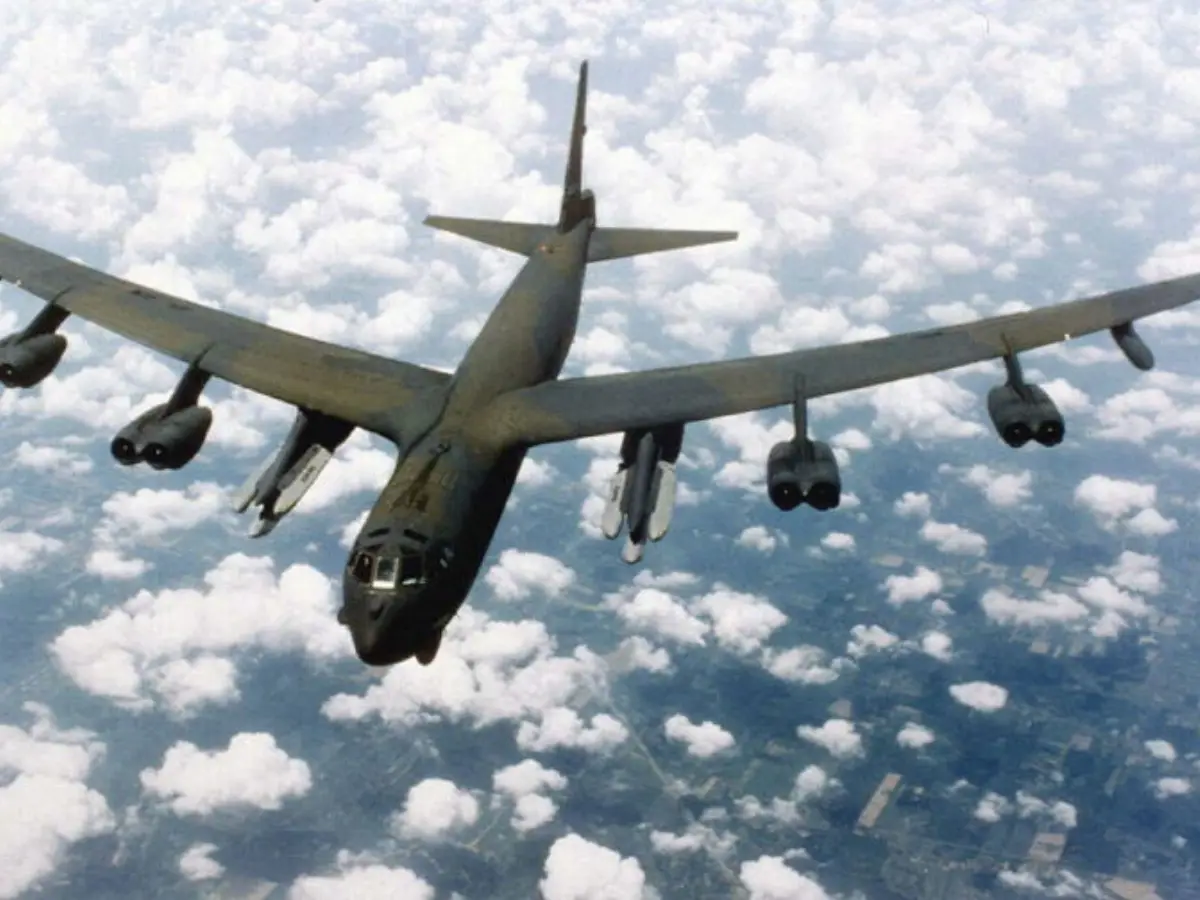
Newer strategic bombers rely on highly sensitive radar-absorbent skins and complex variable-geometry wings, making them incredibly expensive to maintain. Operating the conventional B-52 is vastly cheaper per flight hour than flying either the B-1 Lancer or the multi-billion dollar B-2 Spirit stealth bomber.
The Ultimate Missile Truck
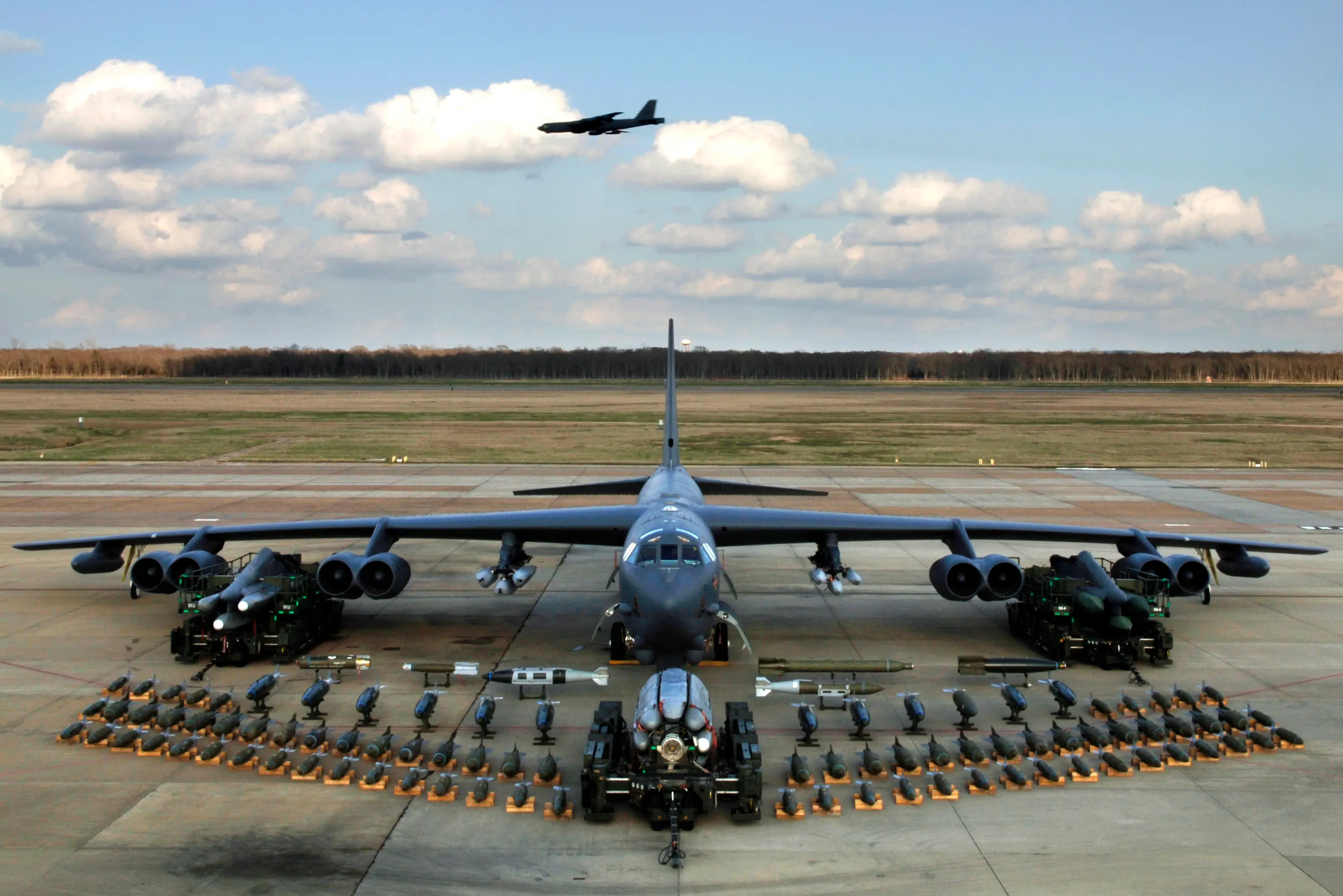
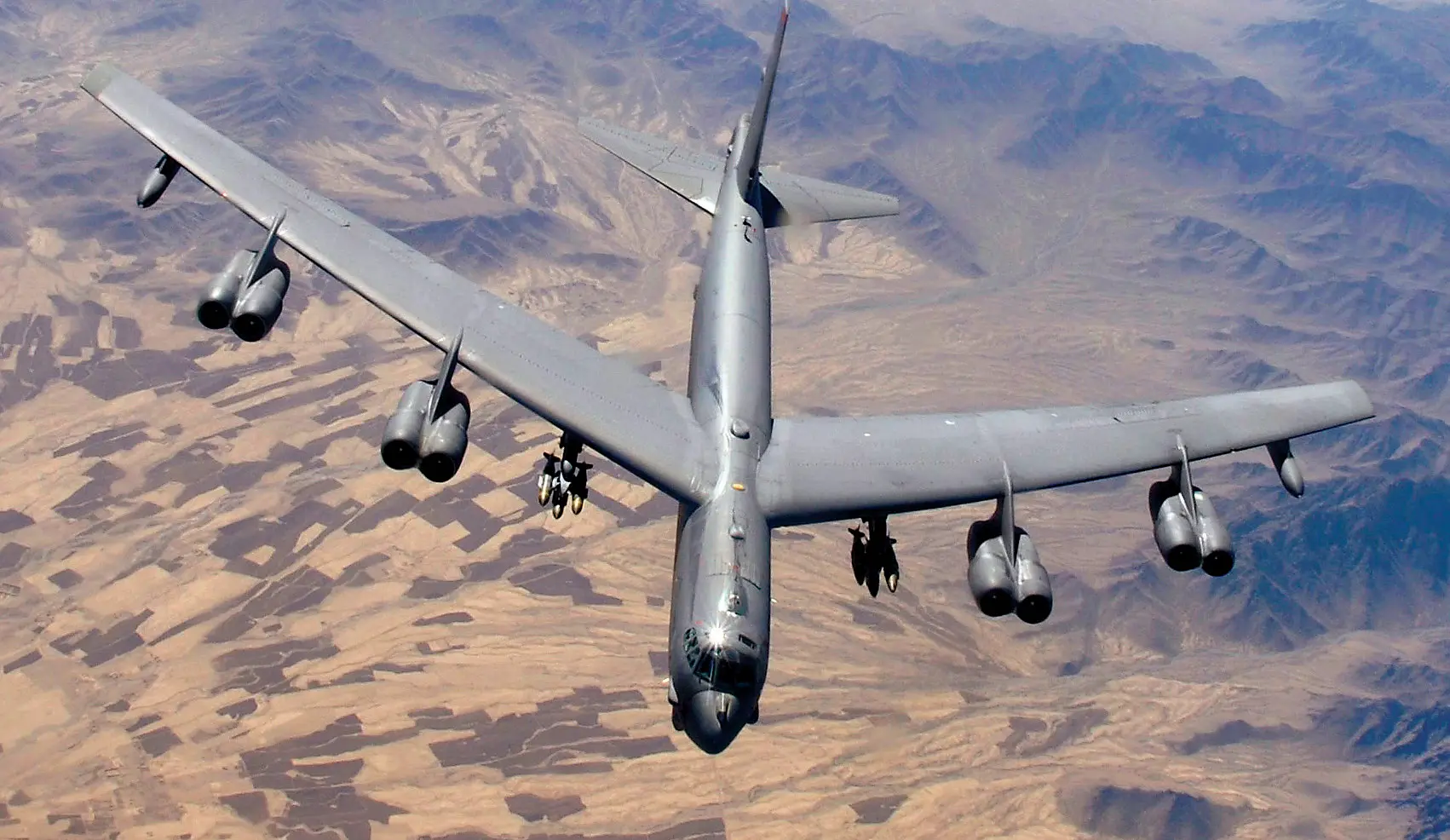
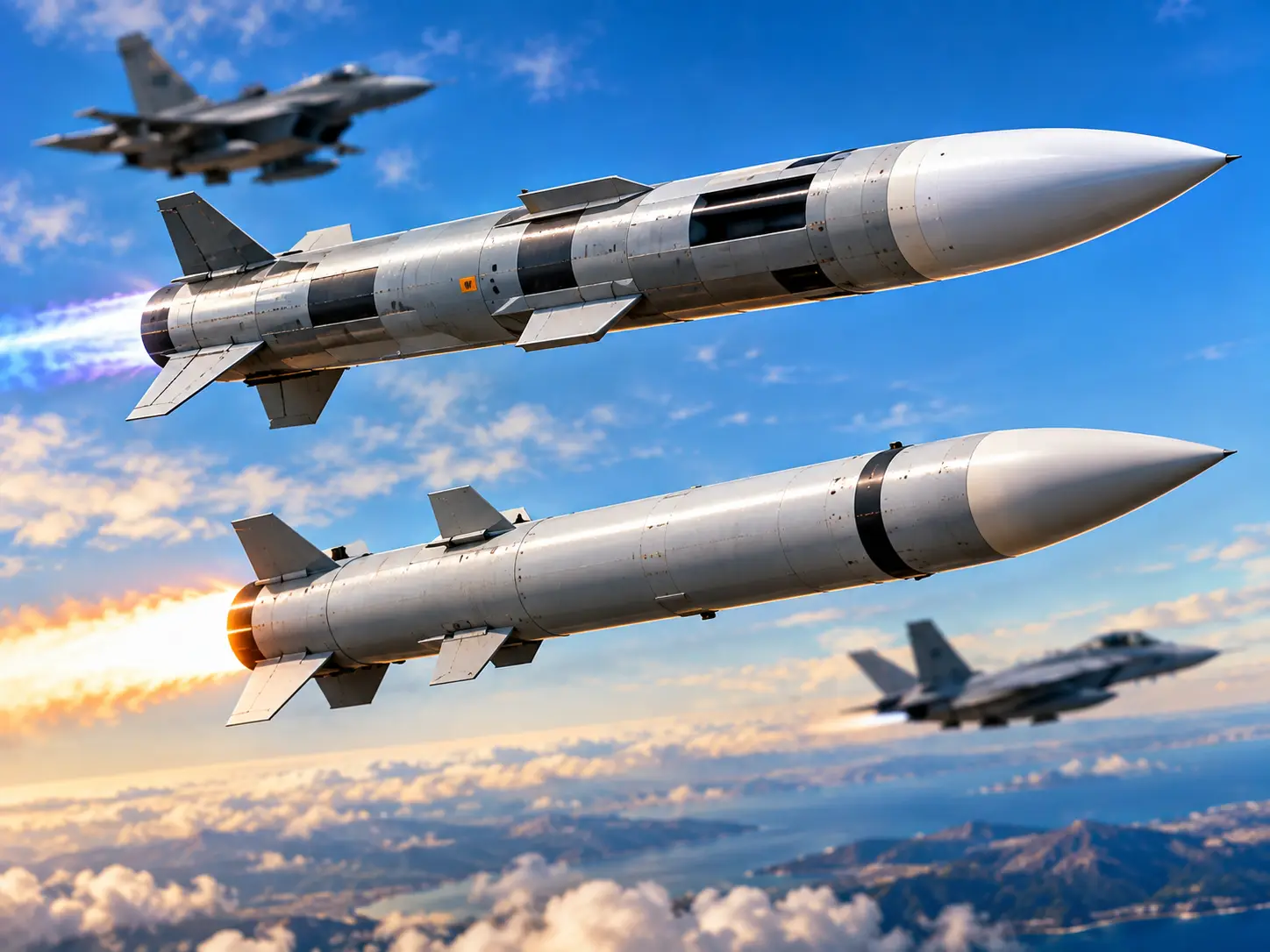
As modern air defences became lethal, the B-52 stopped flying low-level penetration missions and adapted into an airborne missile truck. With its enormous internal volume and external pylons, it simply loiters in safe airspace and launches next-generation standoff weapons from hundreds of miles away.
The B-1 Fatigue Factor
The Rockwell B-1 Lancer was specifically designed to replace the B-52, but two decades of hard, low-level flying in the Middle East severely wore out its airframes. Some of these younger B-1 bombers require between USD 10 million and USD 30 million each just to remain flightworthy.
The B-2 Maintenance Nightmare
The Northrop Grumman B-2 Spirit is also slated for retirement before the B-52 due to the astronomical costs of sustaining its bleeding-edge technology. With a tiny fleet of just 19 active aircraft, supply chains dried up, forcing mechanics to cannibalise older planes to keep the fleet flying.
The Hammer and Anvil
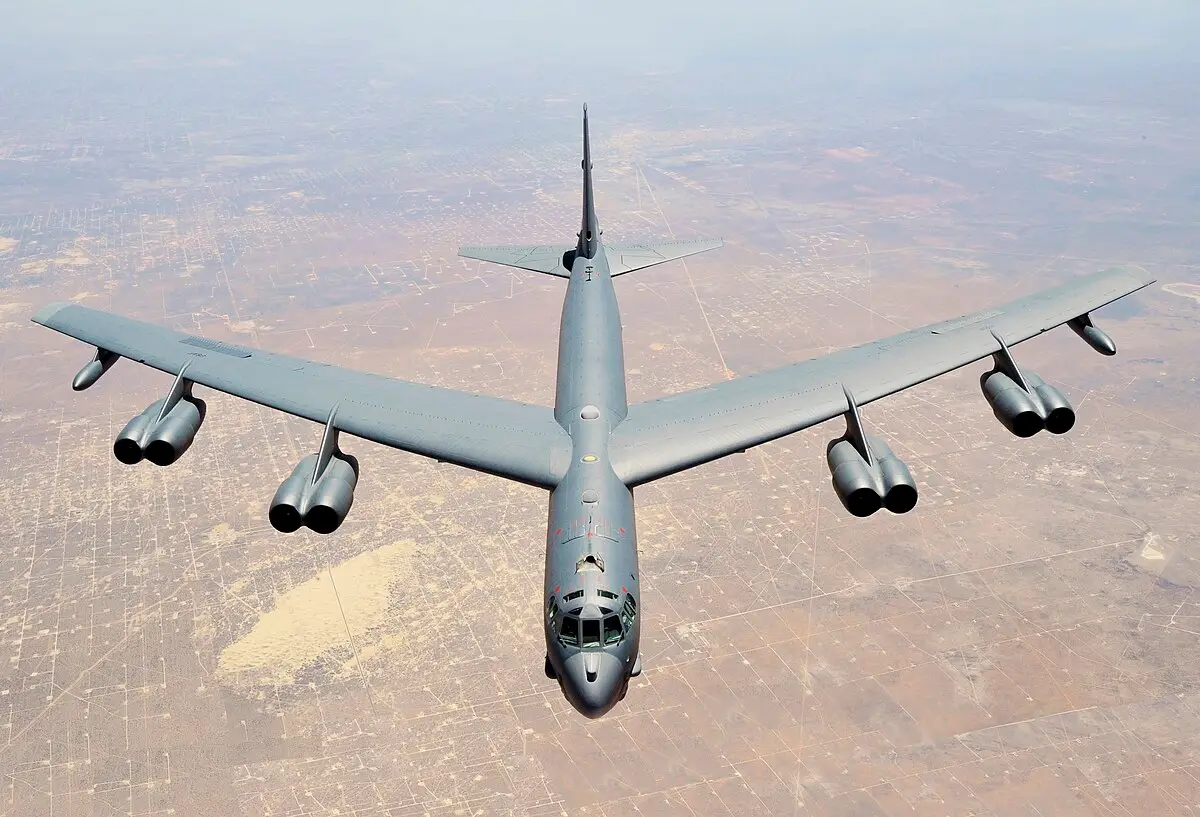
Instead of retiring the B-52, the US military is pairing it with the upcoming B-21 Raider stealth bomber in a new ‘hammer and anvil’ strategy. The stealthy B-21 will act as the hammer, penetrating enemy airspace, while the B-52 provides massive, sustained standoff firepower from the periphery.
The Century Bomber
Through a massive USD 48.6 billion modernisation programme that includes new Rolls-Royce engines, the redesignated B-52J is receiving a new lease on life. This comprehensive overhaul ensures the iconic aircraft will outlive its replacements and achieve an unprecedented 100 years of active service.
)
)
)
)
)