'The B-52 bomber's incredible range': How far can it fly on a single tank of fuel?

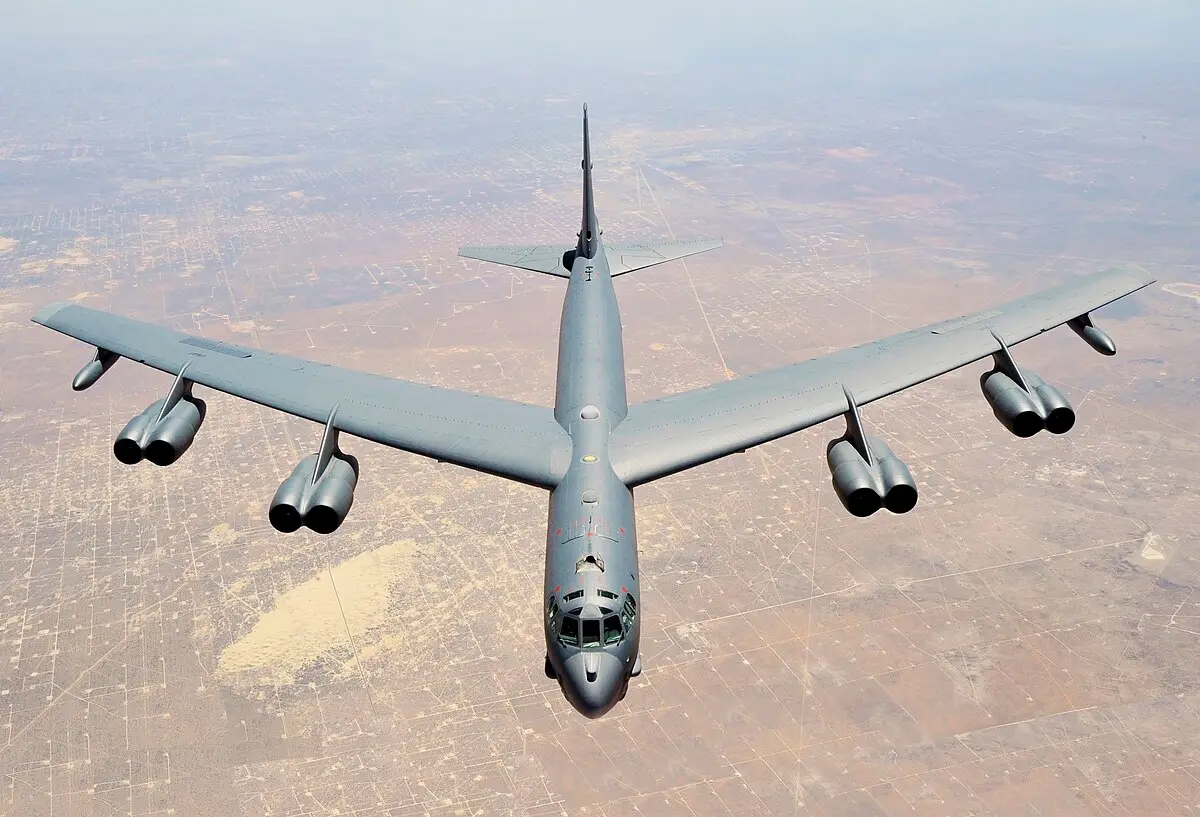
The B-52 bomber flies an incredible 8,800 miles without refuelling, carrying 312,000 pounds of fuel. Upcoming Rolls-Royce engine upgrades will slash fuel burn by 30 per cent, allowing the bomber to strike global targets entirely independently.
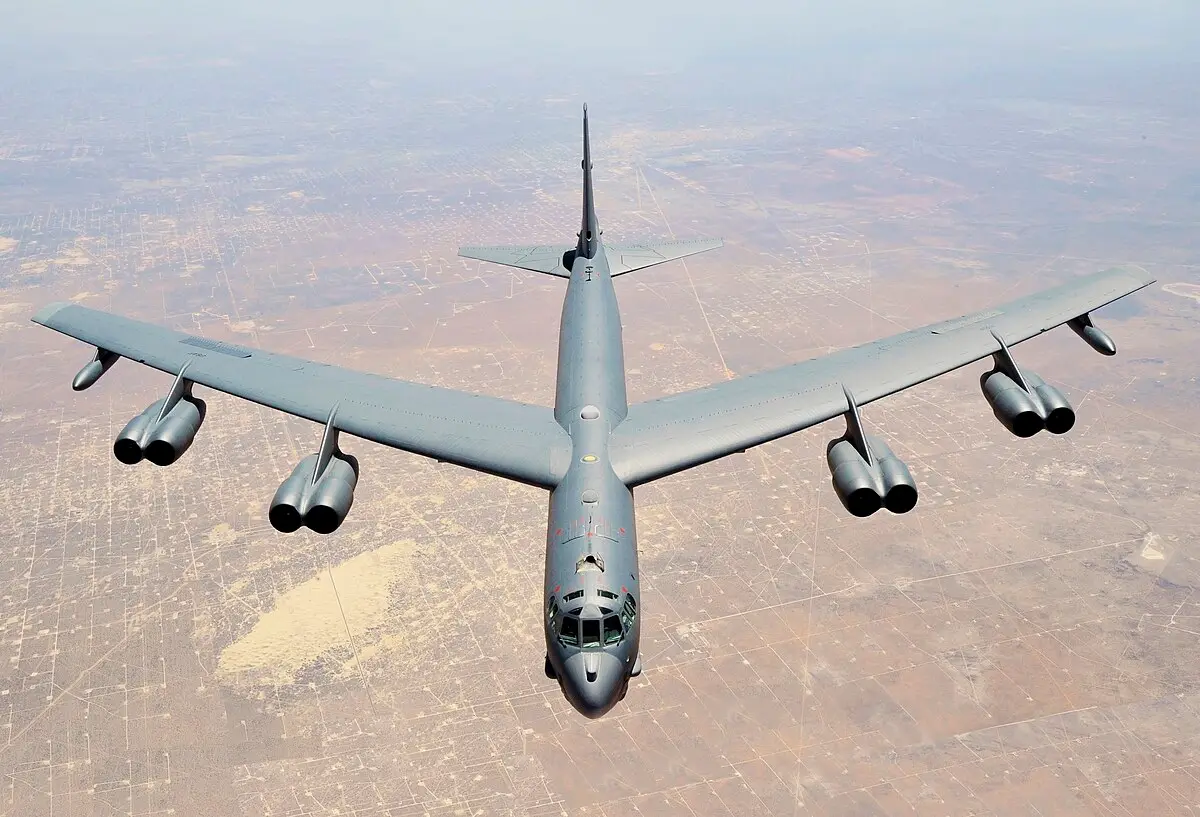
The 8,800-Mile Baseline
The Boeing B-52 Stratofortress boasts an unrefuelled combat range of approximately 8,800 miles. This massive endurance allows the heavy bomber to launch from the United States and strike targets deep within hostile continents without stopping.
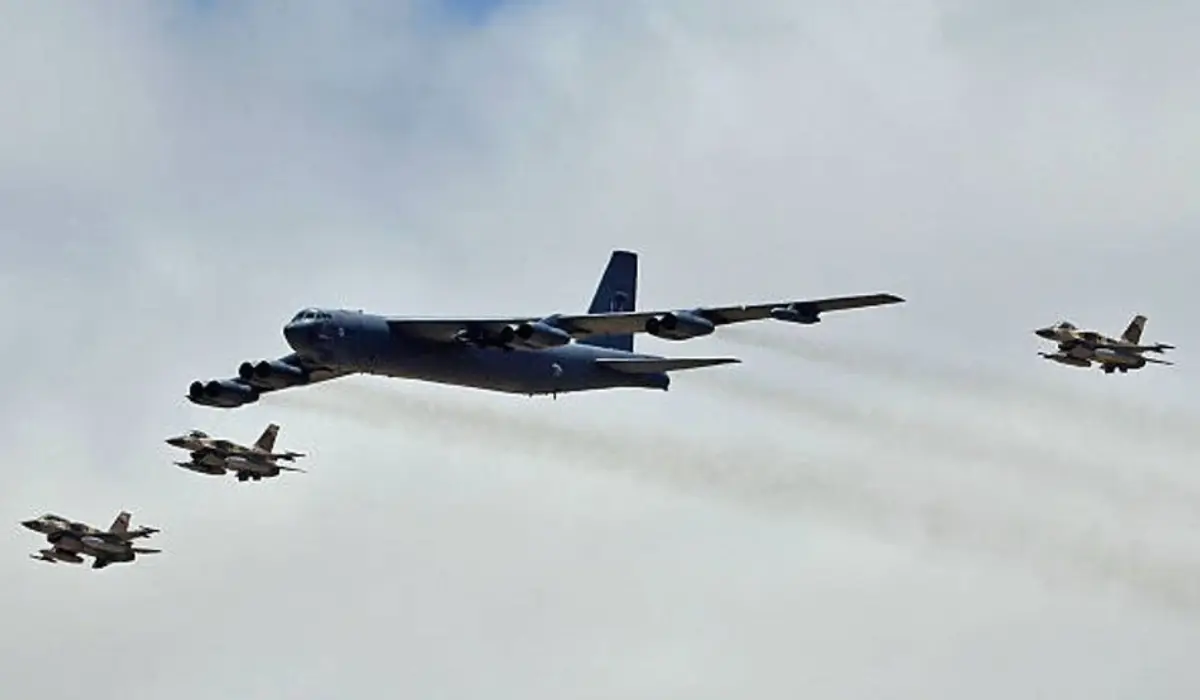
The Flying Fuel Tank
To achieve this transcontinental reach, the massive aircraft practically operates as a flying fuel tank. The B-52 carries over 312,000 pounds of highly refined aviation fuel inside its cavernous wings and fuselage.
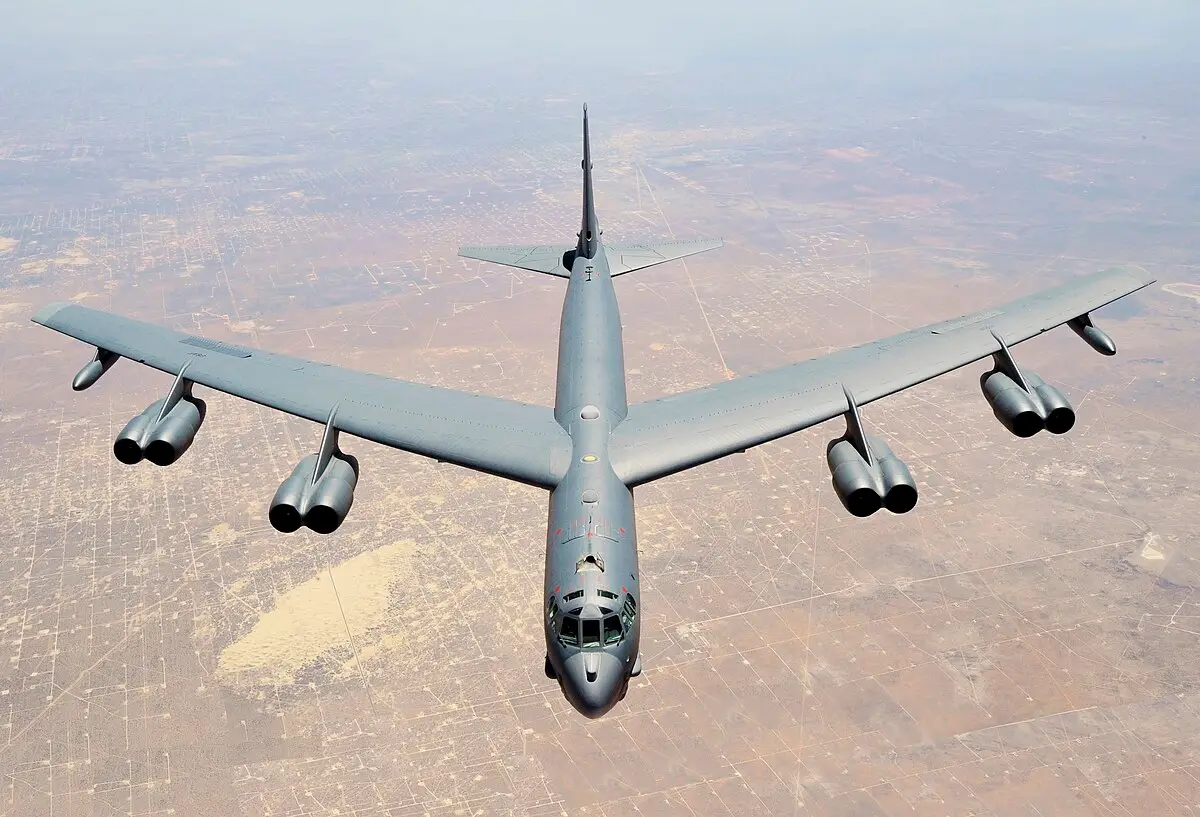
The Human Limit
When supported by mid-air tanker planes, the B-52's range is limited only by human endurance. During Operation Secret Squirrel in 1991, seven B-52s flew a continuous 35-hour, 14,000-mile combat mission to launch cruise missiles at Iraq and return home.
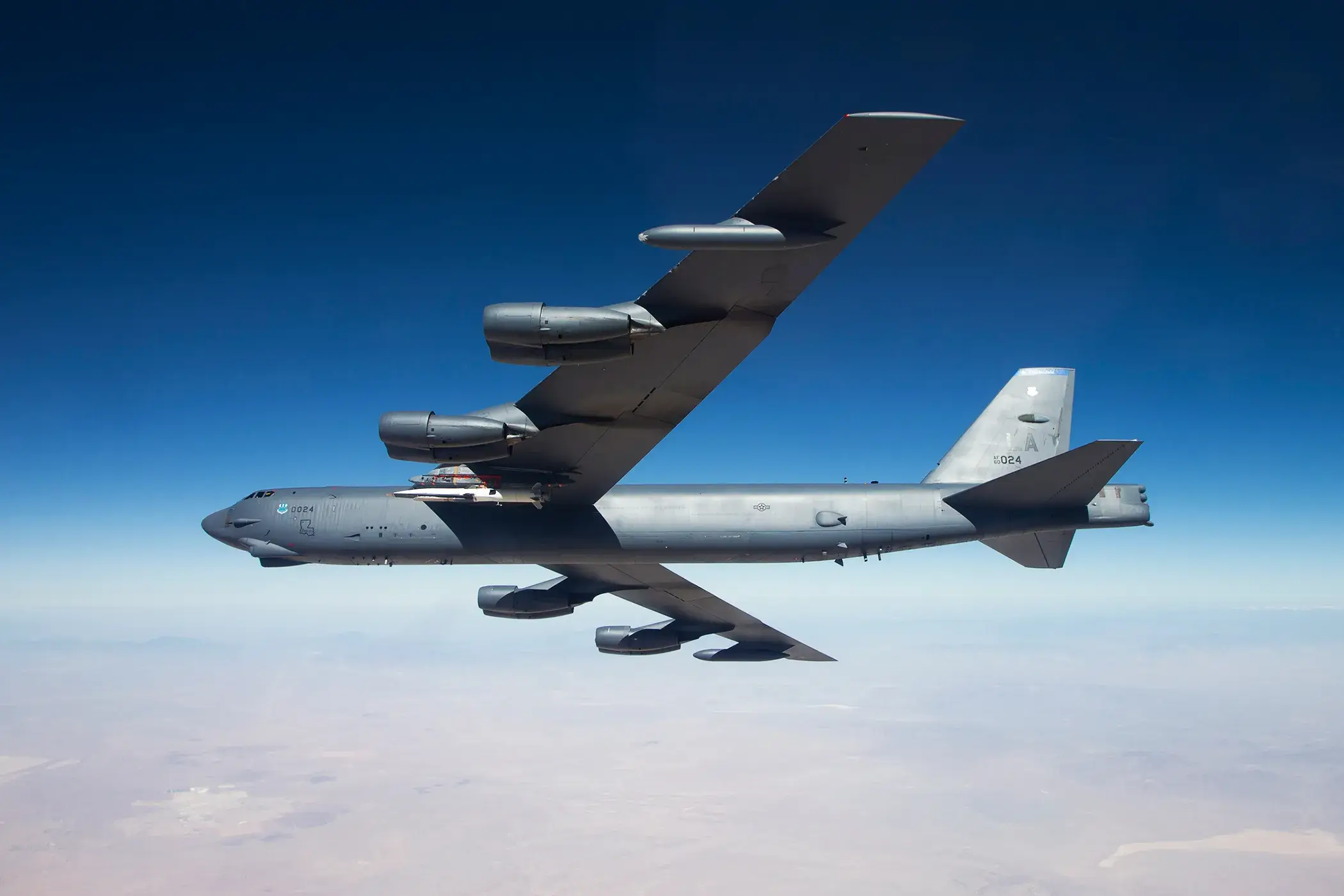
The Rolls-Royce Upgrade
The Pentagon is currently executing a massive USD 48.6 billion overhaul to replace the bomber's inefficient Cold War-era turbofans. The new Rolls-Royce F130 engines will drastically cut the aircraft's fuel consumption by roughly 30 per cent.
Expanding the Global Reach
By burning significantly less fuel, the upgraded B-52J variant will push its unrefuelled operational range well beyond its original limits. This allows the bomber to loiter over the Pacific for hours, waiting for digital strike coordinates without requiring a tanker.
Bypassing the Tanker Crisis
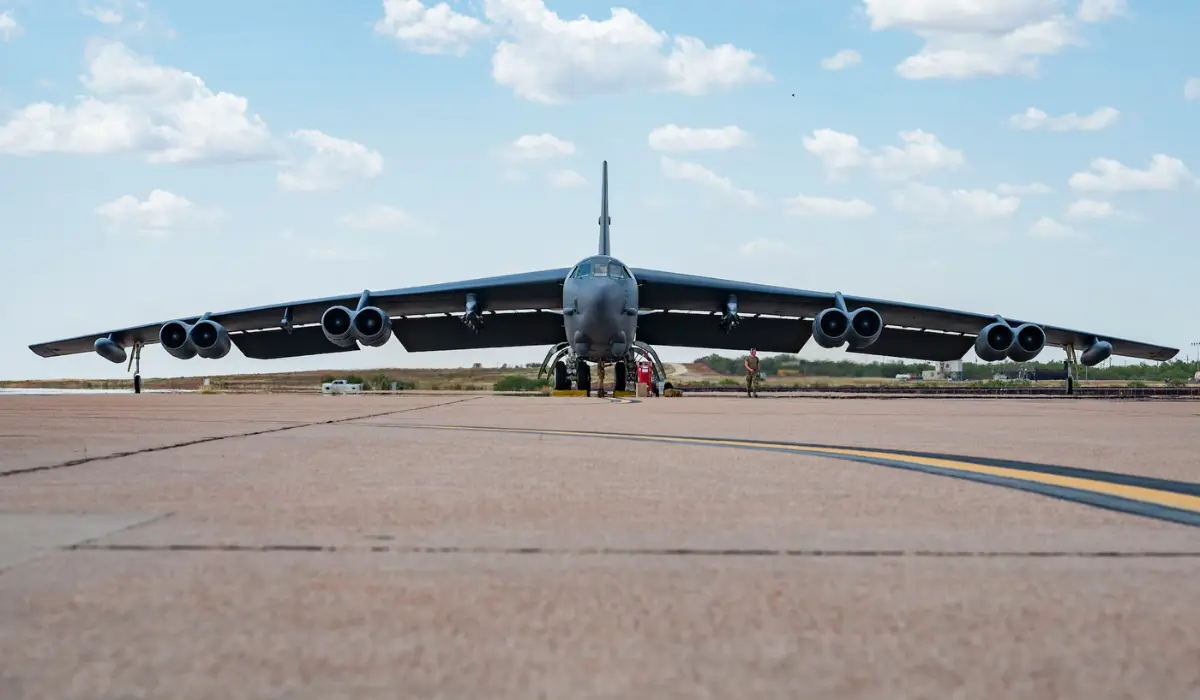
Modern air combat relies heavily on vulnerable mid-air refuelling aircraft, which adversaries actively target. The B-52's massive internal fuel capacity allows it to bypass these risky refuelling zones, executing deep standoff strikes entirely independently.
Lethal Standoff Distance
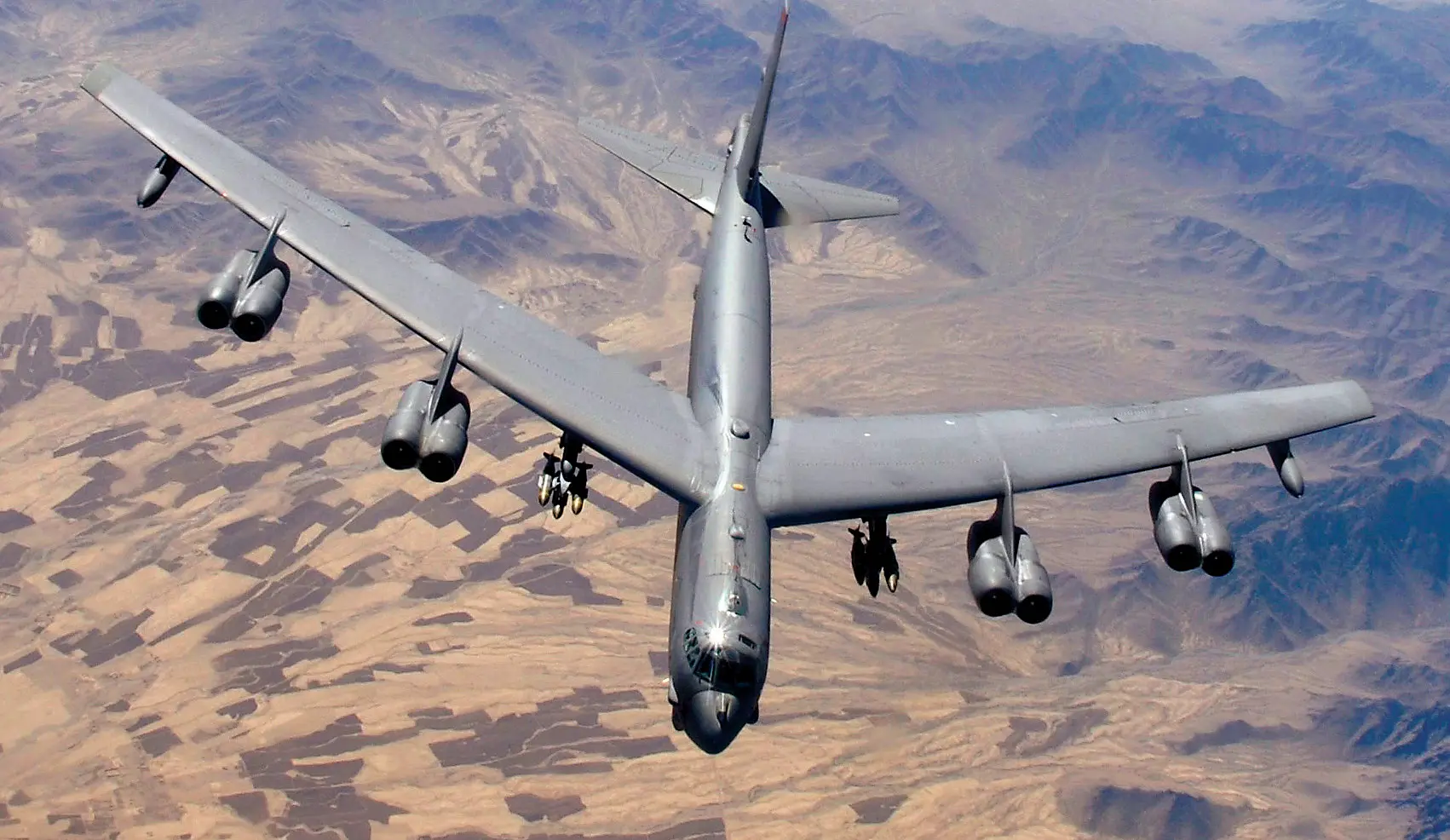
Because it can fly halfway across the globe on a single tank of fuel, the B-52 does not need to penetrate enemy airspace. It simply parks in safe, international skies and fires USD 1 million hypersonic missiles from thousands of miles away.
)
)
)
)
)