The B-2 bomber’s secret role in America’s nuclear strategy

That underlying purpose remains a chilling reminder of its role in an age-old game of strategic brinkmanship.
A Strategic Veil Lifted
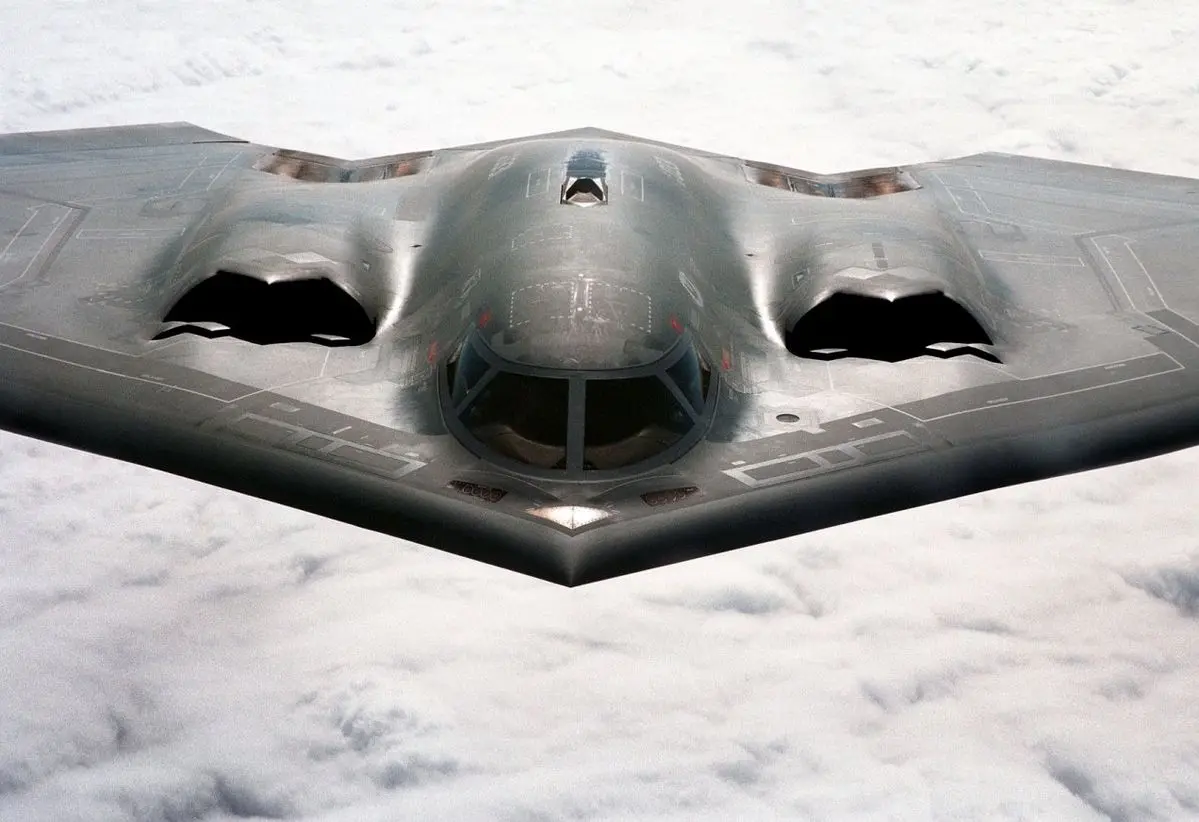
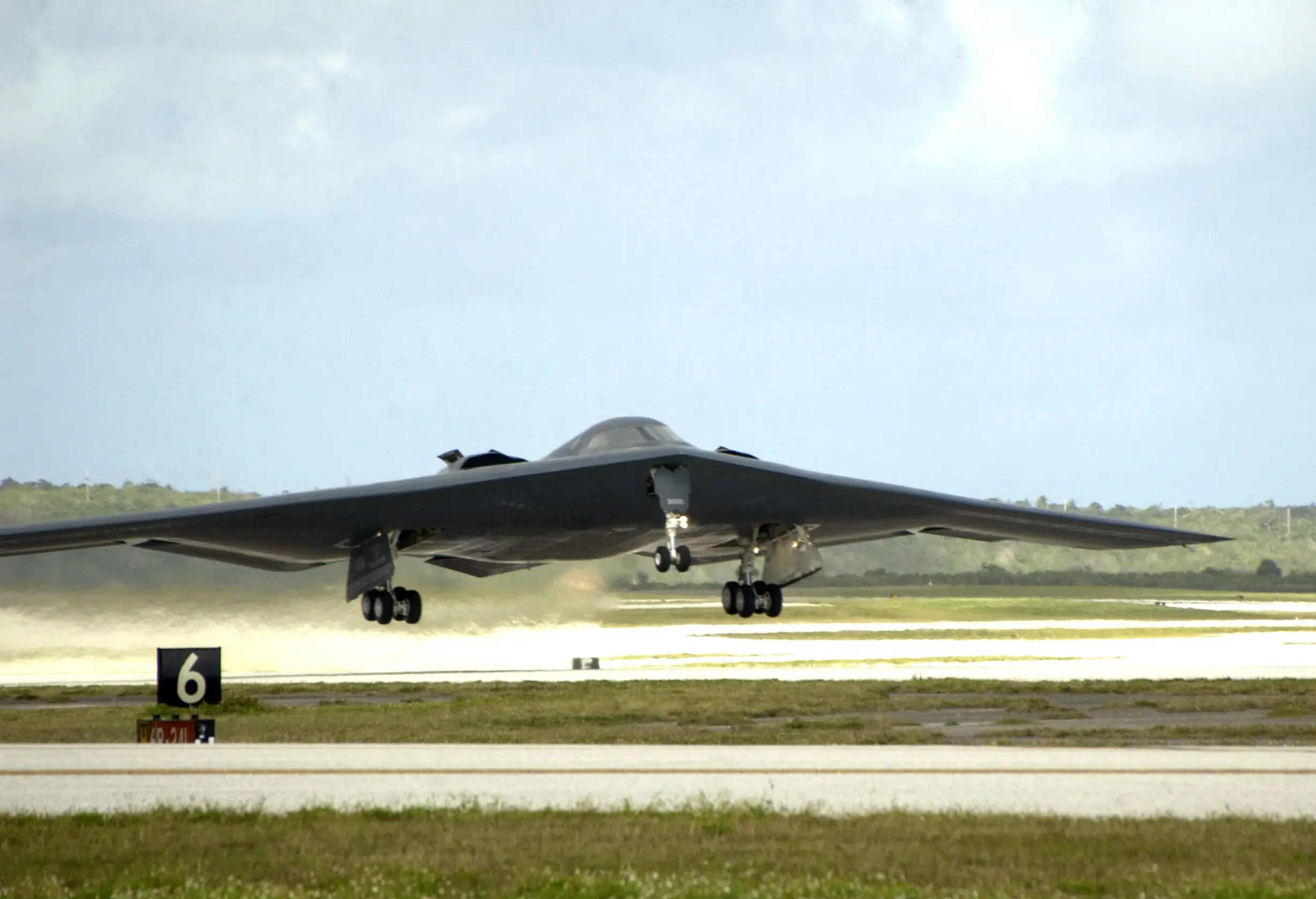
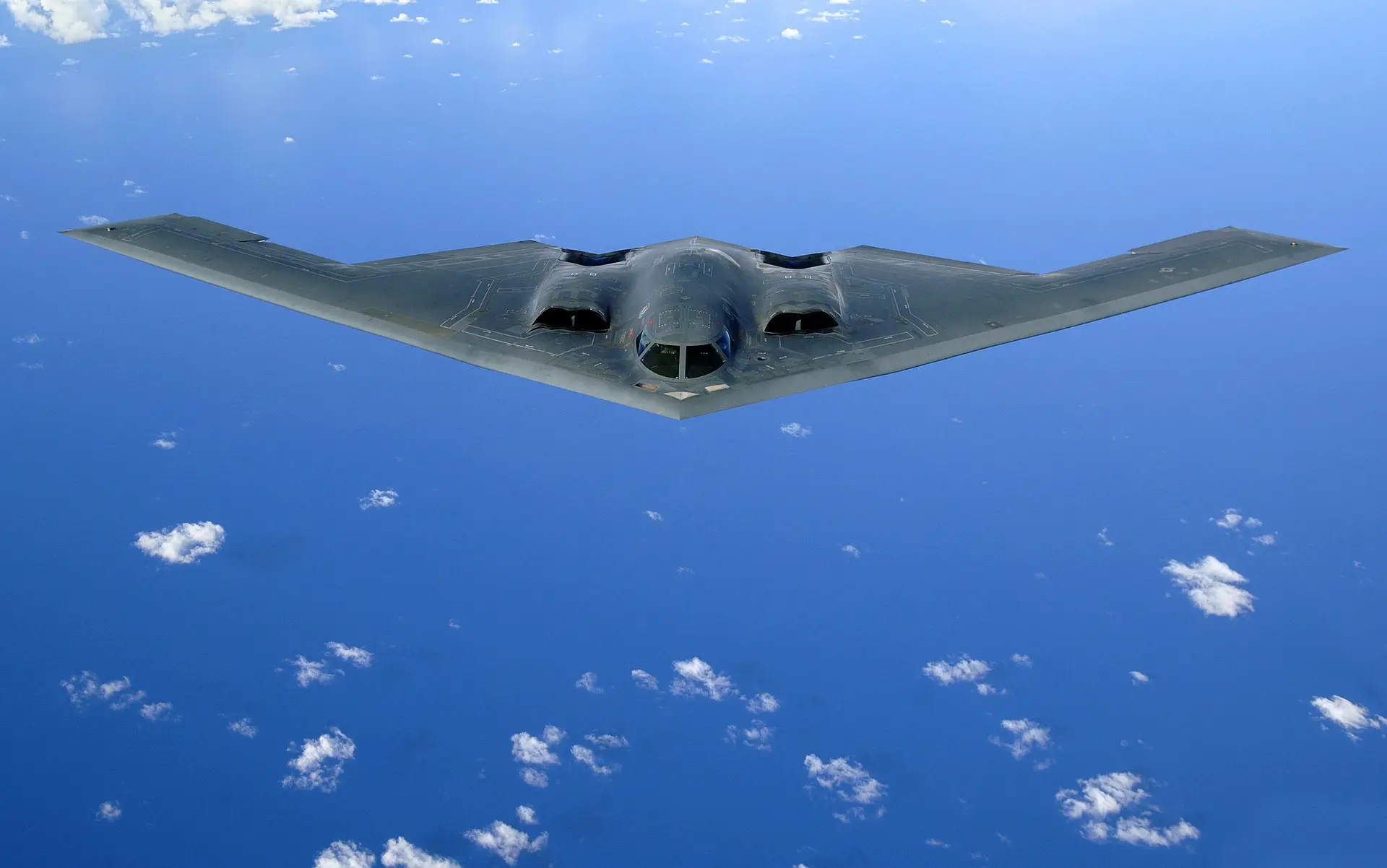
With its stealth silhouette tracing silent arcs across the skies, the B-2 Spirit hides more than state-of-the-art technology, it conceals a core role in the United States’ nuclear deterrent architecture. Designed during the Cold War, it was intended to penetrate the most sophisticated air defences and deliver nuclear ordnance with near-impunity. That underlying purpose remains a chilling reminder of its role in an age-old game of strategic brinkmanship.
Born for the Cold, Adapted for Today
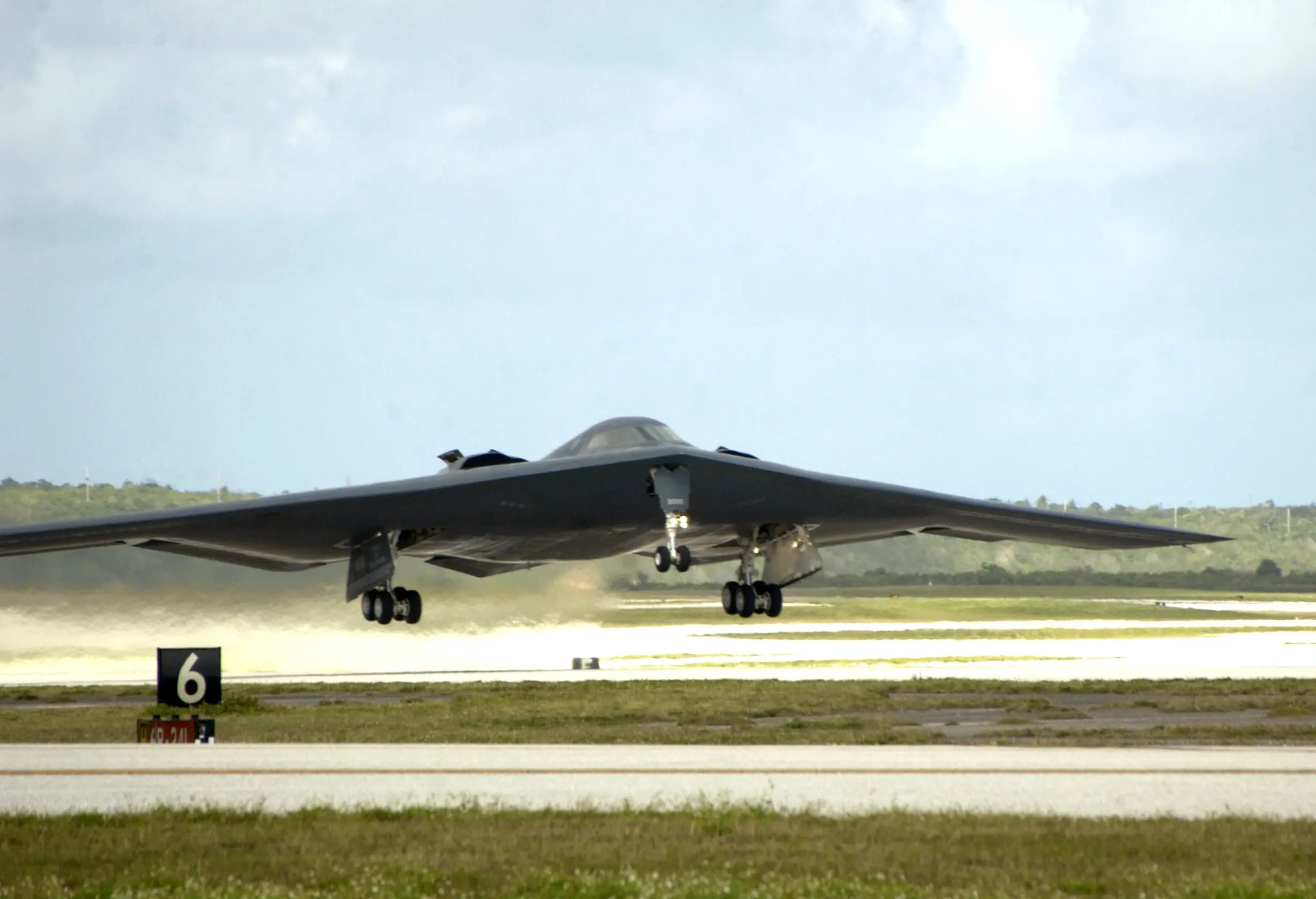
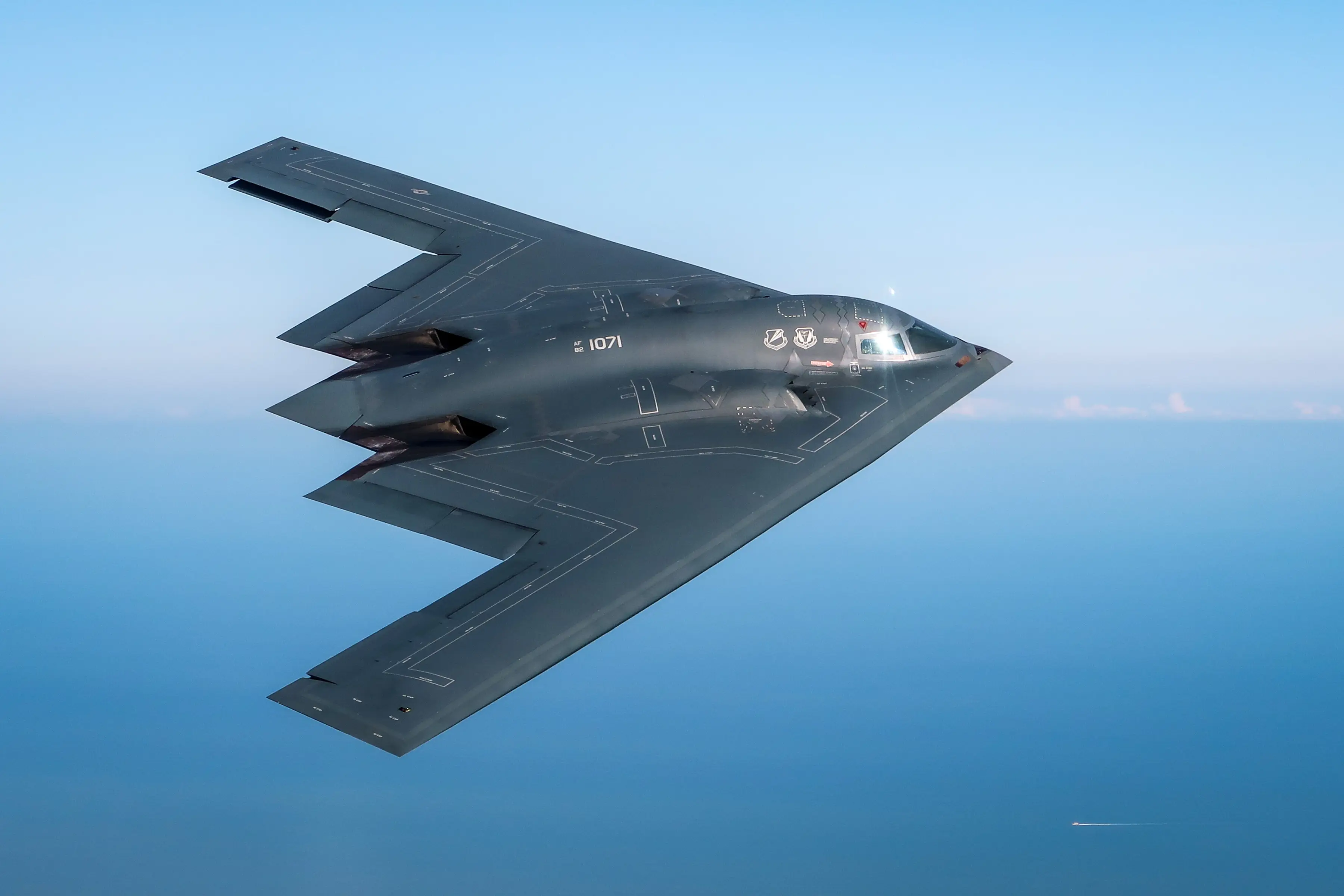
The B-2 emerged as the embodiment of stealth: a flying wing craft using composite materials, radar-absorbent coatings, and a design so refined its radar cross-section has been likened to that of a small insect. Its dual mission capability, nuclear and conventional, was born of necessity. Following the Soviet collapse, the B-2 was re-configured to include precision conventional strike capability while retaining its nuclear capacity.
Hidden in Plain Sight: Nuclear Payloads
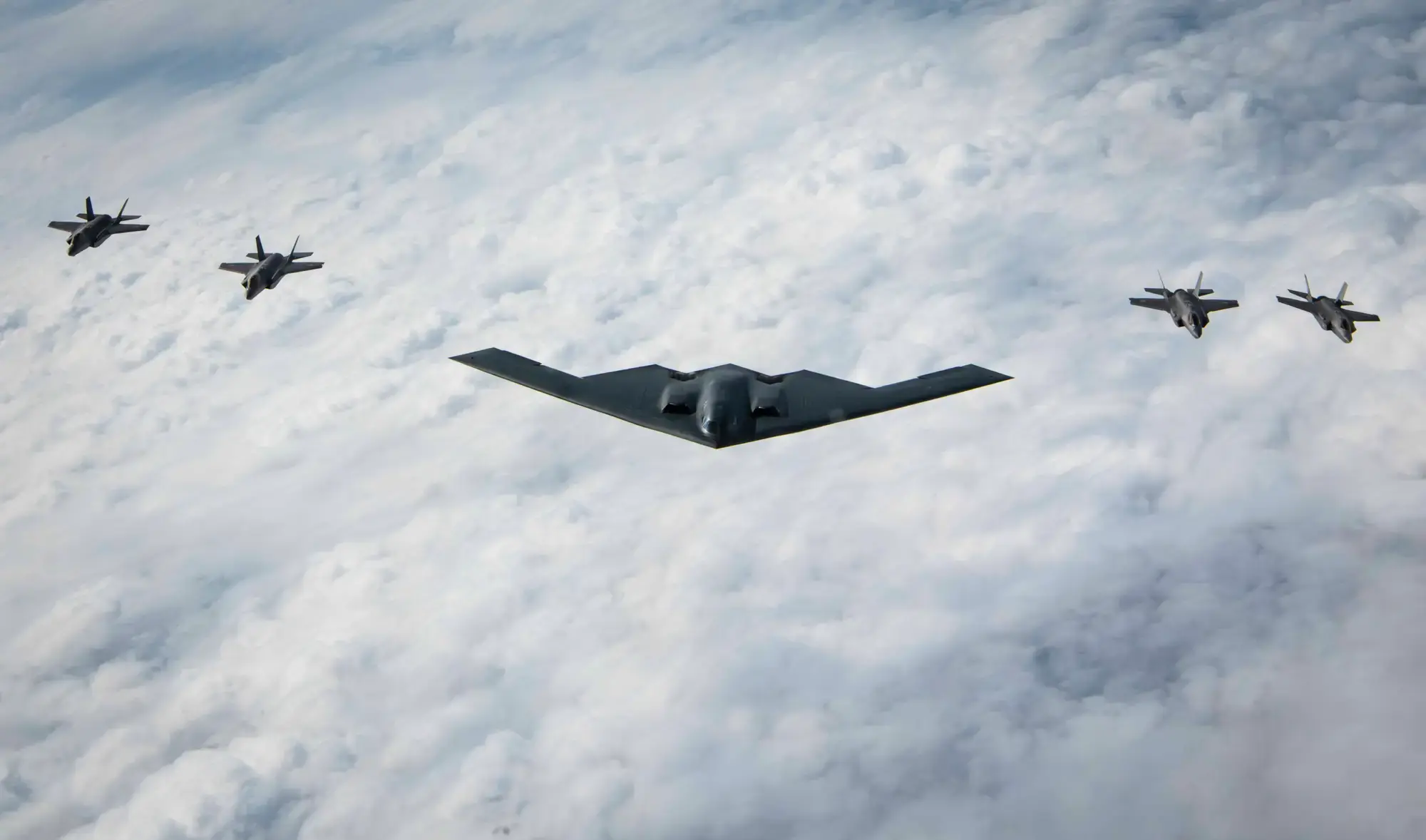
The B-2 remains a pivotal leg of the US nuclear triad. It is capable of delivering a devastating array of bombs, including up to sixteen of the potent B-61 variants or the heavier B-83 thermonuclear weapons. These nuclear armaments remain integral to strategic flexibility, pairing near-invisibility with swift, global reach. With aerial refuelling, its range becomes virtually boundless, making it an ominous strike platform in any theatre.
Breaching the Deepest Defences
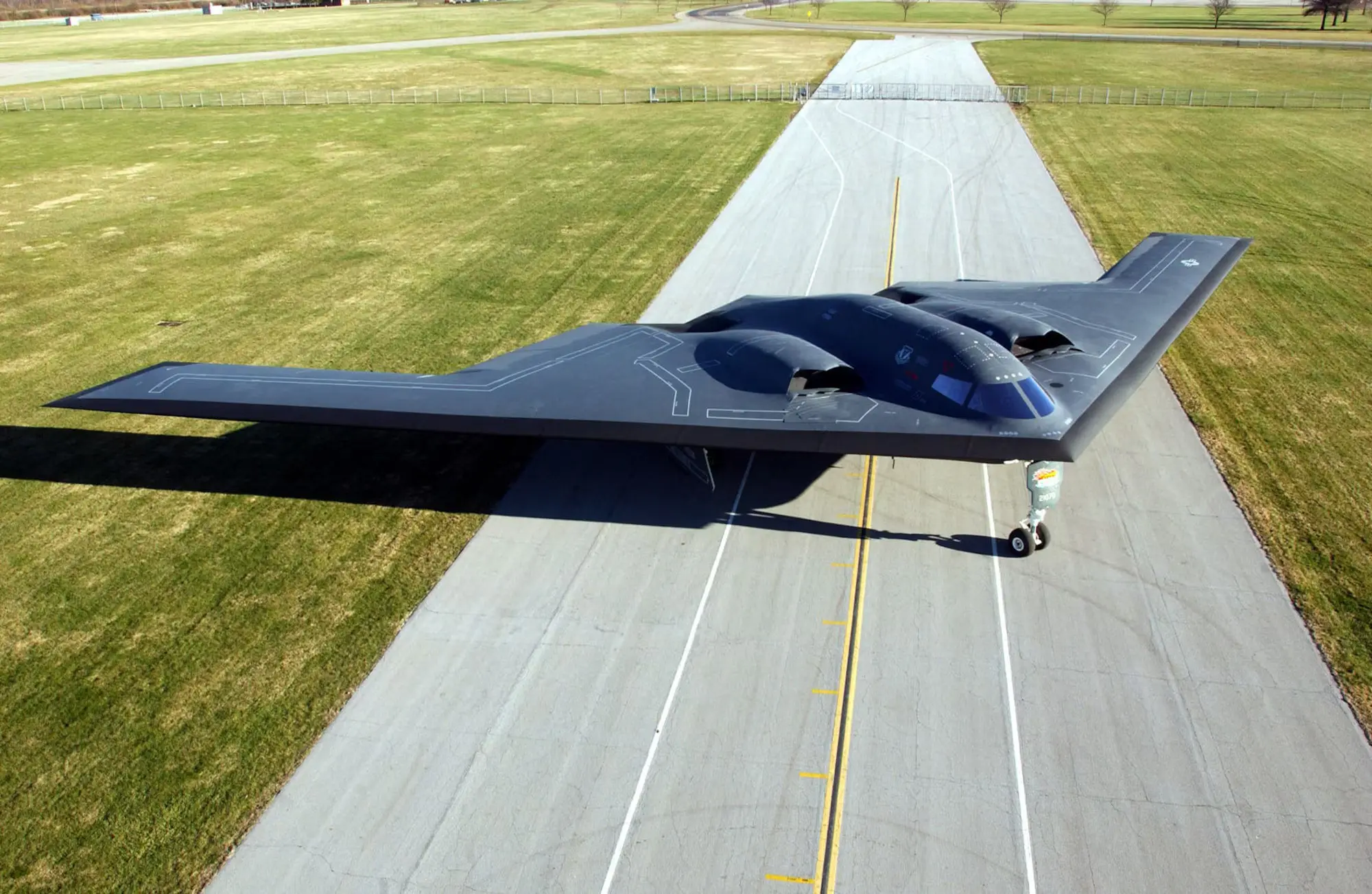
When hardened underground sites beckon, such as nuclear bunkers, the B-2's conventional power emerges as lethal. It can carry Massive Ordnance Penetrators (MOPs), 30,000-lb bunker-buster bombs designed to punch through hundreds of feet of reinforced concrete. In a rare but telling operation earlier this year, seven B-2s delivered twelve MOPs during strikes on Iran's subterranean nuclear sites, demonstrating that the aircraft remains at the forefront of strategic reach.
Maintaining Shadow Supremacy
Despite entering service in the late 1990s, the B-2 is anything but outdated. Modernisation programmes worth billions are enhancing its stealth materials, communication systems, and readiness. The aircraft’s maintenance cycle has been improved to reduce downtime, ensuring that if the alarm ever sounds, the B-2 is ready, silent, hidden, and lethal.
A Future Cloaked in Secrecy
Though its successor, the B-21 Raider, is slated to enter service in the 2020s, the B-2 will continue flying for years to come. For now, it remains America’s shadowy guardian, its presence hidden from sight but seared into the calculus of global deterrence.
Conclusion: Invisible Pillar of Deterrence
The B-2 Spirit is more than a bomber, it is a silent arbiter of strategic power. Its stealth, payload versatility, and global reach render it a cornerstone of both conventional and nuclear posturing. Behind the curtain of international diplomacy and strategic balance, it remains one of the most potent instruments of deterrence ever conceived, hidden, ready, and resolutely part of America’s nuclear strategy.
)
)
)
)
)