The art of air combat: Tactics and strategies that are used by fighter jet pilots

Fighter pilots use advanced tactics in the sky, from basic manoeuvres to teamwork and sensor fusion. Learn how their skills and technology together can help them win in air combat.
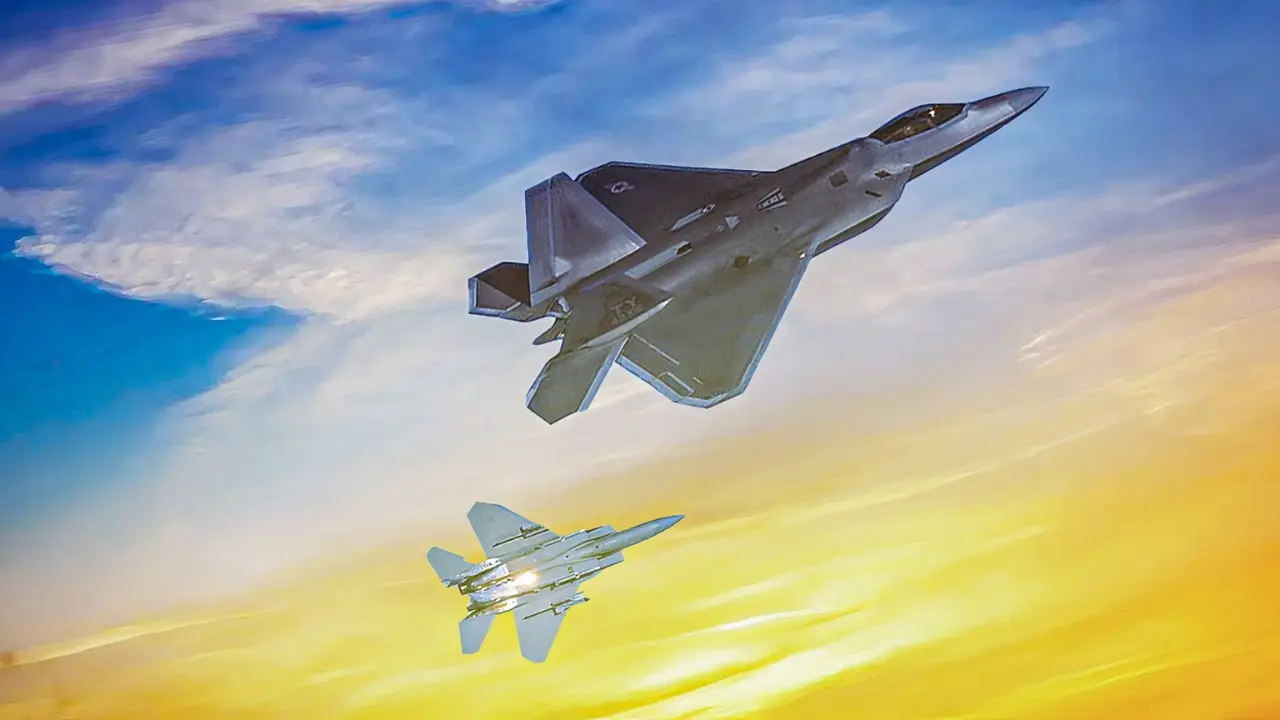
Air combat basics
Every fighter pilot is trained with the basic fighter manoeuvres (BFM). These are moves like the “barrel roll” and “split S” that are to help a pilot get behind an opponent and avoid attacks. The US Air Force says pilots drill these daily, as mastering BFM increases survival in close air fights.
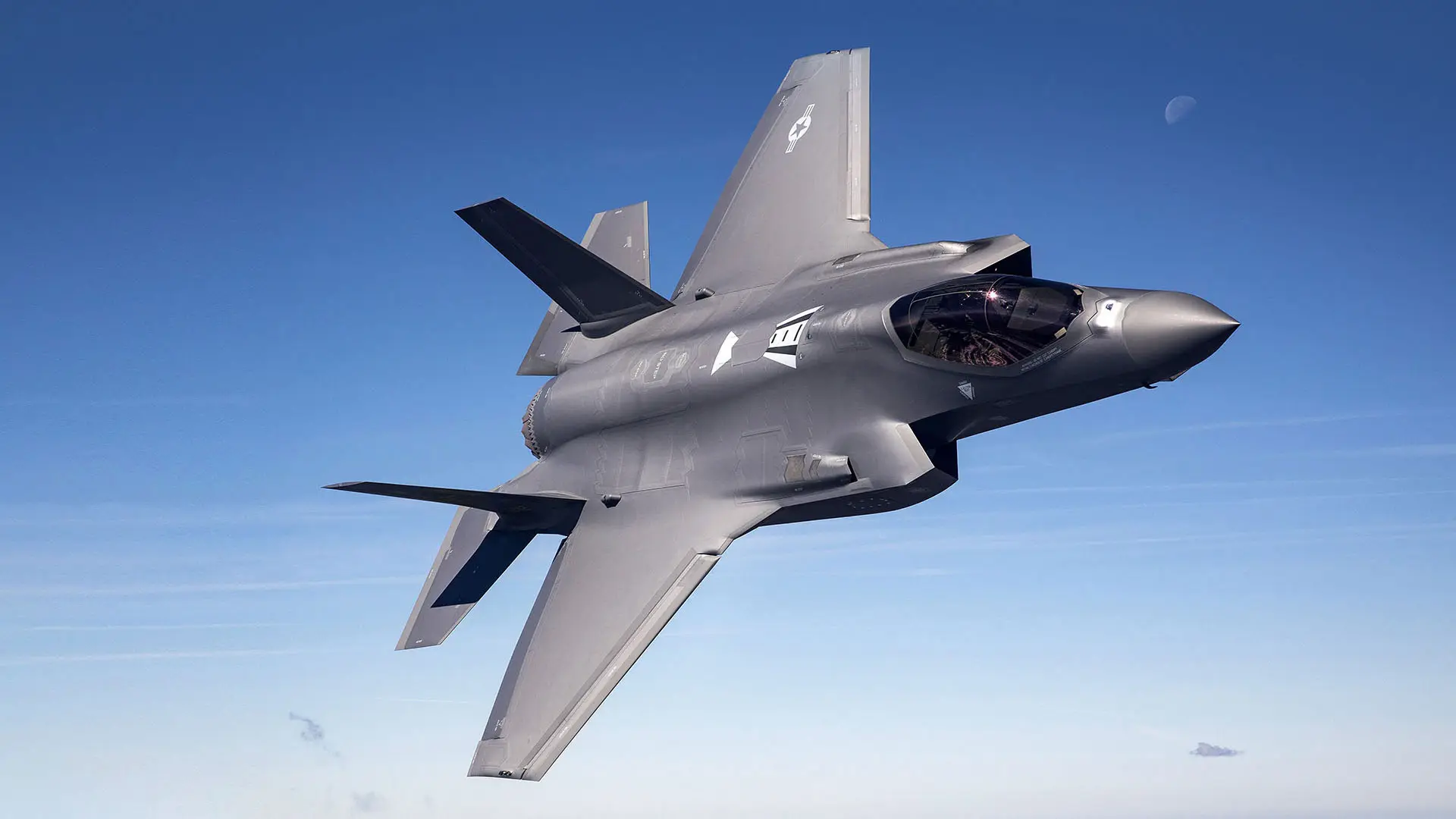
Energy management
Energy is vital in air combat. Fighter pilots learns to keep their speed and altitude to stay out of danger and they have options to attack or escape in any combat situation. According to Jane’s defence report, pilots who manage energy well have over a 40 per cent better chance of surviving dogfights than the enemy pilot.
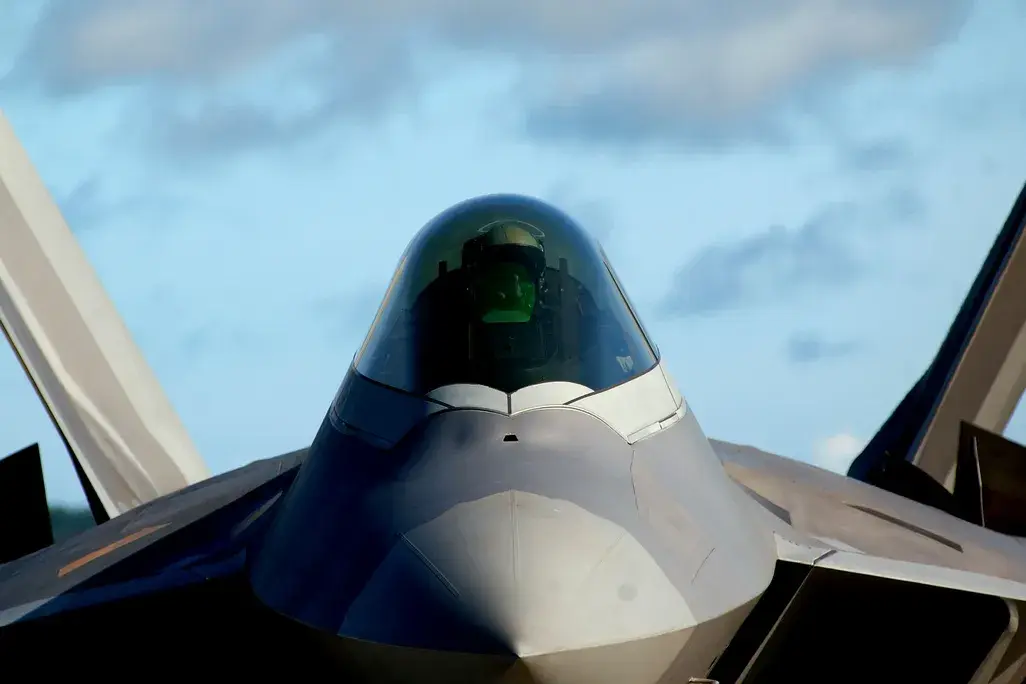
Using sensor fusion
These days, modern jets combine radar, infrared, and data links to give pilots a single, clear picture of the battle. This “sensor fusion” allows pilots to spot enemies early even beyond sight and plan attacks or defence. Rafale and F-35 are famous for this technology.
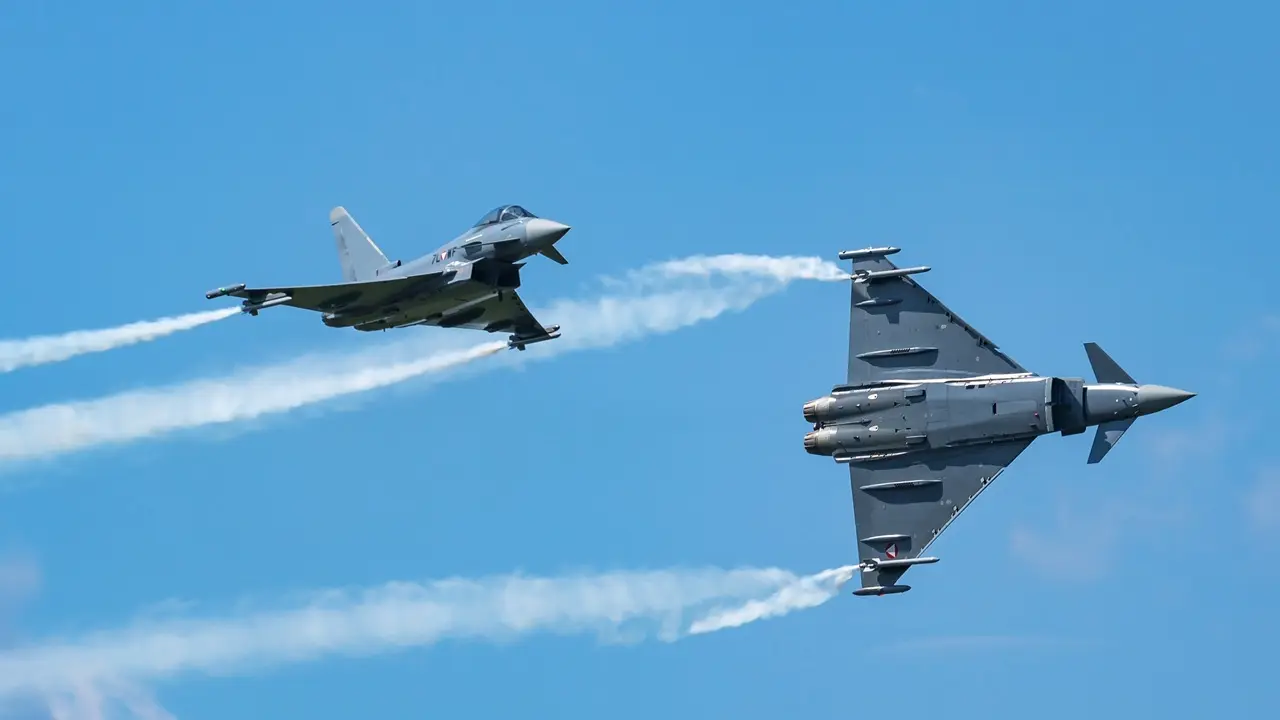
Beyond visual range battles
Beyond visual range (BVR) combat means that if a jet is firing missiles from more than 30 km away, using radar or sensors. Latest reports show over 60 per cent of real air-to-air kills since 2000 happen at BVR. Pilots use computer help to track and launch missiles before seeing the enemy.
Countermeasures and electronic warfare
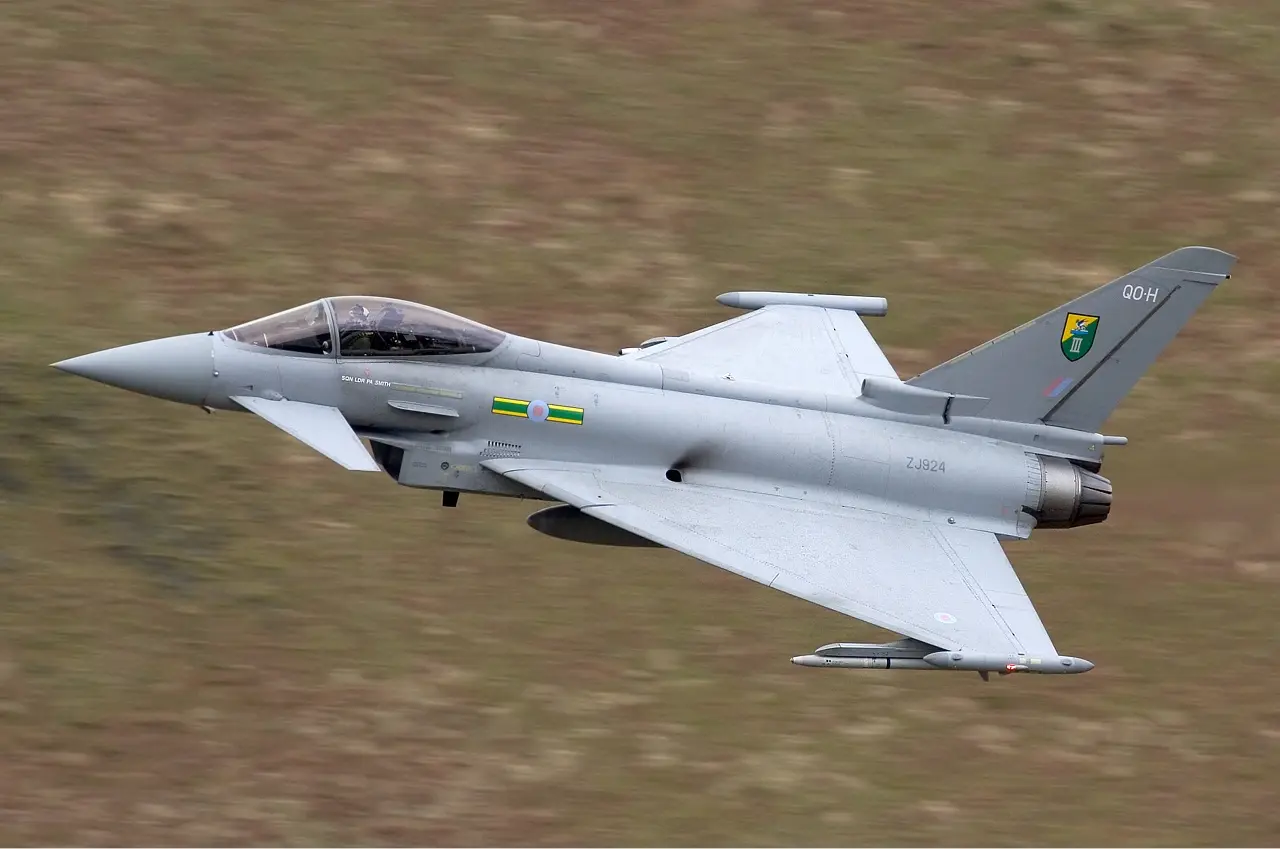
Fighter jets use flares, chaff, and electronic jammers to trick enemy missiles and their radar. For example, the Eurofighter Typhoon has a fully automatic protection system. According to Air Forces, using countermeasures raises a jet's survival rate sharply during missile attacks.
Teamwork and communication
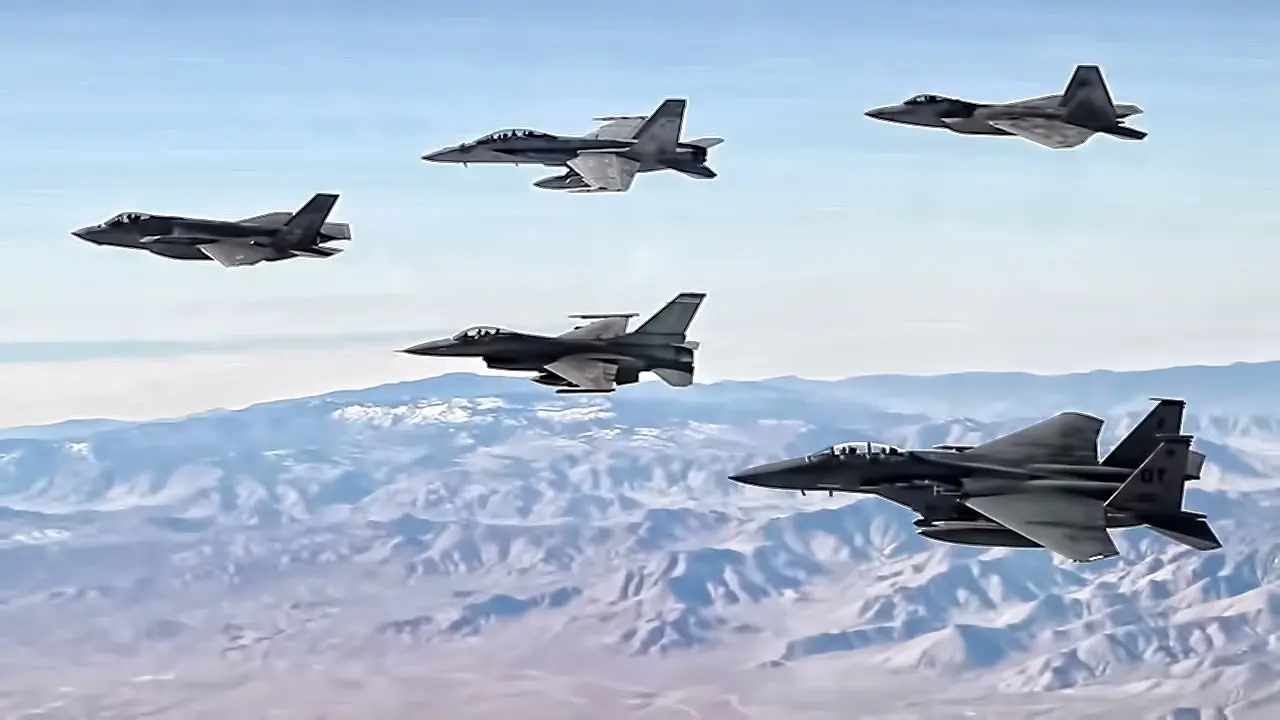
Fighter pilots rarely fight alone. Pilots fly in pairs or groups, called “elements” and “flights”, sharing radar data and splitting up to distract enemies. A 2024 nato report noted that teams that communicate well complete missions 50 per cent more successfully than solo pilots.
Staying sharp through training
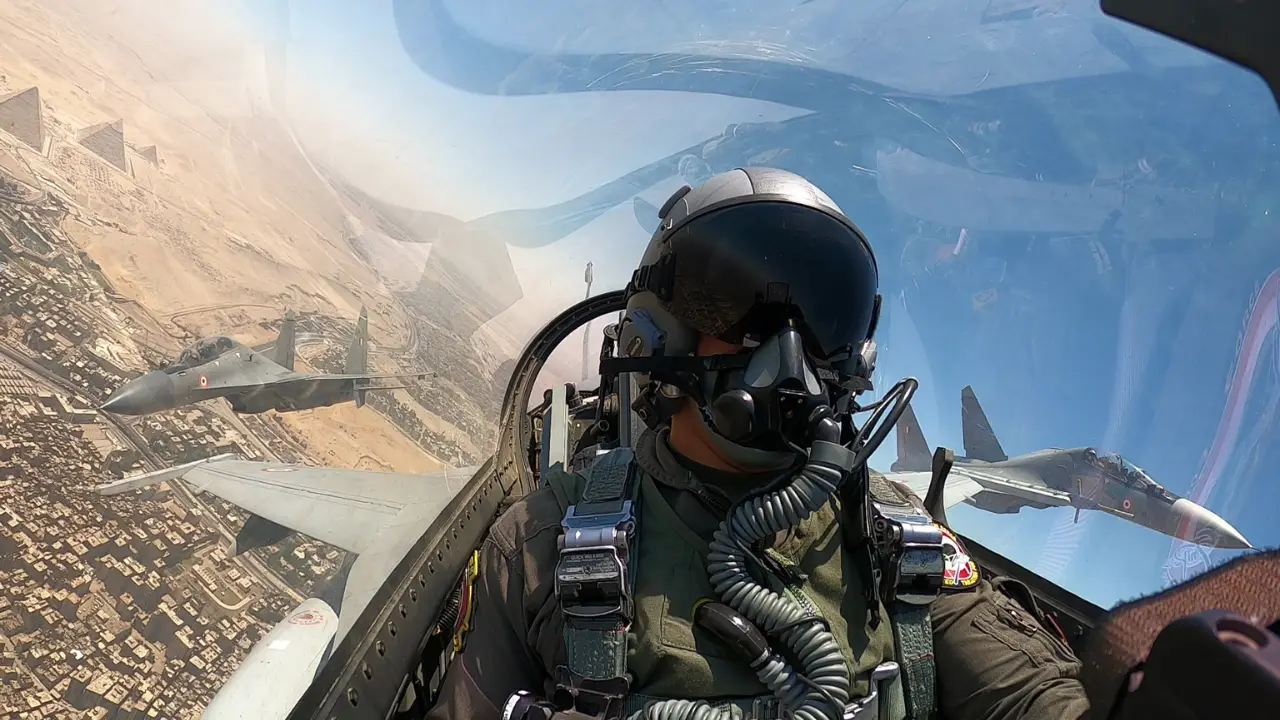
Pilot ongoing training is vital. Pilots spend over 200 hours each year in simulators, learning to deal with surprises. Reports from the Royal Air Force noted that constant practice helps pilots use all the above tactics when it matters most.
)
)
)
)
)