The aerodynamic design that keeps Russia’s Su-57 fighter jet cool during high-g turns

The Su-57 fighter jet uses advanced aerodynamic design to manage heat during extreme 9-gravity turns. Special canopy coatings protect pilots from thermal radiation. Composite materials absorb and dissipate engine heat efficiently.
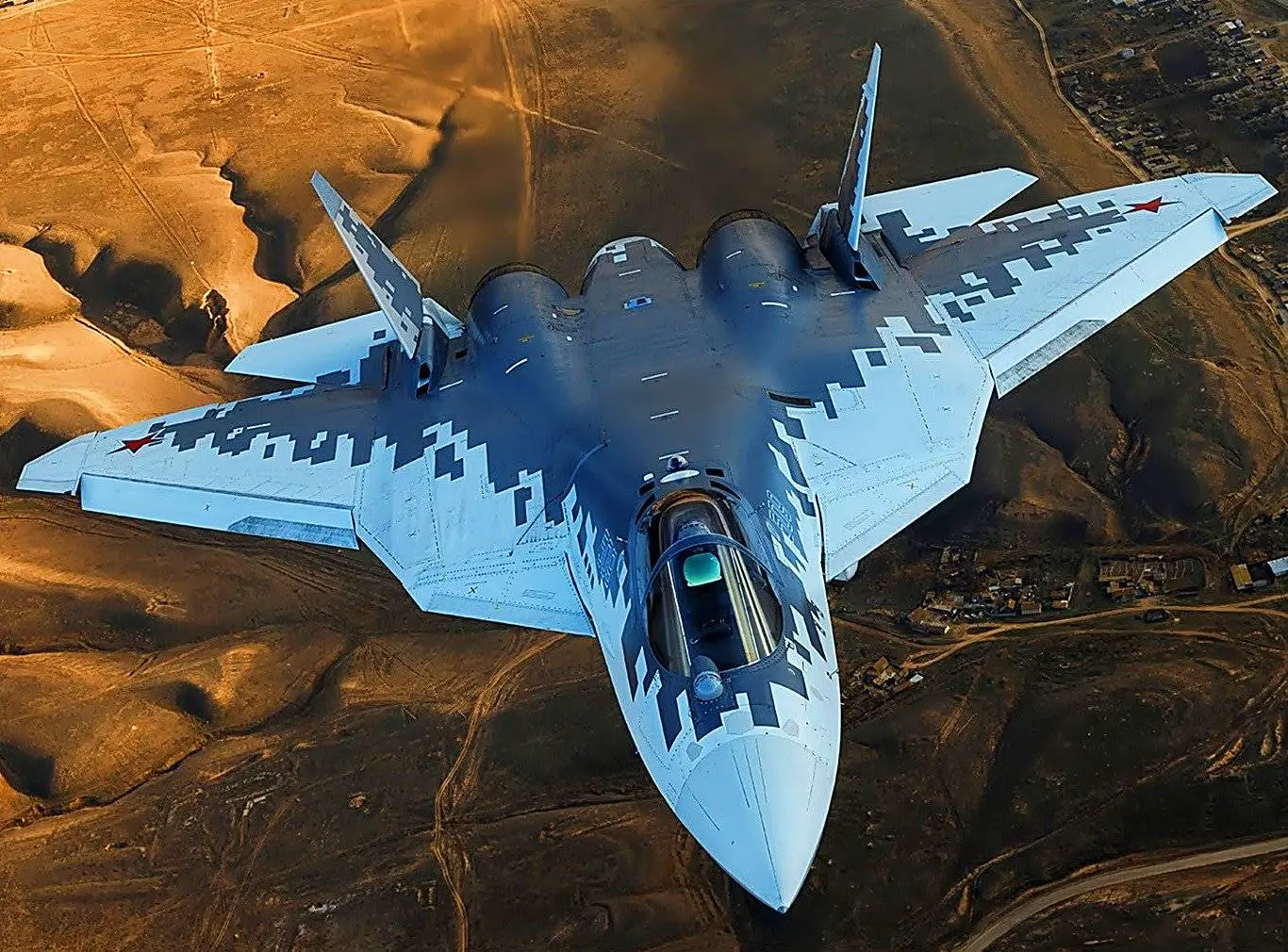
Extreme Forces Create Extreme Heat During Combat Manoeuvres
High-g turns subject fighter jets to intense stress. When pilots pull 9-gravity manoeuvres, engines work at maximum power. Air friction generates significant heat along the airframe. The Su-57 needed special design solutions to manage this thermal stress.
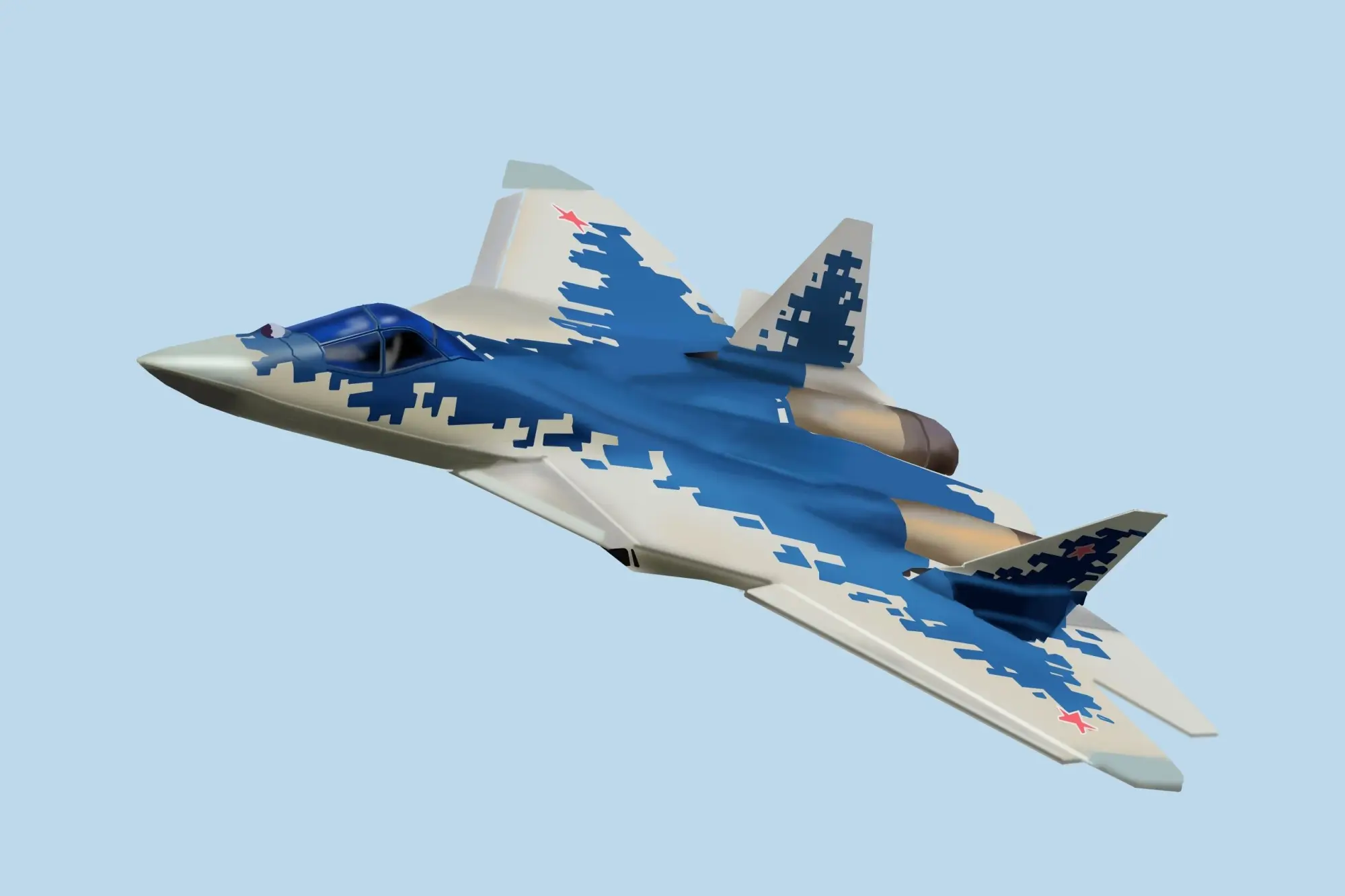
70 Per cent Surface Area Uses Heat-Absorbing Carbon Composite Materials
The Su-57 uses carbon fibre composites for approximately 70 per cent of its outer surface. These materials absorb and dissipate heat more efficiently than traditional aluminium alloys. Lighter aircraft produce less heat during manoeuvres. The materials distribute thermal energy across wider areas preventing hot spots.
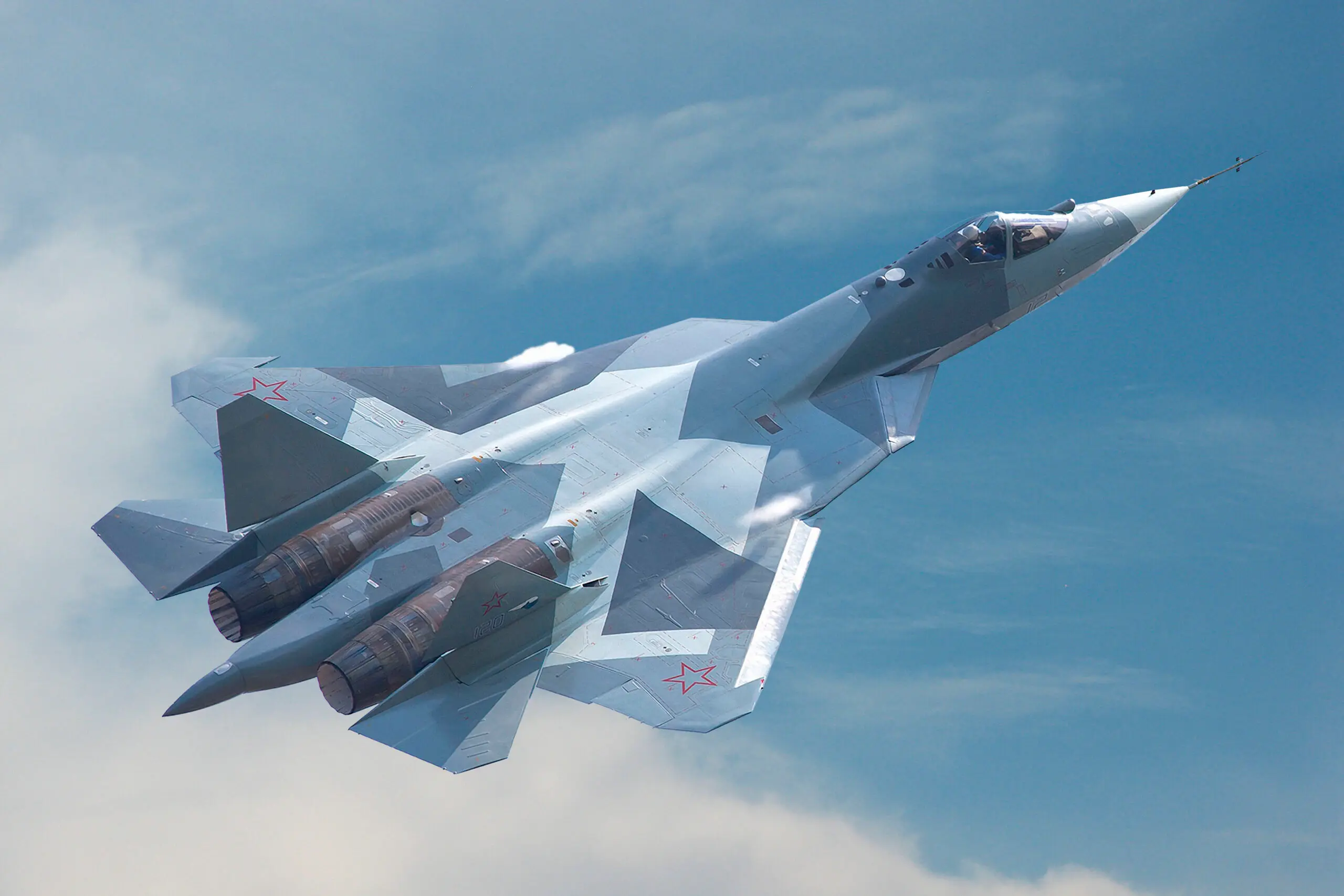
70-90 Nanometre Coating Shields Pilot From Heat During Extreme Manoeuvres
The Su-57 cockpit canopy uses special composite material with metal oxide layers 70 to 90 nanometres thick. These layers shield pilots from thermal radiation during high-temperature operations. The advanced coating protects pilots from ultraviolet and thermal radiation impacts. This thermal protection becomes critical during sustained high-g dogfights.
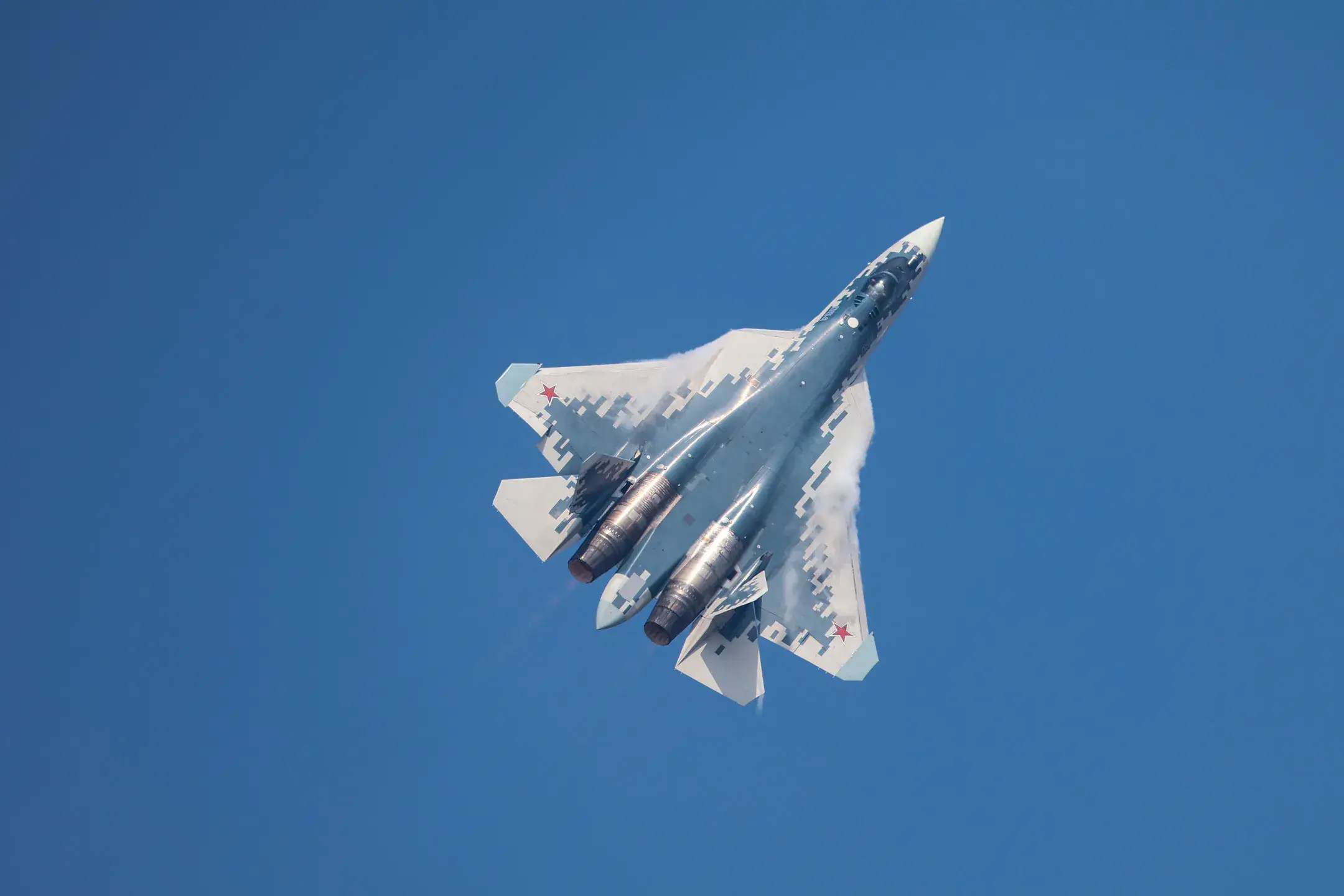
Delta-Canard Design Creates Airflow Patterns That Cool the Airframe
The Su-57's fuselage shape creates specific airflow patterns across the aircraft body. During high-speed manoeuvres, this airflow provides passive cooling by moving air across hot surfaces. The streamlined design reduces drag, which means engines produce less heat. The fuselage geometry optimises cooling efficiency during high-g turns.
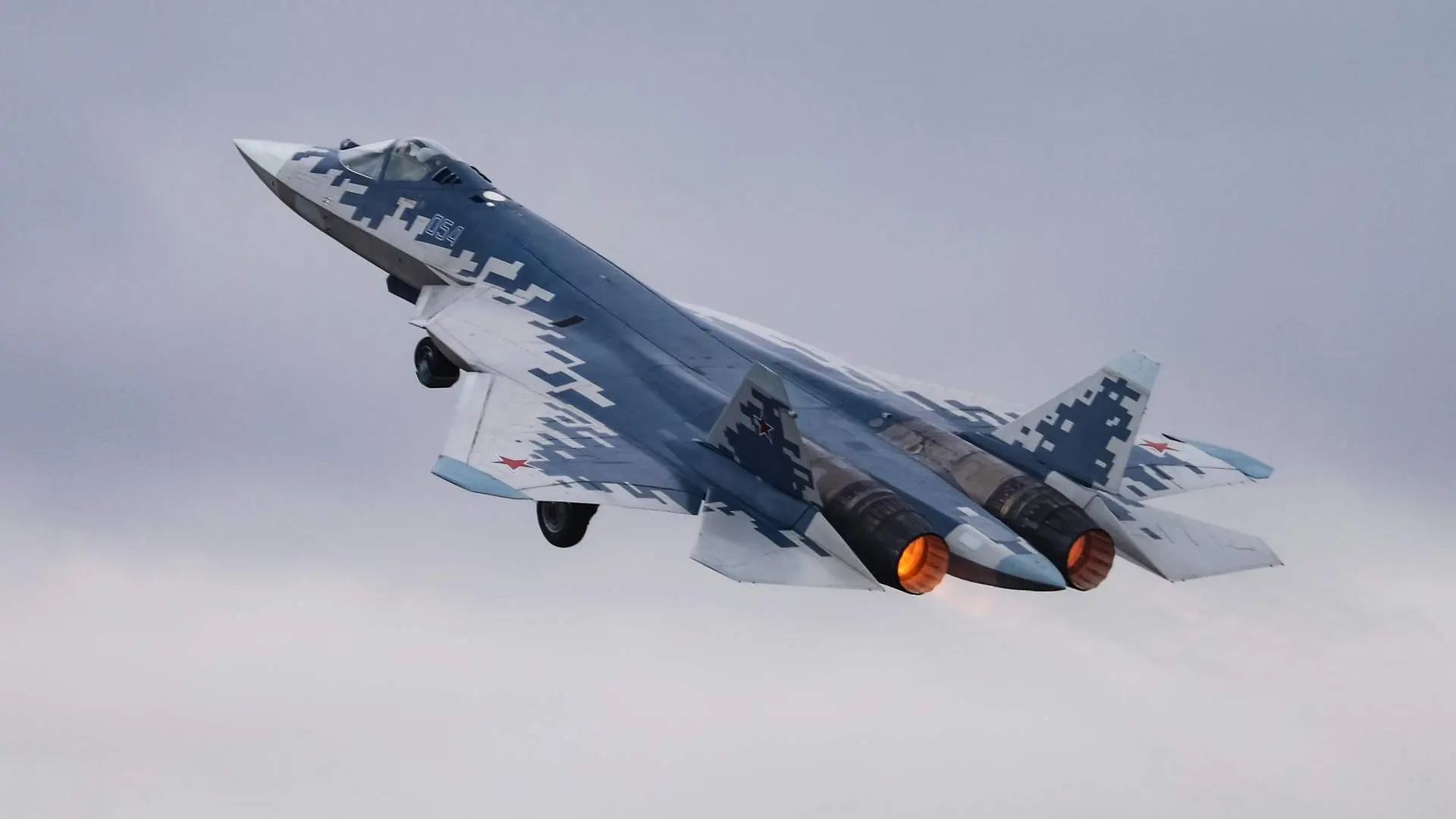
Leading Edge Vortex Controllers Manage Airflow During Extreme Angles of Attack
The Su-57 features leading edge vortex controllers on the fuselage strakes. These controllable surfaces manage vortex generation at extreme angles of attack. Better airflow control improves cooling efficiency during high angle of attack manoeuvres. The vortices help move cooler air across hot components during demanding manoeuvres.
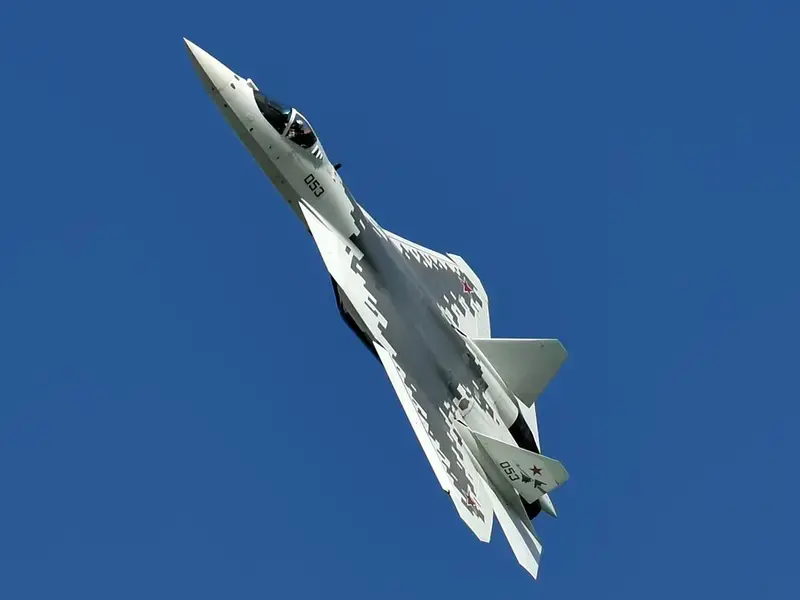
Engineered Air Pathways Direct Cooling Airflow to Critical Hot Components
The Su-57 includes internal air ducts channelling cool air from intakes throughout the fuselage. These pathways direct cooling air to engine compartments and electronics bays. The ducting system optimises cooling distribution during high-temperature operations. By routing cool air through critical zones, engineers keep temperature-sensitive systems within operating limits.
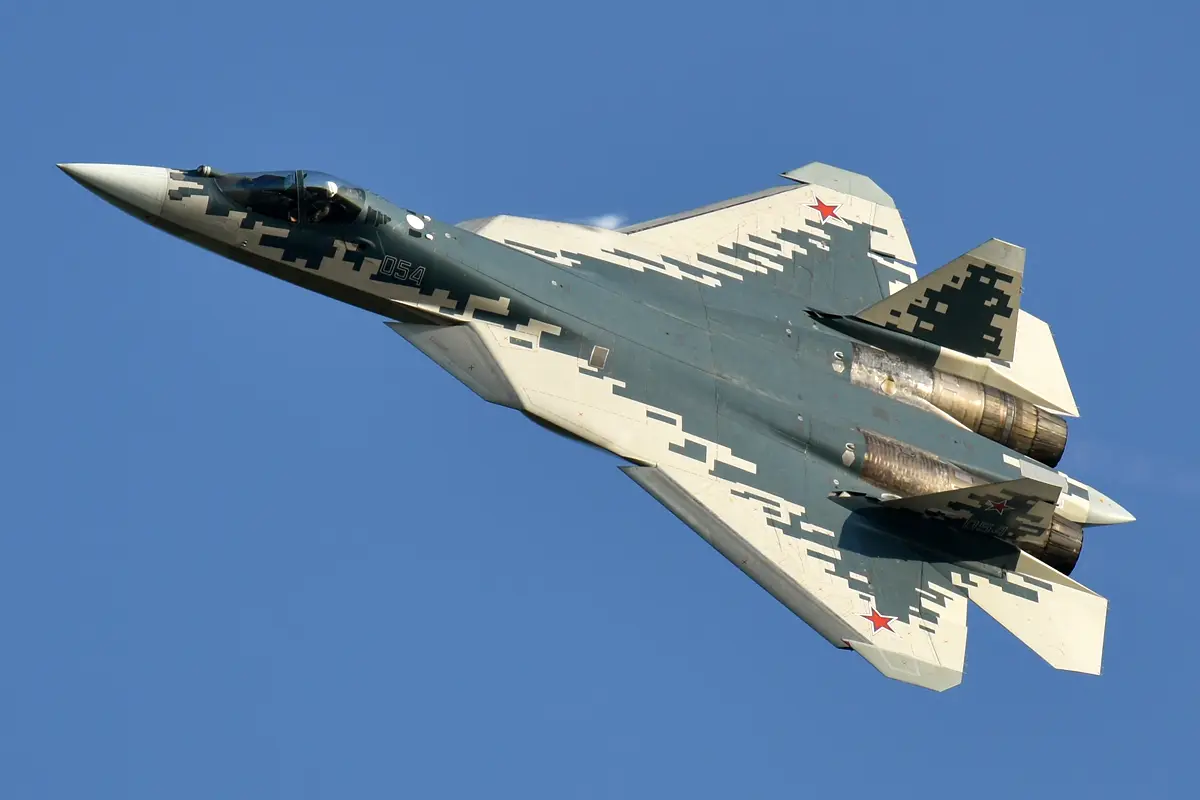
Anti-G Suit and 30-Kilogram Oxygen System Protect Pilot During Extreme Stress
The Su-57 pilot sits in a K-36D-5 ejection seat equipped with advanced life support systems. The SOZhE-50 system includes an anti-g suit applying pressure during high-g turns. According to Russian defence sources, this enables pilots to perform 9-gravity manoeuvres for up to 30 seconds. The anti-g suit also helps regulate pilot body temperature during demanding combat manoeuvres.
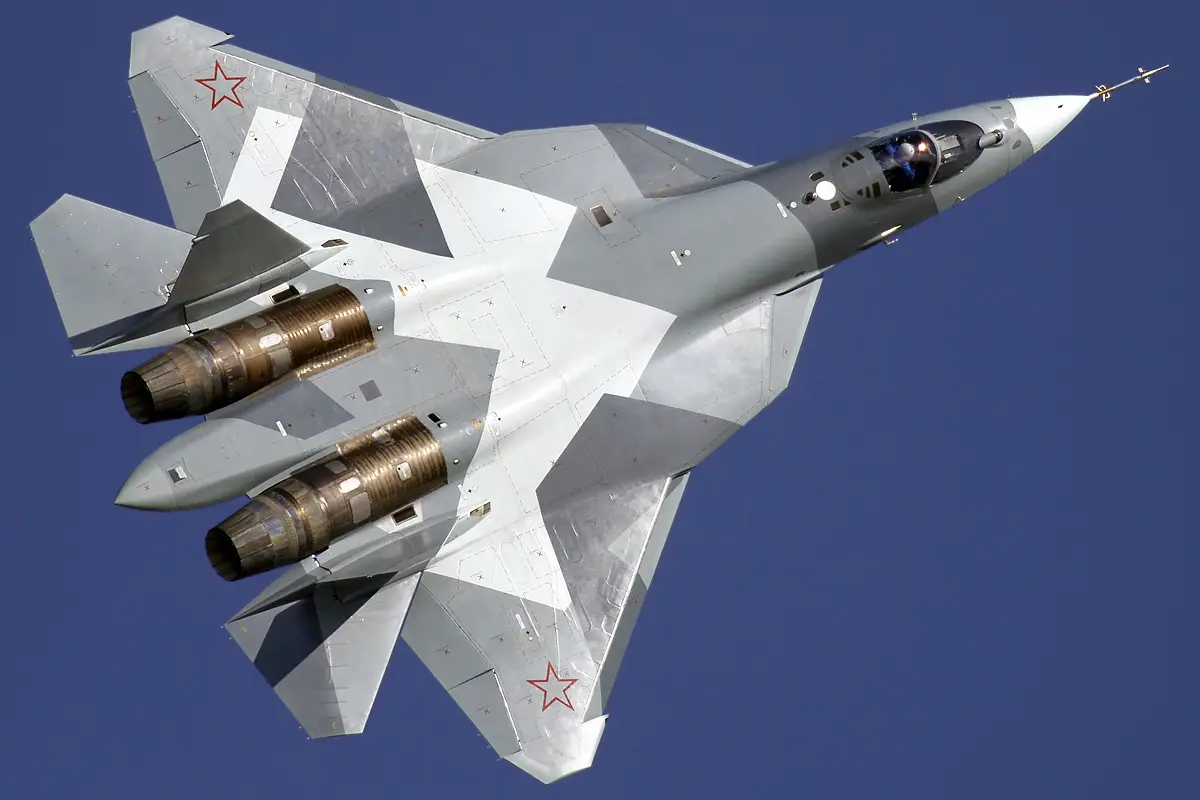
Advanced Intake Design Provides Cooling Air for Engine Components During Flight
The Su-57's engine inlets channel cool air used for cooling engine accessories and systems. The intake path creates pressure conditions assisting with cooling air circulation. The variable geometry inlets adapt to different flight regimes, optimising cooling effectiveness. During high-g turns, the inlet system provides enhanced cooling air circulation to engine components.
Special Paint and Coatings Handle Temperatures Exceeding 200 Degrees Celsius
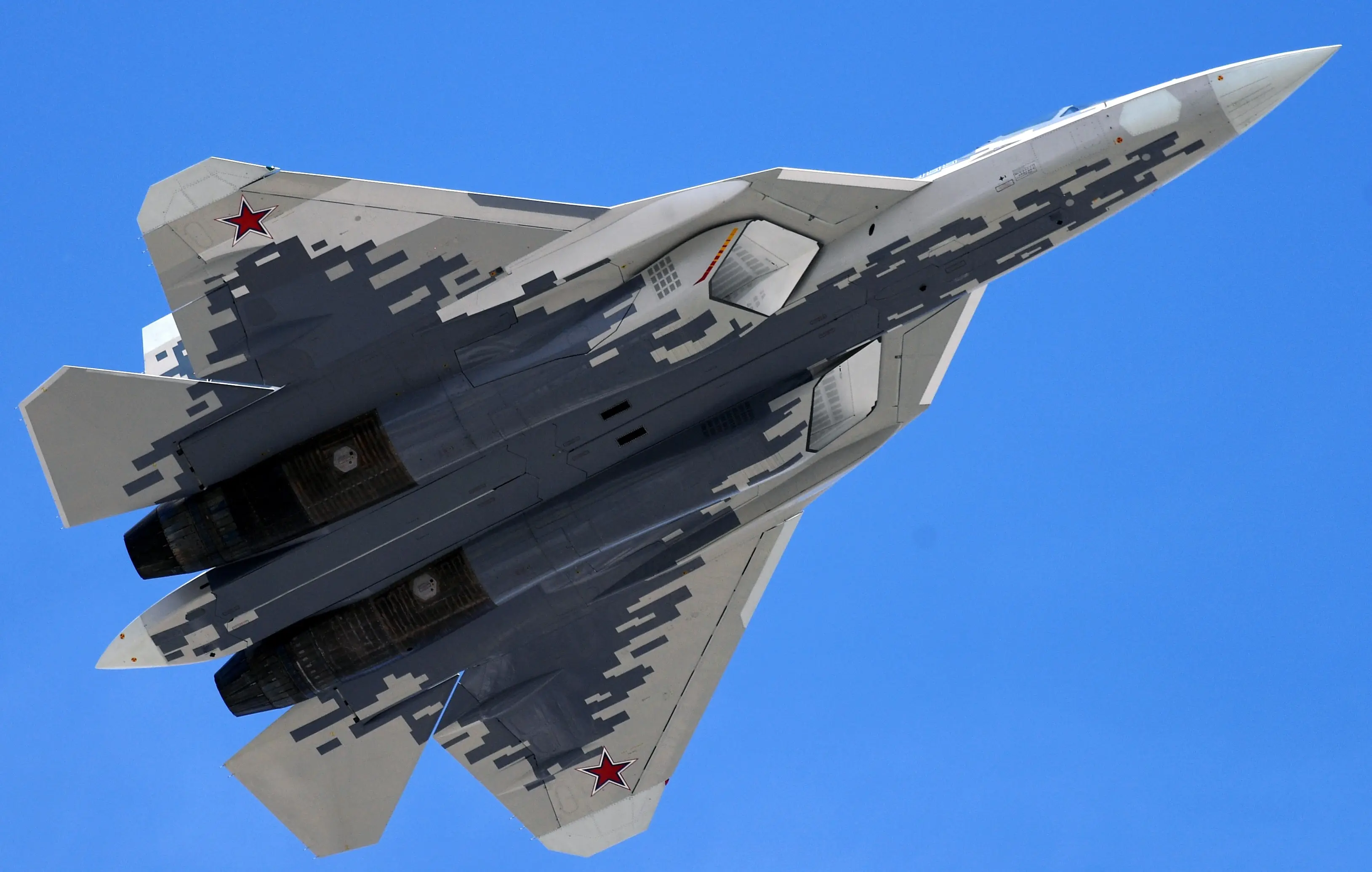
The Su-57 uses advanced thermal-resistant coatings on exposed surfaces. These special paints withstand temperatures exceeding 200 degrees Celsius. The coatings also provide secondary radar absorption benefits. During 9-gravity manoeuvres, the coatings keep critical areas from overheating and thermal degradation.
Nine Cooling Systems Work Together Managing Heat During Extreme Combat Performance
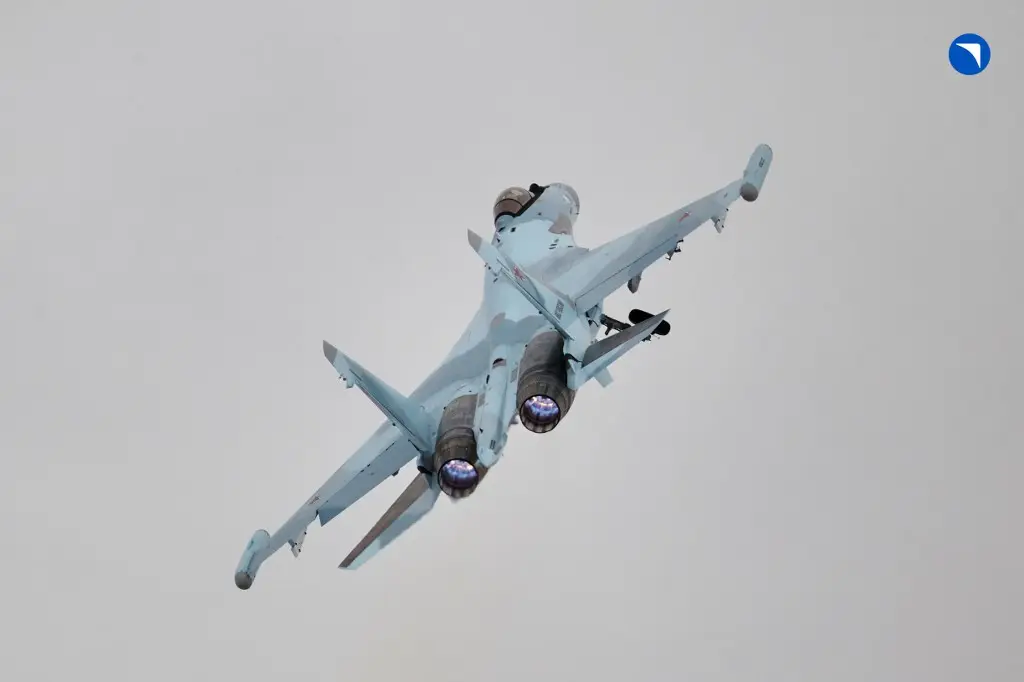
The Su-57 combines nine thermal management systems working in coordination. Composite materials absorb heat, canopy protects pilots, fuselage shape creates cooling airflow, and LEVCONs control vortices. Internal ducts channel cool air, pilot life support regulates body temperature, engine inlets provide cooling circulation, and thermal coatings protect surfaces. According to defence analysts, this integrated approach allows sustained 9-gravity manoeuvres for extended periods.
)
)
)
)
)