The 7 biggest gold price surges the world has ever seen

Gold has always been regarded as a safe-haven asset amid the financial crisis globally and geopolitical uncertainty. The world has witnessed a massive surge in gold demand over the last century. Check the top 7 biggest gold price surges in history, driven by global events or crises.

World War II (1939–1945)
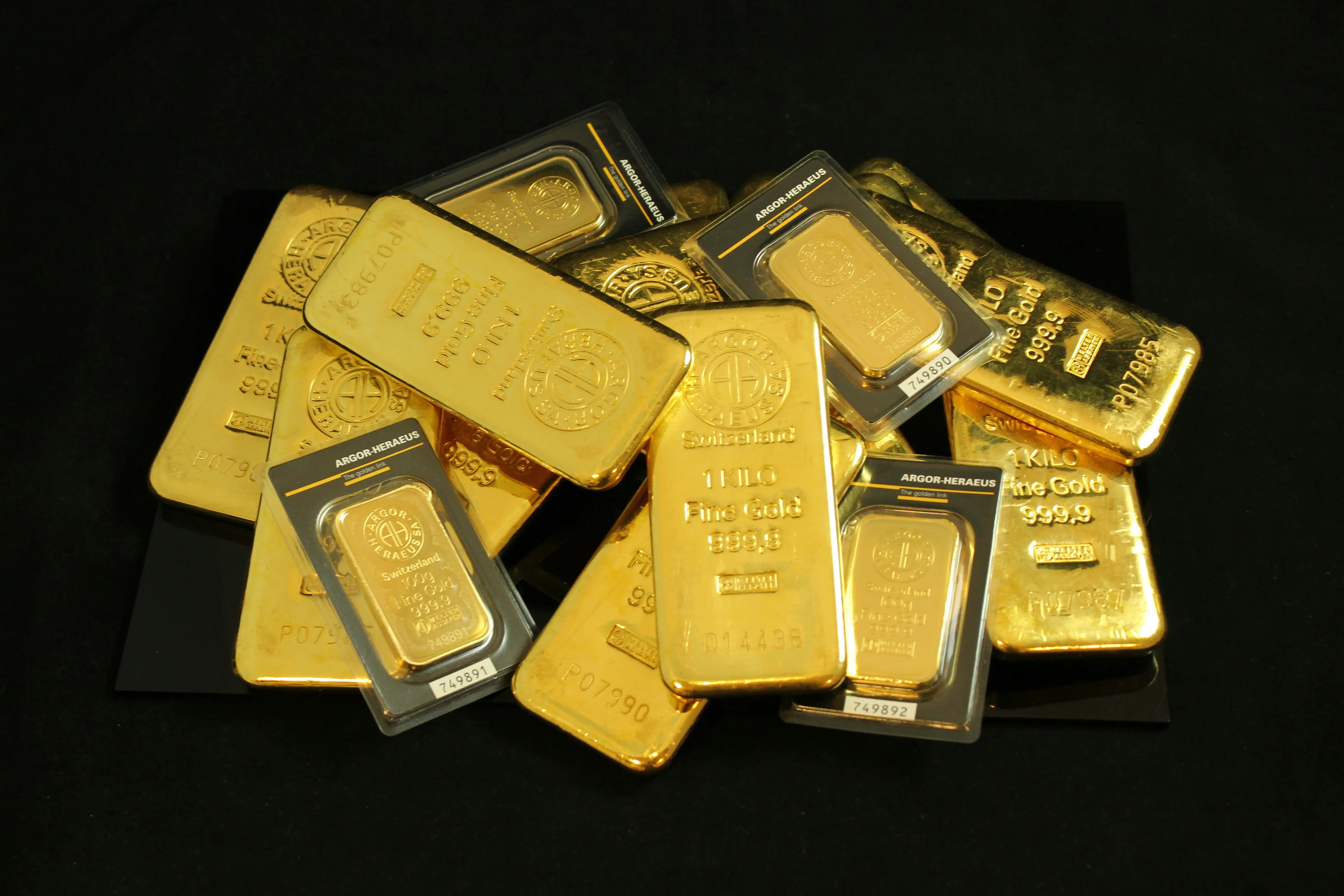
Due to massive inflation, currency devaluations, and wartime uncertainty, demand for gold as a "safe haven" asset during World War II. While official prices were static in Allied countries, black market prices and gold traded outside official channels—especially in war-torn Europe- often soared as people sought to escape government fiat currencies and preserve wealth. Central banks and private individuals alike moved and hoarded gold, with Switzerland becoming a key neutral storehouse for gold during the conflict.
2. The End of Bretton Woods (1971–1974)
After the collapse of the Bretton Woods system and the "Nixon Shock" in 1971, gold prices soared from $35/oz to around $183/oz by 1974—a surge of over 400% in just three years, triggered by runaway inflation and currency instability.
3. Second Energy Crisis & Great Inflation (1979–1980)
In 1979, gold skyrocketed 126%, jumping from $226/oz to $512/oz; by early 1980, it peaked at nearly $665/oz. The surge was propelled by the Iranian Revolution, oil shocks, and escalating inflation, making gold a safe-haven asset.
4. Dot-Com Bubble Burst (2000–2002)
The dot-com bubble burst between 2000 and 2002 as high-flying, often unprofitable internet companies were suffered a major collapse after investors realised their inflated valuations lacked fundamental business models, causing a market crash. In response to this market decline and economic uncertainty, investors sought safer assets, driving up the price of gold from around $282 per ounce in January 2000 to $320 by October 2002, an increase of about 13 per cent.

5. Global Financial Crisis (2008)
It was the most severe economic downturn since the Great Depression of the 1930s. It began with the collapse of the US housing market and the subsequent decline in value of large amounts of mortgage-backed securities (MBS) and derivatives. The crisis escalated into a global banking crisis after the bankruptcy of Lehman Brothers in September 2008.
6. Russia-Ukraine War (2022)
The conflict sent shockwaves through the global economy, which disrupted major supply chains, resulting in an increase in energy prices and creating a climate of geopolitical uncertainty. The Russia-Ukraine War showed a dependence on imported energy and the significance of diversifying the economy. It prompted the people to opt for gold as a hedge against geopolitical risk.
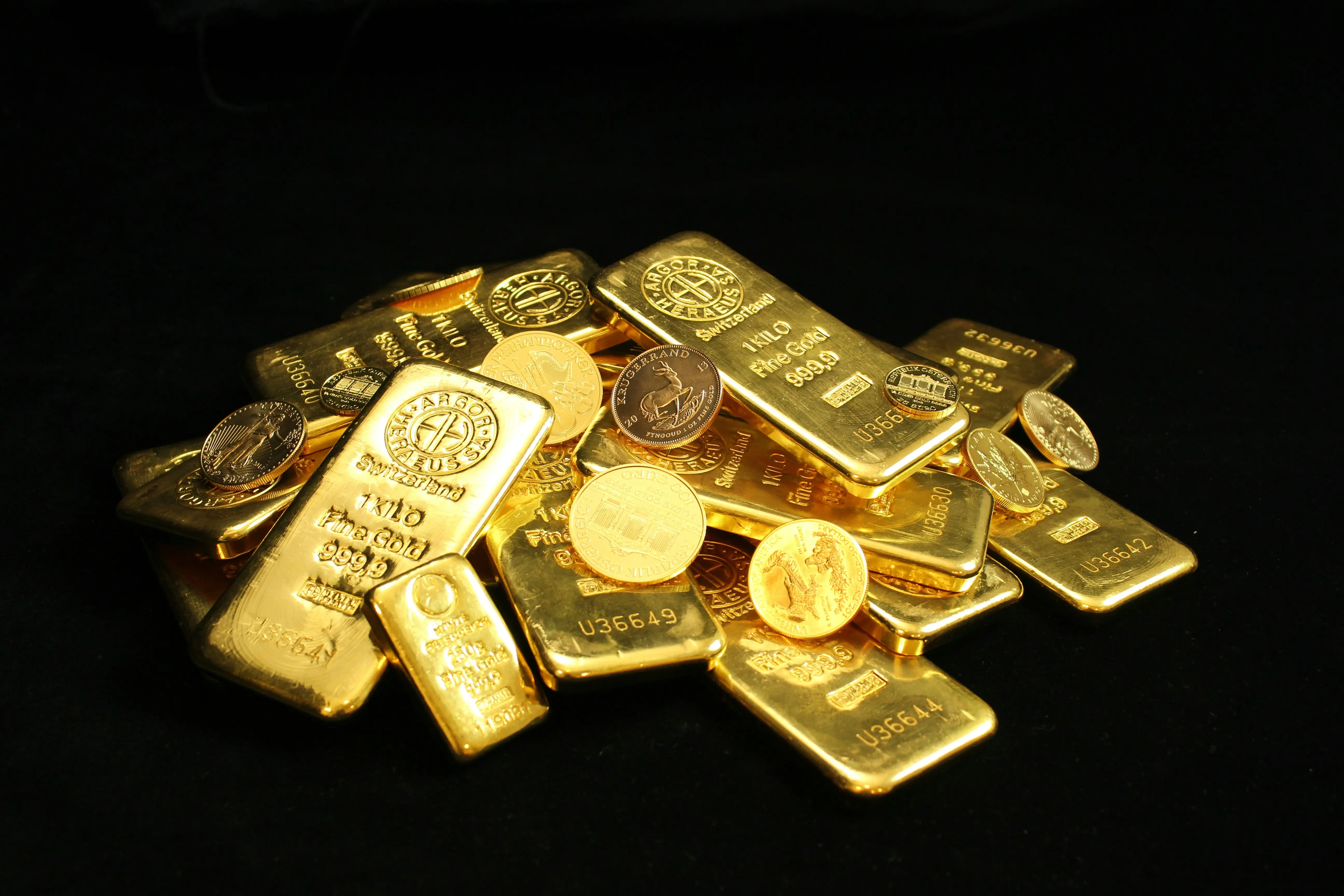
7. Record Highs Amid Global Uncertainty (April–October 2025)
Over the course of 2025, the price of gold surged around 47 per cent, marking it as the biggest annual rise since 1979. The rise in the price of gold is driven by global uncertainties and economic factors. In the initial months of the year, gold has experienced an upsurge of 45 per cent in its price, making it a standout in financial markets.
)
)
)
)
)