'30-mile vacuum': Why flushing a toilet on USS Abraham Lincoln is a mechanical nightmare

Forget the nuclear reactors. The most dreaded engineering system on the USS Abraham Lincoln is the VCHT. Discover the terrifying, 30-mile vacuum network that handles the waste of 5,000 sailors.
Gravity Doesn't Work at Sea
In a normal building, toilets rely on gravity. On a Nimitz-class supercarrier that pitches, rolls, and slams into ocean swells, gravity is completely unreliable. To solve this, the Navy uses the VCHT (Vacuum, Collection, Holding, and Transfer) system. When you hit the flush button on the Lincoln, it doesn't drop the water; it aggressively sucks it out using a massive, ship-wide mechanical vacuum.
The 30-Mile Hurricane
The VCHT system is a mind-boggling maze. It consists of roughly 30 miles of specialized copper-nickel piping woven through every level of the ship. Because it operates under extreme negative pressure, a flushed toilet turns the waste into an aerosolized projectile, rocketing it through the pipes at terrifying speeds toward massive collection tanks located deep in the hull.
The 'Black Water' Blowout
The vacuum system is incredibly powerful, but it is also highly temperamental. If a sailor accidentally (or lazily) drops a pen, a pocketknife, or a t-shirt down the drain, it creates a catastrophic clog. Unclogging a high-pressure vacuum pipe requires engineers to manually breach the system. If they don't depressurize it perfectly, it results in a ‘Black Water Blowout’—a pressurized geyser of raw sewage erupting into the ship's passageways.
The Unsung Heroes: The HTs
The fighter pilots get all the glory, but the hardest-working sailors on the ship are the Hull Maintenance Technicians (HTs). Affectionately (and brutally) known across the fleet as the ‘Turd Chasers,’ these engineers are responsible for fixing the VCHT. When a pipe bursts, the HTs have to gear up in full hazmat suits, descend into 110-degree pump rooms, and physically wrench open sewage-filled pipes while the ship rocks in the waves.
The Deadly Invisible Gas
The VCHT pump rooms aren't just gross; they are lethal. As raw sewage breaks down in the massive holding tanks, it produces Hydrogen Sulfide (H2S) gas. H2S smells like rotten eggs, but at high concentrations, it instantly paralyzes the human olfactory nerves (meaning you stop smelling it) and can kill a sailor in seconds. Entering a VCHT pump room requires strict gas-monitoring protocols and emergency breathing apparatuses.
The 3-Mile Rule
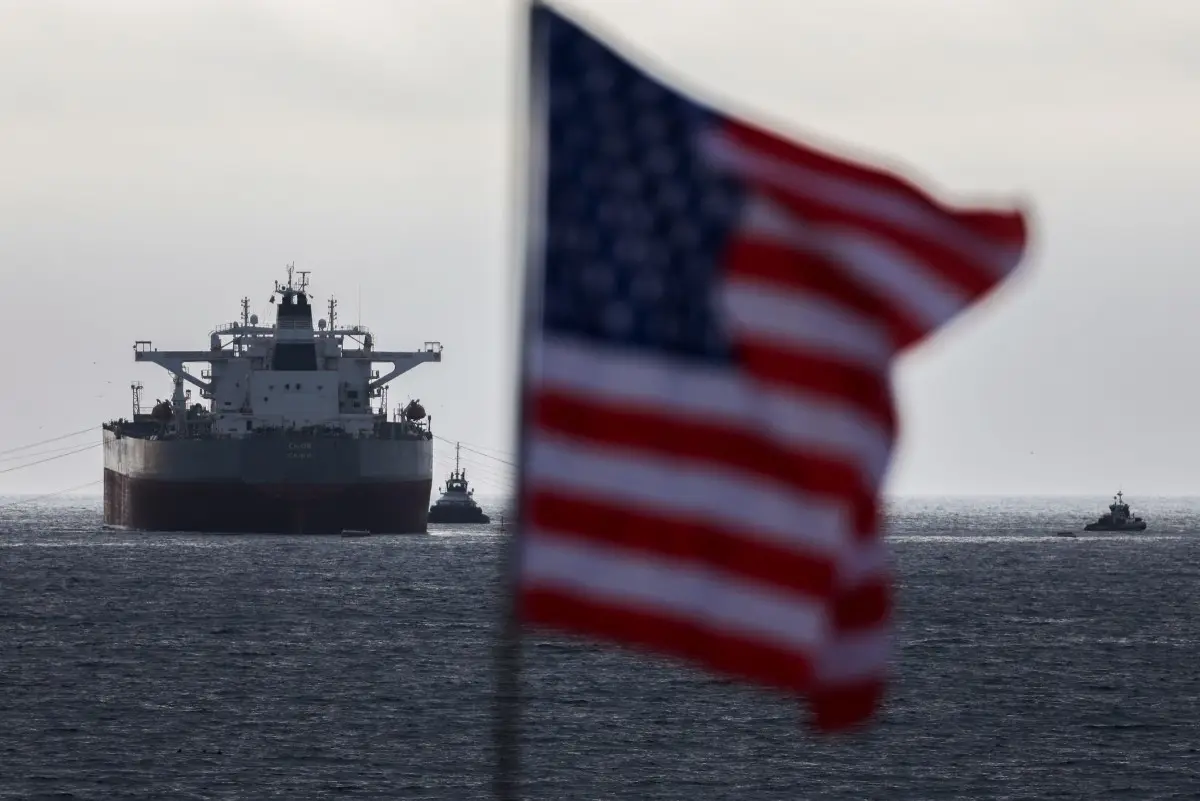
What happens to the waste? In international waters, the VCHT system churns the sewage, treats it, and pumps the ‘effluent’ directly overboard into the ocean. However, maritime law strictly dictates that a ship cannot pump waste within three nautical miles of the coastline. When the Lincoln pulls into port, the system diverts all waste into internal holding tanks. If those tanks fill up before a port-side barge can pump them out, the Captain is forced to secure the water—meaning nobody on the ship can shower or flush a toilet until the tanks are emptied.
The Golden Rule of the Head
Because a single clog can take out the plumbing for an entire section of the ship, the Lincoln operates on a strict, ruthless cultural code in the ‘Head’ (the Navy term for the bathroom). The golden rule is simple: ‘Do not flush anything you haven’t eaten first.' The only exception is marine-grade, single-ply toilet paper. Breaking this rule and causing a VCHT backup makes you instantly the most hated person on the deck.
)
)
)
)
)