The 3,400-km/h missile changing Asia: Why no supersonic cruise weapon matches the speed and impact of BrahMos?

Developed jointly by India and Russia, it is widely regarded as the world’s fastest operational supersonic cruise missile, capable of reaching nearly Mach 2.8 to 3.
Introduction: A Missile That Redefined Speed at Sea
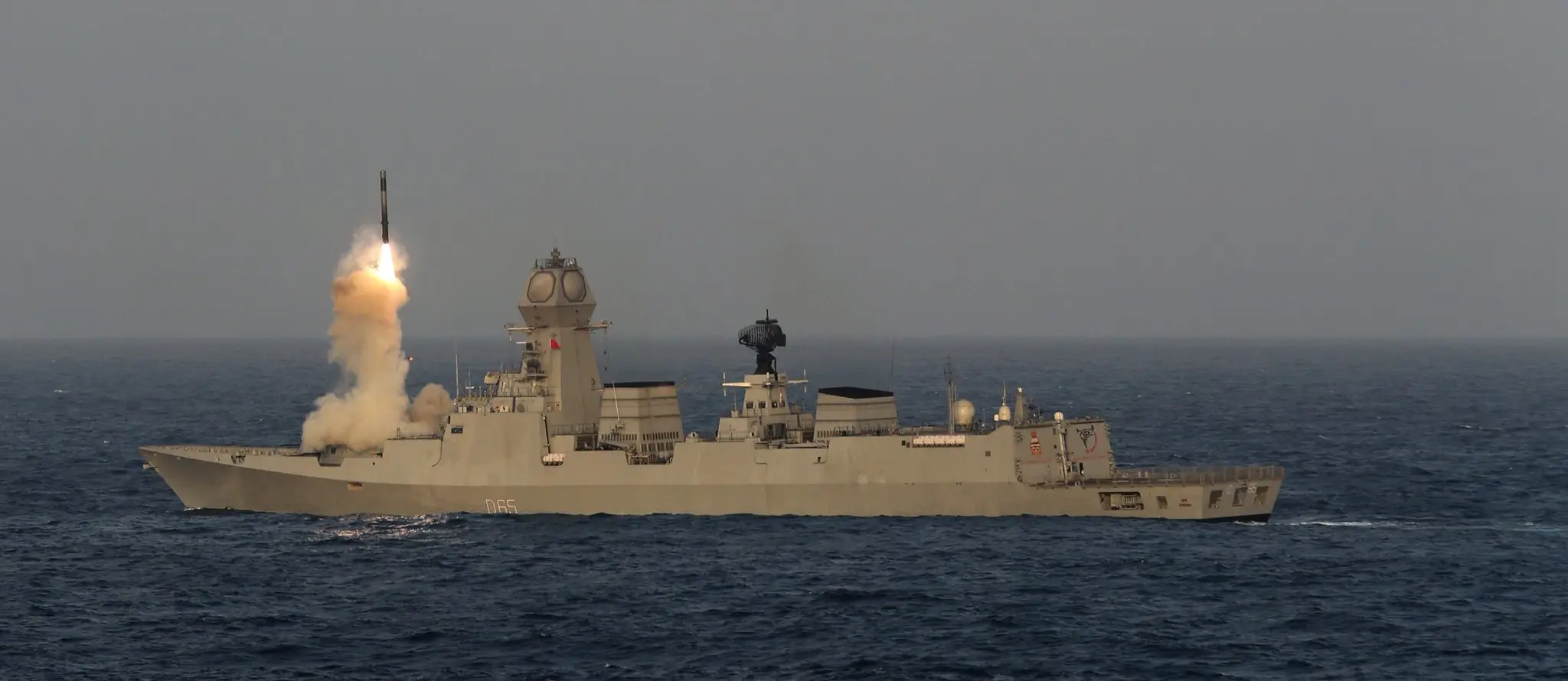
Few modern weapons have altered regional maritime strategy as profoundly as the BrahMos. Developed jointly by India and Russia, it is widely regarded as the world’s fastest operational supersonic cruise missile, capable of reaching nearly Mach 2.8 to 3. Its blend of high speed, low-altitude sea-skimming and precision-strike accuracy gives it capabilities that few comparable systems can approach. The programme has also positioned India as a credible exporter of advanced strategic technology, with multiple Southeast Asian states evaluating it for coastal defence roles. Notably, India and Indonesia have recently made substantive progress towards finalising a major BrahMos procurement agreement, again putting focus on the missile’s increasing value to maritime nations seeking strong, reliable deterrence.
Origins of the BrahMos Programme
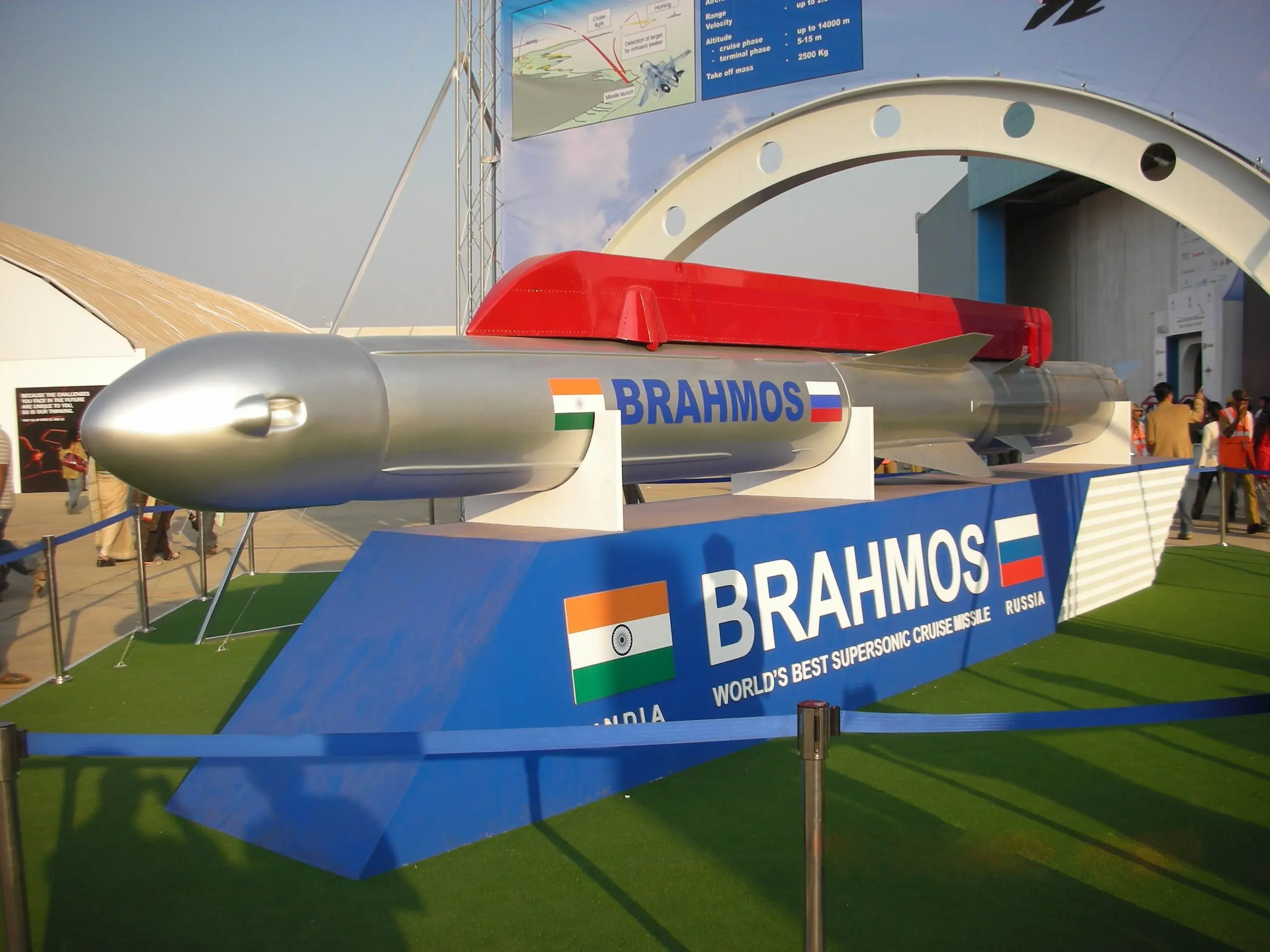
The BrahMos traces its roots to the Indo–Russian joint venture created in 1998 to produce a modern successor to the Russian P-800 Oniks. India brought integration capability, navigation systems and platform versatility, while Russia contributed propulsion and aerodynamic expertise. The result was a missile optimised not only for speed, but also for reliability and adaptability across land, sea and air platforms.
Why BrahMos Is the Fastest Supersonic Cruise Missile
BrahMos maintains sustained speeds close to Mach 3, while most cruise missiles operate at subsonic levels. This speed is powered by a liquid-fuel ramjet engine that activates after a solid-fuel booster accelerates the missile during launch. The high cruising velocity drastically compresses reaction time for targets: a ship at 300 kilometres could have as little as three to four minutes to respond. This kinetic advantage also increases terminal impact energy, making the missile more destructive without requiring an oversized warhead.
Sea-Skimming, Precision and Terminal Manoeuvres
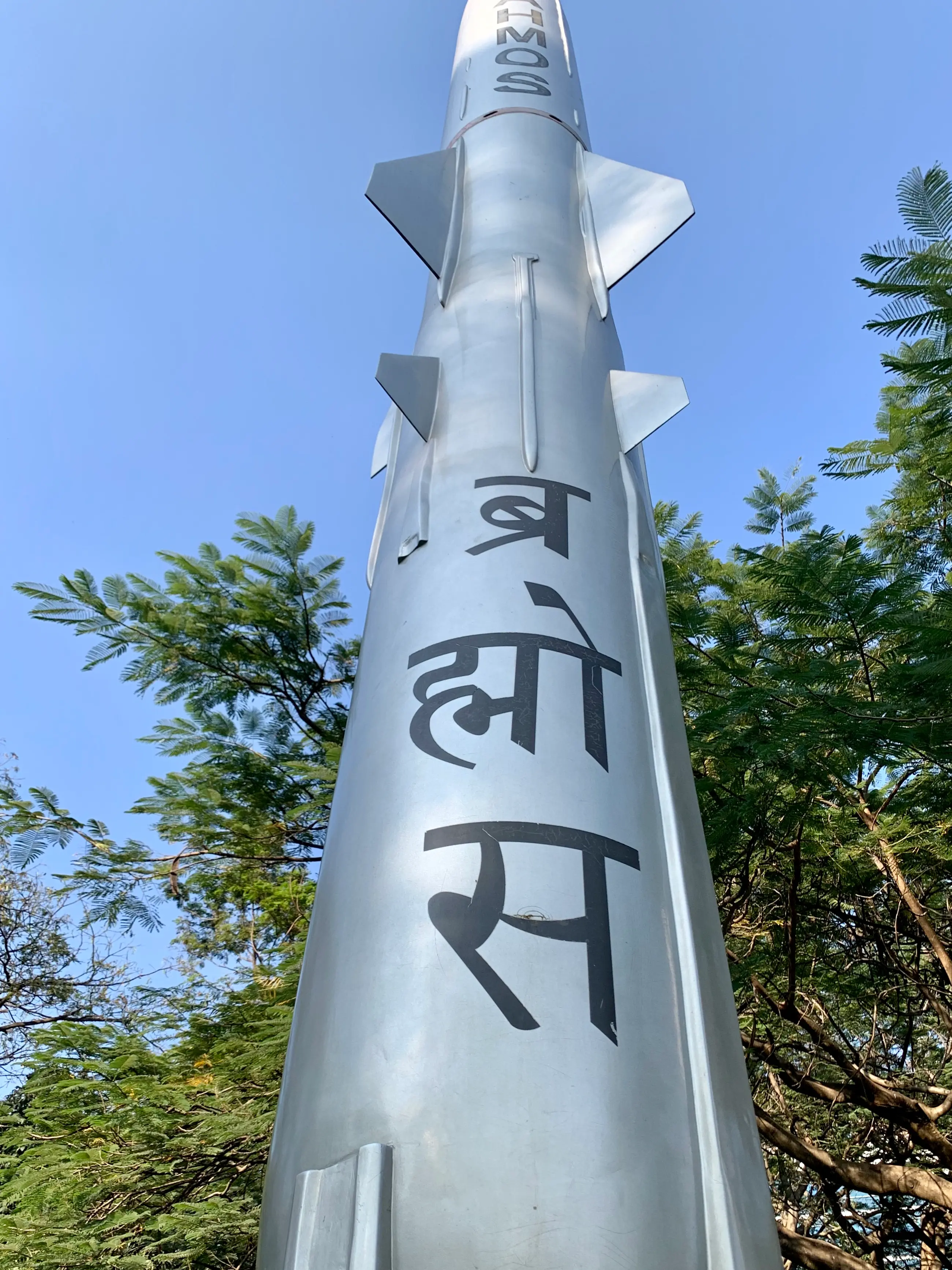
Speed alone does not distinguish BrahMos. Its defining operational features include sea-skimming flight at 5 to 10 metres above the water surface, mid-course inertial navigation aided by satellite guidance, and terminal active radar homing. In the final seconds it can execute high-g manoeuvres to evade shipborne defences. These elements combine to produce a missile that is not just fast, but also difficult to detect and intercept.
Variants and Expanding Range
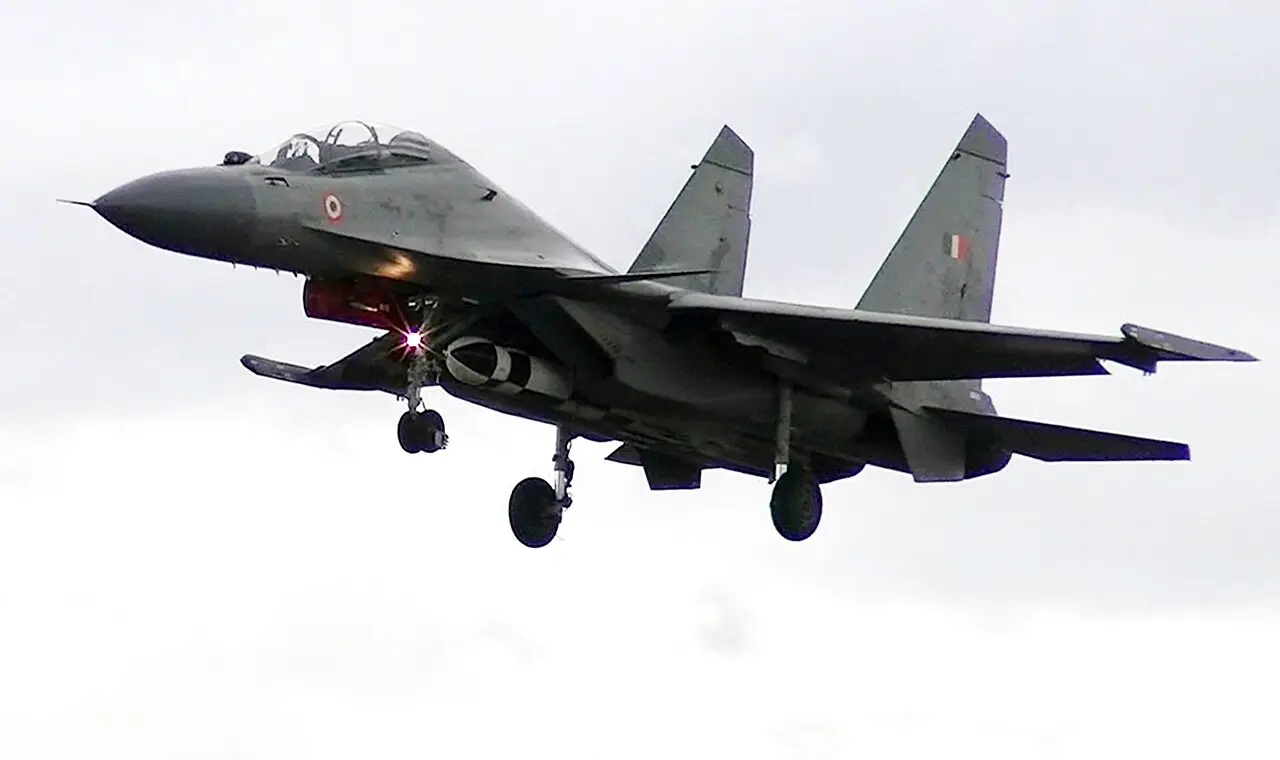
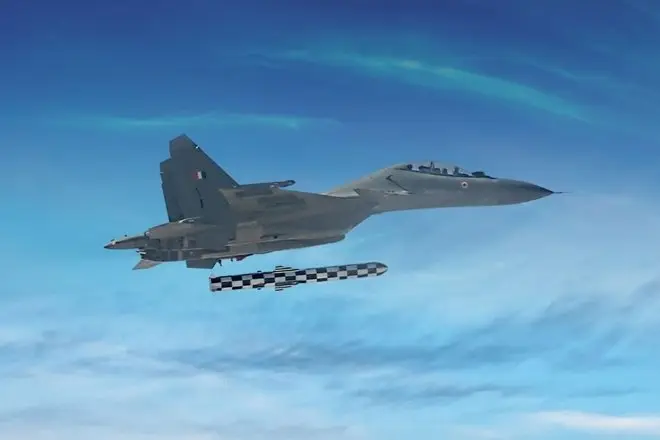
Initially restricted by the Missile Technology Control Regime, the early BrahMos had a range of around 290 kilometres. After India joined the regime in 2016, new versions were tested beyond 400 and even 500 kilometres. The air-launched BrahMos-A, carried by India’s Su-30MKI fleet, is lighter and offers extended reach. Meanwhile, the upcoming BrahMos-NG aims to reduce size and weight further while retaining high speed, opening possibilities for wider export.
How BrahMos Compares with Other Systems
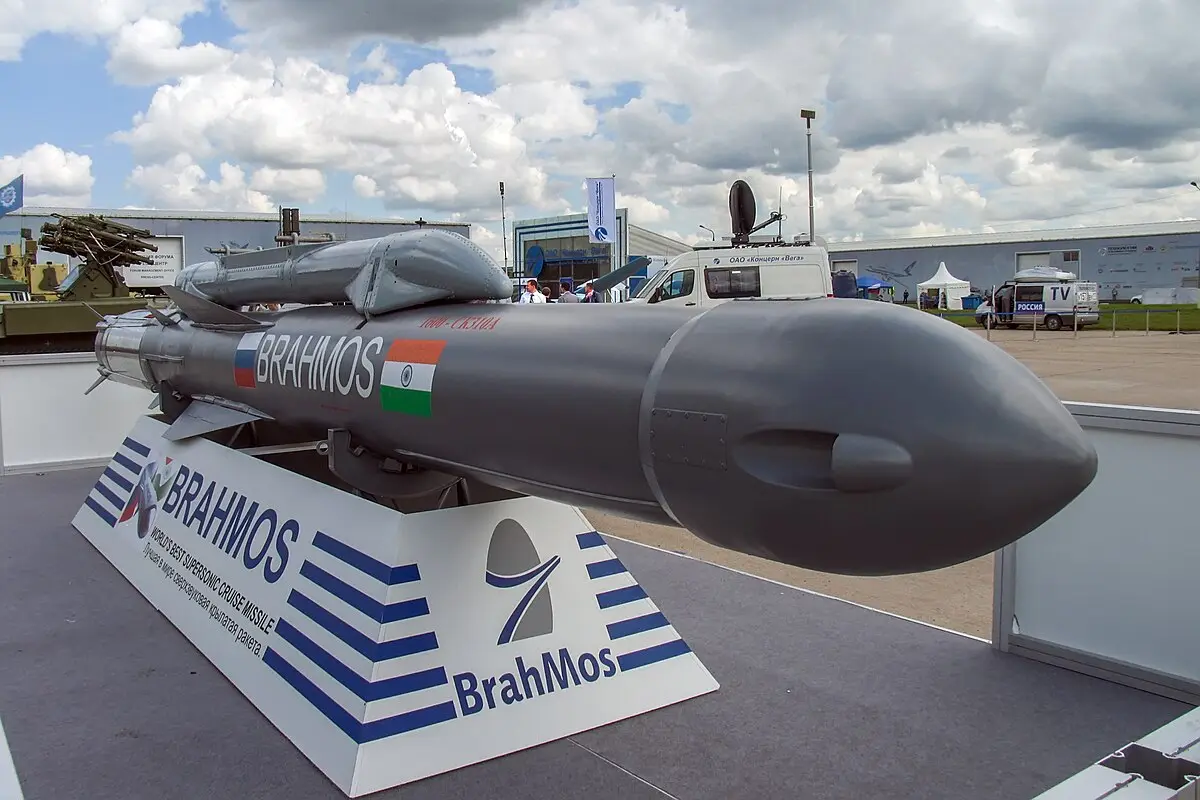
Competing missiles such as China’s YJ-83 or the US Harpoon operate at subsonic speeds. Even faster systems like the YJ-12 are classified differently, often bordering on hypersonic performance, but remain less proven in operational service. BrahMos stands out because it combines sustained Mach-3-class speed with repeated testing, active deployment, international interest and platform flexibility.
Why It Appeals to Export Partners
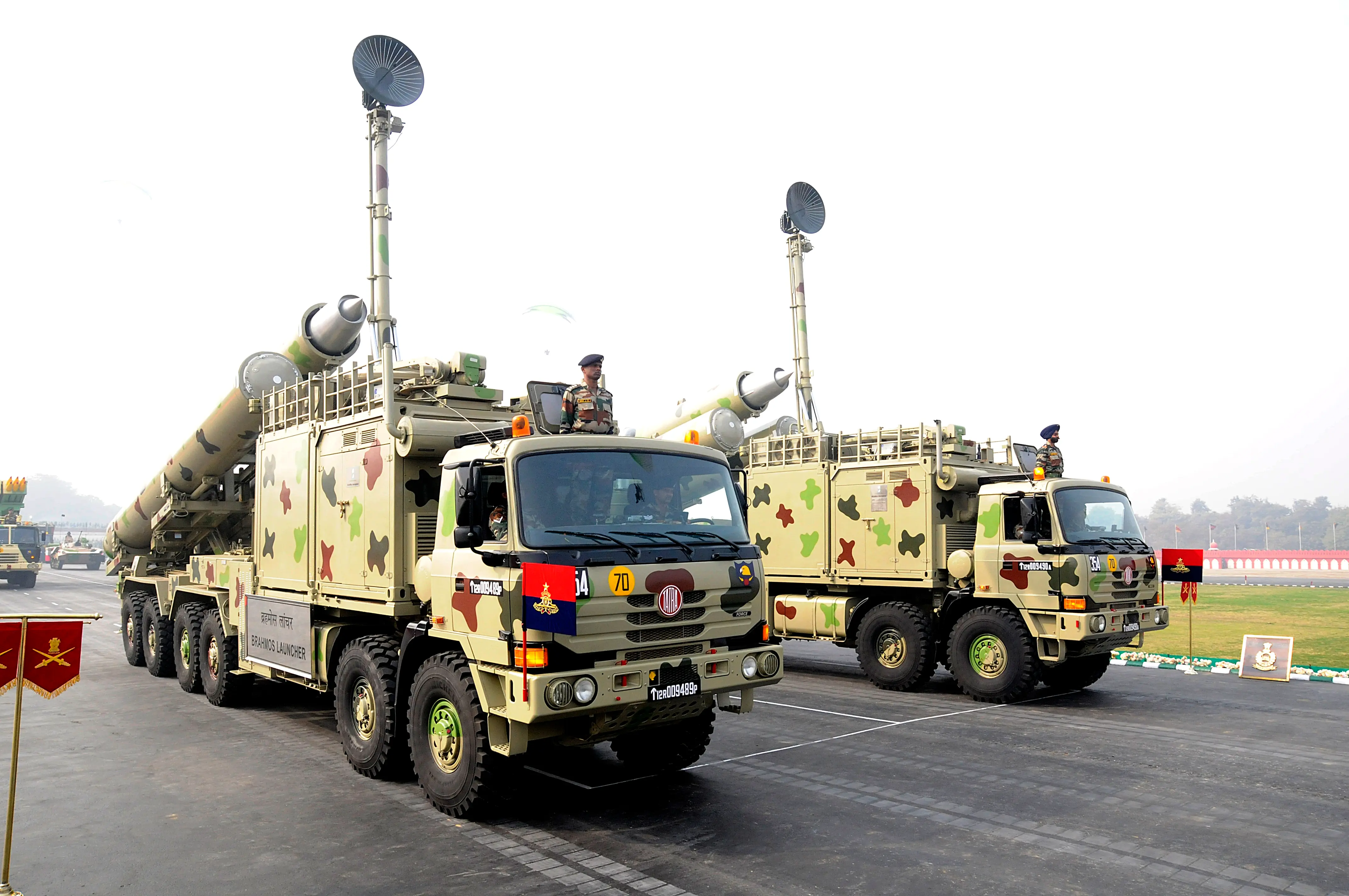
Countries with long coastlines and contested waters, including the Philippines and Indonesia, see BrahMos as a credible deterrent. Its relatively straightforward maintenance profile, dependable test record and Indian assurance of long-term support make it attractive. For states facing grey-zone maritime pressures, a standoff weapon with rapid strike capability strengthens coastal defence without escalating into offensive posturing.
A Proven System in an Era of Maritime Competition
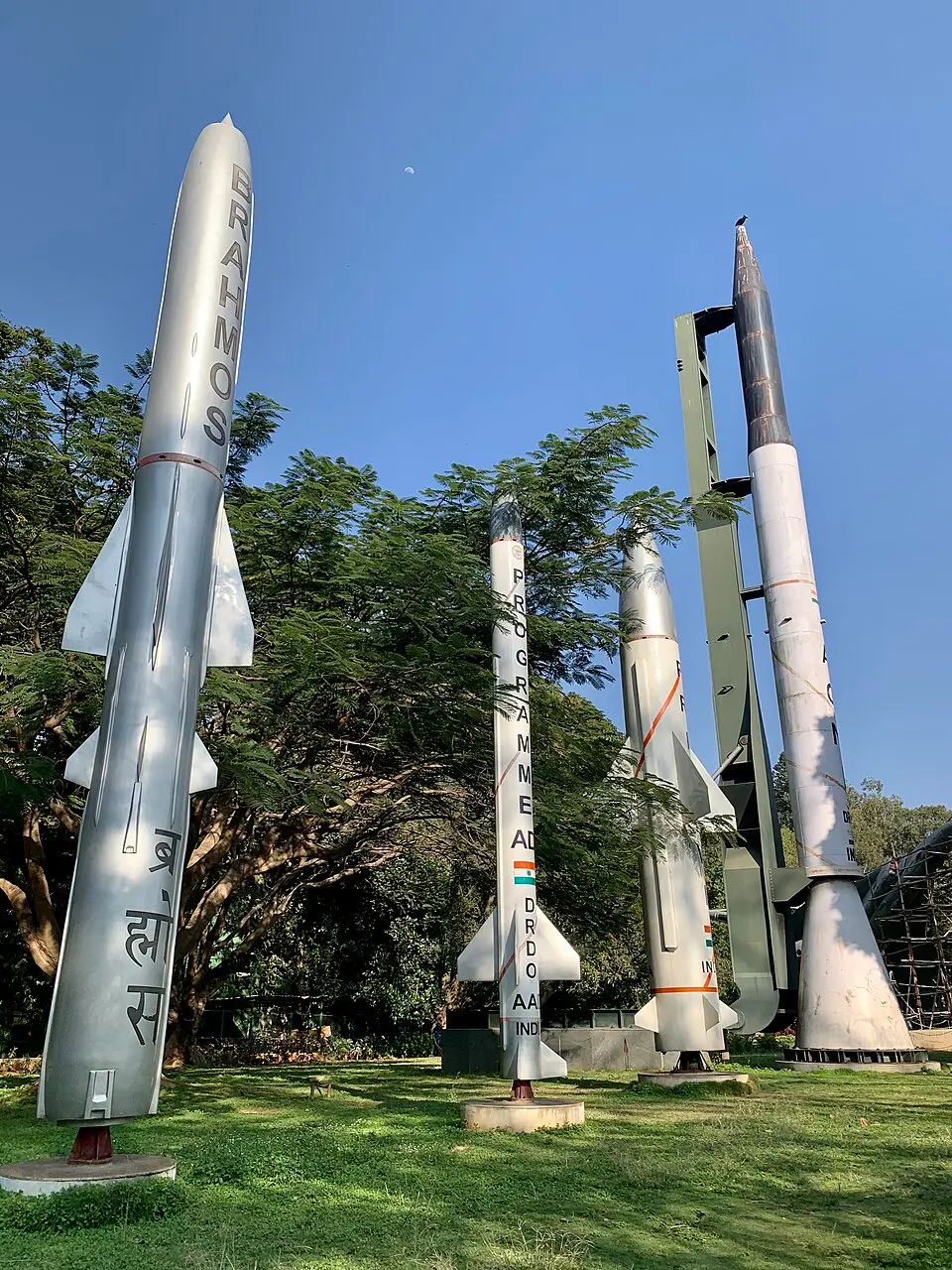
The BrahMos is not simply a fast missile; it is a system shaped by operational data and continuous upgrades. Its performance, versatility and growing export footprint have established it as one of the most influential missile programmes of the past two decades. As regional navies modernise, the BrahMos remains notable for its combination of speed, accuracy and credibility, the qualities that explain why few rival systems can match its overall impact.
)
)
)
)
)