The 2001 Nepal royal massacre: How a prince killed the king, queen and 7 royals

Although Dipendra was officially blamed, multiple theories persist. One of the strongest involves conflict over his relationship with Devyani Rana, which the royal family reportedly refused to accept.
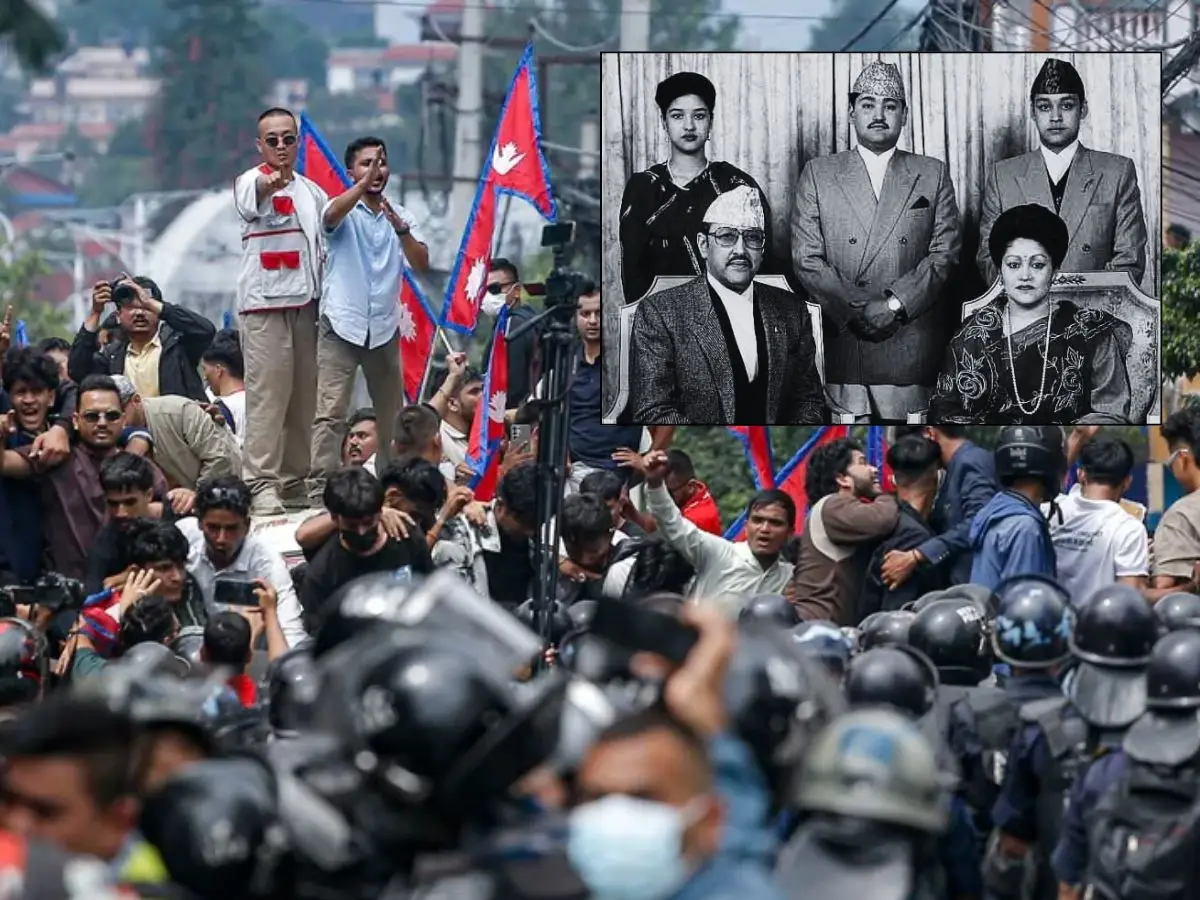
A Past That Refuses to Fade
Nepal is once again at a breaking point. A wave of Gen-Z-led protests has shaken the country, toppling a government and reviving debates many thought buried. Amid chants against corruption and abuse of power, an unsettling memory has resurfaced: the 2001 royal massacre, when Crown Prince Dipendra wiped out nearly his entire family, killing nine people including King Birendra, Queen Aishwarya, and his siblings, before shooting himself. After remaining in a coma, he was declared king, though he died three days later. His uncle Gyanendra then ascended to the throne.
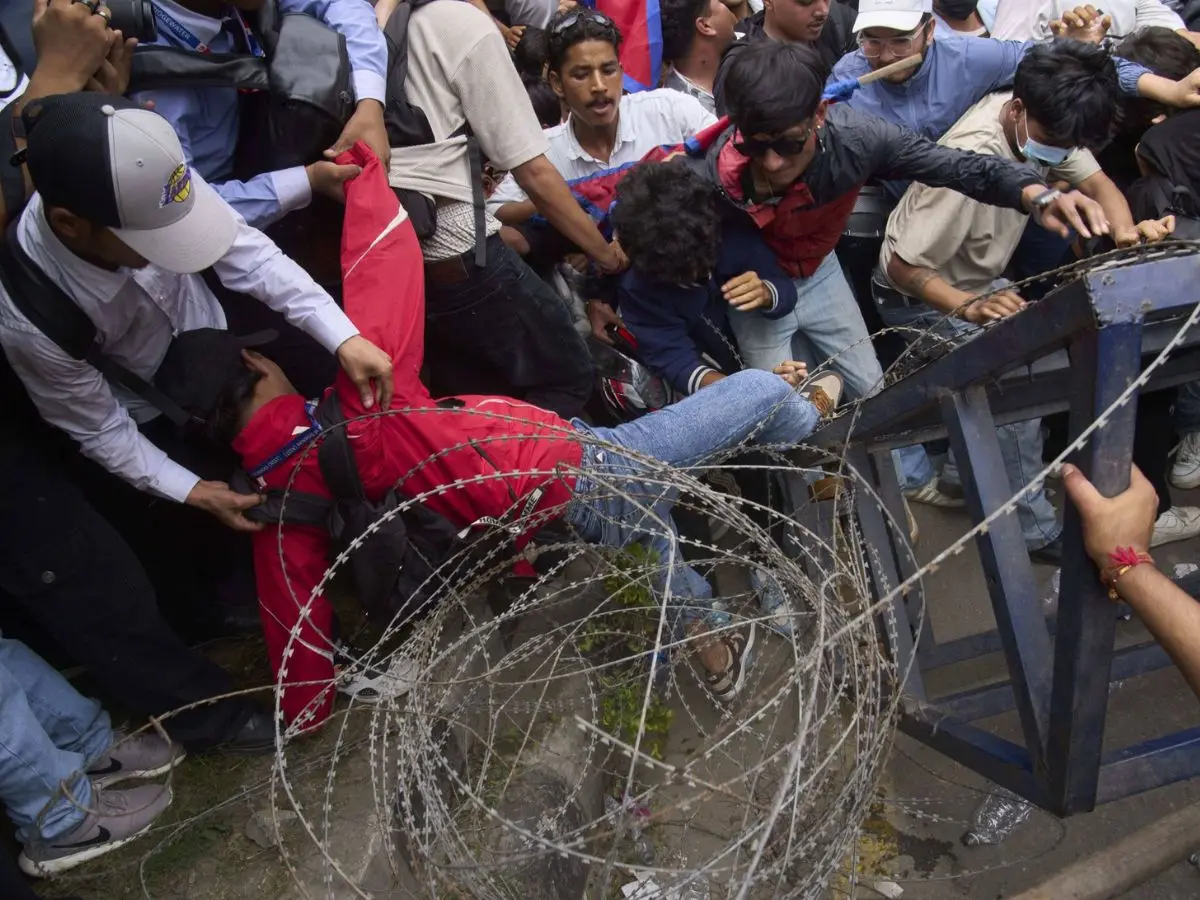
Gen-Z Protests: A New Storm in Old Shadows
In September 2025, Nepal erupted again, not due to royalty, but youth. A movement driven largely by Generation Z rose up over alleged corruption, restricted freedom of expression, and a controversial social media ban. At least 30 people are dead, with preliminary identities of 25 deceased individuals confirmed according to The Kathmandu Post.
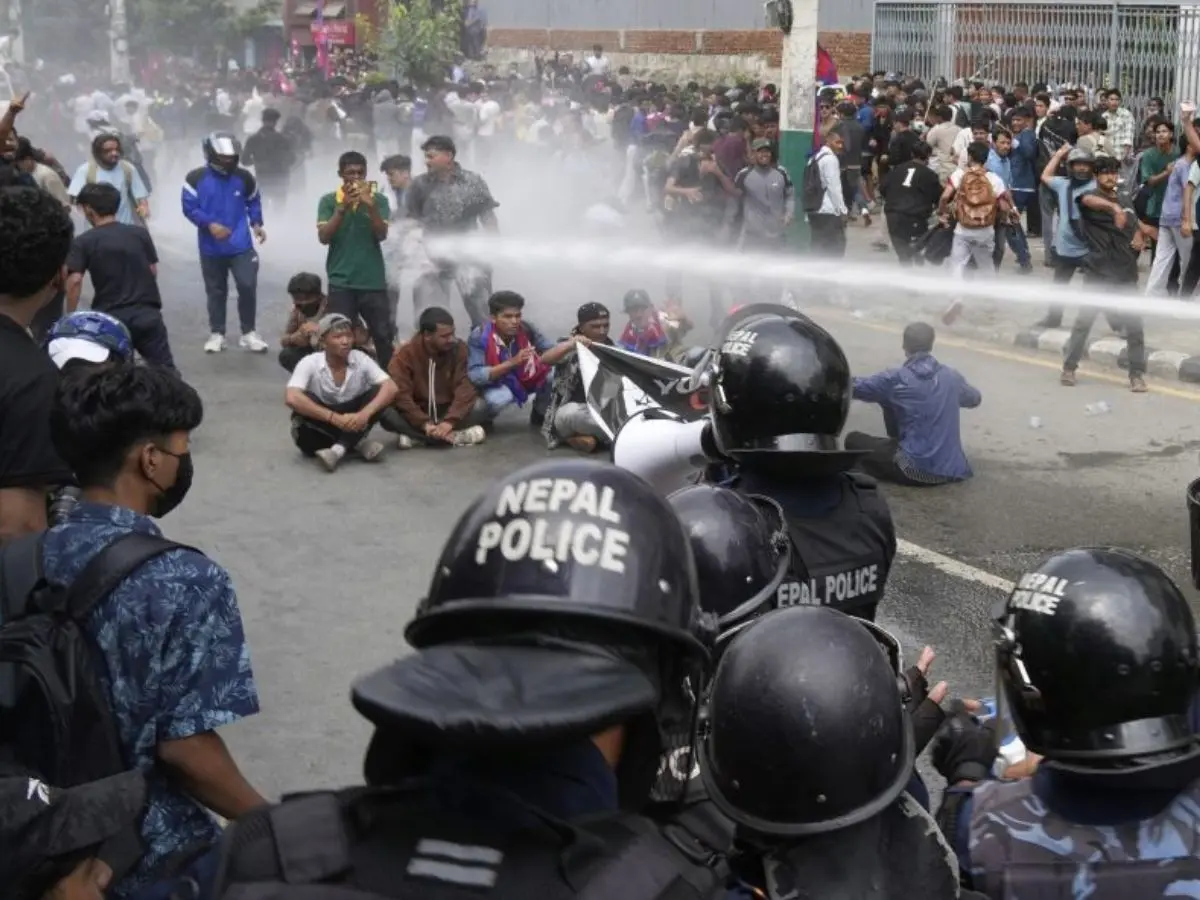
Why 2001 Resonates Again
The royal massacre remains a national wound: an event that shattered both trust and tradition. For many young Nepalis, it continues to symbolise everything wrong with power, absolutism, secrecy, and the deadly cost of personal vendettas. As Gen-Z protesters chant for accountability and transparency, those echoes of 2001 serve not as history alone, but as warnings of what happens when leaders act unchecked.
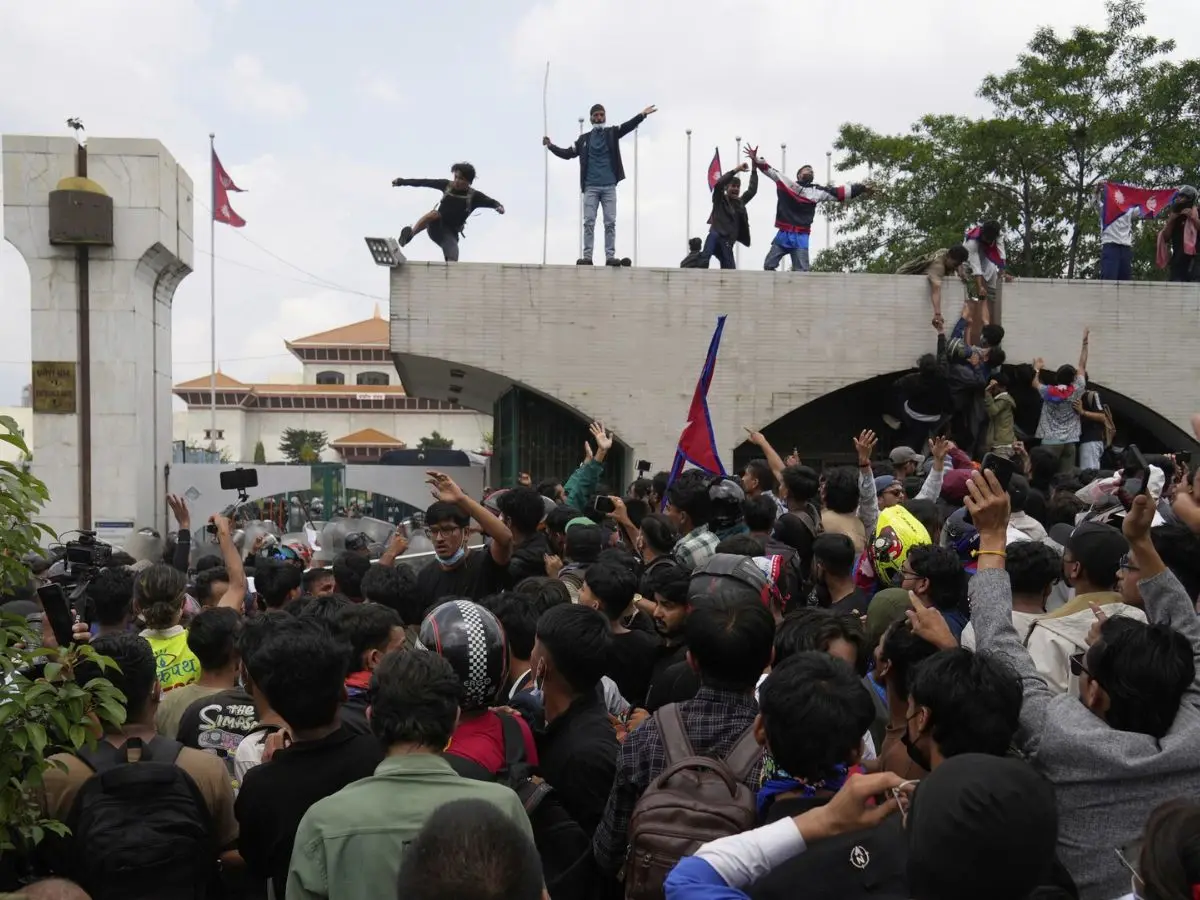
Theories, Mysteries, and the Unsettled Truths
Although Dipendra was officially blamed, multiple theories persist. One of the strongest involves conflict over his relationship with Devyani Rana, which the royal family reportedly refused to accept. Another line of suspicion involves constitutional changes that reduced royal power after Nepal’s 1990 People’s Movement, Dipendra may have felt trapped between tradition and a monarchy in decline.
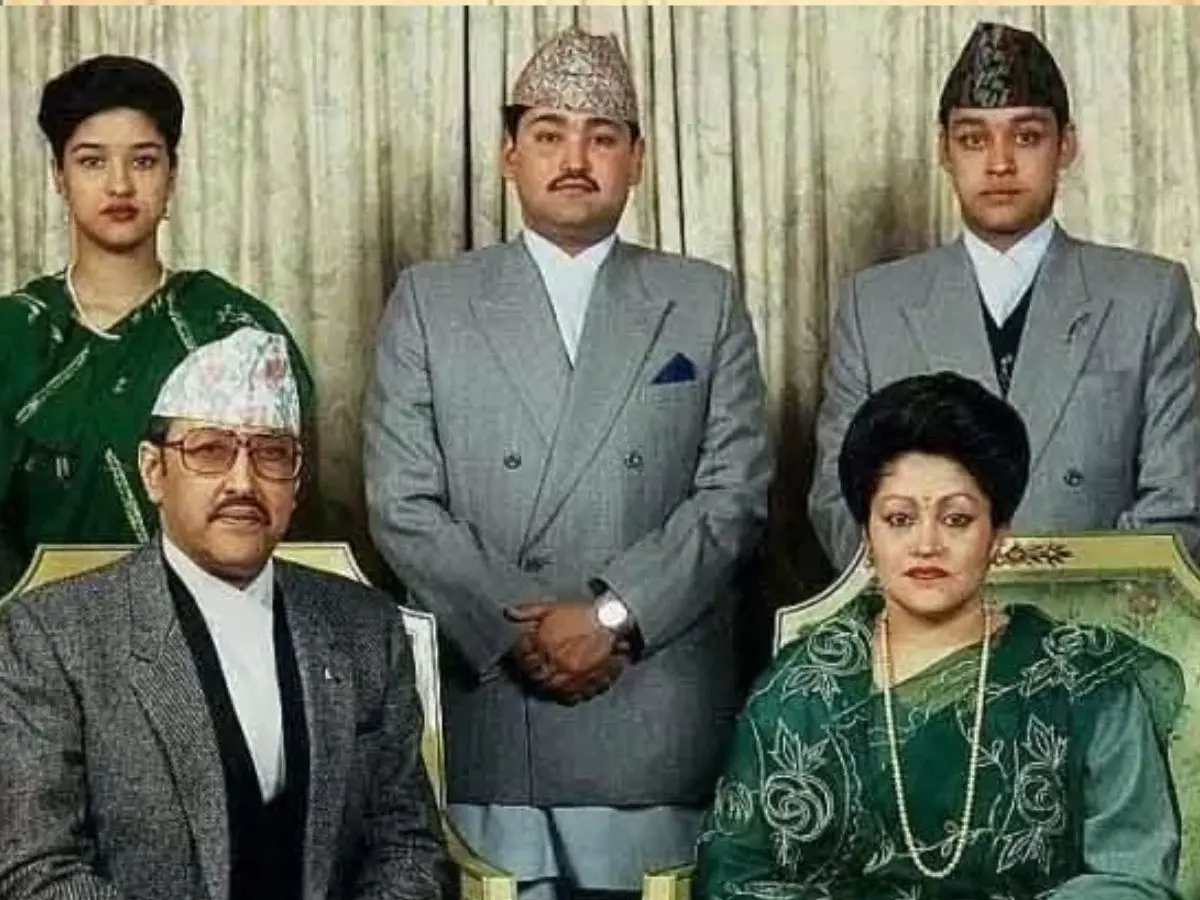
The Night That Changed Nepal
On 1 June 2001, the royal family gathered for their customary dinner at the Narayanhiti Palace in Kathmandu. Crown Prince Dipendra, then 29, had spent the day attending official duties but appeared withdrawn. By evening, he had consumed heavy amounts of whisky and was reportedly smoking cigarettes laced with hashish. Allegedly, after a tense phone call with his girlfriend Devyani Rana, he collapsed unconscious and was carried to his quarters to rest.
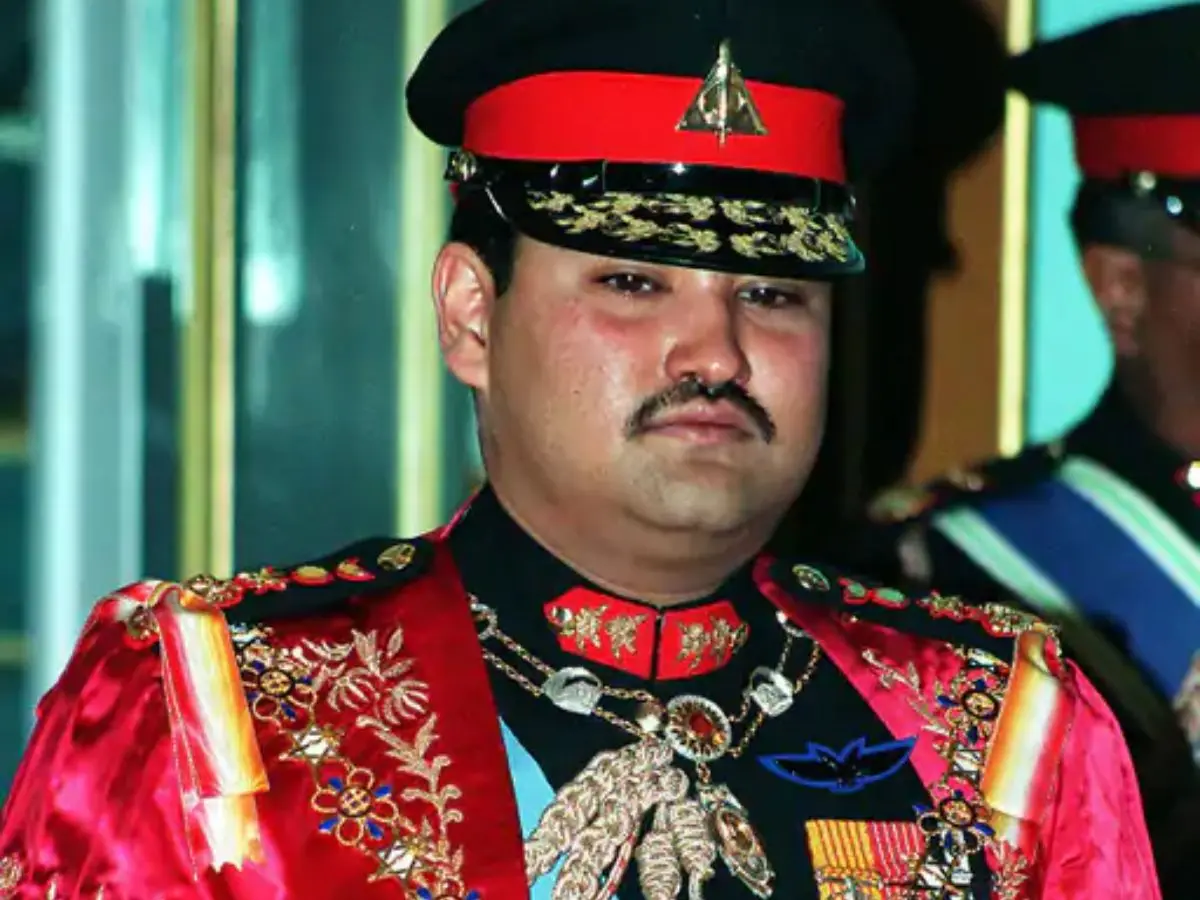
The Massacre in the Dining Hall
Shortly afterwards, Dipendra re-emerged wearing full military combat uniform, armed with an M-16 rifle, a submachine gun, and a pistol. Entering the dining room, he opened fire without speaking. King Birendra, struck first, is reported to have asked in disbelief, 'Kay gardeko?'—'What have you done?' Queen Aishwarya, Princess Shruti, Prince Nirajan and several other royals were gunned down in minutes. In all, nine members of the royal family were killed. Witnesses later described a horrific scene of shattered glass, bullet casings, and blood across the palace hall.
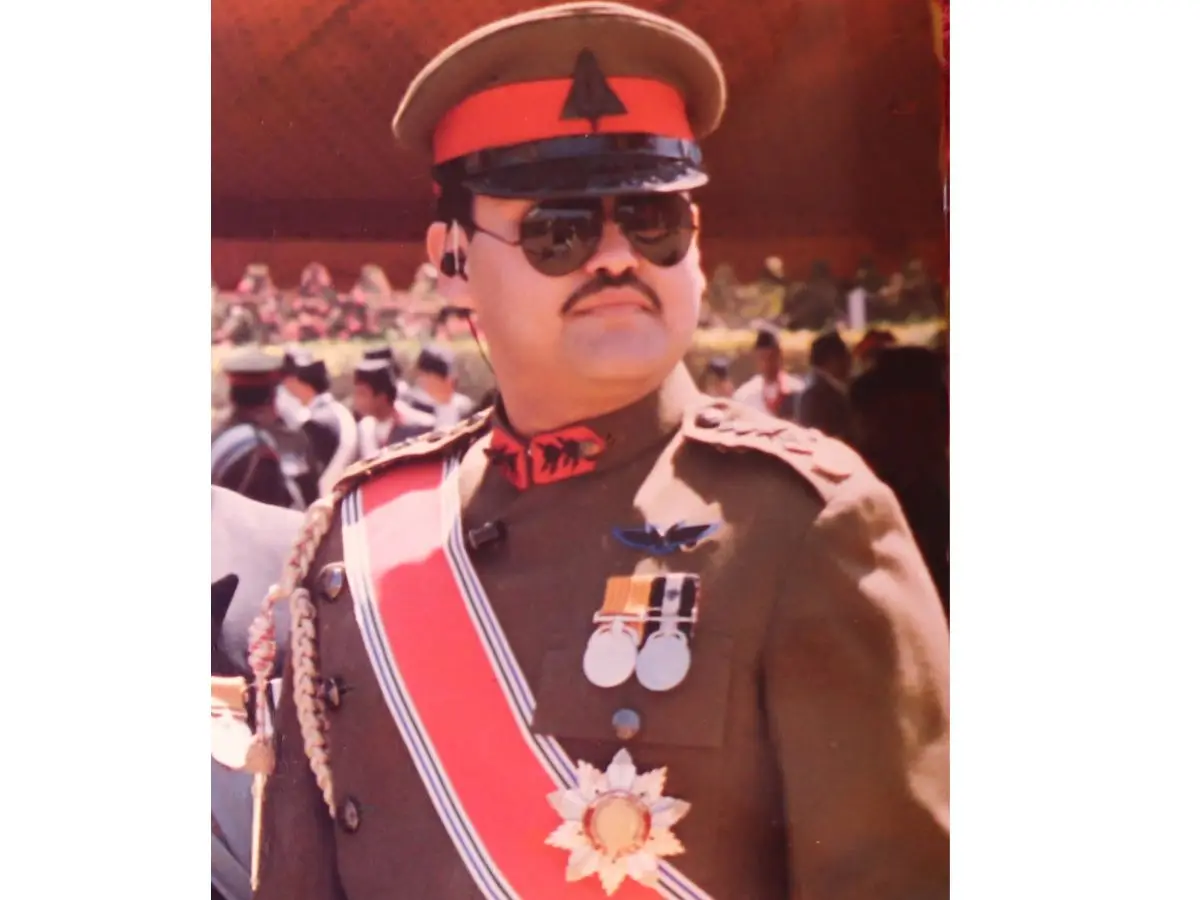
Dipendra Declared King in a Coma
After the shootings, Dipendra turned the gun on himself. He was found in the palace garden with a head wound, still alive but unconscious. In accordance with constitutional procedure, he was declared king while in a coma, though he died three days later on June 4. The throne then passed to his uncle Gyanendra, who had been absent from the dinner that night, fuelling speculation and conspiracy theories about his role.
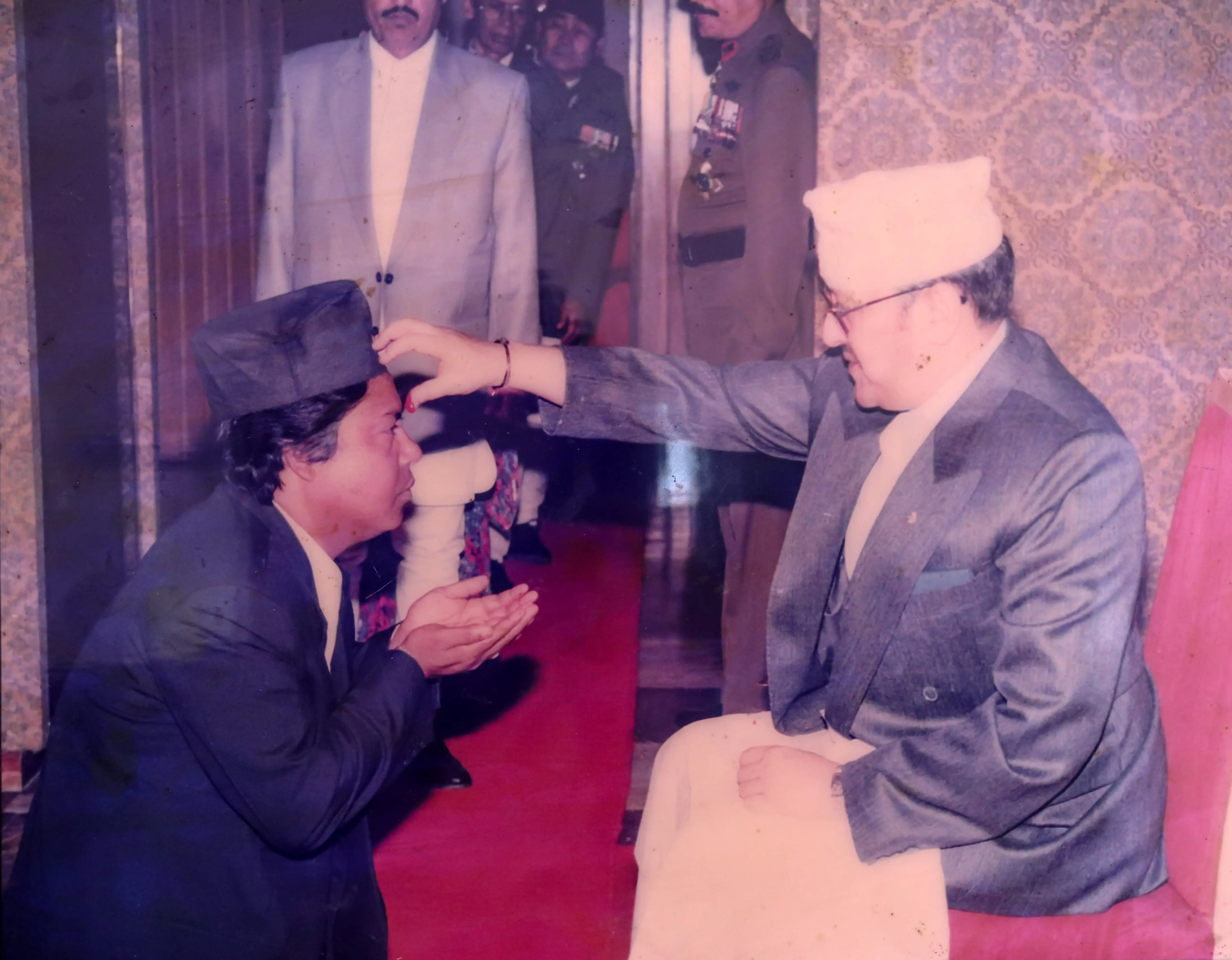
A Nation in Shock
The killings stunned Nepal. King Birendra was deeply respected, and many ordinary Nepalis refused to believe Dipendra could have murdered his parents. Public anger mounted as suspicions swirled around the surviving royals, particularly Gyanendra, whose sudden ascension was met with unease. Crowds at his coronation shouted slogans, some even calling for his execution. The massacre not only wiped out a generation of the Shah dynasty but also accelerated the decline of the monarchy itself, which was finally abolished in 2008.
)
)
)
)
)